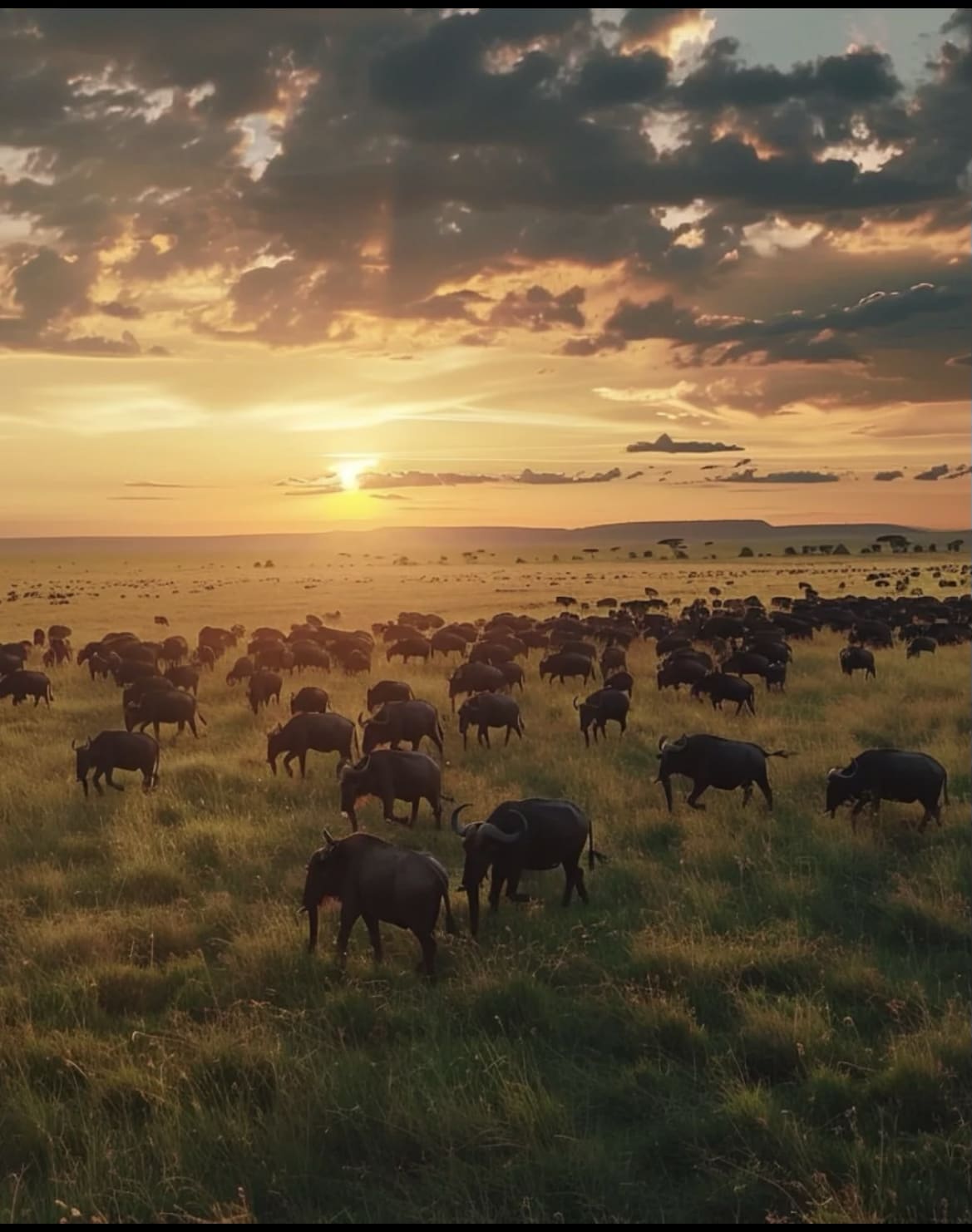
Is Malawi Good for Safari? Wildlife vs Kenya & Tanzania 2026
Malawi offers rewarding safaris with fewer crowds and 30-40% lower costs than Kenya & Tanzania. Best time: July-October. Compare wildlife, prices, and book verified tours on SafariFind.
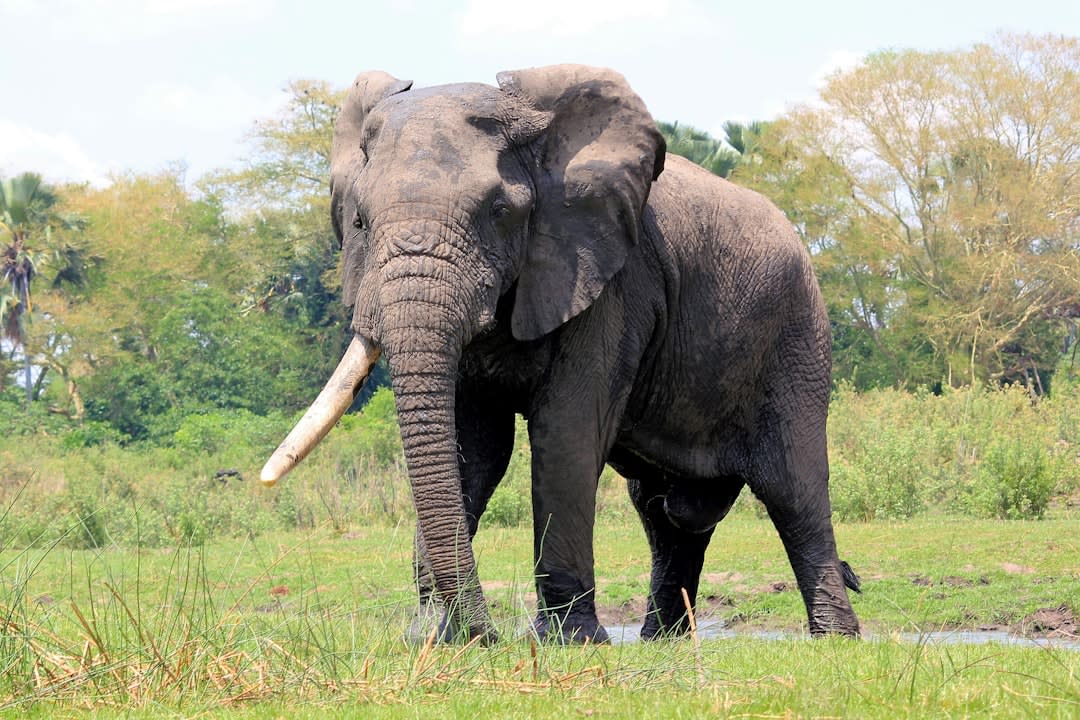
Is Malawi Good for Safari? Wildlife vs Kenya & Tanzania
Last updated: July 2026
Malawi offers rewarding wildlife experiences with fewer crowds and lower costs than Kenya and Tanzania, making it ideal for budget-conscious travelers seeking authentic safaris. The best time to visit is July to October during the dry season. Book verified safari packages on SafariFind to compare prices and read real traveler reviews.
At a Glance
- Cost: $1,500–$3,500 per person for 7 days in 2026
- Best time: July–October (dry season, peak wildlife viewing)
- Duration: 5–10 days recommended
- Getting there: Lilongwe International Airport (LLW) or Blantyre International Airport (BLZ)
- Best for: Budget travelers, couples, small groups seeking quiet wildlife experiences
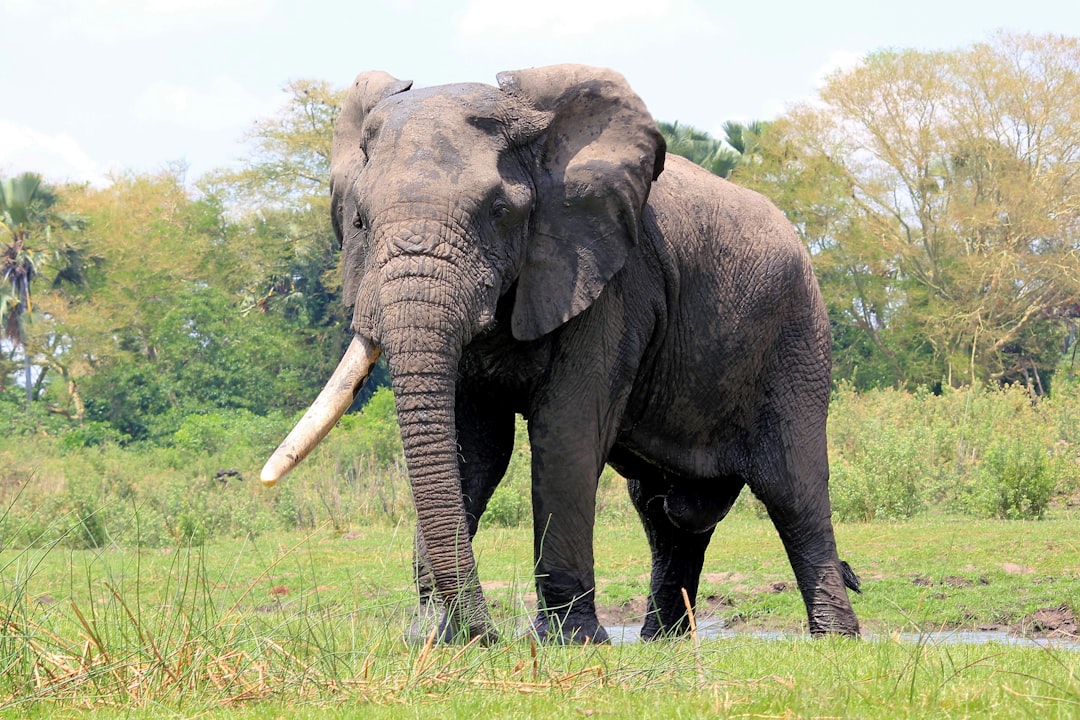
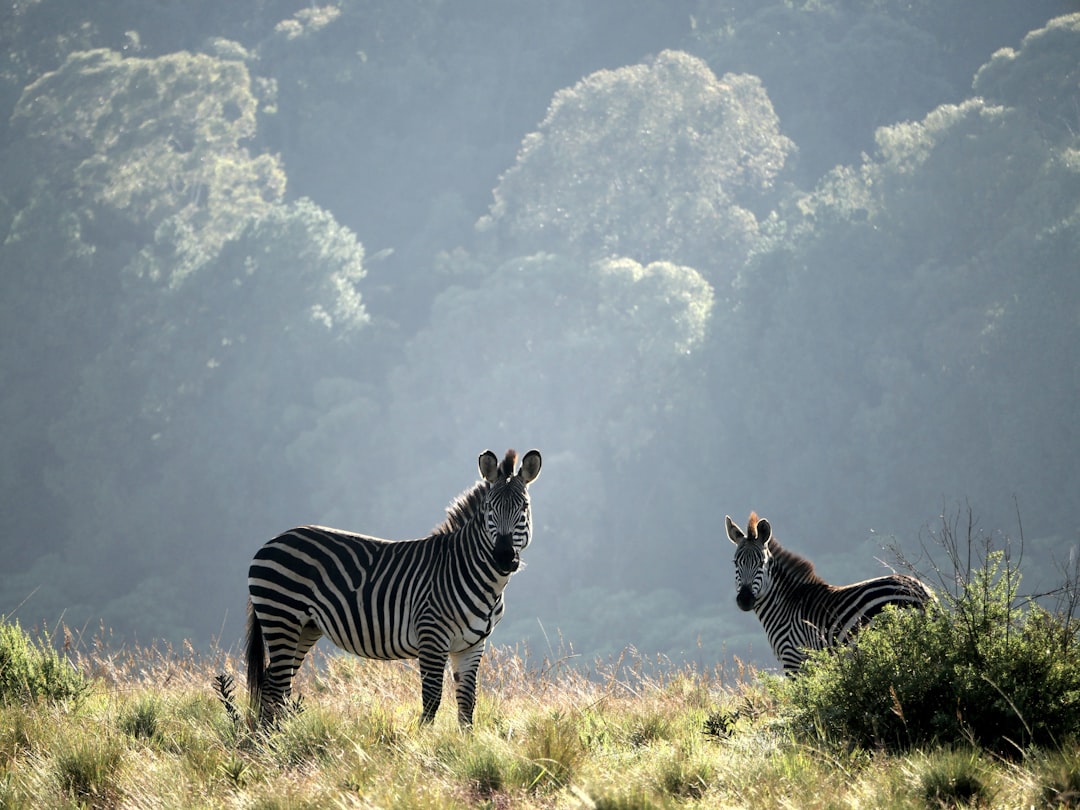
- Wildlife highlights: Leopards, elephants, buffalo, zebras, diverse birdlife in national parks
What Makes Malawi a Good Safari Destination?
Malawi is a hidden gem in East Africa that deserves far more attention than it gets. While Kenya and Tanzania dominate the safari tourism industry, Malawi quietly offers some of the most rewarding wildlife experiences on the continent. The country combines authentic safari adventures with lower costs, fewer crowds, and genuine hospitality that makes travelers feel welcome.
Malawi safaris are good for visitors who want real connections with nature without the tourist overload of major circuits. You'll see incredible wildlife in pristine landscapes, stay in comfortable camps, and spend less money than you would in neighboring countries. The experience feels personal rather than packaged.
Key Features of Malawi Safaris
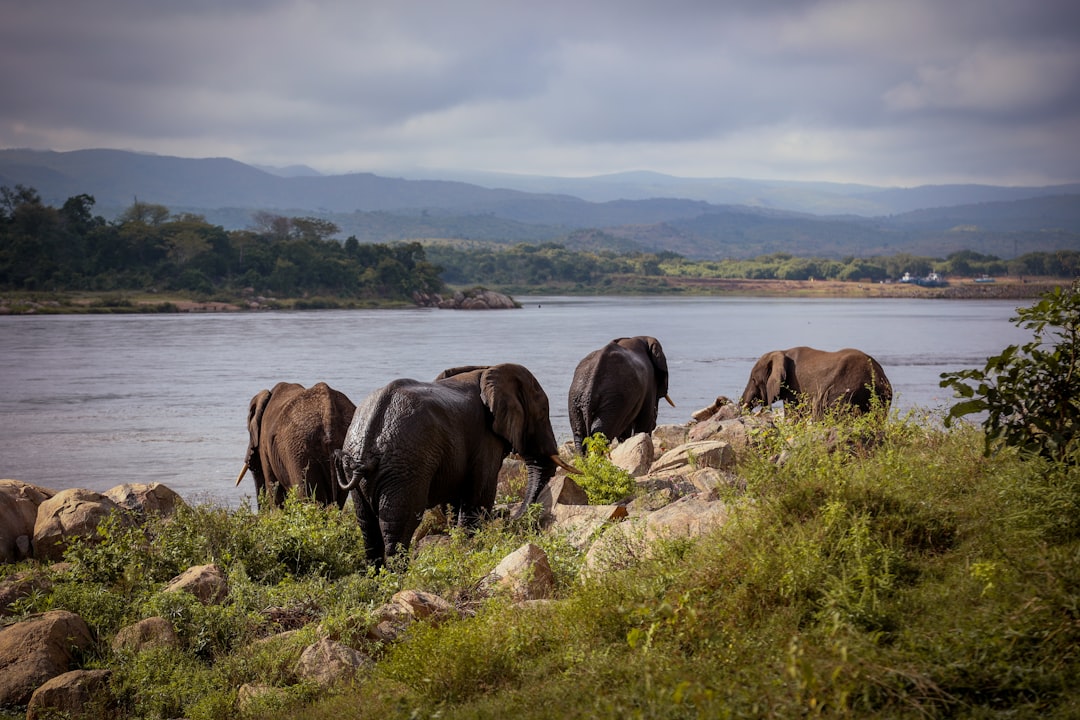
Malawi National Parks and reserves protect diverse ecosystems across the country. Liwonde National Park, the largest protected area, hosts large elephant herds, leopards, and abundant birdlife. Lake Malawi National Park offers a unique combination of water-based activities and terrestrial wildlife viewing. South Luangwa Valley, shared with Zambia, provides world-class game viewing in a less crowded setting.
The landscape varies dramatically across Malawi. Mountains rise majestically in the north and south. Lake Malawi dominates the eastern border, creating stunning scenery. Woodlands and grasslands support diverse wildlife populations. This variety means your safari experience includes multiple habitats and ecosystems in one trip.
Wildlife density in Malawi differs from Kenya and Tanzania. Malawi has fewer animals in some areas but compensates with intimate encounters and personal attention from guides. You might see fewer wildebeest, but you'll have better opportunities to observe leopards, wild dogs, and other predators that are harder to spot elsewhere.
Why Malawi Stands Out
Budget-conscious travelers find exceptional value in Malawi safaris. A 7-day safari costs $1,500–$3,500 per person in 2026, compared to $2,500–$5,000 in Kenya and Tanzania. This price difference doesn't mean lower quality—it reflects less tourism infrastructure development and lower operational costs.
Crowds are significantly smaller in Malawi. During peak season (July–October), you won't encounter the vehicle congestion around popular animals that frustrates visitors in the Serengeti or Masai Mara. Game drives feel more peaceful, and wildlife viewing feels less staged.
Authenticity is a major advantage. Malawi tourism hasn't been as commercialized as neighboring countries. Local communities remain central to the safari experience. Guides are knowledgeable and passionate about wildlife rather than focused on maximizing tips. Camps feel like retreats rather than tourist factories.
Malawi vs Kenya: Direct Comparison
Kenya and Malawi offer different safari experiences at different price points. Kenya is famous for the Masai Mara's Great Migration and established luxury lodges. Malawi provides quieter wildlife viewing with lower costs and fewer international tourists. Your choice depends on priorities: iconic experiences versus budget-friendly authenticity.
Wildlife Viewing Differences
Kenya's Masai Mara hosts the Great Migration from July to October, when over 1 million wildebeest and zebras cross the Mara River. This spectacle is unmatched globally. Malawi doesn't have this migration event but offers year-round wildlife viewing with less competition from other vehicles.
Kenya has higher wildlife density in popular parks like Amboseli and Tsavo. You'll see more animals in concentrated areas. Malawi's wildlife is more dispersed, requiring patient searching but rewarding you with genuine discovery moments rather than orchestrated viewings.
Both countries host leopards, elephants, buffalo, and zebras. Kenya's parks are larger and more developed for tourism. Malawi's reserves feel wilder and less commercialized. For predator enthusiasts, Malawi's South Luangwa Valley rivals any location for wild dog and leopard encounters.
Cost Breakdown
A 7-day Kenya safari costs $2,500–$5,000 per person in 2026. Accommodation ranges from $150–$400 per night in mid-range lodges. Game drives, guides, and park fees add $100–$200 daily. Internal flights between parks cost $200–$400 per segment.
Malawi safaris cost $1,500–$3,500 for 7 days per person. Accommodation runs $80–$200 per night in quality camps. Game drives and guides average $80–$150 daily. Internal flights are cheaper and less necessary since parks are closer together.
For detailed cost comparisons, explore Malawi Safari vs Kenya 2026: Wildlife Density & Real Costs for specific breakdown examples.
Best For
Choose Kenya if you want to witness the Great Migration, visit famous parks like the Serengeti (technically Tanzania but often combined with Kenya), or prefer established luxury infrastructure. Kenya suits travelers with larger budgets and those seeking iconic African safari moments.
Choose Malawi if you value budget savings, prefer smaller group experiences, want authentic interactions with local communities, or seek less crowded wildlife viewing. Malawi appeals to independent travelers, couples, and adventurous visitors who prioritize genuine experience over famous destinations.
Malawi vs Tanzania: Which Safari is Right for You?
Tanzania and Malawi both offer excellent safaris with distinct advantages. Tanzania features the world-famous Serengeti and higher wildlife concentrations. Malawi provides budget-friendly alternatives with authentic experiences and fewer tourists. Understanding these differences helps you choose the safari that matches your goals and budget.
Wildlife and Landscapes
Tanzania is home to the Serengeti National Park, covering 14,750 square kilometers and hosting massive wildlife populations. The Great Migration brings 1.5 million wildebeest and zebras across the Mara River between July and October. This natural spectacle is unparalleled globally.
Tanzania also includes Mount Kilimanjaro, Africa's highest peak, and Ngorongoro Crater, a unique ecosystem supporting dense wildlife. These iconic destinations attract visitors worldwide. Wildlife density in Tanzania is exceptionally high, especially in the Serengeti and Ngorongoro areas.
Malawi offers diverse landscapes without the same wildlife concentrations. Liwonde National Park provides good elephant and predator viewing. South Luangwa Valley rivals Tanzania for wild dog encounters. Lake Malawi adds water-based experiences unavailable in Tanzania. Malawi's landscapes feel more intimate and less crowded.
Cost Comparison
Tanzania safaris cost $2,500–$6,000 per person for 7 days in 2026. Premium lodges and iconic destinations command higher prices. The Great Migration attracts wealthy travelers willing to pay premium rates. Internal flights between parks add significant costs to multi-park itineraries.
Malawi safaris cost $1,500–$3,500 per person for the same duration. Lower overall costs reflect less developed tourism infrastructure and fewer international tourists. Quality accommodations cost less because demand is lower. Game drives and guide services are more affordable without sacrificing quality.
For detailed pricing analysis, check Malawi Safari vs Tanzania 2026: Wildlife Density & Real Costs for specific package examples.
Seasonal Advantages
Tanzania's peak season (July–October) aligns with the Great Migration spectacle. This timing draws massive crowds and inflates prices. The dry season is best for general wildlife viewing. Rainy seasons (November–May) see fewer visitors and lower prices but reduced animal sightings.
Malawi is a year-round destination with each season offering different experiences. The dry season (July–October) provides peak wildlife viewing similar to Tanzania. However, Malawi remains less crowded during this period. Shoulder seasons (April–June, November) offer excellent value with good wildlife viewing and minimal tourist traffic.
Experience Type
Choose Tanzania for iconic safari moments, the Great Migration spectacle, and established luxury experiences. Tanzania suits bucket-list travelers and those seeking world-famous destinations. The infrastructure is mature, lodges are polished, and the experience is well-organized.
Choose Malawi for authentic experiences, budget savings, and personalized attention. Malawi appeals to travelers seeking genuine connections with nature and local communities. The experience feels less packaged and more adventurous. You'll return home with unique stories rather than photos of famous locations everyone visits.
Best Time to Visit Malawi for Safari
The dry season from July to October is the best time to visit Malawi for safari. During these months, water sources concentrate wildlife, vegetation clears for better visibility, and weather is comfortable. Prices are higher during peak season but still lower than Kenya and Tanzania alternatives.
Peak Season: July–October
July through October represents Malawi's peak safari season. Wildlife congregates around remaining water sources, making animal sightings more predictable. Vegetation dies back, improving visibility across landscapes. Daytime temperatures range from 15–25°C (59–77°F), making game drives comfortable. Nights are cool but manageable with appropriate clothing.
This season attracts the most visitors and commands premium prices. However, Malawi remains less crowded than Kenya and Tanzania during the same period. You'll still experience peaceful game drives with minimal vehicle congestion. Accommodation books quickly, so reserve 3–6 months in advance.
The Great Migration doesn't occur in Malawi, but wildlife viewing is excellent throughout the dry season. Predator activity increases as prey becomes concentrated. Birdwatching is productive as species diversify. Photography conditions are ideal with clear skies and good lighting.
Shoulder Seasons: April–June and November
April through June offers excellent value and good wildlife viewing. The landscape is still green from recent rains, creating beautiful scenery. Water availability is good, so animals disperse across larger areas. Tourist numbers drop significantly, providing a quieter experience.
November brings similar advantages with fewer crowds and pleasant weather. Temperatures are warm but not excessive. Wildlife viewing remains productive as animals haven't dispersed far from water sources. Accommodation prices drop 20–30% compared to peak season.
Shoulder seasons suit budget travelers and those seeking intimate safari experiences. You sacrifice some convenience (fewer lodge options, less frequent flights) but gain significantly in cost savings and personal attention.
Rainy Season: December–March
December through March brings heavy rainfall and high humidity. Game viewing becomes challenging as vegetation thickens and animals disperse. Many camps close during this period. However, birdwatching peaks, and prices drop dramatically—50% or more below peak season rates.
Rainy season suits serious birders and photographers seeking specific species. The landscape is lush and photogenic. Tourist numbers are minimal, and you'll have camps and parks nearly to yourself. Weather can be unpredictable, requiring flexibility in plans.
For detailed seasonal guidance, read Malawi Safari in July 2026: Peak Wildlife & Real Daily Costs for specific monthly breakdowns.
How Much Does a Malawi Safari Cost?
A 7-day Malawi safari costs $1,500–$3,500 per person in 2026, depending on accommodation type, group size, and season. This includes lodging, meals, game drives, guides, and park fees. Flights to Malawi are additional. Budget safaris cost less; luxury experiences cost more, but all remain cheaper than Kenya and Tanzania equivalents.
Accommodation Costs
Budget camps and lodges cost $80–$120 per night. These offer comfortable rooms, good food, and knowledgeable guides. Amenities are basic but clean. Budget options appeal to independent travelers and group safari participants.
Mid-range accommodations cost $150–$250 per night. These provide better comfort, quality meals, and excellent service. Many offer special amenities like spa services or scenic views. Mid-range is the sweet spot for most travelers seeking value and comfort.
Luxury lodges cost $300–$500+ per night. These provide exceptional comfort, gourmet meals, and personalized service. Premium locations offer stunning views or unique experiences. Luxury safaris in Malawi remain cheaper than comparable properties in Kenya and Tanzania.
Daily Costs Breakdown
Game drives with guides cost $80–$150 daily. This includes the vehicle, fuel, and experienced guide. Park fees are included in most package pricing, typically $20–$50 daily. Meals at lodges are included in most packages, eliminating additional food costs.
Alcohol, tips, and activities outside included drives cost extra. Budget $30–$50 daily for beverages and optional excursions. Tips for guides and staff typically total 10–15% of the total safari cost.
A complete 7-day budget safari costs $1,500–$2,000 per person including accommodation, meals, guides, and park fees. Mid-range safaris cost $2,000–$3,000. Luxury safaris cost $3,500–$5,000 or more.
Comparison Table: Budget Options
| Category | Budget Safari | Mid-Range Safari | Luxury Safari |
|---|---|---|---|
| Accommodation | $80–$120/night | $150–$250/night | $300–$500+/night |
| Daily Game Drives | $80–$100 | $100–$150 | $150–$200 |
| Meals Included | Yes (basic) | Yes (quality) | Yes (gourmet) |
| 7-Day Total | $1,500–$2,000 | $2,000–$3,000 | $3,500–$5,000+ |
| Best For | Budget travelers, groups | Most travelers | Luxury seekers |
Ways to Save Money
Travel during shoulder seasons (April–June, November) to save 20–30%. Shoulder seasons offer excellent wildlife viewing with lower prices. Book group safaris instead of private tours to split costs. Longer trips (10+ days) reduce per-day costs through package discounts.
Stay in budget accommodations without sacrificing quality. Many budget camps offer excellent service and comfortable rooms. Skip alcohol and expensive drinks at lodges—bring your own beverages. Negotiate tips based on service quality rather than automatic percentages.
Compare verified safari packages on SafariFind to find the best value. Read authentic traveler reviews to ensure you're booking quality experiences. Many operators offer package deals that bundle accommodation, drives, and meals at discounted rates.
Safety and Practical Considerations
Malawi is generally safe for safari tourism with good security in parks and lodges. Petty theft occurs in urban areas, but parks and tourist areas are well-protected. Healthcare facilities exist in major towns. Safari logistics are straightforward, though less developed than Kenya and Tanzania.
Safety in Parks
National parks and game reserves in Malawi are safe and well-managed. Park rangers and lodge security maintain order and protect visitors. Wildlife encounters are managed professionally by experienced guides. Vehicle safety standards are high. Accidents are rare when following guide instructions.
Liwonde National Park and South Luangwa Valley have excellent security records. Armed rangers patrol parks to prevent poaching and ensure visitor safety. Lodges are fenced and guarded. Emergency services are available, though response times may be longer than in developed countries.
For comprehensive safety information, read Is Malawi Safe for Safari? 2026 Crime Data & Park Security for detailed analysis.
Logistics and Getting There
Flights to Malawi arrive at Lilongwe International Airport (LLW) or Blantyre International Airport (BLZ). Most international flights connect through hubs like Johannesburg, Nairobi, or Dar es Salaam. Flight times from these hubs are 2–4 hours.
Ground transportation within Malawi is straightforward. Parks are connected by roads. Internal flights between parks cost $200–$400. Many operators include transportation in safari packages. Self-driving is possible but not common for tourists—guides and drivers handle navigation.
Malawi uses the Malawian Kwacha (MWK). US dollars are accepted at most tourist facilities. ATMs are available in Lilongwe and Blantyre but limited in remote areas. Bring sufficient cash or arrange withdrawals in major towns before heading to parks.
Accommodation Styles
Malawi offers diverse accommodation options matching different preferences. Traditional safari camps provide authentic bush experiences with comfortable beds and hot showers. Luxury lodges add amenities like spa services, gourmet dining, and scenic views. Some camps emphasize wellness alongside game drives.
For detailed information on accommodation styles, explore Malawi Safari Camps: Wellness vs Game Drives 2026 for specific property comparisons.
Safari Styles: Private vs Group Tours
Malawi safaris are available as private tours or group experiences. Private safaris offer flexibility and personalized attention but cost more. Group safaris reduce per-person costs and provide social experiences with fellow travelers. Both styles offer excellent value compared to Kenya and Tanzania.
Private Safaris
Private safaris cost $2,000–$4,000 per person for 7 days. You get a dedicated vehicle, guide, and customized itinerary. Private safaris suit couples, families, and travelers with specific interests. You control the pace and focus of game drives.
Private tours offer flexibility to start early, stay late, or skip activities. Guides tailor experiences to your interests—focus on birds, predators, or photography. Meals and timing accommodate your preferences. This personalization justifies the higher cost for many travelers.
Group Safaris
Group safaris cost $1,500–$2,500 per person for 7 days. You share a vehicle and guide with 4–8 other travelers. Group safaris are social, fun, and cost-effective. Many travelers make lasting friendships on group safaris.
Group tours follow fixed itineraries and schedules. You experience wildlife with fellow travelers, sharing excitement and stories. Group sizes are small enough for quality experiences but large enough to reduce individual costs. This style appeals to solo travelers and those seeking social connections.
For detailed comparisons of safari styles, see Malawi Safari Tours 2026: Private vs Group Trip Costs for pricing examples.
Itinerary Options
Malawi safaris range from 5 to 10 days. Shorter trips (5–7 days) focus on one park like Liwonde. Longer trips (10 days) combine multiple parks and include Lake Malawi activities. Custom itineraries can add hiking, fishing, or cultural experiences.
Popular multi-park combinations include Liwonde and South Luangwa Valley. This combination offers diverse wildlife and landscapes. Lake Malawi extensions add relaxation and water-based activities. Cultural village visits provide community interactions.
Explore Malawi Safari Itineraries 2026: 5 Routes for Every Traveler for specific route recommendations.
Wildlife You'll See in Malawi
Malawi safaris offer excellent opportunities to see diverse wildlife. Large mammals include elephants, zebras, buffalo, antelopes, and predators like leopards and wild dogs. Birdwatching is exceptional with over 650 bird species recorded. Aquatic wildlife in Lake Malawi adds unique viewing opportunities.
Large Mammals
Elephants are abundant in Liwonde National Park, with over 1,000 individuals. You'll see herds ranging from small family groups to large congregations at water sources. Elephant encounters are thrilling and memorable. Young calves are common during the dry season.
Leopards are present throughout Malawi's parks but require patient searching. South Luangwa Valley offers the best leopard viewing in the region. Sightings reward early mornings and late afternoons when leopards hunt. Photography opportunities are excellent.
Wild dogs are thriving in Malawi's reserves. South Luangwa Valley has one of Africa's largest wild dog populations. These endangered predators are thrilling to observe as they hunt cooperatively. Pack sizes range from 5 to 20 individuals.
Buffalo, zebras, and various antelope species are common. You'll see impalas, kudu, puku, and other ungulates daily. Waterbuck frequent water sources. Giraffes are less common but present in some areas. Each species offers unique viewing and photographic opportunities.
Birdwatching
Malawi is a birdwatcher's paradise with over 650 species recorded. Lake Malawi attracts waterbirds including fish eagles, cormorants, and kingfishers. Woodlands host raptors, hornbills, and colorful songbirds. Migration seasons bring additional species from Europe and Asia.
The Malawi Lakeshore is particularly rich for birdwatching. African Fish Eagles are iconic and commonly seen. Carmine Bee-eaters nest in riverside cliffs. Kingfishers of multiple species frequent lake edges. Binoculars and a field guide enhance the birdwatching experience.
Aquatic Life
Lake Malawi contains unique fish species found nowhere else globally. Cichlid fish are colorful and abundant. Snorkeling and diving reveal underwater biodiversity. Crocodiles and hippos inhabit the lake and rivers. Aquatic safaris combine wildlife viewing with water-based relaxation.
Key Takeaways
- Book your Malawi safari 3–6 months in advance for peak season (July–October) to secure preferred lodges and save on early-booking discounts.
- Choose Malawi over Kenya and Tanzania if budget is your priority—expect to save 30–40% on comparable safari experiences in 2026.
- Visit during shoulder seasons (April–June, November) to reduce costs by 20–30% while maintaining excellent wildlife viewing and minimal crowds.
- Combine multiple parks like Liwonde and South Luangwa Valley in a single 7–10 day trip to experience diverse ecosystems and wildlife types.
- Compare verified safari packages on SafariFind to find operators matching your budget, travel style, and desired experience level.
Frequently Asked Questions
Is Malawi a good safari destination compared to Kenya and Tanzania?
Yes, Malawi is an excellent safari destination, especially for budget-conscious travelers. While Kenya and Tanzania offer iconic destinations and higher wildlife concentrations, Malawi provides authentic experiences with fewer crowds and lower costs. Choose Malawi for genuine wildlife encounters and personalized service; choose Kenya or Tanzania for famous destinations like the Great Migration.
How much does a Malawi safari cost in 2026?
A 7-day Malawi safari costs $1,500–$3,500 per person in 2026, including accommodation, meals, guides, and park fees. Budget safaris cost $1,500–$2,000; mid-range safaris cost $2,000–$3,000; luxury safaris cost $3,500–$5,000 or more. These prices are 30–40% lower than equivalent safaris in Kenya and Tanzania.
What is the best time to visit Malawi for safari?
The best time to visit Malawi is July to October during the dry season. Wildlife congregates around water sources, vegetation clears for visibility, and weather is comfortable. Prices are higher during peak season but remain lower than Kenya and Tanzania. Shoulder seasons (April–June, November) offer excellent value with good wildlife viewing and fewer tourists.
What wildlife will I see on a Malawi safari?
Malawi safaris showcase elephants, leopards, wild dogs, buffalo, zebras, and various antelope species. Over 650 bird species have been recorded, making birdwatching exceptional. Lake Malawi offers unique aquatic wildlife including cichlid fish, crocodiles, and hippos. Wildlife viewing differs from Kenya and Tanzania—fewer animals in concentrated areas but more intimate encounters and less vehicle congestion.
Is Malawi safe for safari tourism?
Yes, Malawi is generally safe for safari tourism. National parks are well-managed with armed rangers and lodge security. Wildlife encounters are professionally guided. Petty theft occurs in urban areas but is rare in parks and tourist areas. Emergency medical services are available in major towns, though response times may be longer than in developed countries. Read Is Malawi Safe for Safari? 2026 Crime Data & Park Security for detailed safety information.
Should I book a private or group safari in Malawi?
Private safaris cost more ($2,000–$4,000 per person for 7 days) but offer flexibility and personalized experiences. Group safaris cost less ($1,500–$2,500) and provide social opportunities with fellow travelers. Both styles offer excellent value in Malawi. Choose private for couples and families seeking customization; choose group for solo travelers and those seeking social connections. Compare verified packages on SafariFind to find operators matching your preferences and budget.
How do Malawi safari prices compare to Kenya and Tanzania?
Malawi safaris cost 30–40% less than equivalent experiences in Kenya and Tanzania in 2026. A 7-day Malawi safari costs $1,500–$3,500 per person compared to $2,500–$5,000 in Kenya and $2,500–$6,000 in Tanzania. This price difference reflects less developed tourism infrastructure and lower demand, not inferior quality. Browse verified packages on SafariFind to compare specific operators and pricing across all three countries.
Conclusion
Malawi is an excellent safari destination offering rewarding wildlife experiences at budget-friendly prices. While Kenya and Tanzania dominate the tourism industry, Malawi quietly delivers authentic safaris with fewer crowds and genuine hospitality. The country combines diverse wildlife, stunning landscapes, and personalized service that create unforgettable memories without the premium price tags of neighboring countries.
The best time to visit is July to October when wildlife viewing peaks and weather is comfortable. A typical 7-day safari costs $1,500–$3,500 per person—significantly less than Kenya or Tanzania alternatives. Whether you choose budget camps or luxury lodges, group safaris or private tours, Malawi delivers exceptional value and authentic experiences.
Your safari choice depends on priorities. Choose Kenya for the iconic Masai Mara and Great Migration. Choose Tanzania for the Serengeti and premium infrastructure. Choose Malawi for budget-friendly authenticity, fewer crowds, and genuine wildlife encounters. All three offer world-class experiences worth experiencing.
Ready to explore Malawi's wildlife wonders? Compare verified safari packages on SafariFind to find operators matching your budget, travel style, and interests. Read authentic reviews from previous travelers. Request quotes from trusted operators. Start planning your Malawi safari adventure in 2026 today—you'll return home with stories and memories that rival any destination on Earth.
Plan Your Safari with SafariFind
These recommendations use real data from SafariFind, where you can compare operators, browse packages, and read verified traveler reviews before you book.
What Travelers Say (SafariFind Reviews)
References
- The Guardian – Wildlife
- National Geographic – Animals
- Wikipedia – Wildlife
- The Complete Guide to Safari in Malawi (2026)
- SafariFind – Malawi vs Tanzania Safari: Which Costs Less in 2026?
- Adventure Life – Best Malawi Tours and Safari
- Goway Travel – Malawi Safari Vacation Packages 2026/2027
- WeTravel – Travel Girls Getaway - Malawi Safari & Impact Trip - April 2026
 Ask Tembo about this guide
Sources
- The Complete Guide to Safari in Malawi (2026)
- National Geographic – Animals
- Wikipedia – Wildlife
- The Complete Guide to Safari in Malawi (2026)
- SafariFind – Malawi vs Tanzania Safari: Which Costs Less in 2026?
- Adventure Life – Best Malawi Tours and Safari
- Goway Travel – Malawi Safari Vacation Packages 2026/2027
- WeTravel – Travel Girls Getaway - Malawi Safari & Impact Trip - April 2026
Related to
Ready to start your safari adventure?
Explore curated safari packages and find your perfect African adventure with verified operators.