Is Uganda Good for Safari in 2026? Parks, Wildlife and Value
Discover Is Uganda Good for Safari in 2026? Parks, Wildlife and Value - Expert guide to safari tourism and wildlife destinations.

Is Uganda Good for Safari in 2026? Parks, Wildlife & Value
Last updated: August 2026
Uganda protects wildlife across 10 national parks, 12 wildlife reserves, and five other protected-area categories.
Uganda is an excellent safari choice in 2026 for travelers who want gorilla trekking, chimpanzee tracking, Big Five wildlife, and varied landscapes. Listed safari prices include R$6,370 per person for a luxury package, R$8,940 for four days of gorilla and chimpanzee tracking, and R$15,366 for a nine-day wildlife trip. Dry-season travel is popular, but you should confirm weather and permit details before booking.
Uganda Safari at a Glance
- Cost: Listed packages range from R$6,370 to R$15,366 per person.
- Best time: Dry-season dates are often easier for road travel and forest walks; confirm conditions for 2026.
- Duration: Four days suits gorilla and chimpanzee tracking; nine days adds wider wildlife viewing.
- Best for: Gorilla trekkers, primate lovers, birders, photographers, and travelers seeking varied parks.
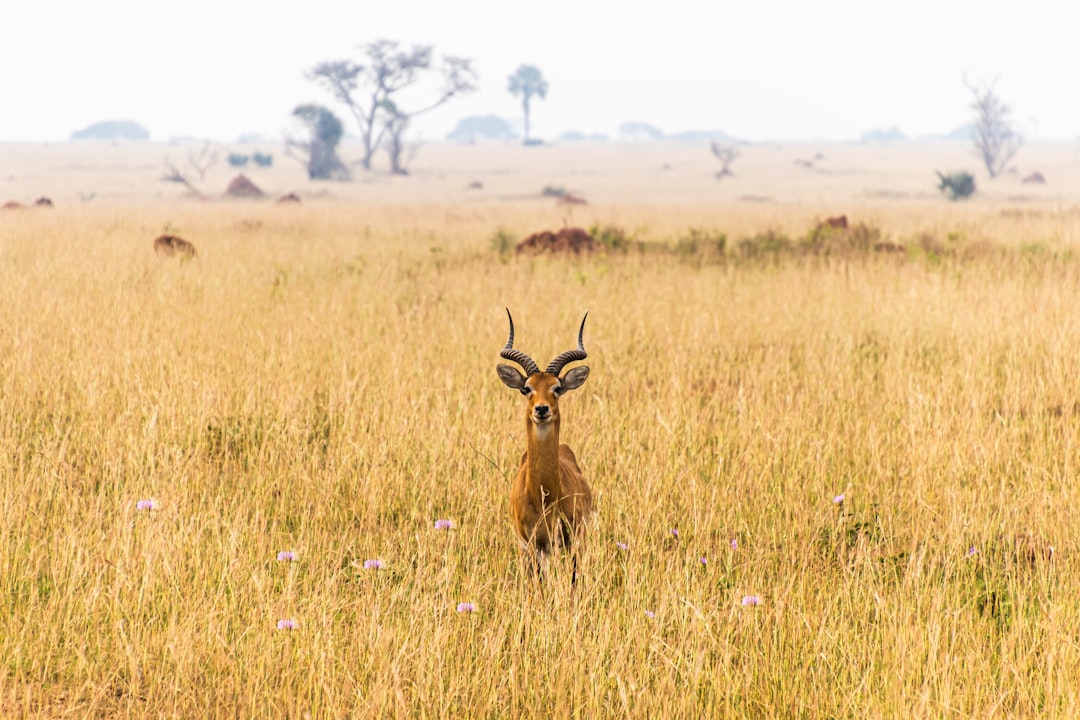
- Wildlife highlights: Mountain gorillas, chimpanzees, rhinos, hippos, crocodiles, giraffes, Uganda kobs, and other antelope.
- Park management: Uganda Wildlife Authority has managed and protected wildlife since 1996.
Introduction: Is Uganda Good for Safari in 2026?
Is Uganda Good for Safari in 2026? Parks, Wildlife & Value is a useful question for anyone comparing East African trips. Uganda combines forest trekking, open savannah, river scenery, and strong primate experiences in one country. The result is a safari that feels different from a classic Kenya or Tanzania route.
Uganda is especially strong for travelers who want more than standard game drives. You can track mountain gorillas, search for chimpanzees, watch hippos beside waterways, and explore savannah parks. However, Uganda requires careful route planning because parks sit across different regions and some journeys take many hours by road.
Quick answer: Uganda is good for safari in 2026 because it offers gorilla trekking, chimpanzee tracking, Big Five viewing, and diverse protected areas. Its listed packages cover short four-day trips and longer nine-day journeys. Choose Uganda when primates and landscape variety matter as much as classic savannah sightings.
This guide explains Uganda’s main strengths, likely costs, park choices, safety questions, and planning steps. It also shows how SafariFind connects travelers with verified tour operators, package details, and authentic traveler reviews.
What Makes Uganda Good for Safari in 2026?
Uganda is good for safari in 2026 because it combines primate trekking with traditional wildlife viewing. Its protected-area network includes 10 national parks and 12 wildlife reserves, according to the supplied park research. This range gives travelers more ways to build a trip around forests, rivers, wetlands, mountains, or grasslands.
Overview of Uganda’s safari appeal
Uganda Wildlife Authority is the government agency responsible for managing and protecting wildlife inside and outside protected areas. The agency has operated since 1996 and works under Uganda’s Ministry of Tourism, Wildlife and Antiquities. This national role matters because park access, conservation rules, ranger systems, and visitor permits all need clear oversight.
Gorilla trekking is Uganda’s best-known experience. Bwindi and other forest areas give visitors a chance to walk with trained trackers and search for mountain gorillas. Chimpanzee tracking adds a second major primate experience, while savannah parks broaden the trip with large mammals and open landscapes.
Uganda’s wildlife mix includes mountain gorillas, chimpanzees, rhinos, hippos, Nile crocodiles, giraffes, Uganda kobs, and other antelope. These sightings create a strong contrast between forest walks and vehicle-based game drives. You can therefore design a trip that feels active, varied, and less repetitive.
Known for: primates, rivers, and varied parks
Uganda is known for mountain gorillas and chimpanzees, but its safari value does not stop with primates. Hippos gather along the Nile and Kazinga Channel, while Murchison Falls National Park is linked with giraffe sightings. Kibale Forest is known for chimpanzee tracking, and Bwindi is linked with mountain gorillas.
Uganda also suits travelers who enjoy birding and nature walks. Forest trails offer a slower pace than a morning game drive. River areas add boat-based viewing and fresh angles for photography. The country’s mix of activities can make a shorter trip feel full without adding many separate destinations.
Why Uganda matters for conservation
African Wildlife Foundation identifies wildlife-friendly enterprises, ecotourism value chains, benefit-sharing, and lower-impact livelihoods as 2026 priorities in Uganda. These priorities show why tourism value matters beyond visitor enjoyment. Well-planned travel can support local businesses and conservation systems when visitors choose responsible operators.
Responsible tourism also means following ranger instructions, keeping distance from animals, and respecting forest rules. Ask operators how they support local communities and conservation work. These questions help you compare more than price alone.
Compare Uganda safari packages by duration, price, and traveler reviews before choosing your route.
Best for: which travelers?
- Primate lovers: Choose Uganda for gorilla and chimpanzee tracking.
- Active travelers: Forest walks add hiking and close nature experiences.
- Photographers: Rivers, forests, wetlands, and savannah create varied scenes.
- Families and couples: Combine game drives with boat trips and lodge stays.
- Repeat safari travelers: Uganda offers a different focus from classic savannah circuits.
Uganda is less suitable for travelers who want a short, simple itinerary focused only on large herds. Road transfers can shape the trip, and gorilla trekking needs advance planning. Still, the country is a strong match when wildlife variety and active experiences rank high.
Image alt suggestion: “Mountain gorilla family in Uganda forest during a guided trek.”
How Much Does a Uganda Safari Cost in 2026?
A Uganda safari costs different amounts based on trip length, trekking permits, lodge level, transport, and park choices. Listed examples show R$6,370 per person for a luxury Uganda safari, R$8,940 for a four-day gorilla and chimpanzee trip, and R$15,366 for a nine-day rhino, gorilla, wildlife, and chimpanzee safari.
Price range: real listed examples
| Name | Price | Duration | Rating | Best For |
|---|---|---|---|---|
| Uganda luxury safari package | R$6,370 per person | Not stated | Not stated | Travelers seeking a higher-comfort safari |
| Gorillas and chimpanzees tracking safari | R$8,940 per person | 4 days | Not stated | Short primate-focused trips |
| Rhinos, gorillas, wildlife, and chimpanzees safari | R$15,366 per person | 9 days | Not stated | Travelers wanting a broad Uganda itinerary |
The prices above are listed examples, not fixed quotes for every departure. They also use Brazilian real, so exchange rates can change the amount in your home currency. Request an itemized quote that shows permits, transport, meals, park fees, lodge nights, and guide services.
What affects the final price?
Gorilla permits can form a large part of the trip budget. The supplied research lists a gorilla permit price of $800, but this figure comes from a commercial safari operator rather than Uganda’s official wildlife authority. Treat it as a published reference and confirm the current 2026 rate before paying.
Trip length also changes value. A four-day itinerary focuses on gorillas and chimpanzees. A nine-day itinerary adds rhinos, wider wildlife viewing, and more travel time. Longer trips cost more, but they can spread transport time across more experiences.
Lodge style creates another major difference. Luxury camps may offer more space, private services, and stronger locations. Mid-range stays can reduce costs while keeping guided activities. Budget trips may use simpler rooms and shared transport. Ask what “luxury” includes before comparing two offers.
How to compare value, not just price
- Check whether the quote includes the gorilla permit.
- Confirm the number of game drives and forest activities.
- Ask if airport transfers and internal transport are included.
- Compare lodge locations, not just room categories.
- Read recent reviews about guides, timing, meals, and vehicle comfort.
SafariFind helps you compare verified operators, package prices, and authentic reviews in one marketplace. Use the package details to spot missing costs, then ask operators direct questions before you book.
Request a quote from verified Uganda safari operators and compare inclusions before setting your 2026 budget.
Is Uganda good value?
Uganda is good value when your priority is a mixed wildlife trip. One journey can combine gorillas, chimpanzees, rhinos, hippos, crocodiles, giraffes, and antelope. The experience may cost more than a simple game-drive holiday, but it includes rare activities that are not part of every safari.
Value also depends on your travel goals. A primate-focused traveler may prefer four days. A first-time visitor may gain more from nine days. Compare both routes before deciding that the lowest price offers the best deal.
Image alt suggestion: “Uganda safari vehicle viewing giraffes near open savannah.”
How Should You Plan a Uganda Safari?
Plan a Uganda safari by choosing your main wildlife goal first, then building a practical route around it. Gorilla trekking, chimpanzee tracking, and classic game drives need different locations and time blocks. Start with the experience that matters most, because it should control your dates, permits, and budget.
Step 1: Choose your main experience
Gorilla trekking is best for travelers who want a guided forest walk and a close primate encounter. Chimpanzee tracking suits visitors who enjoy forest trails and smaller-group wildlife experiences. Game-drive routes suit travelers who want savannah scenery, rhinos, giraffes, hippos, crocodiles, and antelope.
Uganda’s parks are not interchangeable. A forest trek has different demands from a river cruise or savannah drive. Tell your operator how active you want to be. Also share your fitness level, interests, and preferred lodge standard.
Step 2: Match the season to your plans
Dry-season dates are often easier for road travel and outdoor activities, while green-season dates can bring wetter conditions. However, weather changes by region and exact conditions can shift. Read the Uganda safari weather guide for 2026 before choosing dates.
Forest trekking needs flexible clothing and good walking shoes. One 2026 safari source recommends a light raincoat or poncho because rain can occur during outdoor activities. A warm layer also helps during early drives and cool nights.
Step 3: Choose a verified operator
Uganda safari operators differ in guide skill, vehicle quality, route design, and permit handling. A good operator explains what the quote includes. The operator should also answer questions about emergency plans, ranger rules, conservation, and local community support.
Read the guide to Uganda safari companies and verified operators in 2026 before requesting quotes. SafariFind connects travelers with verified tour operators and authentic reviews. This gives you a clearer way to compare service, not just headline price.
Step 4: Check health and safety details
Safety planning starts before you reach the park. Follow official travel advice, use a trusted operator, and listen to rangers during every wildlife activity. Gorilla and chimpanzee treks require strict behavior around animals and forest groups.
Review the detailed Uganda safari safety checks for 2026 before paying a deposit. Ask who manages transfers, how the operator handles delays, and what support you receive if plans change.
Getting there: route and transfer questions
Getting there depends on your selected parks and arrival plan. Ask for a full route map with drive times, nights in each region, and transfer points. A low-cost itinerary can feel tiring if it spends too much time on the road.
Request a day-by-day schedule. It should name each park, activity, lodge area, and transport segment. This simple check makes package comparisons easier and exposes gaps before your trip begins.
Best practices for a responsible trip
- Follow every ranger instruction during gorilla and chimpanzee tracking.
- Keep noise low and never feed wildlife.
- Carry a rain layer, warm top, sturdy shoes, and insect protection.
- Ask how your lodge and operator support local employment.
- Choose a trip length that allows rest between long transfers.
Responsible travel supports the conservation direction described by African Wildlife Foundation for 2026. Wildlife-friendly enterprises and ecotourism value chains can reward local stewardship when tourism money reaches the right places.
Image alt suggestion: “Chimpanzee tracking group walking with a ranger in Uganda forest.”
Key Takeaways
- Choose Uganda for gorillas, chimpanzees, and varied wildlife in one 2026 trip.
- Compare prices from R$6,370, R$8,940, and R$15,366 listed examples before budgeting.
- Confirm permits directly with your operator because the cited $800 gorilla rate comes from a commercial source.
- Build your route around four days for primates or nine days for broader wildlife viewing.
- Pack a rain layer and warm clothing for forest walks, early drives, and changing conditions.
Frequently Asked Questions
Is Uganda good for safari in 2026?
Uganda is good for safari in 2026 because it combines gorilla trekking, chimpanzee tracking, rhino viewing, river wildlife, and savannah game drives. The country offers 10 national parks and 12 wildlife reserves in the supplied research. It suits travelers who want varied activities instead of game drives alone.
How much does a Uganda safari cost in 2026?
A Uganda safari has listed examples from R$6,370 to R$15,366 per person. A four-day gorilla and chimpanzee trip is listed at R$8,940, while a nine-day rhino, gorilla, wildlife, and chimpanzee trip is listed at R$15,366. Request a current itemized quote before booking.
What wildlife can I see on a Uganda safari?
Uganda safari wildlife includes mountain gorillas, chimpanzees, rhinos, hippos, Nile crocodiles, giraffes, Uganda kobs, and other antelope. Your exact sightings depend on the parks, season, guide, and activity. Combine forest tracking with river or savannah viewing for the widest range.
Is gorilla trekking included in every Uganda safari?
Gorilla trekking is not included in every Uganda safari. Some packages focus on game drives, chimpanzees, or luxury lodge stays. Confirm whether your quote includes a gorilla permit, transfers, ranger support, accommodation, and trekking logistics before paying.
When is the best time to visit Uganda for safari?
The best time to visit Uganda for safari depends on your route and activity. Dry-season dates are often easier for roads and outdoor walks, while green-season travel can bring wetter conditions. Check regional weather information and confirm current conditions before finalizing 2026 dates.
How can I book a safe Uganda safari?
Book through a verified operator that explains permits, transport, emergency support, and ranger rules. Read recent traveler reviews and compare what each package includes. SafariFind helps you compare verified Uganda safari packages and request quotes before choosing your 2026 trip.
Conclusion: Should You Choose Uganda?
Uganda is an excellent safari destination in 2026 for travelers who value gorillas, chimpanzees, varied parks, and active wildlife experiences. Its protected-area network is broad, and Uganda Wildlife Authority has managed wildlife protection since 1996. The country also supports conservation goals focused on ecotourism and wildlife-friendly enterprise.
Choose a four-day primate trip if gorillas and chimpanzees are your main goal. Listed pricing places that type of itinerary at R$8,940 per person. Choose a nine-day route if you want rhinos, gorillas, chimpanzees, and wider wildlife viewing. That listed option costs R$15,366 per person.
Plan carefully, confirm permit prices, and compare route times. Read lodge details, check safety steps, and ask what your quote includes. Compare verified safari packages on SafariFind, read authentic reviews, and request a quote from a suitable operator. SafariFind makes it easier to find your perfect safari in 2026.
Plan Your Safari with SafariFind
These recommendations use real data from SafariFind, where you can compare operators, browse packages, and read verified traveler reviews before you book.
Recommended Safari Operators from SafariFind
Recommended Safari Packages from SafariFind
What Travelers Say (SafariFind Reviews)
References
- Uganda Wildlife Authority — Mandate and conservation work
- African Wildlife Foundation — Uganda’s 2025 Conservation Journey: Building the Foundations for 2026
- SafariBookings — 10 Best-Value Luxury Uganda Safari Lodges & Camps
- Beyond the Bucket List — Where to See Wildlife: Uganda’s Best National Parks Ranked
- Pawmac Safaris — Is Uganda Safe for Safari in 2026?
- Naturalist Journeys — 2026 Uganda Wildlife Mammals Safari and Birding Tour
- NextGen Safaris — What to Expect on a Safari in Uganda