Kenya SIM Cards, eSIM, Wi-Fi & Plugs in 2026
Kenya uses Type G plugs, 240V electricity and 50Hz frequency. For safari data, choose a local registered SIM for wider practical coverage and M-Pesa, or install a travel eSIM before departure for quick data on arrival.

For Kenya safari packages, the simplest connectivity plan is usually a travel eSIM for arrival data, plus lodge Wi-Fi when available. A local SIM can make more sense for longer stays, a Kenyan phone number or M-Pesa, but Kenya requires SIM registration against an identity document, normally your passport. Kenya uses Type G electrical outlets, 240V and 50Hz, so most international travellers need a plug adapter and should check whether their chargers support the local voltage.
Last checked September 2026 — always confirm with official sources before travelling. This is informational content, not legal advice. Telecommunications offers, registration procedures, coverage and electrical guidance can change.
Quick answer: what should safari travellers arrange?
Install a small travel eSIM before flying if you want maps, messages and ride-hailing as soon as you land. Buy a local SIM from an operator shop if you need a Kenyan number, local calling or M-Pesa. For a safari, do not assume that a strong signal in Nairobi will continue inside every conservancy or national park. Coverage depends on the network, camp and route.
- Best for immediate data: A Kenya travel eSIM installed before departure. Most travel eSIMs are data-only, so they usually do not provide a local Kenyan number or direct access to M-Pesa.
- Best for a local number and M-Pesa: A registered physical SIM from Safaricom or another Kenyan operator. Bring your passport for registration.
- Best network choice for remote safari areas: Safaricom is generally reported to have the broadest reach, while Airtel can offer cheaper data in cities and busy tourist areas. Check the exact coverage for your route before buying.
- Wi-Fi: Many lodges have Wi-Fi, but its quality can vary with the camp's location, generator and connection. Treat it as useful rather than guaranteed.
- Electricity: Kenya uses Type G plugs, 240V and 50Hz. Pack a Type G adapter. A plug adapter changes the shape of the connection, not the voltage.
Which networks work in Kenya and in the parks?
Kenya's main mobile operators for travellers include Safaricom, Airtel and Telkom Kenya. Faiba is another smaller provider, but its coverage and refill arrangements may be less convenient for visitors who need dependable service outside major towns.
Safaricom is the practical first choice for many safari itineraries because travel sources describe it as having the widest reach, including many national parks and remote conservancies. Airtel often competes on data pricing and works well in cities and established tourist areas, but its coverage can be thinner in deeper bush. These are broad comparisons, not a promise of signal at a particular camp.
Coverage can change quickly as a vehicle leaves Nairobi, crosses the Rift Valley or enters a conservancy. Signal in the Maasai Mara depends on the camp's position and the surrounding terrain. The same applies to Amboseli, Samburu and other remote safari areas. Ask your safari operator or camp for a current local view before relying on mobile data for navigation or work.
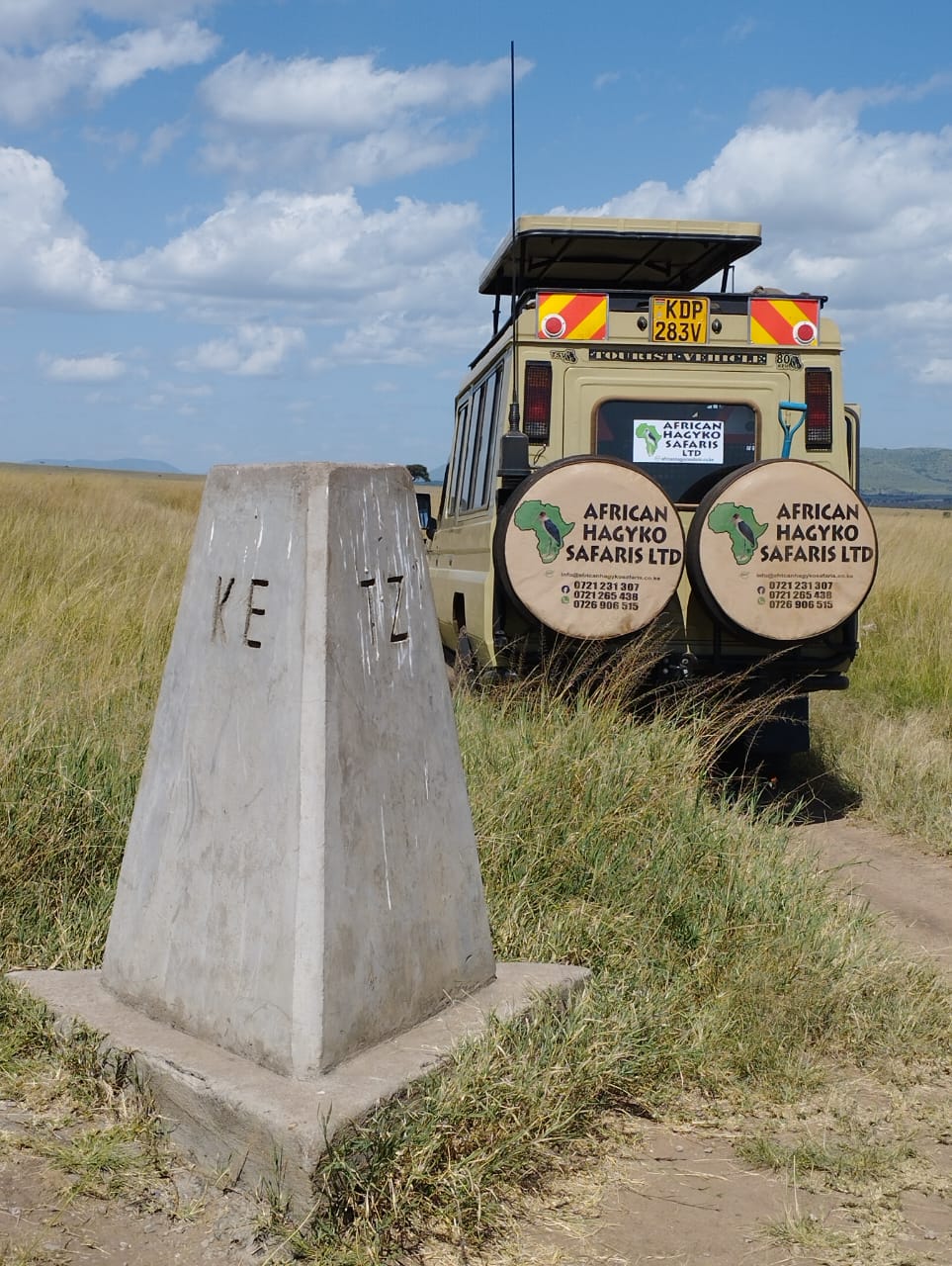
An eSIM may connect through a Kenyan partner network, but the available network depends on the eSIM provider's agreement. Read the plan's coverage list before purchase. A plan that covers Kenya does not automatically cover Tanzania, so check the countries included if your itinerary crosses the border.
If you are flying between camps, check airport and transfer arrangements as part of your wider plan. The guide to getting around Kenya by safari transport can help you think through road transfers, domestic flights and where you are likely to need offline maps.
How do you get a SIM card in Kenya?
You can get a SIM card in Kenya at an airport kiosk, an official operator shop or an authorised retailer. Sources specifically identify Safaricom and Airtel outlets at Jomo Kenyatta International Airport in Nairobi and Moi International Airport in Mombasa, as well as official shops in Nairobi, Mombasa and other centres.
The airport is convenient, but it may be busy after an international arrival. A shop in town may give you more time to compare bundles and ask questions. Use an official operator shop when possible, particularly because the registration process requires your identity document to be recorded correctly.
What documents do you need?
You should bring your passport. Kenya requires SIM registration against an identity document, and travel guidance says that staff register the SIM during purchase. Keep the receipt, SIM packaging and any registration message until you have left Kenya. If a seller suggests skipping registration, use another outlet instead.
Ask the staff to demonstrate the SIM, confirm the number, explain the data bundle and show you how to check the remaining balance. If you replace your home SIM, store it safely and make sure your phone is unlocked before leaving home.
How much is a Kenya SIM card?
The research does not provide a reliable current nationwide price for a standard tourist SIM, so confirm the current SIM and data-bundle fee at the official Safaricom, Airtel or Telkom outlet when you arrive. Airport prices, shop prices, included data and promotional bundles can differ.
| Purchase | What the research supports | What to confirm |
|---|---|---|
| Safaricom SIM | Safaricom is widely used and is commonly recommended for broad safari coverage. | Current SIM price, tourist bundle, validity and network coverage for your route. |
| Airtel SIM | Airtel often offers cheaper data bundles and works well in cities and busy tourist zones. | Current SIM price, bundle price, expiry and coverage at your camps. |
| Telkom SIM | Telkom is listed among Kenya's major operators. | Current tourist availability, SIM fee, data price and coverage. |
| Faiba SIM | Faiba can offer lower-cost data, but sources describe more limited coverage and less convenient refilling for visitors. | Current SIM price, coverage, refill method and whether it suits your safari route. |
For budgeting, do not rely on an old online price list. Ask for the total cost before payment and check how long the data remains valid. The same advice applies if you are asking how much a Faiba SIM card, Safaricom SIM card or Airtel SIM card costs in Kenya. The current official shop price is the figure to use.
If by “fiber SIM card” you mean Faiba, confirm the current Faiba price and availability directly with Faiba. The research does not establish a separate product called a “fiber SIM card” in Kenya.
What are the Kenya eSIM options in 2026?
A Kenya travel eSIM lets you download a data plan before departure and activate it when you arrive. This avoids a physical SIM swap and can provide immediate data for airport transfers, messages and maps.
Travel eSIM plans vary widely. The research lists examples ranging from short one-day plans to 30-day plans, with both fixed-data and unlimited options. Published examples include Kenya plans priced at US$35.25 for five days, US$47.75 for seven days, US$64.25 for ten days, US$90.75 for 15 days and US$169.50 for 30 days from one provider, but these are provider-specific prices and may change.
Other comparison sources list lower-cost plans and note that unlimited products may apply fair-use rules or reduce speed after a high-speed allowance. Check the provider's current terms before paying, especially if you plan to hotspot, work remotely or upload video from camp.
- Confirm that your phone supports eSIM and is carrier-unlocked.
- Install the eSIM while you have reliable Wi-Fi, but follow the provider's instructions about when validity begins.
- Set the travel eSIM as the mobile-data line after landing.
- Turn off data roaming on your home SIM to avoid accidental charges.
- Check whether the plan supports hotspot use, calls and SMS. Many travel eSIMs are data-only.
A travel eSIM may not be the right choice if you need M-Pesa or a Kenyan number. M-Pesa access is tied to local mobile services and registration, so confirm the current requirements with the operator before depending on it for payments. For advice on cash, cards and mobile payments, see money in Kenya, including currency, cards, ATMs and tipping.
What Wi-Fi can you expect at lodges and camps?
Safari lodges and camps may offer Wi-Fi, but availability and quality vary. Some properties have usable Wi-Fi near reception, while others have a weak connection that depends on the camp's location, generator and network equipment.
Do not plan a full workday, large cloud backup or uninterrupted video calls around lodge Wi-Fi unless the property confirms those services. Download maps, booking details, translation tools and important documents before leaving the city. Send messages when you have a connection instead of waiting until you reach a remote camp.
Wi-Fi can also be busiest in communal areas during morning and evening downtime. A small eSIM data allowance gives you a backup for messages and maps, while the lodge connection handles larger tasks when it works. That combination is more realistic than expecting continuous high-speed service across the reserve.
What plug type does Kenya use?
Kenya uses Type G plugs and sockets, with three rectangular pins arranged in a triangular pattern. The standard supply is 240V at 50Hz.
Travellers from the United Kingdom will find Kenya's Type G plug arrangement familiar, so a UK plug normally fits the Kenyan socket. Travellers from the United States, Canada and countries using Type A, B or many Type C plugs need a Type G travel adapter.
| Question | Answer |
|---|---|
| What type of plug is used in Kenya? | Type G. |
| What plugs are used in Kenya? | Type G plugs and sockets. |
| What plug sockets are used in Kenya? | Type G wall sockets, with 240V and 50Hz supply. |
| Is the Kenya plug the same as the UK? | Yes. Kenya and the UK use Type G plugs, although you should still check your device's voltage rating. |
What adapter do you need for Kenya?
You need a Type G travel adapter if your device has a different plug shape. A plug adapter lets the plug fit the socket, but it does not convert 240V electricity to another voltage.
Phone, camera and laptop chargers often show an input range such as 100-240V and 50/60Hz. If yours does, a Type G adapter should be enough for the plug connection. Check the label before use. A device designed only for 100-120V needs a suitable voltage converter or transformer, and plugging a 120V-only appliance directly into a 240V outlet can be dangerous.
Hair dryers, straighteners and other high-wattage appliances deserve extra care. A small USB-C charger is easier to use at camp than a high-power styling appliance, especially where a lodge has limited generator capacity. Bring a multi-port adapter if you need to charge a phone, camera batteries and a laptop at the same time, but do not exceed the adapter's rating.
How can you stay connected on a Kenya safari?
- Save your operator, lodge and transfer contacts offline before departure.
- Download offline maps for Nairobi, your transfer roads and the safari areas on your itinerary.
- Carry a power bank for long drives and flights between camps.
- Keep your passport and SIM packaging available until registration is complete.
- Ask your operator which network works best at each camp. The answer may differ between two properties in the same wider region.
- Use airplane mode when you do not need a signal, then enable the travel eSIM or local SIM when required.
- Do not depend on a single connection for emergency planning. A local number, lodge contact and offline itinerary are useful when mobile service disappears.
Connectivity should be part of safari preparation, but it should not dictate the whole trip. Decide whether you need M-Pesa, a local number, hotspot data or only occasional maps. That choice will tell you whether a registered physical SIM, a travel eSIM or both make sense.
Planning your Kenya safari
Before booking, ask the operator which camps have Wi-Fi, where mobile coverage is usually available and whether airport transfers can help with a local SIM. Compare the trips below, then request quotes from the verified operators below so you can match the route with the practical details that matter to you.
Frequently Asked Questions
How much is Kenya SIM card?
The research does not establish a reliable current nationwide price for a Kenya SIM card, so confirm the SIM and data-bundle fee at an official Safaricom, Airtel or Telkom outlet. Airport and town prices may differ, and the included data and validity depend on the bundle.
How do you get a SIM card in Kenya?
You can get a SIM card at an airport kiosk, official operator shop or authorised retailer, using your passport for registration. Safaricom and Airtel outlets are reported at Nairobi's Jomo Kenyatta International Airport and Mombasa's Moi International Airport.
How do you get a Kenya SIM card?
Buy one from an official Safaricom, Airtel or Telkom outlet and have it registered against your passport. Ask the staff to confirm the number, data bundle, validity and balance-check method before leaving.
How much is a Safaricom SIM card in Kenya?
Confirm the current Safaricom SIM price and tourist bundle at an official Safaricom shop because the research does not support a current nationwide figure. Also check the data allowance, expiry date and coverage for your safari route.
How much is an Airtel SIM card in Kenya?
Confirm the current Airtel SIM price and bundle at an official Airtel outlet because the research does not provide a dependable current figure. Airtel is often described as competitive on data in cities and busy tourist areas.
How much is a Faiba SIM card in Kenya?
Confirm the current Faiba SIM price directly with Faiba because the research does not provide a current standard fee. Faiba may offer lower-cost data, but its coverage and refill process can be less convenient for visitors.
How much is a fiber SIM card in Kenya?
If you mean a Faiba SIM card, confirm the current Faiba price and availability with Faiba. The research does not establish a separate Kenyan product called a fiber SIM card.
What type of plug is used in Kenya?
Kenya uses Type G plugs and sockets, with 240V electricity at 50Hz. Travellers whose plugs differ from Type G need a Type G adapter.
What plug type does Kenya use?
Kenya uses Type G. The sockets have three rectangular pins in a triangular arrangement, and the supply is 240V at 50Hz.
What adapter do I need for Kenya?
You need a Type G travel adapter if your device has another plug shape. The adapter changes the plug shape only, so check that the device supports 240V or use an appropriate converter for a 100-120V-only appliance.
What plugs are used in Kenya?
Kenya uses Type G plugs. This is the same basic plug type used in the United Kingdom, but travellers should still check the voltage rating of each device.
V2Ui.sources
- Best Kenya eSIM 2026, Reliable Connectivity from Nairobi to the Maasai Mara
- eSIM for Nairobi - Plans, Prices, Discounts 2026
- The 7 Best Prepaid eSIM Plans in Kenya (July 2026) + Discounts
- Kenya SIM Card for Tourists: eSIM and Data Guide for Safari
- Best Kenya SIM cards for Travelers
- Kenya power adapters - what plugs are used?
- Electrical Outlets & Power Plugs in Kenya | Plug Types, Voltage & Adapters
- Travel Adapter for Kenya & Kenyan Plug Type
- Outlets Kenya, do I need an adapter?
- Best Travel eSIM for Africa in 2026: What Actually Works by Region
Related to
Ready to start your safari adventure?
Explore curated safari packages and find your perfect African adventure with verified operators.