Kenya Visa for Singaporean Citizens 2026 — eTA Guide
Singaporean citizens do not need a visa or eTA to enter Kenya for stays up to 90 days as of July 2025. Passport validity of 6 months is required; yellow fever vaccination may be needed depending on your travel history.

Do Singaporean Citizens Need a Visa for Kenya?
No. As of 1 July 2025, Singapore passport holders are exempt from obtaining an electronic Travel Authorisation (eTA) before travelling to Kenya for a period not exceeding ninety (90) days. This exemption applies to leisure, business, and transit travel. Passengers only transiting through Kenya are also exempt.
However, immigration requirements can change at short notice. Always confirm the latest entry requirements on the official Kenya eTA portal before you travel, and consult the Singapore Ministry of Foreign Affairs (MFA) Kenya travel page for the most current advisory.
Visa Exemption: What This Means for You
Singapore is listed among the Category 1 countries that are nationally exempted from obtaining a visa to enter Kenya. This is a formal exemption under Kenya's immigration regulations, not a temporary waiver.
- Valid for: Tourism, business, family visits, and transit (up to 90 days per visit)
- Entry requirement: Valid passport only (no eTA application or fees required)
- Re-entry: You may re-enter Kenya within the same visit if you travel to neighbouring East African Community countries (Tanzania, Uganda, Rwanda, Burundi, DRC, South Sudan) provided your passport remains valid.
- No visa on arrival: Kenya no longer issues visas on arrival at any port of entry.
Passport & Documentation Requirements
Although no eTA is required, you must meet these entry conditions:
- Passport validity: At least six (6) months validity from your expected date of departure from Kenya. Your passport must have at least one blank page for immigration stamps.
- Return or onward ticket: Proof of a return flight or onward travel (airlines may check this at check-in).
- Proof of accommodation: Hotel booking confirmation or invitation letter if staying with friends or family.
- Funds: Evidence of sufficient funds to support your stay.
- Yellow fever vaccination certificate: Required if you are arriving from or have recently visited yellow fever endemic countries. Non-residents without a valid certificate are liable to be quarantined for six days at a designated government facility.
- Malaria precautions: Malaria and other mosquito-borne diseases are prevalent in certain areas. See your doctor for advice on appropriate vaccinations before you travel.
Health & Vaccination Rules
Before booking your safari, consult a travel health clinic at least 4–6 weeks in advance. For detailed guidance tailored to your itinerary, see SafariFind's health requirements article (requirements are similar across nationalities).
- Yellow fever: Mandatory certificate if arriving from endemic zones (parts of sub-Saharan Africa, South America, or Asia). Refusal to quarantine results in denial of entry into Kenya.
- Malaria: Prophylaxis recommended for most safari regions. Consult your doctor on chloroquine, artemether, or other suitable regimens.
- Routine immunisations: Ensure tetanus, typhoid, hepatitis A/B, and polio are current.
- Other considerations: Dengue, chikungunya, and other vector-borne illnesses circulate in Kenya; insect bite prevention is essential.
What Happens at Immigration on Arrival
When you arrive at a Kenyan port of entry (Jomo Kenyatta International Airport in Nairobi, Mombasa, or land borders), immigration officers will:
- Check your passport validity (minimum 6 months remaining).
- Review your return/onward ticket and accommodation proof.
- Verify your yellow fever vaccination status if applicable.
- Determine the duration of your stay (typically up to 90 days for tourists).
- Stamp your passport with an entry stamp and authorised stay period.
Because you are visa-exempt, the process is faster than for visa-requiring nationalities. There is no visa application form to present or eTA printout to carry. Your passport and supporting documents are sufficient.
Can You Extend Your Stay or Work in Kenya?
The visa exemption is for short-term visits only (tourism, business, family visits). It does not permit employment, residence, or long-term stays.
- Extension: If you wish to stay longer than 90 days, you must apply for a residence permit or work permit through the Directorate of Immigration Services before your exemption expires. Extensions are not automatic and require formal application with supporting documentation (employment contract, company sponsorship, etc.).
- Work permit: If you are employed by a Kenyan company or international organisation, your employer must sponsor a work permit application. Tourist or business visas do not permit paid employment.
- Student visas: Students admitted to Kenyan institutions must obtain a student pass through their school.
Transit Through Kenya
If you are transiting through Kenya (arriving and departing on the same or connecting flights without leaving the airport precinct), you do not require an eTA or visa. However:
- You must remain in the transit area of the airport.
- If you leave the airport, you are considered to have entered Kenya and must comply with all entry requirements.
- Ensure your onward flight is confirmed and your travel documents are in order.
Common Mistakes & Why Applications Are Refused
Although Singaporean citizens are visa-exempt, immigration officers may deny entry if:
- Passport is invalid or expires within 6 months: This is the most common reason. Check your passport expiry date before booking flights.
- Yellow fever certificate is missing or invalid: If you have visited endemic countries, the certificate must be presented. Travellers without one may be quarantined or denied entry.
- No proof of return/onward travel: Airlines may not allow boarding; immigration may question your intent to leave.
- No accommodation booking: While not always checked, having a hotel confirmation or invitation letter strengthens your case.
- Insufficient funds: Officers may ask for proof of financial means. A credit card statement or bank balance screenshot is usually acceptable.
- Criminal record or previous deportation: Kenya may refuse entry if you have been deported or have a criminal history. Declare any prior issues to immigration if asked.
- Overstaying on a previous visit: If you exceeded your authorised stay on a prior trip, you may be denied re-entry or face fines.
Overstaying: Penalties & Consequences
If you remain in Kenya beyond the date stamped in your passport:
- Fine: Approximately KES 5,000–50,000 (USD 40–400) per day of overstay, depending on the period and circumstances.
- Deportation: Serious or repeated overstays may result in deportation and a ban from re-entering Kenya.
- Future travel: Overstay records may affect visa applications to other countries.
- Exit clearance: Before leaving, you must pay any outstanding fines at immigration or risk being stopped at the airport.
If you realise you will overstay, visit the Directorate of Immigration Services in Nairobi (Nyayo House, Ground floor) or contact them at info@immigration.go.ke or +254 202 222 022 to discuss options.
Planning Your Safari: What Comes Next
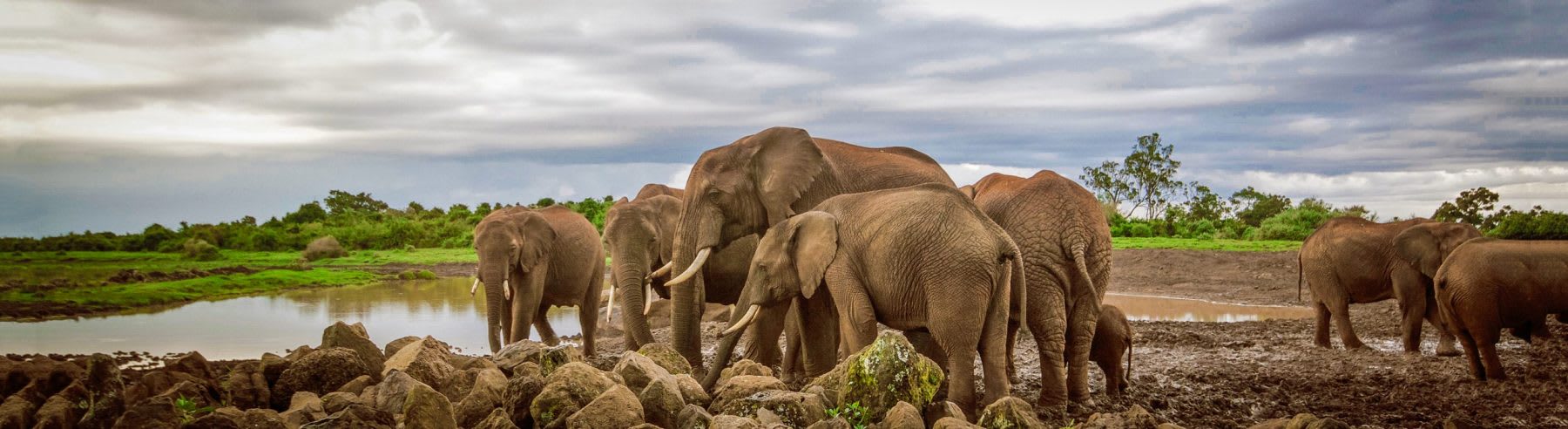
Once you've confirmed your visa exemption and sorted health requirements, you can focus on booking your safari experience. Kenya offers world-class wildlife viewing across multiple ecosystems—from the Maasai Mara's wildebeest migration to Amboseli's elephant herds and Tsavo's remote wilderness.
When choosing your safari, consider:
- Safari season: Dry seasons (June–October, January–February) offer the best game viewing and accessibility.
- Duration: 3–5 days allows time for meaningful wildlife encounters; 7+ days covers multiple parks.
- Accommodation style: Options range from budget camping to luxury lodges with premium amenities.
- Guided experience: Professional guides significantly enhance your understanding of wildlife behaviour and conservation.
SafariFind allows you to compare safari packages, lodge reviews, and operator credentials in one place, making it easier to find the right fit for your budget and interests.
Conservation & Responsible Travel
Kenya's wildlife is a shared global resource. As a visitor, you play a role in its protection. Learn about the human–wildlife conflict challenges and conservation programmes working to protect Kenya's iconic species. Choose operators committed to sustainable practices, respect wildlife distances, and follow your guide's instructions.
Official Contacts & Resources
- Kenya eTA Portal: etakenya.go.ke (for information, though no application needed for Singaporeans)
- Directorate of Immigration Services: immigration.go.ke
- eCitizen Portal: immigration.ecitizen.go.ke (for visa queries and other immigration services)
- Singapore MFA Kenya Travel Page: mfa.gov.sg
- Immigration Contact: +254 110-922062, +254 110-922063, +254 110-922064 (eTA support)
- Email: etakenya@immigration.go.ke or info@immigration.go.ke
- Nairobi Office: Nyayo House, Ground Floor, Nairobi (for in-person queries)
 Ask Tembo about this guide
Frequently Asked Questions
Last checked July 2026 — always confirm with official sources before travelling.
Frequently Asked Questions
Do Singaporean citizens need a visa for Kenya?
No. Singaporean citizens do not need a visa or eTA to enter Kenya for stays up to 90 days, as of 1 July 2025. You only need a valid passport with at least 6 months validity remaining. However, always check the official Kenya eTA portal and Singapore MFA website before travel, as requirements can change.
What is the difference between a visa and an eTA?
A visa is a formal permission document issued by a country's government, typically requiring an application and interview. An eTA (electronic Travel Authorisation) is a pre-travel electronic approval system, faster and simpler than a visa. Singapore is exempt from both—you need neither a visa nor an eTA to enter Kenya.
How long is a Singapore passport valid for entry to Kenya?
Your Singapore passport must be valid for at least 6 months from your expected date of departure from Kenya. For example, if you plan to leave Kenya on 15 December 2026, your passport must not expire before 15 June 2026. Check your passport expiry date before booking flights.
Do I need a yellow fever vaccination to enter Kenya?
A yellow fever vaccination certificate is required only if you are arriving from or have recently visited countries with yellow fever transmission risk (parts of sub-Saharan Africa, South America, or Asia). If you do not have a valid certificate and are from an endemic zone, you may be quarantined for 6 days at a government facility. Consult your doctor or a travel clinic to confirm if you need it based on your travel history.
What documents do I need to bring when entering Kenya?
Bring your valid passport, return or onward flight ticket, and proof of accommodation (hotel booking or invitation letter). Yellow fever vaccination certificate if applicable. Immigration officers may also ask for proof of sufficient funds (credit card or bank statement). Keep originals and copies of all documents.
Can I work or study in Kenya on a visa exemption?
No. The visa exemption permits tourism, business visits, and family visits only—not employment or study. If you are employed or enrolled in a Kenyan institution, your employer or school must sponsor a work permit or student pass application before you arrive.
What happens if I overstay my 90-day visit?
Overstaying incurs a fine of approximately KES 5,000–50,000 (USD 40–400) per day. Serious overstays may result in deportation and a ban from re-entering Kenya. You must pay any outstanding fines before leaving at the airport. Contact immigration immediately if you realise you will overstay: info@immigration.go.ke or +254 202 222 022.
Can I extend my stay beyond 90 days?
The visa exemption does not automatically extend. To stay longer, you must apply for a residence permit through the Directorate of Immigration Services before your 90 days expire. This requires formal documentation (employment contract, sponsorship letter, etc.). Extensions are not guaranteed and must be approved by immigration authorities.
Do children need a visa or eTA to enter Kenya?
Children travelling with parents are visa-exempt if they hold valid Singapore passports and meet the same 6-month validity requirement. Children under 16 accompanying their parents are exempt from visa fees (if a visa were required), but each child must have their own valid passport and entry documentation.
I am transiting through Kenya. Do I need a visa or eTA?
No. If you are only transiting through Kenya (arriving and departing on the same or connecting flights without leaving the airport), you do not require a visa or eTA. However, if you leave the airport precinct, you are considered to have entered Kenya and must comply with all entry requirements.
Where can I find the latest visa and entry requirements?
Check the official Kenya eTA portal at etakenya.go.ke, the Directorate of Immigration Services at immigration.go.ke, and the Singapore MFA Kenya travel page at mfa.gov.sg. Requirements can change at short notice, so always verify before booking your trip.
What should I do if my passport expires soon?
If your passport expires within 6 months, renew it before booking your Kenya trip. You can apply for a Singapore ePassport at ICA offices. Processing typically takes 4 weeks for standard applications. Check the ICA website for current fees and processing times.
Sources
- Kenya | Ministry of Foreign Affairs (Singapore)(official)
- eCitizen - Gateway to All Government Services (Category 1 Exemption List)(official)
- Kenya e-Visa Guide 2026(official)
- How to Apply · Kenya Electronic Travel Authorization (eTA)(official)
- Electronic Travel Authorization (eTA) — Kenya Embassy DC(official)
Related to
Ready to start your safari adventure?
Explore curated safari packages and find your perfect African adventure with verified operators.