Kenya vs Tanzania Safari: Which East Africa Destination Costs Less in 2026
Kenya safaris cost about $300 per day versus Tanzania's $350 per day for budget options in 2026. Both destinations offer incredible wildlife viewing, but Kenya edges out Tanzania on price. Compare ver

Kenya vs Tanzania Safari: Which Costs Less in 2026
Kenya safaris cost about $300 per day versus Tanzania's $350 per day for budget options in 2026. Both destinations offer incredible wildlife viewing, but Kenya edges out Tanzania on price. Compare verified safari packages on SafariFind to find the best deal for your budget and travel dates.
Introduction: East Africa Safari Costs Compared
Kenya and Tanzania safari costs differ more than most travelers realize, with Kenya generally offering better value in 2026. Both countries deliver world-class wildlife experiences, but your budget matters when choosing between them.
Kenya offers private budget safaris starting at $300 per person per day, while Tanzania begins around $350 per day.[3] This 50-dollar difference adds up quickly on longer trips. A 7-day safari in Kenya might cost $2,100, but the same experience in Tanzania could run $2,450. However, both destinations have luxury options exceeding $1,500 per day.
The right choice depends on your budget, travel dates, and wildlife priorities. This guide breaks down real costs for 2026 so you can decide which destination saves you money.
What Are the Real Daily Costs for Kenya Safaris?
Kenya safari costs vary by accommodation type and travel style. Budget safaris in Kenya start at $300 per person per day, while mid-range options run $400-$800 daily. Luxury safaris exceed $800 per day.[4]
Budget safaris in Kenya use camping and group tours. You'll stay in basic tents or hostels and share safari vehicles with other travelers. Mid-range safaris put you in comfortable lodges with private vehicles and experienced guides. Luxury safaris mean high-end camps, personalized service, and premium locations.
Kenya's Maasai Mara is the most expensive park to visit. Park entry fees run higher during peak season (July-October). However, shoulder seasons (January-February and June) offer 30-50% lower prices.[8] The Great Migration happens July to October, drawing massive crowds and inflating costs.
International flights to Kenya typically cost around $600 per person from North America.[6] Nairobi is a major hub with competitive airfare. This makes Kenya accessible for budget travelers compared to more remote African destinations.
How Much Do Tanzania Safaris Cost in 2026?
Tanzania safari costs range from $200-$400 per day for budget trips, $400-$800 for mid-range, and $800-$1,500+ for luxury experiences.[5] Tanzania is slightly pricier than Kenya but offers exceptional value for the wildlife you'll see.
Budget safaris in Tanzania use camping and group vehicles, similar to Kenya. Mid-range safaris provide lodge stays with private guides. Luxury safaris feature premium camps in remote locations like the Serengeti and Ngorongoro Crater. A 5-day mid-range Tanzania safari typically costs around $2,500.[4]
The Serengeti National Park hosts the famous Great Migration from July to October, when 1.5 million wildebeest cross the landscape. This peak season drives prices up 30-50% compared to shoulder months. Visiting in January-February or June lets you see the same wildlife at lower rates.
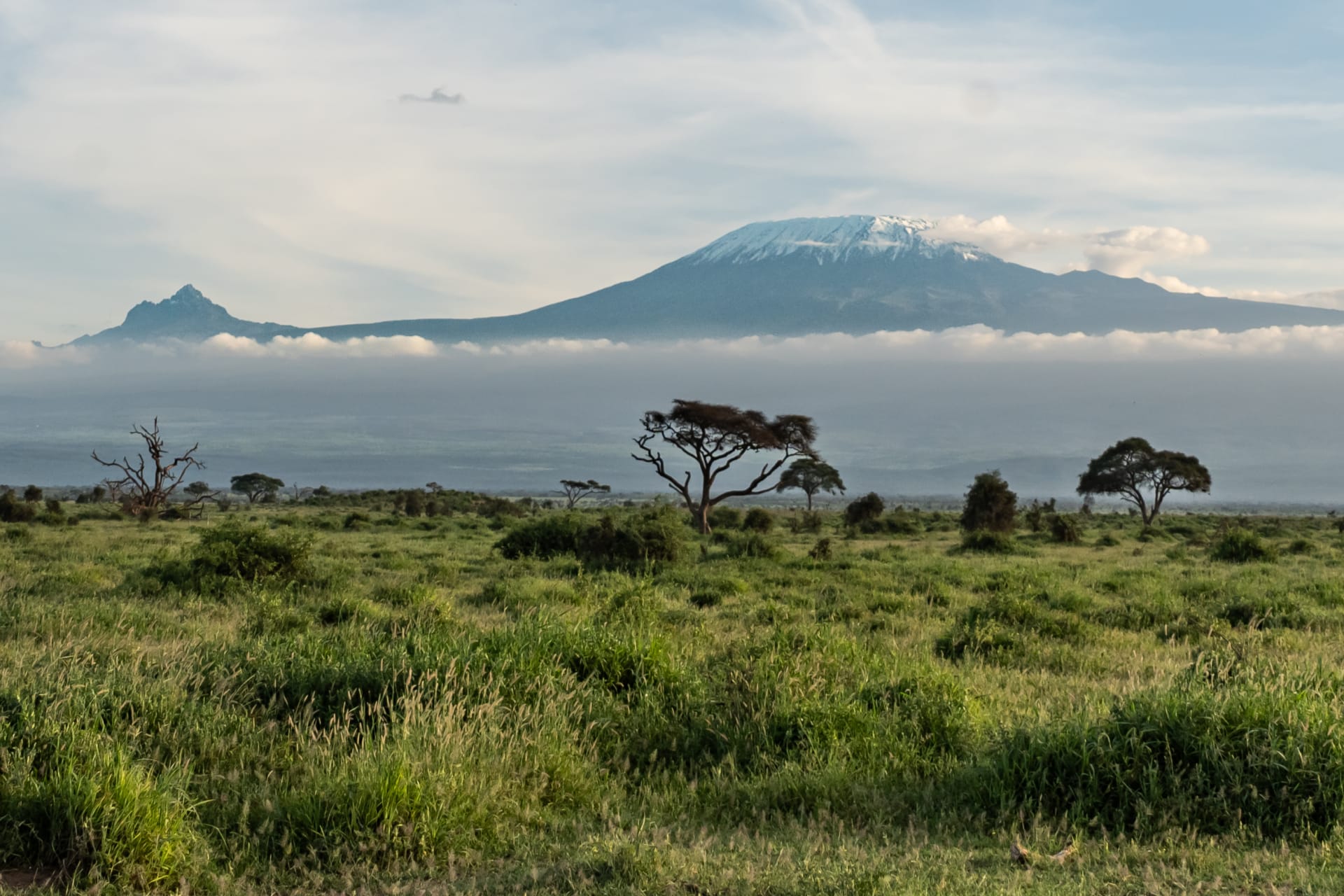
Tanzania's Kilimanjaro and Zanzibar add options beyond safaris. Many travelers combine safari with a beach vacation or mountain climb. This flexibility makes Tanzania appealing even if daily safari costs run slightly higher than Kenya's.
Kenya vs Tanzania: Direct Price Comparison
Here's how Kenya and Tanzania stack up across different safari styles in 2026:
Safari Type Kenya Cost/Day Tanzania Cost/Day Best For Budget Safari $300 $350 Backpackers, group tours Mid-Range Safari $400-$800 $400-$800 Families, comfort seekers Luxury Safari $800+ $800-$1,500+ Premium experience, high-end lodges Ultra-Luxury (15 days) $12,000-$18,000+ $12,000-$18,000+ Exclusive camps, personalized service
Kenya wins on budget safaris with lower daily rates. Mid-range prices are nearly identical between the two countries. Luxury options converge at similar price points, making the choice about destination preference rather than cost.
When Should You Visit to Save Money?
Timing your safari matters more than choosing Kenya or Tanzania. Peak season (July-October) costs 30-50% more than shoulder seasons in both countries.[8] Visiting during shoulder months saves significant money.
January and February offer lower prices and excellent wildlife viewing. The dry season brings animals to water sources, making them easier to spot. February is particularly quiet, with fewer tourists and better value. You'll enjoy more personal attention from guides and less crowded safari vehicles.
June is an underrated month for savings. The Great Migration hasn't peaked yet, so lodges offer discounts. July through October sees peak migration activity and peak prices. If you must visit during peak season, book 3-6 months ahead to lock in better rates.
November and December fall between shoulder and peak seasons. Prices are moderate, and wildlife viewing remains excellent. December attracts holiday travelers, so book early. These months offer a good balance between cost and experience.
What's Included in Safari Prices?
Safari daily rates typically include accommodation, meals, and game drives. However, some costs aren't always included. Understanding what's covered helps you budget accurately.
Most safari packages include your lodge or camp stay, three meals daily, and multiple game drives. Park entry fees are usually included for budget and mid-range safaris. Drinking water and basic beverages are typically provided. Guides and vehicles are standard in the quoted price.
What's often NOT included: international flights, travel insurance, tips for guides and staff, alcoholic beverages, and activities outside game drives. Some camps charge extra for hot air balloon rides, walking safaris, or special experiences. Ask tour operators specifically what their quoted price covers before booking.
Budget an extra 10-15% for tips, souvenirs, and incidental expenses. This ensures you're not caught short during your trip. SafariFind's verified operators list what's included in their packages, so you know exactly what to expect before you book.
Which Destination Offers Better Value for Money?
Kenya edges out Tanzania on price, especially for budget safaris. The $50-per-day difference adds up on week-long trips. However, "better value" depends on what you want to see and experience.
Kenya's Maasai Mara rivals Tanzania's Serengeti for wildlife viewing. Both host the Great Migration, though the Mara's crossing is more predictable. Kenya offers easier logistics, with Nairobi as a major international hub. This accessibility often means cheaper flights and simpler travel arrangements.
Tanzania offers unique experiences Kenya doesn't. Mount Kilimanjaro, Zanzibar's beaches, and the Ngorongoro Crater add variety beyond safaris. If you want to combine safari with mountain climbing or beach time, Tanzania provides everything in one country. This flexibility might justify slightly higher daily safari costs.
For pure safari value, Kenya wins in 2026. For diverse experiences, Tanzania offers more options. Your choice depends on whether you prioritize lowest price or diverse activities during your African adventure.
How to Find the Best Safari Deals in 2026
Smart shopping saves thousands on East African safaris. Use these tactics to find the best prices for Kenya or Tanzania.
Travel during shoulder seasons (January-February, June) for automatic discounts. Tour operators reduce prices when demand drops. You'll enjoy better service with fewer tourists and more personal attention from guides. This strategy works equally well in Kenya and Tanzania.
Book 3-6 months in advance for better rates on peak season travel. Early booking often includes 10-15% discounts. Tour operators lock in better prices when they have advance notice. Last-minute bookings rarely offer savings in 2026.
Compare verified operators on SafariFind to find competitive pricing. Read authentic reviews from past travelers to understand what each operator delivers. Request quotes from multiple operators and negotiate. Many will match or beat competitors' prices to earn your business.
Join group tours instead of private safaris to split costs. Group tours cost 30-40% less than private vehicles. You'll meet other travelers and share the experience. Budget safaris typically use group tours, while luxury options are usually private.
Practical Tips for Booking Your Safari
Booking a Kenya or Tanzania safari involves several steps. Planning ahead prevents surprises and ensures better prices.
First, decide your budget and travel dates. Use this guide's pricing information to set realistic expectations. Budget $300-400 per day minimum for basic safaris, $600-800 for comfort, and $1,000+ for luxury. Add flight costs and travel insurance to your total budget.
Next, research tour operators on SafariFind. Read reviews from verified travelers who've used each operator. Check their ratings, review counts, and specific feedback about wildlife viewing, guide quality, and value. This research prevents booking with unreliable companies.
Request quotes from at least three operators. Provide your dates, budget, and preferences. Compare what's included in each quote. Some operators include flights or transfers; others don't. Clarify exactly what you're paying for before committing.
Ask about payment schedules and cancellation policies. Most operators require a deposit (usually 25-50% of the total cost) to confirm your booking. Understand refund terms in case plans change. Travel insurance protects your investment if emergencies arise.
What Wildlife Can You See in Kenya vs Tanzania?
Both countries offer incredible wildlife viewing, but with slight differences. The Big Five (lion, elephant, buffalo, leopard, rhino) live in both Kenya and Tanzania. However, wildlife density and viewing opportunities vary by location.
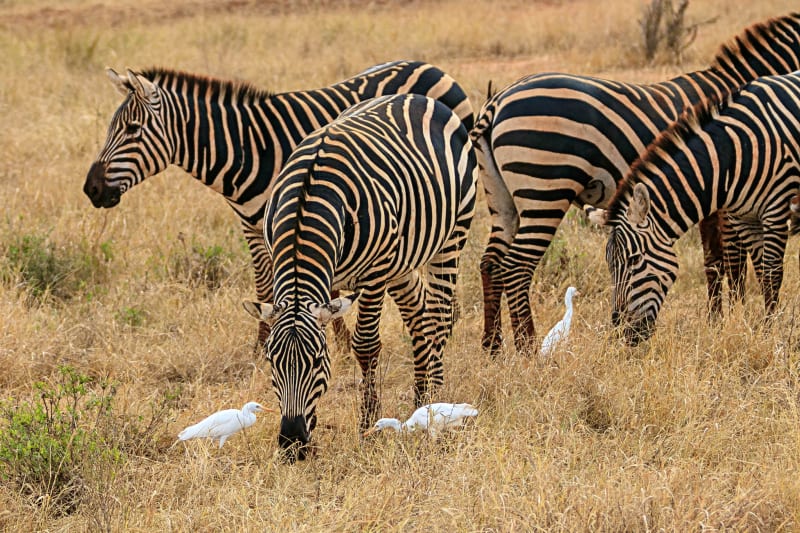
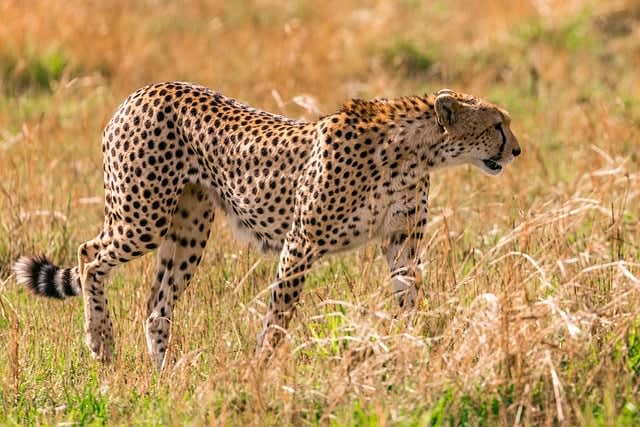
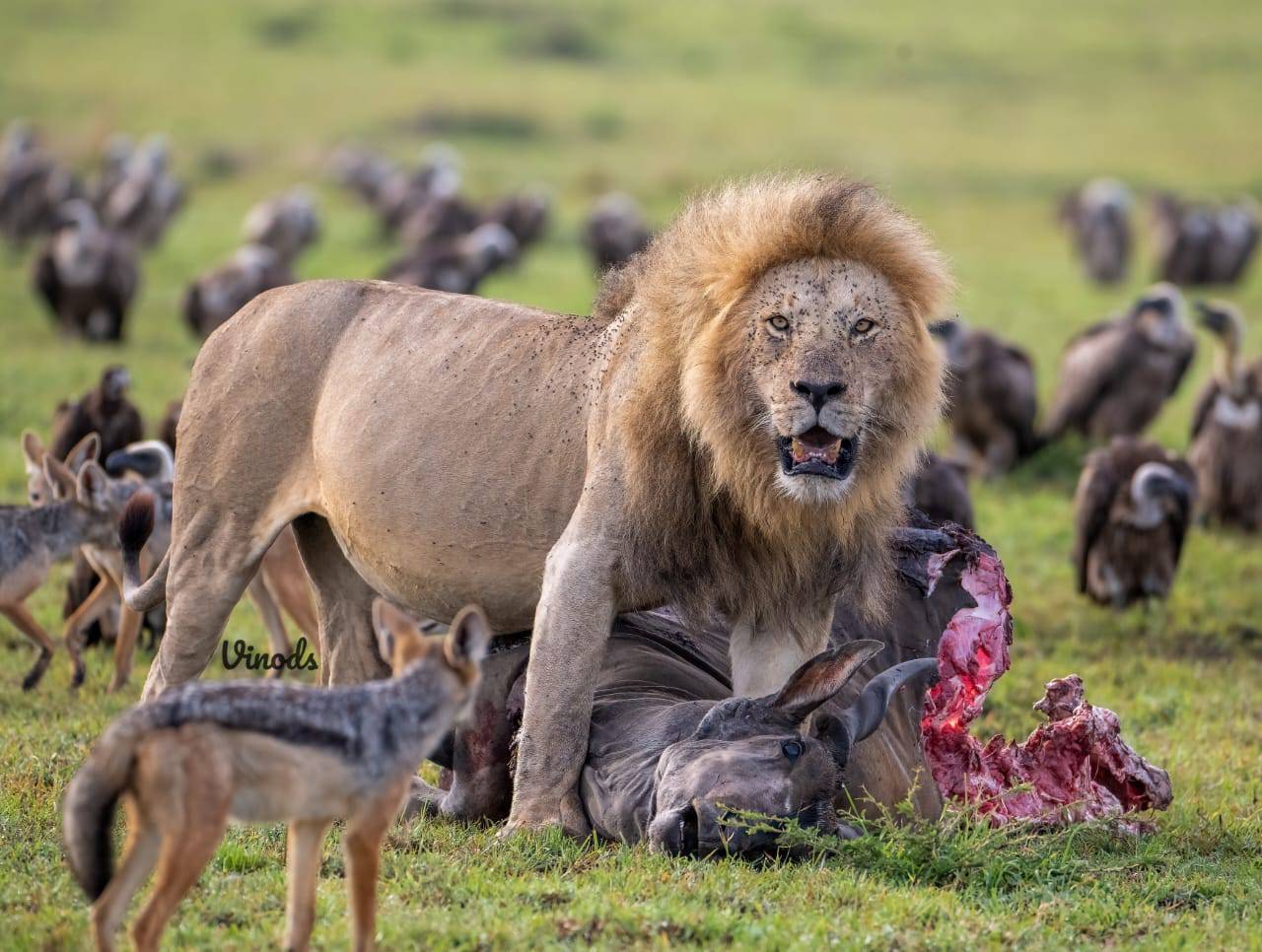
Kenya's Maasai Mara is famous for predator viewing. Lions, cheetahs, and hyenas are commonly spotted here. The Mara offers dramatic river crossings during the Great Migration. Zebras, wildebeest, and gazelles fill the landscape in massive herds. Bird watchers love the Mara's 500+ bird species.
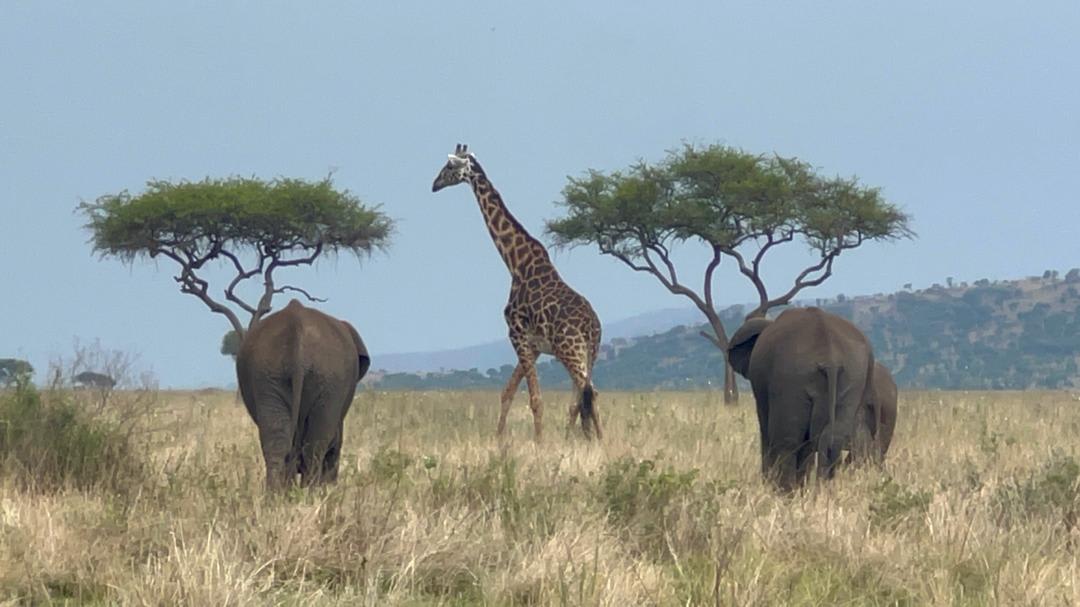
Tanzania's Serengeti offers similar wildlife with slightly lower predator density. However, the Serengeti's size (14,750 square kilometers) means you'll see fewer tourists per animal. Ngorongoro Crater provides concentrated wildlife viewing with 25,000 large animals in one location. This makes spotting the Big Five reliable and quick.
Tanzania's advantage: unique experiences like Kilimanjaro and Zanzibar beaches. Kenya's advantage: easier access and lower costs. Both countries deliver unforgettable wildlife encounters. Your choice depends on whether you want safari-only or combined adventures.
Key Takeaways
Book Kenya safaris at $300 per day versus Tanzania's $350 per day to save approximately 15% on budget trips in 2026.
Travel during shoulder seasons (January-February, June) to enjoy 30-50% lower prices in both Kenya and Tanzania compared to peak season.
Reserve your safari 3-6 months ahead to lock in early-booking discounts of 10-15% on peak season travel dates.
Compare verified operators on SafariFind and request quotes from at least three companies to find competitive pricing and authentic reviews.
Choose Kenya for lowest costs and easy logistics, or Tanzania for diverse experiences combining safari, Kilimanjaro, and Zanzibar beaches.
Frequently Asked Questions
How much does a 7-day safari cost in Kenya versus Tanzania in 2026?
A 7-day budget safari in Kenya costs approximately $2,100 ($300 per day), while the same safari in Tanzania runs about $2,450 ($350 per day).[3] Mid-range safaris cost $2,800-$5,600 in Kenya and $2,800-$5,600 in Tanzania. Luxury 7-day safaris range from $5,600-$12,000+ in both countries. Add international flights (around $600) and travel insurance to your total budget.
When is the cheapest time to book a safari in Kenya or Tanzania?
January, February, and June offer the lowest prices in both Kenya and Tanzania. Prices are 30-50% cheaper than peak season (July-October).[8] These shoulder months still offer excellent wildlife viewing because animals gather at water sources during dry seasons. December and November are moderately priced with good wildlife viewing. Avoid July-October unless you specifically want to see the Great Migration.
What's included in the quoted safari price?
Most safari prices include accommodation, meals (breakfast, lunch, dinner), game drives, and a professional guide. Park entry fees are usually included. Drinking water and basic beverages are provided. International flights, travel insurance, tips, alcoholic drinks, and special activities (like balloon rides) are typically NOT included. Always ask operators exactly what their quoted price covers before booking.
Is Kenya or Tanzania cheaper for a safari overall?
Kenya is generally cheaper, with budget safaris starting at $300 per day compared to Tanzania's $350 per day.[3] However, the difference is only 15-20% for most safari packages. Tanzania offers unique additions like Kilimanjaro and Zanzibar beaches, which might provide better overall value depending on your interests. Mid-range and luxury prices are nearly identical between the two countries.
How far in advance should I book my safari to get the best price?
Book your safari 3-6 months in advance to secure the best prices, especially for peak season travel.[8] Early booking typically offers 10-15% discounts. Last-minute bookings rarely provide savings in 2026. However, shoulder-season safaris booked 1-2 months ahead often have available discounts. Explore verified operators on SafariFind and request quotes early to compare pricing and guarantee your preferred dates.
Where can I find verified safari operators and compare prices?
SafariFind connects you with verified safari operators in Kenya and Tanzania. Browse packages, read authentic reviews from previous travelers, and request quotes from multiple operators to compare prices. SafariFind's marketplace includes detailed information about what each package includes, operator ratings, and real traveler feedback. This helps you make an informed decision and avoid overpaying for your safari adventure.
Conclusion: Choose Your Perfect African Safari in 2026
Kenya and Tanzania both deliver world-class safari experiences at reasonable prices in 2026. Kenya edges out Tanzania on cost, with budget safaris starting at $300 per day versus Tanzania's $350 per day.[3] However, the difference is modest, and both countries offer exceptional value for wildlife viewing.
Your choice depends on budget, timing, and interests. Choose Kenya for the lowest prices and easiest logistics. Select Tanzania for diverse experiences combining safari, mountain climbing, and beach time. Both destinations host the Great Migration and the Big Five, guaranteeing unforgettable wildlife encounters.
Timing matters more than location. Travel during shoulder seasons (January-February, June) to save 30-50% compared to peak months.[8] Book 3-6 months ahead for early-booking discounts. Request quotes from verified operators on SafariFind to compare pricing and read authentic reviews from previous travelers.
A 7-day budget safari in Kenya costs around $2,100, while Tanzania runs $2,450. Add $600 for flights and you're looking at roughly $2,700-$3,050 total. This represents outstanding value for an African safari experience. Explore SafariFind's verified packages today and find your perfect safari adventure at the best price.
Plan Your Safari with SafariFind
These recommendations use real data from SafariFind, where you can compare operators, browse packages, and read verified traveler reviews before you book.
Recommended Safari Operators from SafariFind
Recommended Safari Packages from SafariFind
What Travelers Say (SafariFind Reviews)
References
How Much Does a Kenya Tanzania Safari Cost? 2026 Ideal Guide
How Much Does a Safari in Africa Cost in 2026 | Autre Ciel Voyages
Tanzania Travel Costs 2026: Safari & Zanzibar Prices - Simbye eSIM
Best Value Safaris in Africa 2026 | Expert Guide to Season Savings
How Much Does a Kenya Safari Cost? Price Guide 2026 and What to Expect
Ready to start your safari adventure?
Explore curated safari packages and find your perfect African adventure with verified operators.