Madagascar Safari in August 2026: Whale Watching Peak Season
August 2026 is peak humpback whale season in Madagascar. Plan your safari with budget breakdowns, booking tips, and wildlife guides for Sainte-Marie Island.

Madagascar Safari in August 2026: Whale Watching Peak
Last updated: July 2026
August 2026 is peak humpback whale watching season in Madagascar, especially at Sainte-Marie Island where sightings are highly reliable. A 7-12 day Madagascar safari costs $2,500–$5,000 per person, with extra expenses for flights ($2,000–$3,000), travel insurance ($200–$400), and park fees ($15–$30). Book accommodations months ahead for the best lodges and guaranteed whale encounters during this prime season.
At a Glance
- Best time: August 2026 (peak humpback migration)
- Cost: $2,500–$5,000 per person (7-12 days)
- Flights: Add $2,000–$3,000 international
- Top destination: Sainte-Marie Island for whale watching
- Weather: Dry season, cool mornings, warm days
- Wildlife highlights: Humpback whales, lemurs, chameleons
What Is Madagascar Safari in August 2026: Whale Watching Peak Season?
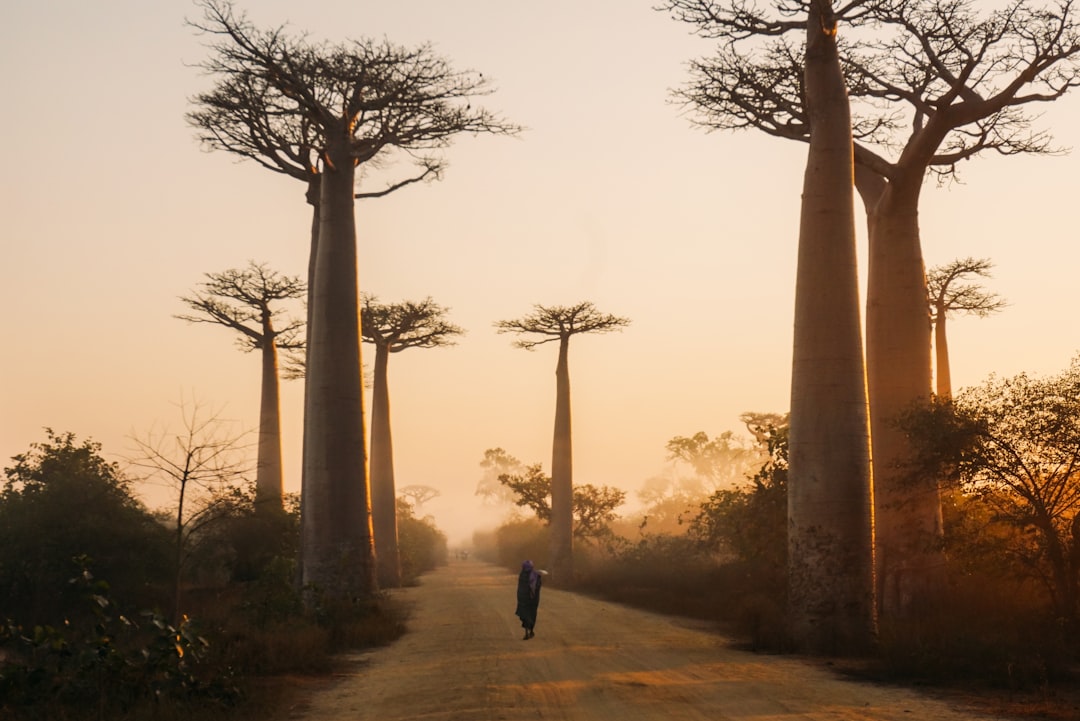
Madagascar Safari in August 2026 is the premier time to witness humpback whales in their natural habitat. August marks the height of Madagascar's dry season and the peak of whale migration season. The migrating pods that arrived in early July are now established in the channel between the main island and Île aux Nattes, with mother-calf pairs in shallow protected waters and adult males breaching spectacularly.
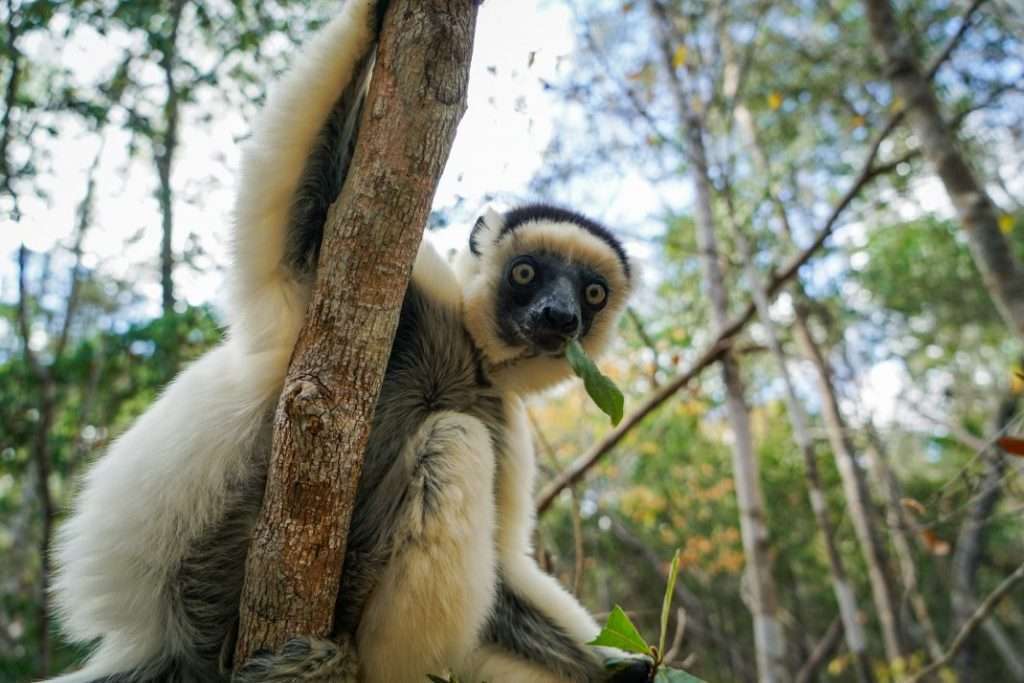
A Madagascar safari during this month combines world-class whale watching with exceptional lemur viewing, unique wildlife encounters, and pristine landscapes. You'll experience breaching males, tail slaps, spy-hopping, and groups of whales traveling together. Beyond whales, you'll see ring-tailed lemurs, red-ruffed lemurs, and rare aye-ayes in their natural habitats.
August is popular because weather conditions are ideal. The dry season from July to September produces the most reliable travel conditions across all regions. Lemurs are highly visible in protected areas like Andasibe and Ranomafana. Red laterite tracks remain passable, and temperatures stay comfortable for outdoor activities.
Why this matters: August offers a rare combination of guaranteed whale sightings and excellent land-based wildlife viewing. Most travelers miss this peak window, meaning you'll encounter fewer tourists and more authentic experiences. SafariFind connects you with verified Madagascar safari operators who specialize in August departures.
Why August Stands Out for Whale Watching
August 2026 is special because humpback whales have completed their journey from Antarctica and are fully settled in Madagascar's warm waters. The peak season for whale watching is generally between July and September, with August offering maximum reliability for sightings.
Humpback whales arrive gradually at the beginning of the southern winter around July and stay in the waters around Nosy Be and Sainte-Marie until November. But August is when the populations peak. The whales are actively mating and nursing calves, making their behavior more visible and dramatic.
Mother-calf pairs stay in shallow, protected waters near Sainte-Marie Island. Adult males breach repeatedly to impress females and establish dominance. These behaviors make August the most visually spectacular month for whale watching. You'll see surface-active displays that take your breath away.
Book your Madagascar safari 3-6 months ahead to secure prime accommodations and guarantee boat spots for daily whale watching excursions.
Planning Your August 2026 Madagascar Safari
Planning a Madagascar safari in August requires advance booking and careful attention to logistics. Start by understanding the full cost structure, choosing your destination, and arranging necessary travel documents.
Total Budget Breakdown for August 2026
A typical 7-12 day Madagascar safari costs between $2,500 and $5,000 per person for the package itself. However, you must budget an extra $2,000–$3,000 per person for international flights, travel insurance ($200–$400), vaccinations ($150–$250), visas ($30), tips for guides and staff ($100–$150), and meals/drinks outside your package ($100–$200). Park fees range from $15–$30 daily.
This means your total trip investment ranges from $4,700 to $8,500 per person. Mid-range packages typically cost $3,500–$4,500 per person plus flights. Luxury options exceed $6,000 per person before flights.
The investment includes accommodation, most meals, safari vehicle transportation, park entry fees, and English-speaking guides. It typically excludes international flights, travel insurance, and personal expenses.
Choosing Between Sainte-Marie and Other Whale Watching Spots
Sainte-Marie Island is the premier whale watching destination in Madagascar during August 2026. The channel between the mainland and the island creates ideal conditions for mother-calf whale pairs. Shore-based viewing is possible, but boat excursions provide closer encounters and better photography opportunities.
Nosy Be, on the northwest coast, also offers whale watching but is secondary to Sainte-Marie. The waters around Nosy Be are deeper and less protected, making sightings less reliable. Sainte-Marie guarantees higher whale encounter rates during August.
Most complete Madagascar safaris combine Sainte-Marie whale watching (3-4 days) with land-based wildlife viewing in Andasibe, Ranomafana, or Kirindy Reserve. This hybrid approach lets you experience humpback whales and endemic lemurs in one trip.
Essential Preparation Steps for August Travel
Book your safari operator 4-6 months in advance (by March 2026 for August departures). Top operators fill quickly during peak season. Request operators who specialize in August departures and offer guaranteed whale watching experiences.
Arrange vaccinations for yellow fever, typhoid, and hepatitis A at least 6 weeks before departure. Obtain a Madagascar visa (30 days, $30) on arrival or in advance through your embassy. Purchase comprehensive travel insurance covering trip cancellation, medical evacuation, and adventure activities.
Pack lightweight, breathable clothing for warm days and warm layers for cool mornings. Bring binoculars, a quality camera with a zoom lens, sunscreen, and motion sickness medication for boat excursions. Waterproof gear protects equipment during whale watching boat rides.
Compare Madagascar safari lodges by region to find accommodations matching your budget and preferences. Mid-range lodges near Sainte-Marie cost $150–$250 per night. Luxury options range from $300–$600 per night.
What to Expect During August Whale Watching in Madagascar
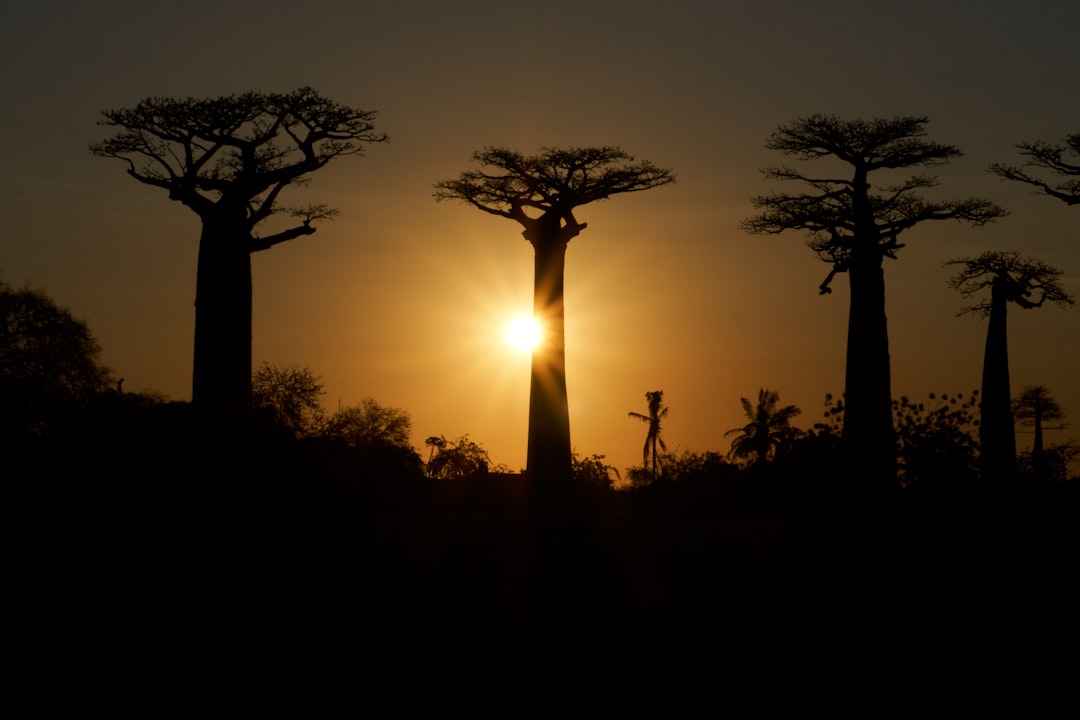
August whale watching in Madagascar involves daily boat excursions, early mornings, and incredible wildlife encounters. Most operators depart between 7:00 AM and 8:00 AM, returning by noon or early afternoon.
Typical August Whale Watching Day
You'll wake early, enjoy breakfast at your lodge, and board a 25-35 foot boat captained by an experienced whale guide. The boat carries 8-15 passengers and a crew member who watches for whale blows and breaches. Morning trips (2-3 hours) typically yield 3-5 whale sightings.
When whales are spotted, the captain cuts the engine and positions the boat at a safe distance. You'll observe whales for 15-30 minutes as they surface, breathe, dive, or breach. Many whales breach repeatedly, launching their 40-ton bodies partially out of the water.
Afternoon options include shore-based activities like exploring local villages, visiting whale research centers, or relaxing at your lodge. Some operators offer evening presentations about whale biology and conservation efforts.
Wildlife Beyond Whales in August
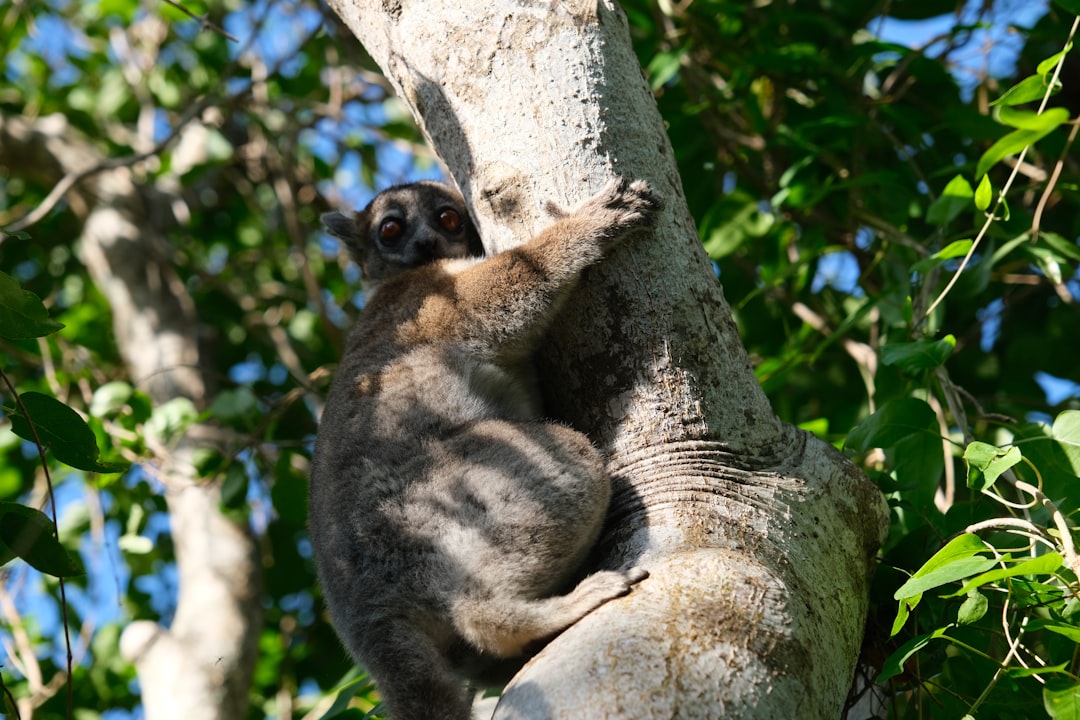
August combines whale watching with exceptional land-based wildlife viewing. Lemurs are highly active during the dry season and easily spotted in protected reserves. Ring-tailed lemurs, red-ruffed lemurs, and black-and-white ruffed lemurs are common in Andasibe and Ranomafana.
Chameleons, geckos, and frogs emerge during August. Tenrecs (hedgehog-like mammals) are active foragers. Endemic birds like the blue coua and helmet vanga are visible in forest canopies. Madagascar's unique wildlife makes August a complete safari experience.
For a comprehensive wildlife overview, explore our Madagascar safari animals checklist to plan your wildlife viewing priorities.
Weather Conditions in August
August weather in Madagascar is dry, cool, and predictable. Daytime temperatures reach 72–82°F (22–28°C). Mornings are cool at 50–60°F (10–16°C), requiring light jackets. Rain is minimal, occurring only 1-2 days per week.
Ocean conditions are generally calm in the morning, becoming slightly rougher in afternoon. Bring motion sickness medication if you're prone to seasickness. Most travelers experience minimal discomfort during August boat excursions.
Comparing August to July and September
July marks the beginning of whale migration, with fewer whales in Madagascar waters but excellent land-based wildlife viewing. August reaches peak whale populations with maximum sightings reliability. September remains excellent for whales but begins warming up and attracting more tourists.
August offers the best balance of whale sightings and manageable tourist crowds. If you want guaranteed whale encounters with fewer travelers than July, August is ideal. Read our detailed comparison of Madagascar Safari in July 2026 to understand the differences between consecutive months.
Booking Your August 2026 Madagascar Safari
Booking a Madagascar safari requires choosing between group tours, private safaris, and customized itineraries. Each option offers different advantages for August travelers.
Group Tours for August Departures
Group tours offer cost savings and social experiences. Limited Madagascar group tours with multiple reserves, lemur viewing, and Sainte-Marie whale watching depart from July 15th, 2026 with 12 passengers maximum, priced from $5,994 per person for 12 days. These comprehensive tours include transportation, accommodation, meals, and expert guides.
Group tours work well for solo travelers and couples seeking community. You'll meet other safari enthusiasts and share experiences. The fixed itinerary removes decision-making burden. However, group tours offer less flexibility than private safaris.
Private Safari Advantages
Private safaris offer flexibility, personalization, and exclusive experiences. You control the pace, choose your destinations, and customize your wildlife focus. August private safaris cost $3,500–$6,000 per person for 7-10 days, depending on lodge quality and group size.
Private safaris work best for families, friends, or travelers with specific wildlife interests. You can spend extra time photographing whales or lemurs. Your guide tailors commentary to your interests and experience level.
How to Find and Vet August Operators
SafariFind lists verified Madagascar safari operators with authentic reviews from past travelers. Filter operators by destination (Sainte-Marie), season (August), and price range. Read detailed reviews from travelers who visited in similar months.
Contact 3-5 operators directly. Ask about August availability, whale sighting guarantees, guide experience, and lodge quality. Request references from recent travelers. Compare package inclusions carefully—some operators include flights; others don't.
Verify operator licenses, insurance, and safety records. Request detailed itineraries showing daily activities, accommodation details, and meal information. Confirm cancellation policies and refund terms before booking.
Browse Madagascar safari packages on SafariFind to compare options, read verified reviews, and request quotes from multiple operators simultaneously.
Booking Timeline for August 2026
Book your safari operator by March 2026 (5 months in advance) to secure preferred lodges and boat spots. Book flights 3-4 months in advance for better prices. Purchase travel insurance 1-2 months before departure.
Confirm all bookings 30 days before departure. Arrange final logistics like visa applications and vaccinations 6 weeks before travel. Pack 2 weeks before departure to allow time for shopping if needed items.
Practical Tips for August Madagascar Safari Success
Experienced travelers use specific strategies to maximize August safari experiences. These practical tips enhance comfort, safety, and wildlife viewing success.
Maximizing Whale Watching Encounters
Wake early and be the first on the boat. Whales are most active in early morning hours. Position yourself on the boat's side with the best light (typically port side facing west). Bring binoculars for distant sightings before whales surface.
Stay quiet and still during whale observations. Sudden movements or loud noises can disturb whales. Listen to your guide's instructions about approach distances and observation protocols. Respect marine wildlife by following responsible whale watching guidelines.
Bring quality camera equipment with a zoom lens (200mm minimum). Fast shutter speeds (1/1000s or faster) capture breaching whales. Bring extra memory cards and batteries—whale watching generates hundreds of photos.
Managing Physical Demands
August safaris involve early mornings, boat rides, and hiking. Build fitness before departure with cardio and walking. Pack motion sickness medication even if you've never needed it—ocean swells can surprise travelers. Bring compression socks for boat rides to prevent swelling.
Stay hydrated throughout the day. Drink water constantly, not just when thirsty. Bring electrolyte tablets to replace minerals lost through perspiration. Use reef-safe sunscreen to protect skin and marine ecosystems.
Take breaks when needed. Guides understand that some travelers need slower paces. Communicate your fitness level and preferences on day one so guides can adjust activities accordingly.
Respecting Madagascar's Environment
Madagascar's ecosystems are fragile. Stay on marked trails during forest hikes. Don't touch wildlife or remove plants. Use reef-safe sunscreen to protect coral ecosystems during boat excursions. Pack out all trash.
Support local communities by hiring local guides, eating at local restaurants, and purchasing handicrafts from artisans. Avoid activities that exploit animals. Choose operators committed to conservation and community benefit.
Comparing Costs Across Regions
Different Madagascar regions offer different value propositions. Compare Madagascar safari costs versus other African destinations to understand value. Madagascar offers excellent value compared to Kenya or Tanzania for similar experiences at lower prices.
Key Takeaways
- Book your August 2026 Madagascar safari 4-6 months ahead (by March 2026) to secure prime Sainte-Marie lodges and guarantee daily whale watching boat spots during peak humpback migration season.
- Budget $2,500–$5,000 per person for the safari package plus $2,000–$3,000 for international flights, $200–$400 for travel insurance, and $150–$250 for vaccinations to calculate your total trip cost accurately.
- Choose Sainte-Marie Island as your whale watching base over Nosy Be because the protected channel between the mainland and island offers guaranteed mother-calf whale encounters and higher sighting reliability during August.
- Combine 3-4 days of whale watching at Sainte-Marie with 4-8 days of lemur viewing in Andasibe or Ranomafana to experience Madagascar's complete wildlife diversity and maximize your safari investment during the dry season.
- Request operators with August-specific departures, proven whale sighting guarantees, experienced guides, and mid-range lodges ($150–$250 nightly) to balance cost, comfort, and authentic wildlife experiences without premium luxury pricing.
Frequently Asked Questions
What is the best time to see humpback whales in Madagascar?
August is the best month to see humpback whales in Madagascar because peak populations have arrived from Antarctica and are actively mating and nursing calves. July marks the beginning of migration with fewer whales present. August peaks with maximum sightings and dramatic surface behaviors. September remains excellent but temperatures warm and tourist crowds increase. Book your whale watching adventure for August 2026 to experience peak season conditions with the most reliable encounters.
How much does a Madagascar safari cost in August 2026?
A Madagascar safari in August 2026 costs $2,500–$5,000 per person for the package itself. Add $2,000–$3,000 for international flights, $200–$400 for travel insurance, $150–$250 for vaccinations, and $15–$30 daily for park fees. Your total trip investment ranges from $4,700 to $8,500 per person. Mid-range packages cost $3,500–$4,500 per person plus flights and are ideal for most travelers seeking good value and comfort.
Can you see whales in August from shore in Madagascar?
Yes, you can see whales from shore in Madagascar during August, but boat excursions provide superior experiences. Shore-based viewing works best from Sainte-Marie Island where whales swim close to the coast in protected channels. Boat tours (2-3 hours) position you closer to whales for better photography and behavioral observation. Most operators include daily boat excursions as part of their August safari packages.
What other wildlife will I see besides whales in August?
August offers excellent lemur viewing because the dry season makes them highly active and visible in protected reserves. You'll see ring-tailed lemurs, red-ruffed lemurs, and rare aye-ayes. Endemic chameleons, geckos, frogs, tenrecs, and unique birds are also active. Most complete Madagascar safaris combine 3-4 days of whale watching with 4-8 days of land-based wildlife viewing to experience the island's complete biodiversity.
How far in advance should I book an August Madagascar safari?
Book your August Madagascar safari 4-6 months in advance (by March 2026) to secure preferred lodges, guarantee boat spots, and access the best operators. Last-minute bookings may find limited availability or higher prices. Early booking also allows time for visa applications, vaccinations, and travel insurance. Contact verified operators on SafariFind to check August availability and request quotes today.
Is August a good time to visit Madagascar for first-time safari travelers?
August is excellent for first-time Madagascar safari travelers because weather is dry and predictable, wildlife viewing is outstanding, and whale sightings are nearly guaranteed. The combination of whale watching and lemur viewing provides diverse experiences. August crowds are manageable compared to peak tourism months. Explore our first-timer's planning guide to prepare for your August adventure with confidence.
How do I book a Madagascar safari on SafariFind?
Browse verified Madagascar safari operators and packages on SafariFind filtered by August 2026 departures. Read authentic reviews from past travelers to compare experiences and ratings. Request quotes directly from 2-3 operators to compare prices and inclusions. SafariFind's verified operators specialize in August whale watching and can customize itineraries matching your budget and interests. Start exploring packages today to secure your peak season slot.
Conclusion
Madagascar Safari in August 2026 represents the ultimate combination of world-class whale watching and exceptional wildlife viewing. August is peak humpback whale season with maximum sightings, dramatic surface behaviors, and ideal weather conditions. The migrating pods established in Sainte-Marie's protected channel guarantee reliable encounters with breaching males, mother-calf pairs, and traveling groups.
Beyond whales, August delivers excellent lemur viewing during Madagascar's dry season. Ring-tailed lemurs, red-ruffed lemurs, endemic chameleons, and unique birds are highly visible in protected reserves. A well-planned 10-12 day safari combines 3-4 days of whale watching with 6-8 days of land-based wildlife exploration, creating an unforgettable African adventure.
Your investment of $4,700–$8,500 per person includes accommodations, most meals, expert guides, park entry, and daily activities. Book 4-6 months ahead (by March 2026) to secure prime lodges and guarantee whale watching boat spots during this competitive season. Budget carefully for flights ($2,000–$3,000), travel insurance ($200–$400), and vaccinations ($150–$250) when calculating total trip costs.
Compare verified Madagascar safari operators on SafariFind to find packages matching your budget, preferred lodge quality, and travel style. Read authentic reviews from past August travelers to learn about operator reliability, guide expertise, and whale sighting success rates. Request quotes from multiple operators to compare inclusions and pricing transparently.
Start planning your August 2026 Madagascar safari today. The best operators book quickly during peak season. Your dream whale watching adventure awaits in Madagascar's warm waters this August.
Plan Your Safari with SafariFind
These recommendations use real data from SafariFind, where you can compare operators, browse packages, and read verified traveler reviews before you book.
Recommended Safari Operators from SafariFind
Recommended Safari Packages from SafariFind
What Travelers Say (SafariFind Reviews)
References
- Madagascar Tours and Holidays Guide - Africa Tour Operators
- August in Madagascar 2026: Wildlife, Whale Season and Weather Guide - Voyagiste Madagascar
- Best Time to Visit Madagascar - Intrepid Travel US
- The Magic of Whale Watching in Madagascar - Travel Local
- Madagascar Safari Cost 2026: What $1,500–$5,000 Actually Includes - SafariFind
- Whale-Watching in Madagascar - Vivy Travel
- Madagascar Group Tours 2026-2027: Limited Safari Departures - HT Agency Tours
- Best Time to Go to Madagascar for Holiday - Go2Africa
Sources
- Madagascar Tours and Holidays Guide - Africa Tour Operators
- August in Madagascar 2026: Wildlife, Whale Season and Weather Guide - Voyagiste Madagascar
- Best Time to Visit Madagascar - Intrepid Travel US
- The Magic of Whale Watching in Madagascar - Travel Local
- Madagascar Safari Cost 2026: What $1,500–$5,000 Actually Includes - SafariFind
- Whale-Watching in Madagascar - Vivy Travel
- Madagascar Group Tours 2026-2027: Limited Safari Departures - HT Agency Tours
- Best Time to Go to Madagascar for Holiday - Go2Africa
Related to
Ready to start your safari adventure?
Explore curated safari packages and find your perfect African adventure with verified operators.