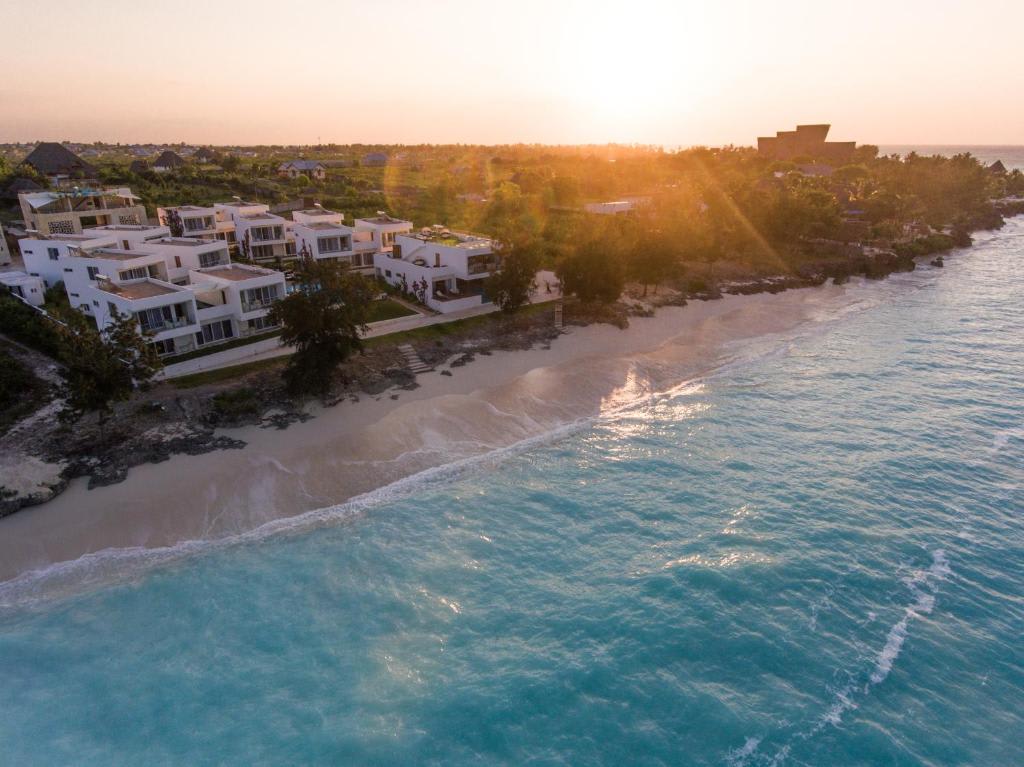
Marine & Coastal Conservation in Madagascar: 2026 Guide
Madagascar’s marine conservation model combines national parks, marine protected areas and approximately 280 locally managed marine areas. In 2026, priorities include sustainable fisheries, mangrove and reef protection, shark and ray safeguards, and reliable finance for coastal communities.
Last reviewed August 2026. Conservation data changes — see the cited sources for the latest figures.
Madagascar marine conservation: the quick answer
Marine and coastal conservation in Madagascar is built around a combination of formal marine protected areas (MPAs) and community-governed locally managed marine areas (LMMAs). The country has approximately 280 LMMAs, supported by more than 25 national and international non-governmental organisations, while its marine environment includes more than 250,000 hectares of mangroves and about 1,400 kilometres of coral reefs and seagrass beds.
Progress is real but not complete. Madagascar announced new national protections for sharks and rays in June 2026, and several temporary MPAs were intended to become permanent during 2026. However, overfishing, habitat clearing, pollution, climate impacts and chronic conservation underfunding continue to threaten both biodiversity and the coastal livelihoods that depend on healthy seas.
Why Madagascar’s marine and coastal conservation matters
Madagascar lies within the Western Indian Ocean and at the centre of the Agulhas and Somali Current Large Marine Ecosystems. Its coastal habitats support exceptional biodiversity as well as fisheries, coastal protection and income for local communities. Conservation therefore cannot be reduced to protecting attractive underwater scenery: it is also about maintaining food security, shoreline resilience and locally controlled access to natural resources.
The most important habitats include coral reefs, seagrass beds, mangroves, lagoons and estuaries. The Global Environment Facility reports more than 250,000 hectares of mangroves in Madagascar, equivalent to roughly 2% of global mangrove coverage. It also identifies about 1,400 kilometres of coral reefs and seagrass beds supporting more than 300 coral species. These figures describe national ecological importance, although they do not mean that every site is equally healthy or equally well protected.
Mangroves are especially significant in western and north-western Madagascar. Ambaro Bay is a Ramsar site that supports 10% of the country’s mangroves, according to WWF, while its wetlands also support distinctive wildlife and local communities. In the north-west, Nosy Hara National Park contains important reef habitat; WWF reports that 93% of the Western Indian Ocean’s 369 coral species occur in its waters. Such site-specific evidence is more useful for conservation planning than treating the entire Malagasy coastline as one uniform ecosystem.
Marine conservation is also connected to Madagascar’s wider protected-area network. Travellers visiting places such as Andasibe-Mantadia National Park or Isalo National Park are seeing terrestrial conservation landscapes, but coastal protection follows many of the same principles: defined management, ecological monitoring, local participation and long-term funding.
The main threats to Madagascar’s coastal ecosystems
Overfishing and pressure on small-scale fisheries
Small-scale fishing is central to many coastal livelihoods, but management is difficult because fishing effort, gear, catches and access vary between villages and seasons. A 2026 study by Faustinato Behivoke, Stéphanie D’Agata, Jérôme Guitton, Marie-Pierre Etienne and colleagues examined fine-scale fishery patterns across villages including Ankilibe, Sarodrano and Mahavatsy in south-western Madagascar. Its focus on village-level data illustrates why broad national rules alone may not capture how fisheries operate in practice.
Overexploitation of fisheries is identified as a major regional threat alongside habitat clearing and pollution. These pressures reduce the ability of coral reefs, mangroves and seagrass ecosystems to provide protein, income and coastal protection. The conservation response increasingly uses locally agreed closures, gear rules, catch monitoring and spatial planning rather than relying only on enforcement from distant authorities.
Habitat loss, pollution and coastal development
Habitat clearing and pollution threaten the integrity of Madagascar’s marine ecosystems, according to the Wildlife Conservation Society’s Western Indian Ocean programme. Mangrove conversion, damage to reef habitats and degradation of seagrass areas can remove nursery grounds and weaken natural coastal protection. The supplied research does not provide a single current national percentage for mangrove loss or marine pollution, so the scale of these pressures should not be overstated with unsupported figures.
Climate change and ecosystem resilience
Climate change is intensifying existing management problems. The Western Indian Ocean contains climate-resilient reefs and mangroves, but WCS notes that climate impacts are exacerbating overexploitation, habitat clearing and pollution. Resilience is not immunity: even relatively robust reefs still require protection from local stressors if they are to recover from warming, storms or other shocks.
Shark and ray exploitation
Sharks and rays face a global extinction crisis driven largely by overfishing and international trade. More than 37% of shark and ray species are now threatened with extinction, according to the Wildlife Conservation Society. Madagascar and Zanzibar announced new national protections for these groups at the Our Ocean Conference in Mombasa on 17 June 2026. Ravaka Ranaivoson, WCS Madagascar’s Partnership and Program Development Director, described the decision as a milestone for sustainable management of marine resources.
The announcement is an important policy development, but protection on paper must be followed by implementation, monitoring and compliance. The research supplied for this article does not establish a national poaching total for marine species in Madagascar. It is more accurate to discuss the documented risks of overfishing and international trade than to attach an unsupported poaching statistic.
Underfunding and governance challenges
Many coastal communities have historically lacked the financial resources to achieve both their economic and conservation goals. WWF reports that the Marine Biodiversity and Community Resilience Facility was created to address this gap through long-term finance for LMMAs, stronger local governance and conservation-oriented businesses. The GEF likewise identifies chronic underfunding of conservation systems as a continuing challenge.
What is being done: protected areas, LMMAs and monitoring
Locally managed marine areas
Madagascar’s LMMA approach gives coastal users a formal role in managing marine resources. Approximately 280 LMMAs are currently supported by more than 25 national and international NGOs. They bring together local users, government representatives, civil-society organisations and community-based organisations, balancing biodiversity objectives with fisheries, cultural values and participatory governance.
Blue Ventures helped develop the LMMA concept in Madagascar in 2006. The organisation now supports communities to establish LMMAs, strengthen fishing associations and secure government recognition for community conservation initiatives. Blue Ventures reports that LMMAs cover almost one-fifth of Madagascar’s inshore seabed, although this organisational figure should be understood as a reported programme estimate rather than a substitute for an independently verified national inventory.
Customary management remains important. Local social codes can govern access to resources, resolve disputes and support social cohesion, while newer conservation structures connect these traditions with government processes and scientific monitoring. This is one reason Madagascar’s marine conservation model is relevant beyond individual reefs: it tests how locally legitimate governance can operate across connected coastal seascapes.
Community fisheries closures and protected seascapes
In the Bay of Tsimipaika in north-west Madagascar, Blue Ventures and the Miaramientagna Federation are working to support community-led management across 557 square kilometres of marine area during the 2023–2026 project period. The programme includes fishing restrictions, seagrass reserves and no-take zones. Its stated purpose is to rebuild fisheries and ocean life while developing sustainable income opportunities for coastal communities.
WCS has also worked across the north-west Madagascar seascape and supported community fisheries closures, capacity building, SMART patrol tracking and KoboToolbox-based fish-catch surveys in the Ankivonjy and Ankarea MPAs. These tools matter because effective conservation depends on knowing where patrols occur, what is being caught and whether management rules are producing ecological and social benefits.
National parks and international recognition
Madagascar’s marine protected areas include nationally recognised sites such as Nosy Hara, Nosy Tanikely and Sahamalaza-Îles Radama. At the 2026 Our Ocean Conference, all three received Blue Park recognition, with Landisoa Randimbison, Candicia Bikiny and Berthin Razafindrazanaka representing the respective protected areas in the award announcement.
The announcement also recorded Madagascar’s intention to make several currently temporary MPAs permanent by 2026, including Diego Bay and Emerald Sea, Sorkay, Ria i Androy / Atimo Vata’e and Tandavandriva Nosy Be. Permanence can improve legal certainty, but it does not automatically guarantee staffing, financing, community support or effective enforcement.
Financing and national planning
The GEF-approved project Sustainable Financing and Inclusive Management to Perpetuate Madagascar’s Locally Managed Marine Areas has an investment of $5,294,722. Its objective is to strengthen inclusive management and the long-term financial sustainability of community-led marine conservation.
A separate WWF-supported project, Expanding and Consolidating Madagascar’s Marine Protected Areas Network, lists a GEF grant of US$6,284,404 and co-financing of US$39,962,250. The Ministry of Environment and Sustainable Development is the executing agency, with WWF-US as implementing agency. These are project finance figures, not a measure of total national conservation spending.
WWF and La Fondation pour les Aires Protégées et la Biodiversité de Madagascar launched the Marine Biodiversity and Community Resilience Fund in 2025. WWF says the mechanism is intended to support more than 20,000 coastal residents developing sustainable businesses and to finance LMMAs over the long term. The success of such mechanisms will depend on transparent allocation, local governance and whether benefits reach the people managing resources day to day.
Community livelihoods and responsible tourism
Community participation is not an optional addition to marine conservation. Coastal households depend on fisheries and other natural resources, so restrictions that ignore food security or income can be difficult to sustain. The USAID Riake Project, led by the University of Rhode Island’s Coastal Resources Center with Malagasy partners, focuses on marine conservation, spatial planning and sustainable livelihoods. Its stated goal is to support resilient communities that maintain biodiverse, well-managed and sustainable marine ecosystems.
Visitors can contribute by choosing locally owned accommodation, guides and activities that follow site rules, avoid purchasing marine wildlife products and support operators with clear environmental policies. In areas such as Nosy Tanikely Marine Reserve and Nosy Komba, responsible visitor behaviour should include following guidance on anchoring, reef contact, waste and wildlife disturbance. The research confirms the conservation importance of marine tourism and community livelihoods, but it does not provide a universal percentage of tour prices returned to conservation; travellers should ask operators for transparent, site-specific information.
Marine trips can complement a broader understanding of how safari tourism funds conservation in Madagascar. Travellers can book conservation-supporting safaris on SafariFind, while checking exactly how their chosen operator contributes to local employment, protected-area fees, community projects or ecological monitoring.
Results and setbacks: what progress looks like in 2026
| Area | Documented progress | Remaining challenge |
|---|---|---|
| Community governance | Approximately 280 LMMAs are supported across Madagascar. | Management quality, legal recognition and financial sustainability vary between sites. |
| Habitat protection | Projects are establishing seagrass reserves, no-take zones and community fisheries closures. | Overfishing, habitat clearing, pollution and climate impacts remain active pressures. |
| Species protection | Madagascar announced new national protections for sharks and rays in June 2026. | Implementation, monitoring and compliance must follow the policy announcement. |
| Protected-area network | Nosy Hara, Nosy Tanikely and Sahamalaza-Îles Radama received Blue Park recognition in 2026. | Temporary MPAs still require durable legal status and effective management. |
| Finance | GEF and WWF-backed mechanisms are investing in MPA and LMMA management. | Chronic underfunding remains a structural risk for conservation systems. |
The overall picture is therefore neither a simple success story nor a conservation failure. Madagascar has developed influential community-led approaches and secured new commitments for marine protection. At the same time, the research shows that ecological gains remain vulnerable when fisheries pressure, climate impacts and insufficient long-term finance overwhelm local management capacity.
How travellers can help responsibly
- Choose locally accountable operators. Ask who employs the guides, who receives visitor payments and which protected-area or community initiatives benefit.
- Respect marine rules. Do not touch coral, stand on reef, remove shells or wildlife, feed animals, or anchor where anchoring is prohibited.
- Reduce plastic and waste. Carry reusable water containers where practical and ensure rubbish returns with you from remote beaches and islands.
- Do not buy marine wildlife products. Avoid shark, ray, turtle, coral and other wildlife products, even when they are presented as souvenirs.
- Support community businesses. Use locally owned accommodation, restaurants, boat services, guides and handicraft cooperatives when they operate responsibly.
- Ask for evidence rather than slogans. A credible operator should be able to explain its conservation contribution without promising that every booking directly funds a specific project.
Visitors who combine coastal activities with land-based travel can also support Madagascar’s wider conservation economy. For background on protected landscapes and habitat connectivity, read SafariFind’s guide to wildlife corridors and habitats in Madagascar. The strongest contribution is consistent: spend locally, follow rules, avoid wildlife purchases and choose providers that treat communities as conservation partners rather than scenery.
Frequently Asked Questions
What is the current status of marine conservation in Madagascar in 2026?
Madagascar has a mixed but developing marine conservation system combining formal MPAs with approximately 280 LMMAs. New shark and ray protections and planned permanent MPAs are significant advances, but overfishing, habitat loss, pollution, climate impacts and underfunding remain challenges.
How many locally managed marine areas are there in Madagascar?
Approximately 280 LMMAs in Madagascar are supported by more than 25 national and international NGOs, according to the GEF.
What are the biggest threats to Madagascar’s coastal ecosystems?
The documented threats include overexploitation of fisheries, habitat clearing, pollution and climate-change impacts. Shark and ray populations are additionally affected by overfishing and international trade.
What marine animals are protected in Madagascar?
Madagascar announced new national protections for sharks and rays in June 2026. Its marine conservation system also protects reef, seagrass and mangrove ecosystems that support many coastal species.
What is an LMMA in Madagascar?
An LMMA is a locally managed marine area governed with the participation of local resource users and other stakeholders. Management can include fishing restrictions, no-take zones, seagrass reserves and community monitoring.
Which marine protected areas in Madagascar received Blue Park recognition in 2026?
Nosy Hara National Park, Nosy Tanikely National Park and Sahamalaza-Îles Radama National Park were listed among the 2026 Blue Park awardees.
How can tourists help marine conservation in Madagascar?
Tourists can choose locally accountable operators, follow reef and wildlife rules, avoid marine wildlife products, reduce waste and support local businesses. They should ask operators how visitor spending benefits communities or conservation rather than assuming every tour makes a direct donation.
Does tourism directly fund marine conservation in Madagascar?
Tourism can support conservation through protected-area fees, local employment and responsible community businesses, but the supplied research does not establish one universal share of tour revenue returned to conservation. Travellers should request operator-specific information.
How much mangrove habitat does Madagascar have?
The GEF reports more than 250,000 hectares of mangroves in Madagascar, representing roughly 2% of global mangrove coverage.
Are Madagascar’s coral reefs threatened by climate change?
Yes. Climate impacts are exacerbating existing pressures from overfishing, habitat clearing and pollution in the Western Indian Ocean, although some reefs are described as climate-resilient.
V2Ui.sources
- Fall 2026: Madagascar: Biodiversity and Natural Resource Management | SIT Study Abroad
- URI Coastal Resources Center receives $13 million for marine conservation in Madagascar through USAID initiative
- What Progress Looks Like: Our Ocean Conference 2026
- Fine-scale fishery patterns reveal challenges and opportunities for coastal management and conservation in Madagascar
- Projects in Madagascar - Turing Foundation
- Madagascar and Zanzibar Announce New National Shark and Ray Protections at Our Ocean Conference
- GBFF in Focus: Strengthening locally managed marine conservation in Madagascar
- Blue Ventures appoints new leadership to expand conservation efforts in Madagascar
- Expanding and Consolidating Madagascar’s Areas
- Madagascar: glittering and bright
- Grant Report: Wildlife Conservation Society Western Indian Ocean Programme
Related to
Ready to start your safari adventure?
Explore curated safari packages and find your perfect African adventure with verified operators.