Mountain Gorilla Conservation in Botswana 2026
Mountain gorillas do not naturally occur in Botswana. The species is endemic to the Virunga Massif across Rwanda, Uganda, and the Democratic Republic of Congo, where conservation efforts have increased their population from critically endangered to endangered status—the only great ape with a growing population.
Mountain Gorillas in Botswana: Clarifying the Conservation Reality
Quick Answer: Mountain gorillas (Gorilla beringei beringei) do not live in Botswana. The entire wild population of approximately 1,000+ individuals exists exclusively in the Virunga Massif—a transboundary forest ecosystem spanning Rwanda, Uganda, and the Democratic Republic of Congo (DRC). Botswana's conservation focus centres on other iconic species, including African elephants, lions, and black rhinos.
Why This Matters: Understanding Mountain Gorilla Geography
Mountain gorillas are endemic to a single, fragmented habitat: the Virunga Massif, located at elevations between 2,400 and 4,000 metres (8,000 to 13,000 feet) across the borders of three Central African nations. Botswana, a landlocked country in southern Africa bordered by South Africa, Namibia, and Zimbabwe, lies over 3,000 kilometres away from gorilla habitat and lacks the montane forest ecosystems these primates require .
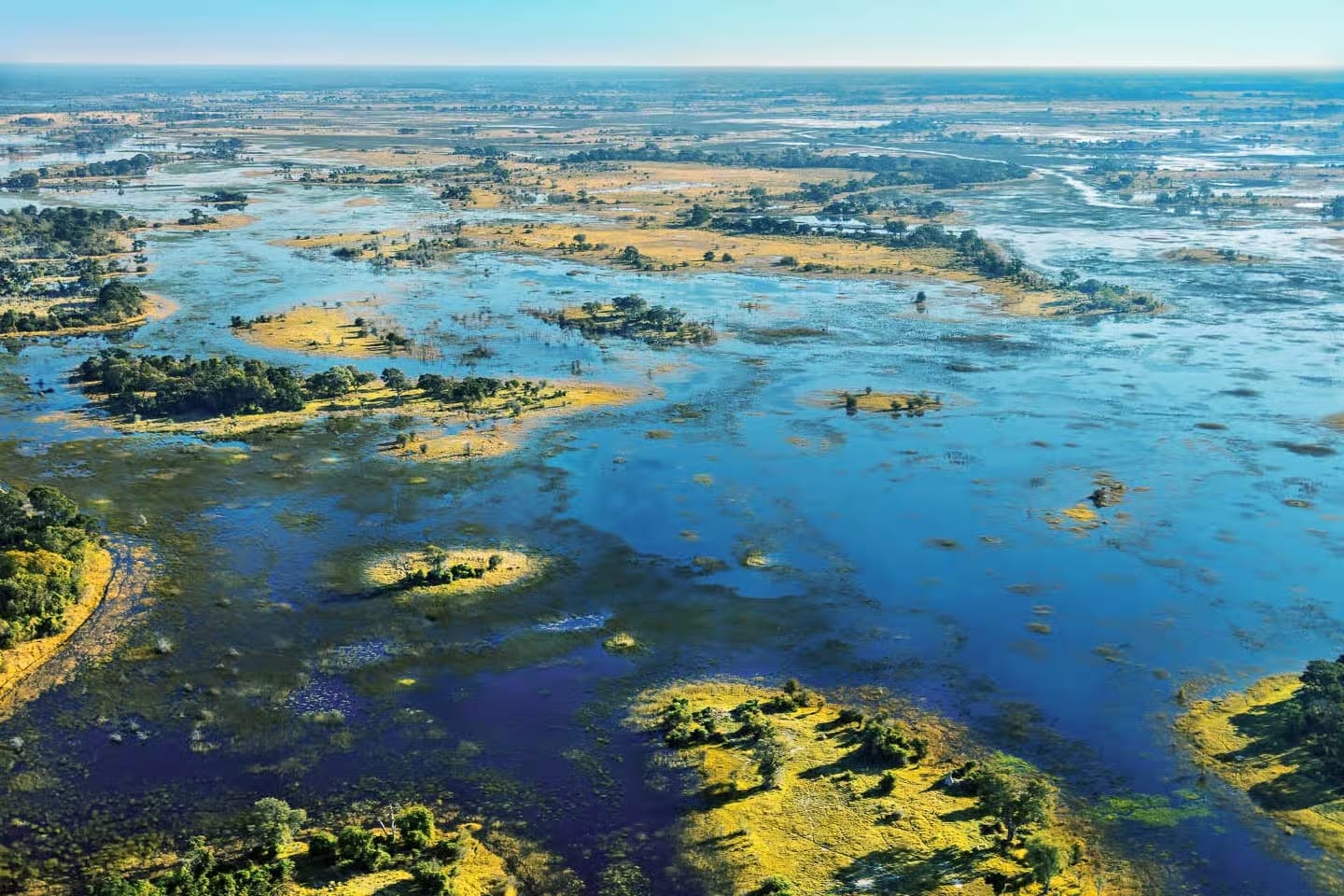
The confusion may arise because Botswana is a major safari destination with world-class wildlife conservation programmes. However, its landscape comprises deserts, savannas, and wetlands—environments fundamentally different from the cool, forested highlands where mountain gorillas evolved .
The Mountain Gorilla's True Home: The Virunga–Bwindi Landscape
Mountain gorillas exist in two geographically isolated populations within the Virunga Massif and adjacent Bwindi Impenetrable Forest in Uganda. The International Gorilla Conservation Programme (IGCP), formed in 1991, works across all three range countries—Rwanda, Uganda, and the DRC—to protect these populations and their afromontane forest habitat .
IGCP is a unique coalition of Conservation International, Fauna & Flora International, and the World Wildlife Fund, partnering with national authorities including the Rwanda Development Board (RDB), Uganda Wildlife Authority (UWA), and the Institut Congolais pour la Conservation de la Nature (ICCN) .
Population Recovery: A Conservation Success Story
Mountain gorillas represent one of conservation's most remarkable comebacks. In the 1980s, scientists feared the species would be extinct by the turn of the century. Instead, systematic protection has reversed decline :
- 2010: Population stood at 480 individuals
- 2016: Population reached 604 individuals
- 2018: Census confirmed over 1,000 mountain gorillas, prompting the IUCN to downlist the species from Critically Endangered to Endangered—the first positive status change for any great ape
Mountain gorillas are now the only great ape species with a documented increasing population trend .
Why Mountain Gorillas Matter: Ecosystem & Biodiversity Value
Mountain gorillas are not merely charismatic megafauna; they are keystone species. Their foraging behaviour shapes forest structure and composition across the Virunga Massif. Protection of gorilla habitat simultaneously conserves hundreds of endemic plant and animal species found nowhere else on Earth .
The Virunga region also provides critical ecosystem services—water regulation, carbon storage, and climate resilience—that extend far beyond the protected areas themselves, benefiting millions of people across Central Africa .
The Threats: What Nearly Drove Mountain Gorillas to Extinction
Poaching and Bushmeat Hunting
Historically, poaching was the primary driver of mountain gorilla decline. Hunters targeted gorillas for bushmeat, which commands high prices in urban markets. In some regions, consuming ape meat is considered a status symbol among wealthy elites, creating sustained demand . Anti-poaching patrols—now a cornerstone of conservation—have significantly reduced this threat over the past two decades .
Habitat Loss and Deforestation
Rapid human population growth in the Virunga region has driven agricultural expansion, logging, and mining into gorilla territory. As surrounding communities clear forest for cropland and pasture, mountain gorillas are confined to ever-smaller patches of protected habitat. Climate change compounds this pressure: as global temperatures rise, gorillas must move to higher elevations to maintain their preferred cool microclimate. Yet these higher zones are already densely populated and lack sufficient forest to support viable populations .
Human–Wildlife Conflict and Armed Instability
The Virunga region has endured decades of armed conflict, including the 1994 Rwandan genocide and subsequent regional wars. Despite these extraordinary challenges, conservation efforts have continued without pause . Virunga National Park alone has lost over 175 rangers killed in the line of duty while protecting the park from armed groups, poachers, and habitat destruction .
Disease
Mountain gorillas are susceptible to human respiratory diseases. Close proximity to park edge communities and tourism can expose gorillas to pathogens. The Mountain Gorilla Veterinary Project (MGVP) has worked for over 25 years to mitigate health risks through routine health checks and emergency veterinary intervention. In 2012 alone, MGVP performed 143 routine checks and administered life-saving care to 13 ill or injured gorillas within 24 hours of detection .
Conservation Solutions: How Mountain Gorillas Are Being Protected
Ranger-Based Monitoring and Anti-Poaching Patrols
The foundation of mountain gorilla conservation rests on dedicated park rangers. In Bwindi Impenetrable National Park alone, 247 rangers work daily to monitor gorilla groups, remove snares, report illegal activities, and engage local communities . Rangers conduct regular censuses, track individual gorillas, and guide habituation programmes that allow researchers and tourists to observe gorillas safely .
Dr. Andrew G. Seguya, Executive Secretary of Greater Virunga Transboundary Collaboration, emphasises their critical role: "As the sentries to the conservation estate, our rangers play an important role of protecting our conservation assets. Working with surrounding communities to enlist community support for conservation and guiding us through these precious lands to see, enjoy and understand the balance of nature" .
Transboundary Collaboration and Regional Policy
Mountain gorilla conservation succeeds because Rwanda, Uganda, and the DRC have committed to a unified, science-based approach. The International Gorilla Conservation Programme coordinates ranger activities, data collection, and enforcement across all three countries. This transboundary model ensures that gorillas moving between national borders remain protected regardless of jurisdiction .
Community Enterprise and Tourism Revenue-Sharing
IGCP has partnered with local communities on enterprise development—beekeeping, honey production, and luxury lodge operations—ensuring that communities neighbouring protected areas receive direct economic benefits from gorilla conservation . Revenue from gorilla tourism is now explicitly shared with local residents to fund conservation-oriented livelihood projects, transforming gorillas from a liability into a sustainable income source .
Veterinary Care and Health Monitoring
The Mountain Gorilla Veterinary Project provides proactive health management. Rangers report injuries and illnesses; veterinarians respond rapidly with treatment. This combination of close monitoring, community involvement, and active veterinary intervention has prevented disease outbreaks and saved individual gorillas from life-threatening conditions .
Gorilla Habituation for Sustainable Tourism
Habituation—the process of gradually accustoming wild gorillas to human presence—serves dual purposes: it enables researchers to monitor gorillas closely and allows controlled, regulated tourism. Tourism revenue provides strong economic incentive for governments and communities to protect gorilla habitat, while limited visitor numbers minimise stress and disease risk .
Results: Measurable Progress in a Fragile Landscape
The data are unambiguous. Mountain gorilla population has increased steadily over the past 15 years despite ongoing threats . In May 2018, the Virunga Massif census confirmed that mountain gorillas had achieved steady population growth—a testament to decades of coordinated conservation effort .
This success is extraordinary when contextualised: many other species in the same region continue to decline. Ranger-collected monitoring data show that lion, hippopotamus, and elephant populations in the Greater Virunga Landscape are in decline and face potential extinction, yet mountain gorillas have bucked this trend .
The reasons for this relative success are clear: gorilla habitat is reasonably well protected; revenue from gorilla tourism creates economic incentive for protection; and international organisations have sustained long-term commitment despite regional conflict .
Remaining Challenges and Future Outlook
While the population increase is genuine and significant, conservation scientists caution against complacency. Anna Behm Masozera, interim director of IGCP, notes: "It's not that the threats and dangers have diminished, it's that conservation efforts are succeeding in abating those threats" .
Threats persist:
- Climate change continues to compress available habitat at high elevations
- Habitat fragmentation isolates gorilla populations, reducing genetic diversity and increasing vulnerability to disease
- Armed conflict periodically disrupts conservation activities and ranger operations
- Human population pressure intensifies demand for land and resources at park boundaries
- Funding volatility threatens long-term programme sustainability
The current stability of mountain gorillas depends entirely on sustained international cooperation, adequate funding, and unwavering commitment from the three range states and their conservation partners .
Botswana's Role in African Conservation
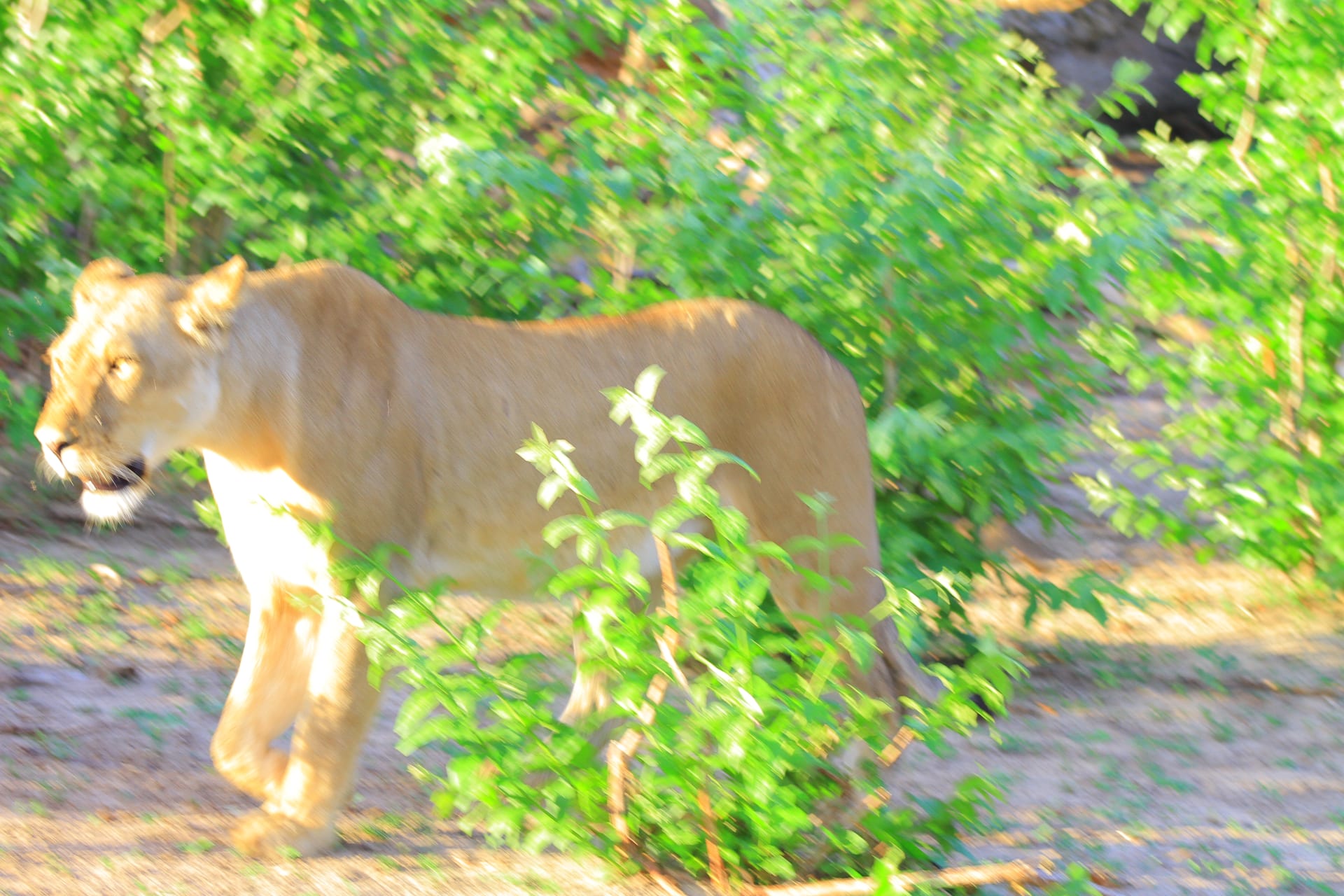
While Botswana does not host mountain gorillas, the country plays a vital role in broader African wildlife conservation. Botswana has set aside approximately 17% of its land for game reserves and national parks, including Chobe National Park, home to over 50,000 elephants—the largest-bodied elephants on Earth .
Visitors planning African safaris should understand that species distribution varies dramatically across the continent. For mountain gorilla trekking, Rwanda, Uganda, and the DRC remain the only destinations; for elephant viewing and broader savanna wildlife, Botswana is world-renowned. Those interested in Botswana's national parks and community conservancies will find exceptional conservation models and wildlife experiences distinct from Central African gorilla habitat.
How Travellers Can Support Mountain Gorilla Conservation
Although mountain gorillas do not occur in Botswana, conservation-minded travellers can support their protection through several pathways:
- Book gorilla trekking responsibly: Choose operators and lodges that partner with IGCP, the Dian Fossey Gorilla Fund, or local conservation authorities. Ensure that tourism revenue directly funds ranger salaries, community development, and habitat protection.
- Support international organisations: Donate to IGCP, Conservation International, Fauna & Flora International, WWF, or the Mountain Gorilla Veterinary Project to fund anti-poaching patrols, ranger training, and veterinary care.
- Advocate for transboundary collaboration: Mountain gorilla conservation depends on political will and regional cooperation. Support policies and funding that enable Rwanda, Uganda, and the DRC to work together.
- Respect habituation guidelines: If trekking to see mountain gorillas, follow all park regulations, maintain distance, and never touch or feed gorillas. These rules protect both human and gorilla health.
- Diversify your African safari experience: Visit both Central African gorilla habitat and Southern African savanna ecosystems. Each region offers unique wildlife and conservation lessons. SafariFind connects travellers with conservation-supporting lodges and operators across Africa.
Key Takeaways
- Mountain gorillas exist only in the Virunga Massif of Rwanda, Uganda, and the DRC—not in Botswana.
- Population has increased from 480 (2010) to over 1,000 (2018), the only great ape with growing numbers.
- Success stems from ranger-based monitoring, transboundary collaboration, tourism revenue-sharing, and veterinary care.
- Threats—poaching, habitat loss, climate change, conflict—persist and require sustained international commitment.
- Botswana offers exceptional wildlife conservation and safari experiences focused on elephants, lions, and savanna ecosystems.
Last reviewed July 2026. Conservation data changes — see the cited sources for the latest figures.
 Ask Tembo about this guide
Frequently Asked Questions
Are there mountain gorillas in Botswana?
No. Mountain gorillas do not naturally occur in Botswana. The entire wild population of approximately 1,000+ individuals lives exclusively in the Virunga Massif across Rwanda, Uganda, and the Democratic Republic of Congo. Botswana's landscape—deserts, savannas, and wetlands—lacks the high-altitude montane forests that mountain gorillas require. Botswana is renowned for African elephants, lions, and other savanna species.
Where do mountain gorillas live?
Mountain gorillas are endemic to the Virunga Massif, a transboundary forest ecosystem spanning Rwanda, Uganda, and the Democratic Republic of Congo at elevations between 2,400 and 4,000 metres (8,000–13,000 feet). They also inhabit Bwindi Impenetrable Forest in Uganda. These are the only two locations on Earth where wild mountain gorillas exist.
How many mountain gorillas are left in the wild?
As of 2018, the mountain gorilla population numbered over 1,000 individuals, up from 480 in 2010 and 604 in 2016. This represents a steady increase—the first population recovery documented for any great ape species. In 2018, the IUCN downlisted mountain gorillas from Critically Endangered to Endangered status, reflecting this conservation success.
Why did mountain gorilla population increase?
Mountain gorilla population increased due to decades of coordinated conservation effort including: ranger-based anti-poaching patrols, close health monitoring and veterinary care, transboundary collaboration among Rwanda, Uganda, and the DRC, community enterprise development, and revenue-sharing from sustainable gorilla tourism. These efforts have successfully reduced poaching and habitat destruction while creating economic incentive for local communities to support conservation.
What is the International Gorilla Conservation Programme (IGCP)?
IGCP is a coalition formed in 1991 by Conservation International, Fauna & Flora International, and the World Wildlife Fund to ensure long-term survival of mountain gorillas and their habitat in the Virunga-Bwindi Landscape. IGCP partners with national wildlife authorities in Rwanda, Uganda, and the DRC to coordinate anti-poaching patrols, ranger training, community engagement, and sustainable tourism practices across all three countries.
What are the main threats to mountain gorillas?
Primary threats include: poaching for bushmeat, habitat loss from agricultural expansion and logging, climate change forcing gorillas to higher elevations with limited forest, human-wildlife conflict, armed instability in the region, and disease transmission from human contact. Despite these ongoing challenges, coordinated conservation efforts have successfully mitigated these threats to enable population growth.
How can I support mountain gorilla conservation?
You can support mountain gorilla conservation by: booking gorilla trekking through operators partnering with IGCP or conservation authorities; donating to IGCP, the Dian Fossey Gorilla Fund, or the Mountain Gorilla Veterinary Project; advocating for transboundary collaboration and funding; respecting habituation and tourism guidelines during gorilla visits; and supporting policies that enable regional cooperation among Rwanda, Uganda, and the DRC.
Is gorilla tourism harmful to mountain gorillas?
Responsible, regulated gorilla tourism can benefit conservation when managed carefully. Limited visitor numbers, maintained distance, health screening, and revenue-sharing with local communities transform tourism into a sustainable funding source for protection. However, uncontrolled tourism poses disease transmission risks. Choose operators with strong conservation credentials and adherence to habituation guidelines.
What wildlife can I see on safari in Botswana?
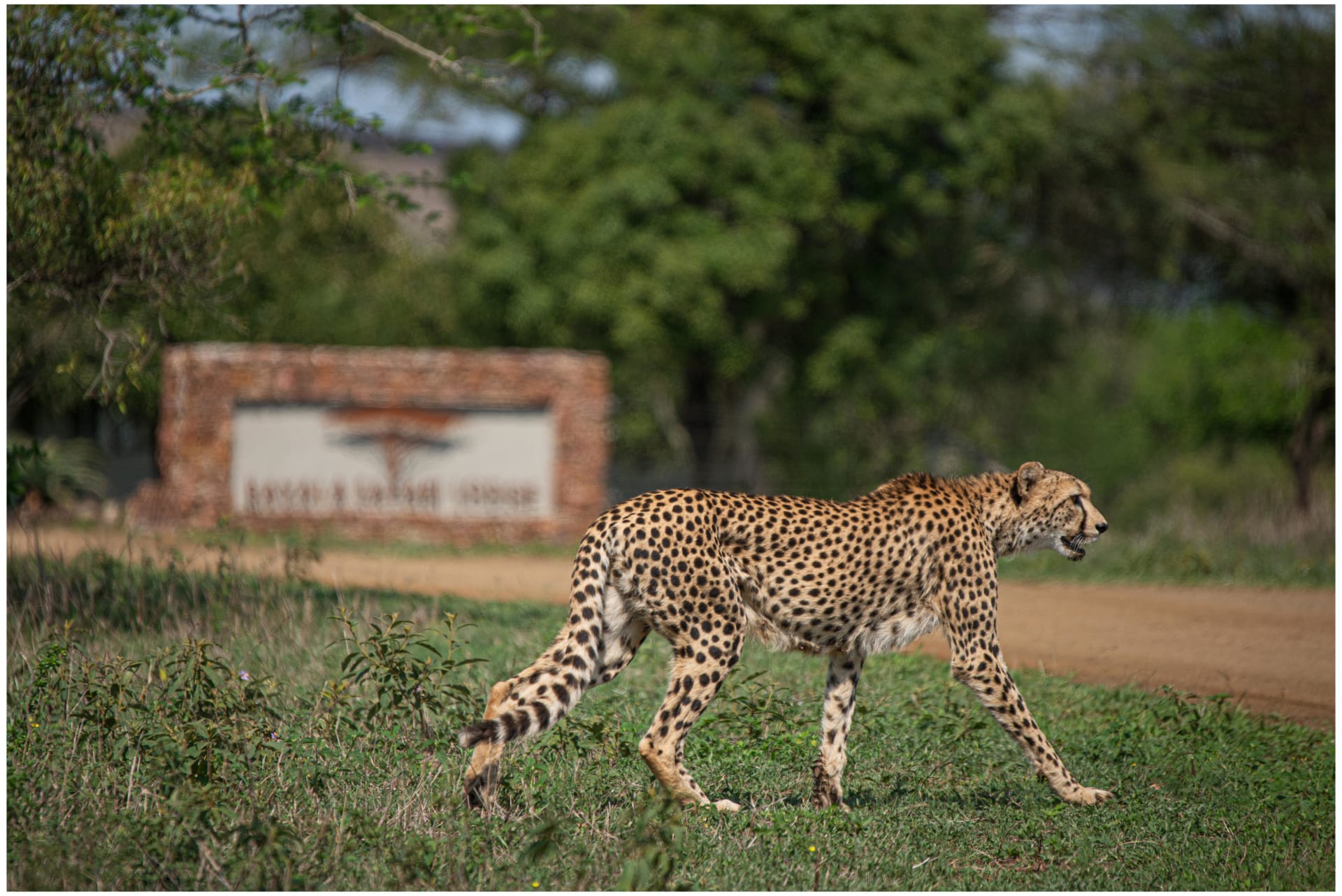
Botswana offers world-class safari experiences featuring African elephants (over 50,000 in Chobe National Park), lions, African buffalo, giraffes, zebras, cheetahs, hyenas, jackals, meerkats, and numerous bird species. Botswana's Okavango Delta is the world's largest inland delta, offering unique wetland wildlife viewing. However, mountain gorillas are not found in Botswana.
What is the difference between mountain gorillas and other gorilla species?
Mountain gorillas (Gorilla beringei beringei) are one of two eastern gorilla subspecies. Eastern lowland (Grauer's) gorillas number fewer than 3,800. Western gorillas include the critically endangered Cross River gorilla (250–300 individuals) and the more numerous western lowland gorilla (approximately 361,900). Mountain gorillas are the most severely endangered yet the only species with an increasing population due to intensive protection in the Virunga region.
Do I need a visa for Botswana?
Visa requirements for Botswana depend on your nationality. Citizens of many countries, including the US, UK, Canada, Australia, and New Zealand, typically receive visa-free entry or can obtain visas on arrival. For specific requirements based on your citizenship, consult the Botswana government or your nearest embassy. See our guides on Botswana visa for Indian citizens for detailed information by nationality.
What vaccinations do I need for Botswana?
Common vaccinations recommended for Botswana include yellow fever (depending on your itinerary and origin country), hepatitis A, typhoid, and routine immunisations. Malaria prophylaxis is advised for certain regions and seasons. Consult your healthcare provider or a travel medicine clinic at least 4–6 weeks before departure. See our comprehensive guides on vaccinations for Indian citizens and New Zealand citizens for detailed health information.
Sources
- Gorilla - Wikipedia
- Mountain Gorilla: Threats, Conservation, and Interesting Facts - IFAW
- IGCP - International Gorilla Conservation Programme - weADAPT
- Rangers: Going Against all Odds to Protect the Endangered Mountain Gorillas - IGCP
- As Mountain Gorillas Reach Crossroads, Conservationists Urge Caution - Arcus Foundation
- Six Conservation Success Stories of 2019 - Open Access Government
- Mountain Gorilla Status Downlisted - Virunga National Park
- Long-Term Partnerships Catalyze Growth in Mountain Gorilla Population - Arcus Foundation
- Transboundary Collaboration in the Greater Virunga Landscape - Environmental Peacebuilding
- Botswana Country Profile - National Geographic Kids
- Rangers: Going Against all Odds to Protect the Endangered Mountain Gorillas - IGCP
- Transboundary Collaboration in the Greater Virunga Landscape - Environmental Peacebuilding
Related to
Ready to start your safari adventure?
Explore curated safari packages and find your perfect African adventure with verified operators.