Protecting Tanzania's National Parks 2026 — Conservation Status & Efforts
Tanzania's national parks and reserves protect Africa's largest animal migration and iconic wildlife, but face mounting threats from poaching, habitat loss, and human-wildlife conflict. Conservation partnerships, ranger investment, and community engagement are driving measurable progress.

Quick Answer: Tanzania's National Parks in 2026
Tanzania's 16 national parks and multiple reserves—anchored by the Serengeti and Ngorongoro Conservation Area—harbour Africa's most spectacular wildlife ecosystems and the world's largest remaining unaltered animal migration. Despite decades of conservation investment by organisations like Tanzania National Parks (TANAPA), Frankfurt Zoological Society, and the Lion Recovery Fund, parks face severe challenges: human encroachment, poaching, funding volatility, and climate pressure. Ranger capacity-building, cross-border partnerships, and community-based conservation models are showing promise, but long-term sustainability depends on sustained funding and political commitment.
Why Tanzania's Protected Areas Matter Globally
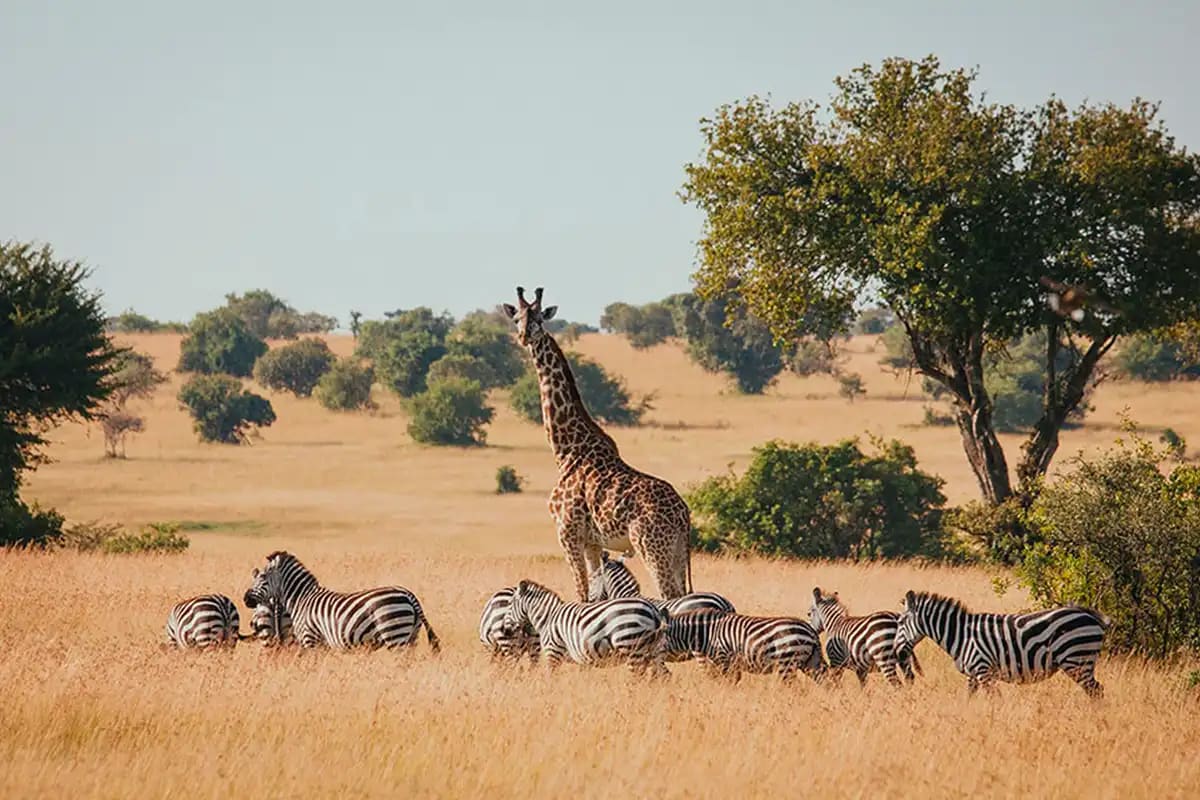
Tanzania is home to one of Earth's most intact ecosystems. The Serengeti National Park—comprising 14,750 km²—is the centrepiece of a 25,000 km² ecosystem that also incorporates the Ngorongoro Conservation Area, smaller Tanzanian reserves, and Kenya's Masai Mara. Each year, over six million sets of hooves traverse these plains: wildebeest, zebras, and gazelles undertake a 1,000 km circular migration in search of fresh grazing, a phenomenon unmatched in scale and integrity anywhere on Earth.
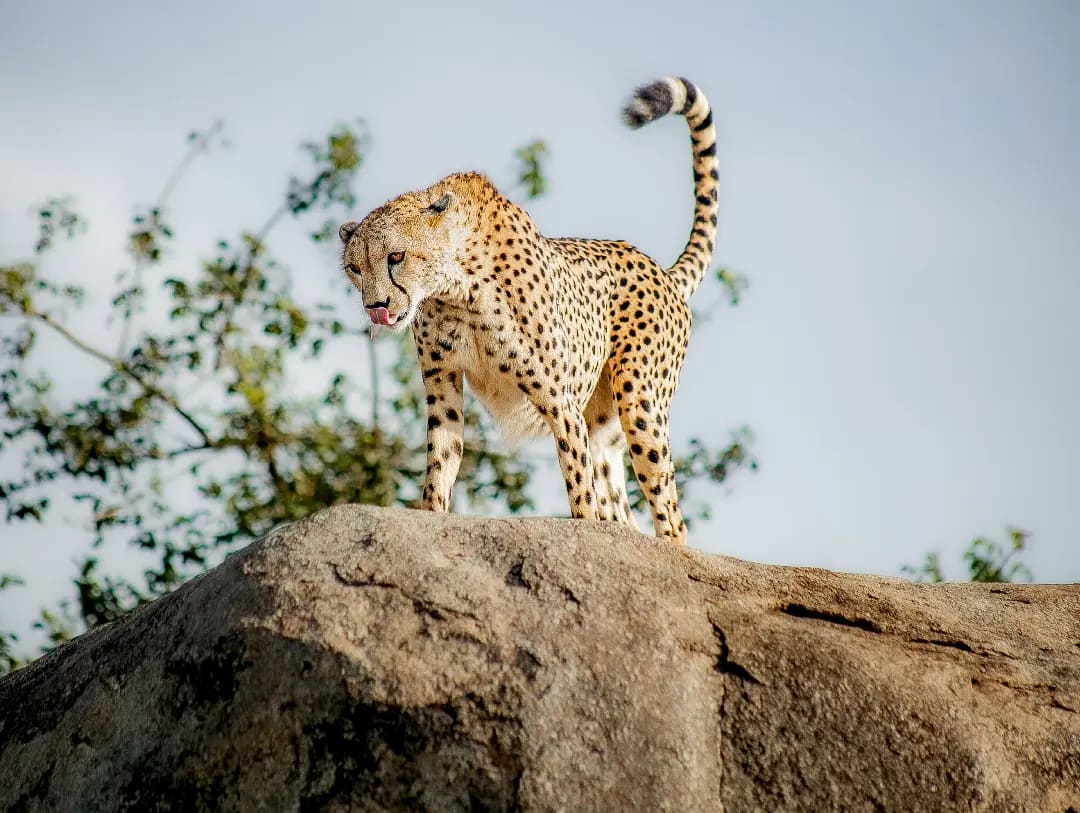
Beyond the Serengeti, Tanzania protects remarkable biodiversity across national parks including Tarangire, Kilimanjaro, Ruaha, Katavi, Mkomazi, and Selous Game Reserve. These areas are critical breeding grounds and migration corridors for lions, African elephants, Cape buffalo, and endangered species including cheetahs and African wild dogs. Tanzania's protected areas also preserve unique ecosystems: montane forests, wetlands, and coastal habitats that support thousands of plant and animal species found nowhere else.
The conservation imperative is both ecological and economic. In 2022, wildlife tourism generated USD 2.5 billion in revenue and attracted 1.4 million international visitors. This income flows directly into park management, ranger salaries, and community development—but only if parks remain secure and wildlife thrives.
The Threats: Poaching, Habitat Loss, and Human-Wildlife Conflict
Poaching and Illegal Wildlife Trade
Poaching remains the most visible threat to Tanzania's wildlife. Ivory demand, driven by international trafficking networks, continues to fuel elephant killings. The European Union's CITES Monitoring the Illegal Killing of Elephants (MIKE) programme operates across Tanzanian protected areas to track poaching trends and support enforcement. While specific current poaching statistics from 2025–2026 are limited in public datasets, historical trends and ranger reports confirm that organised poaching networks persist, particularly in remote reserves like Selous and Ruaha.
Organised poaching is not a conservation problem alone—it is a security and development issue. Armed poachers sometimes operate across borders, and some conflict-affected regions of Central Africa see wildlife poaching intertwined with armed group activity. This reality has shaped Tanzania's law-enforcement approach: ranger forces are increasingly equipped with radios, vehicles, and surveillance technology to detect and deter organised threats.
Habitat Fragmentation and Land-Use Pressure
Tanzania's population of 67.5 million (2024) is growing rapidly, and land-use competition is intense. Human encroachment into wildlife areas—for agriculture, settlement, and resource extraction—fragments habitats and blocks migration corridors. A 2022 Ministry of Natural Resources and Tourism wildlife corridor assessment identified land-use planning challenges as a critical obstacle to corridor conservation. Without secure, formally designated wildlife corridors, populations become isolated, genetic diversity declines, and species resilience weakens.
The encroachment is not random: poverty in wildlife-rich areas drives communities to cultivate marginal lands adjacent to parks, and insufficient tangible conservation benefits to rural populations reduce local buy-in for protection. This dynamic is particularly acute around Arusha National Park, where a study of three adjacent villages found that 75% of households experienced human-wildlife conflicts, and identified poverty, insufficient community benefits, and corruption as major conservation barriers.
Human-Wildlife Conflict
As human settlements expand, wildlife increasingly raids crops and threatens livestock. Lions, elephants, and buffalo cause crop loss and occasional human fatalities—creating justifiable resentment among pastoralists and farmers. The Cheetah Conservation Initiative operates a Human-Carnivore Conflict Mitigation Project in the Ngorongoro ecosystem to address this tension through compensation schemes, community engagement, and non-lethal deterrents. Yet without sustained funding and community participation, conflict-driven retaliatory killings continue to erode wildlife populations in buffer zones around parks.
COVID-19 Pandemic and Funding Volatility
The COVID-19 pandemic exposed a critical vulnerability in Tanzania's conservation funding model. In April 2020, the International Union for Conservation of Nature (IUCN) surveyed wildlife managers across Africa; half reported that the pandemic had severely compromised anti-poaching activities. All respondents reported at least some operational impact, including compromised ability to pay ranger salaries, monitor illegal wildlife trade, and reduce human-wildlife conflict. Seventy-nine percent of protected area directors believed they could not maintain basic operations for more than six months without emergency support.
While Kenya and some other countries deployed emergency subsidies, most African nations—including Tanzania—struggled. The loss of tourism revenue created the grave risk that rangers would be laid off, leaving wildlife terribly exposed. Although tourism has recovered, the fragility of this funding model remains: any future global economic shock or travel disruption could destabilise conservation operations overnight.
Conservation Programmes and Organisations on the Ground
Tanzania National Parks (TANAPA) and Government Leadership
Tanzania National Parks (TANAPA), the state agency responsible for managing the national park estate, is the primary custodian of protected areas. TANAPA's mandate, under the Ministry of Natural Resources and Tourism, is to preserve Tanzania's natural heritage and provide secure breeding grounds for fauna and flora while addressing deforestation and habitat loss elsewhere in the country.
TANAPA's strategic focus areas include sustainable tourism, wildlife protection, and community engagement. The organisation works closely with the Tanzania Wildlife Authority (TAWA), which manages game reserves including the vast Selous Game Reserve. In 2018, TANAPA took over management of Mkomazi National Park (3,270 km²) from international conservation trusts, signalling Tanzania's commitment to domestic stewardship. Dr. Hassan Abbas, Permanent Secretary of the Ministry of Natural Resources and Tourism, leads high-level policy coordination, including a 2026 exchange with Uganda to share best practices in nature-based tourism revenue sharing and conservation governance.
International Conservation Partners
Frankfurt Zoological Society (FZS): FZS operates one of the most visible conservation programmes in Tanzania. Working alongside TANAPA, FZS strengthens monitoring, infrastructure, and protection across Serengeti National Park. The organisation has invested decades in ranger training, anti-poaching patrols, and ecosystem research in the Serengeti ecosystem.
Lion Recovery Fund (LRF): The LRF has become a critical funding mechanism for ranger operations across Africa. The fund has invested nearly USD 9 million (as of 2020) to support rangers protecting threatened wildlife, including lion populations in Tanzania. LRF funding supports at least 600 ranger salaries and has equipped a similar number of rangers across Tanzanian protected areas. Critically, 53% of LRF funding invested to date has gone into supporting management of underfunded protected areas—resources often used to pay, train, and equip rangers to work more effectively and safely.
African Wildlife Foundation (AWF) and Cheetah Conservation Initiative (CCI): AWF operates conservation programmes across Tanzania, including habitat protection and community engagement. CCI runs the Ngorongoro Human-Carnivore Conflict Mitigation Project, which combines compensation schemes, boma (livestock enclosure) improvements, and community education to reduce retaliatory killings of predators.
World Wildlife Fund (WWF), IUCN, and others: Multiple international NGOs contribute funding, research, and technical capacity to Tanzanian parks. Collectively, they form a conservation ecosystem that compensates for gaps in government funding and domestic technical capacity.
Rangers: The Frontline of Protection
Tanzania's ranger force is the physical backbone of park protection. Rangers conduct anti-poaching patrols, monitor wildlife populations, manage human-wildlife conflict, and maintain infrastructure. Yet rangers are often underpaid, under-equipped, and under-supported. The Lion Recovery Fund's investment in ranger salaries and equipment has been transformative: without external funding, many protected areas would lose their workforce.
Recent initiatives have upgraded ranger capacity. The Spatial Monitoring and Reporting Tool (SMART) system has been introduced to standardise patrol data collection and improve evidence-based enforcement decisions. Training partnerships with universities and conservation NGOs have upskilled rangers in wildlife identification, GPS navigation, and conflict de-escalation.
Wildlife Corridors and Landscape-Scale Conservation
Tanzania recognises that wildlife does not respect park boundaries. The 2022 Tanzania Wildlife Corridors Assessment, Prioritization, and Action Plan (2022–2026)—led by the Ministry of Natural Resources and Tourism with support from SC Wildlands and Tanzania Wildlife Research Institute (TAWIRI)—formally identifies priority wildlife corridors and migration routes. The plan acknowledges that corridor conservation depends critically on effective land-use planning and management, and sets targets for community engagement, documentary production, and school curriculum integration by 2026.
This landscape-scale approach is essential: isolated parks cannot sustain viable populations of large carnivores and megafauna. Corridors allow genetic exchange, migration, and population recovery.
Community Engagement and Revenue Sharing
Conservation cannot succeed without local communities. Rural Tanzanians living adjacent to parks bear the costs of human-wildlife conflict and foregone land use, yet historically have received few tangible benefits from conservation. This inequity fuels resentment and reduces incentive to protect wildlife.
Modern conservation programmes increasingly use community-based natural resource management (CBNRM) models to share tourism revenue and decision-making power with local stakeholders. Revenue-sharing schemes from national park entrance fees and safari operator partnerships channel income to schools, healthcare, and livelihood projects in adjacent communities. In April 2026, Uganda's Ministry of Tourism, Wildlife and Antiquities delegation visited Tanzania to learn from the country's revenue-sharing models, signalling that Tanzania is becoming a regional leader in community conservation.
However, challenges persist: corruption, inefficient revenue distribution, and insufficient amounts of shared revenue limit the model's effectiveness. Research by the Library of Congress (July 2024) recommends increased funding for research into best practices in revenue generation and distribution, effective targeting of direct and indirect CBNRM benefits across communities, and the sustainment of conservation-goal-related behavioural change at the community level.
Lion Conservation and Apex Predator Protection
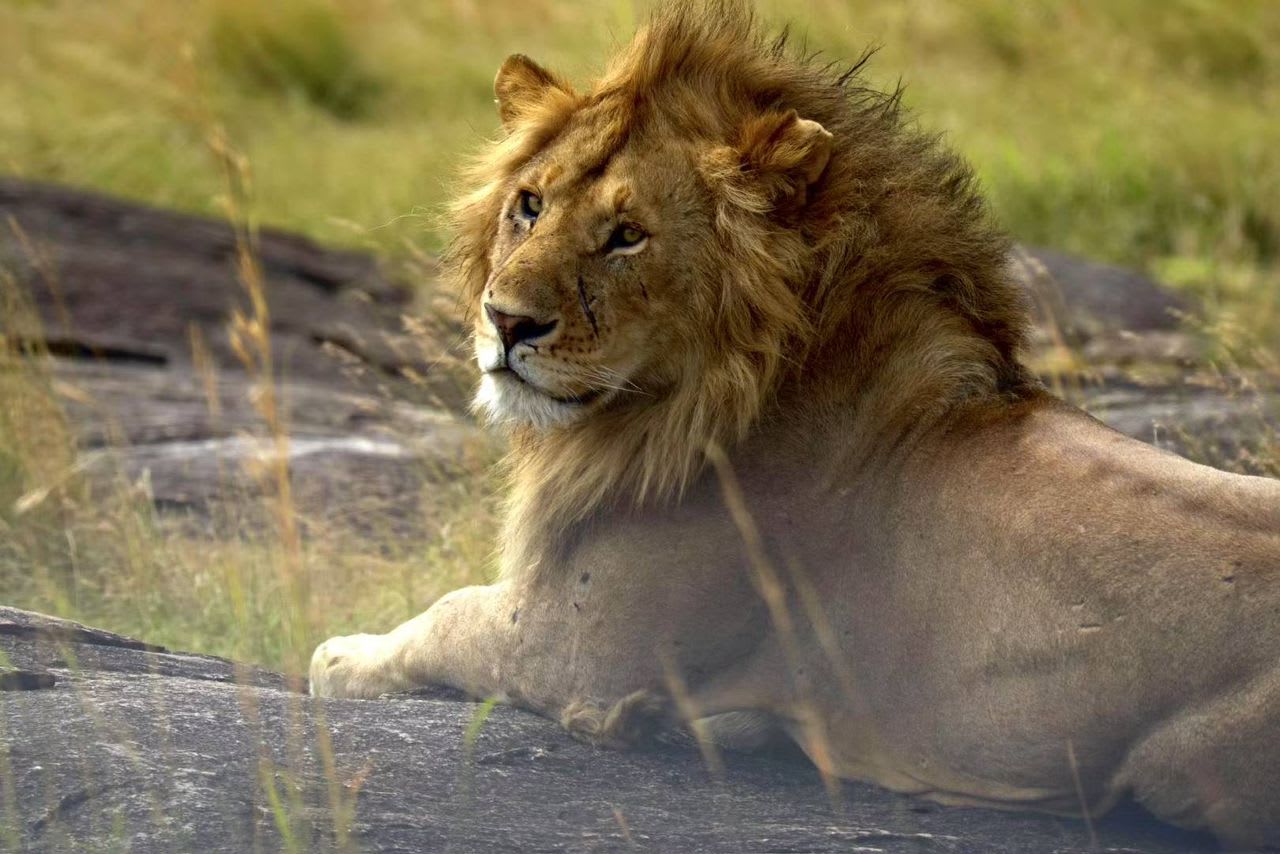
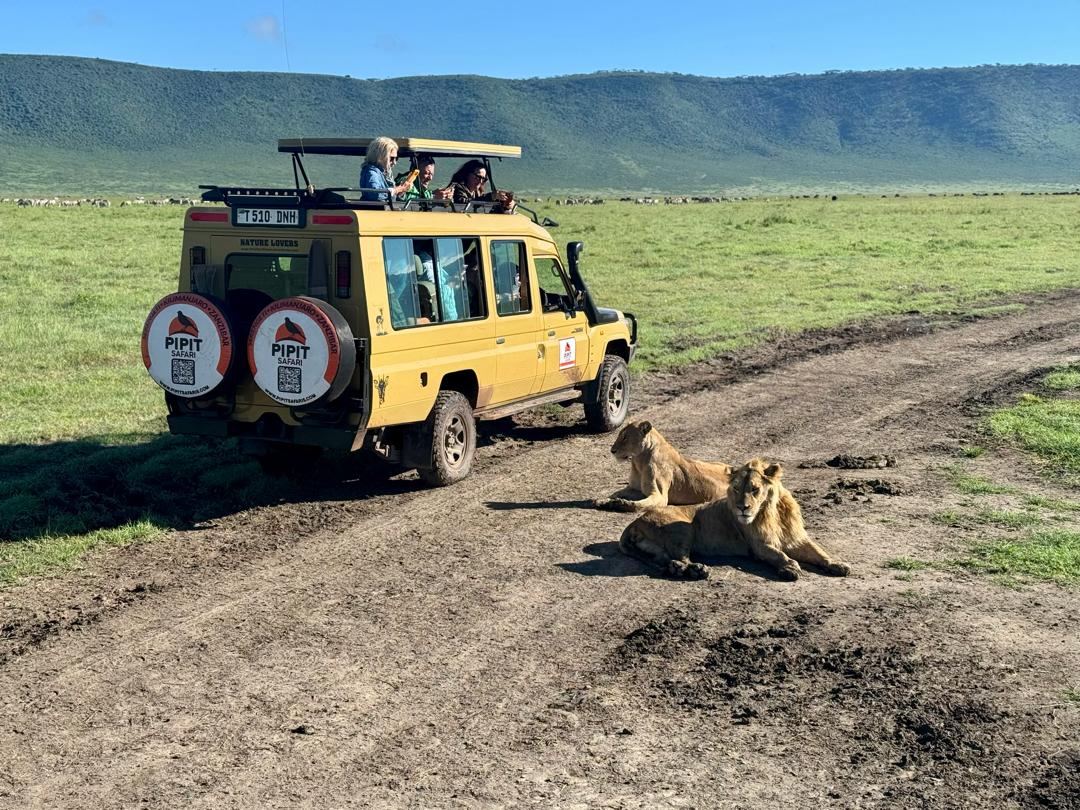
Lions are a flagship species for Tanzania's conservation identity and tourism appeal. The Lion Recovery Fund maintains a project database tracking lion populations and conservation efforts across protected areas, including Serengeti, Tarangire, and Ruaha. Lion populations face pressure from habitat loss, prey depletion, and conflict with pastoral communities. Programmes like the Ngorongoro Human-Carnivore Conflict Mitigation Project directly support lion survival by reducing retaliatory killings and improving livestock protection.
Similarly, African elephant conservation remains a cornerstone of Tanzanian protected area management. The EU's MIKE programme tracks elephant poaching trends and supports ranger training in key reserves. Elephants are keystone species: their movement, feeding, and habitat alteration shape entire ecosystems and are critical to the Serengeti migration.
Tourism's Role: Funding Conservation While Managing Impact
Safari tourism is a double-edged conservation tool. On one hand, it generates revenue (USD 2.5 billion annually) that pays ranger salaries, funds anti-poaching operations, and supports community projects. On the other hand, unmanaged tourism can degrade habitats, stress wildlife, and concentrate benefits among lodge operators while excluding local communities.
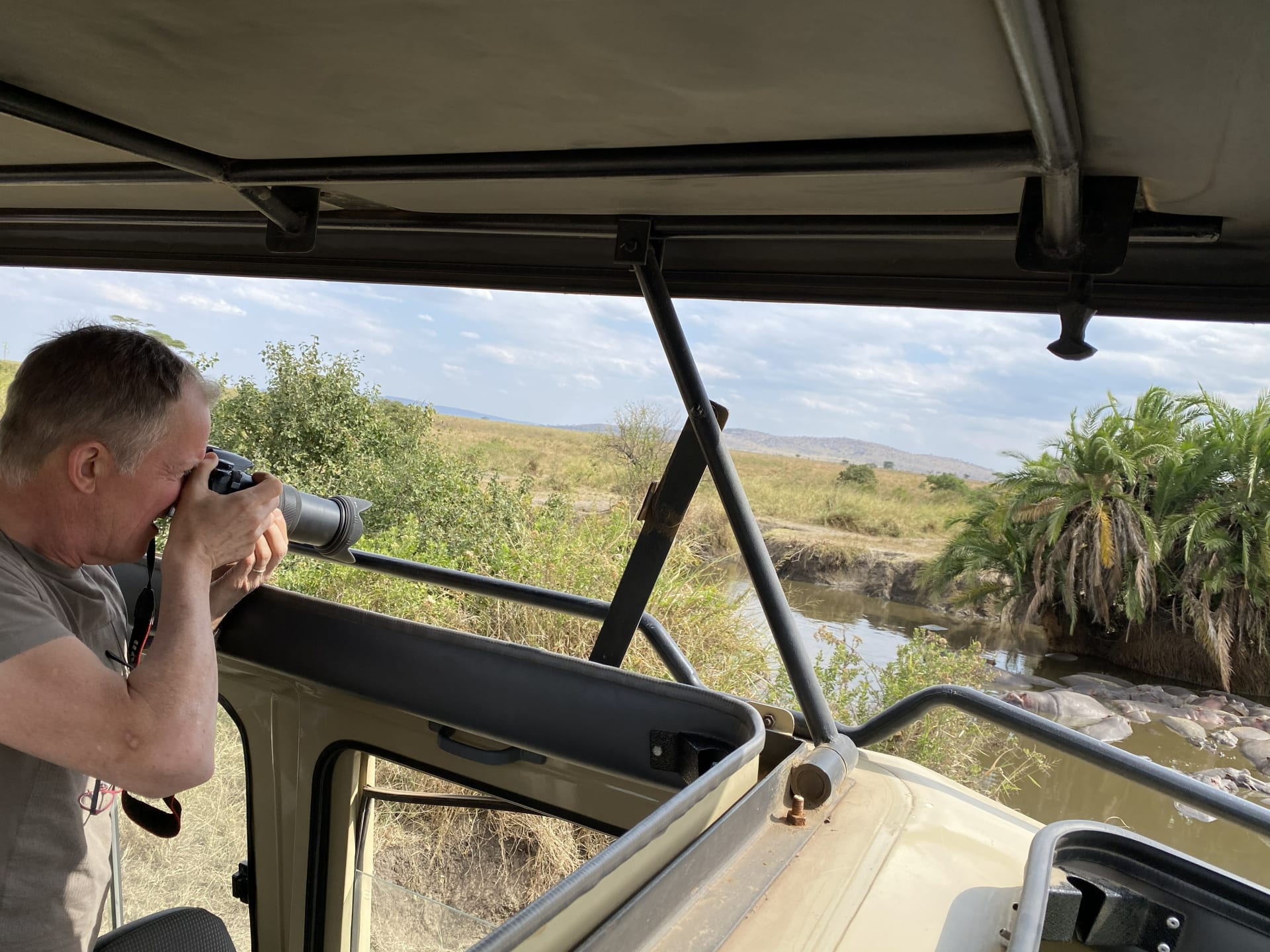
When you book a safari through responsible safari operators, your fees directly support park management. TANAPA reinvests park revenue into ranger training, vehicle maintenance, and anti-poaching technology. Community-based tourism enterprises allow local guides and hospitality workers to earn income, creating economic incentives for wildlife protection.
However, travellers should be mindful of their footprint. Responsible safari practices—following park rules, respecting wildlife distance guidelines, supporting local guides, and staying in certified lodges—ensure that tourism remains a force for conservation rather than degradation.
Results, Progress, and Honest Challenges
What's Working
- Ranger Investment: The Lion Recovery Fund's commitment to ranger salaries and equipment has stabilised park operations and improved anti-poaching effectiveness. 600+ rangers now have reliable income and better tools.
- Cross-Border Cooperation: The 2026 Uganda–Tanzania exchange demonstrates that regional governments are learning from each other and strengthening collaborative governance.
- Corridor Identification: The formal 2022–2026 Wildlife Corridors Action Plan provides a roadmap for landscape-scale conservation and has begun integrating wildlife education into national school curricula.
- Community-Based Models: Revenue-sharing schemes and human-carnivore conflict mitigation projects are reducing retaliatory killings and improving local buy-in for conservation.
- Ecosystem Integrity: The Serengeti migration remains the world's largest unaltered migration, a testament to decades of protection despite pressure.
Persistent Challenges
- Funding Gaps: While international donors have invested significantly, domestic government funding for parks remains insufficient. The COVID-19 experience showed how quickly conservation can collapse without tourism revenue.
- Poaching Networks: Organised, armed poaching—often linked to international trafficking syndicates—continues to operate in remote reserves. Enforcement capacity, while improving, remains stretched.
- Human Encroachment: Land-use planning remains fragmented. Formal corridor designation is progressing, but enforcement of boundaries and compensation for communities who forgo development remain weak.
- Community Benefit Distribution: Revenue-sharing schemes exist in theory but are often ineffective in practice due to corruption, poor communication, and insufficient fund amounts.
- Climate Vulnerability: Tanzania's wildlife ecosystems face increasing pressure from drought, changing rainfall patterns, and habitat degradation linked to climate change. Long-term adaptation strategies are still emerging.
- Institutional Capacity: TANAPA and government agencies face staffing and technical constraints. Dependence on international NGO support, while necessary, is not a sustainable long-term solution.
How Travellers Can Support Conservation
If you're planning a safari to Tanzania, your choices matter:
- Book through certified operators: Choose safari companies that are transparent about their conservation partnerships, fair-wage practices, and community engagement. SafariFind's verified operator directory can help you identify responsible providers.
- Stay in community-based lodges: Lodges owned or co-managed by local communities ensure that tourism revenue flows directly to those bearing the conservation burden.
- Support conservation fees: Many parks now charge voluntary conservation contributions. These fees directly fund ranger salaries and anti-poaching operations.
- Respect wildlife: Follow park rules, maintain distance from animals, and avoid flash photography or loud behaviour that stresses wildlife.
- Learn and share: Educate yourself about conservation challenges and share what you learn with others. Informed tourists are advocates for protection.
- Visit during sustainable seasons: Off-peak travel reduces habitat pressure and benefits local economies by spreading tourism income year-round.
For visa requirements and health preparations, consult official guidance before booking.
The Path Forward: 2026 and Beyond
Tanzania's national parks stand at a crossroads. The ecosystems they protect are globally irreplaceable—the Serengeti migration, the Ngorongoro crater, the montane forests—but they face intensifying pressure from human population growth, climate change, and persistent poaching networks.
Success will require:
- Sustained domestic funding: Tanzania must increase government budgets for park management to reduce dependence on volatile tourism revenue and international donors.
- Effective land-use planning: The 2022–2026 Wildlife Corridors Action Plan must move from paper to implementation, with formal corridor protection and community compensation.
- Ranger empowerment: Continued investment in ranger salaries, training, and equipment is non-negotiable. Rangers are conservation's frontline, and they deserve professional support.
- Community-centred conservation: Revenue-sharing and conflict-mitigation schemes must be strengthened, transparent, and genuinely beneficial to local populations.
- Regional cooperation: Cross-border initiatives with Kenya, Uganda, and other neighbours will enhance landscape-scale conservation and wildlife corridor protection.
- Climate adaptation: Protected areas must be managed with climate resilience in mind, including habitat restoration and species translocation where necessary.
Tanzania's conservation story is one of remarkable achievement—the Serengeti migration, the Ngorongoro ecosystem, and dozens of other protected areas represent some of Earth's greatest conservation successes. But the story is unfinished. The next chapter depends on the commitment of Tanzanian institutions, international partners, responsible tourism, and an informed global community that values these ecosystems enough to sustain the investment required to protect them.
Last reviewed July 2026. Conservation data changes — see the cited sources for the latest figures.
 Ask Tembo about this guide
Frequently Asked Questions
What are the best safari operators in Tanzania for responsible wildlife viewing?
Tanzania has many safari operators, but responsible ones share these traits: transparent conservation partnerships, fair wages for local staff, community engagement, and adherence to wildlife viewing guidelines. SafariFind's verified operator directory lists companies that meet these standards. Look for operators affiliated with TANAPA (Tanzania National Parks) conservation programmes and community-based conservation initiatives. Before booking, ask operators directly about their conservation contributions and community benefit-sharing model.
How much does a 7-day safari to Tanzania cost in 2026?
A 7-day Tanzania safari typically ranges from USD 2,500–5,000 per person for mid-range operators, and USD 5,000–12,000+ for luxury lodges. Costs depend on park choice (Serengeti, Ngorongoro, Tarangire), season, lodge category, and operator. Budget safaris may be cheaper but often offer less conservation benefit. The best-value safaris balance affordability with genuine conservation impact—operators that reinvest fees into ranger support and community projects. Get quotes from multiple operators and ask what portion of your fee goes directly to park management.
What is the best time to visit the Serengeti migration?
The Serengeti's famous wildebeest migration follows rainfall and grass growth in two main phases: the Southern Plains migration (December–March) features newborn calves and dense herds on nutrient-rich grasslands; the Northern River Crossing (June–October) showcases the dramatic Grumeti and Mara river crossings as herds move toward Kenya. Each phase offers different wildlife viewing and photographic opportunities. The best time depends on what you want to see: calves and dense herds prefer December–March; river action and predator activity favour June–September. Off-season travel (April–May, November) offers lower prices, fewer crowds, and still-excellent wildlife viewing.
How does wildlife tourism funding support conservation in Tanzania's national parks?
Tourism revenue generates approximately USD 2.5 billion annually for Tanzania's economy (2022). Park entrance fees, safari operator payments, and accommodation revenue flow to TANAPA (Tanzania National Parks) and are reinvested in ranger salaries, anti-poaching operations, vehicle maintenance, and community development. The Lion Recovery Fund has invested nearly USD 9 million to support ranger operations, and community-based tourism enterprises ensure local guides and hospitality workers earn income from conservation. However, funding remains insufficient: ranger salaries are often low, and COVID-19 demonstrated how vulnerable parks are to tourism disruption. Responsible tourism—booking through certified operators and supporting community lodges—maximises conservation benefit.
What is human-wildlife conflict in Tanzania, and how is it being addressed?
Human-wildlife conflict occurs when wildlife raids crops, kills livestock, or occasionally injures humans. In villages around Arusha National Park, 75% of households experience such conflicts. This drives retaliatory killings of lions, elephants, and other species, undermining conservation. Mitigation strategies include compensation schemes (paying farmers for crop loss), improved livestock enclosures (bomas), community education, and non-lethal deterrents like beehive fences. The Cheetah Conservation Initiative runs the Ngorongoro Human-Carnivore Conflict Mitigation Project. However, these programmes are underfunded and reach only a fraction of affected communities. Sustainable solutions require adequate compensation budgets, community participation, and tangible local benefits from conservation.
Which Tanzania national parks are best for seeing lions and elephants?
Serengeti National Park and Ngorongoro Conservation Area are premier destinations for both lions and elephants, with large, habituated populations visible on game drives. Tarangire National Park is renowned for elephant concentrations, especially in the dry season (June–October). Ruaha National Park, Tanzania's largest park, offers excellent lion and elephant viewing with fewer crowds. Mkomazi National Park in the north is smaller and less visited but supports recovering lion populations. The Lion Recovery Fund and Frankfurt Zoological Society actively monitor and protect lions across these parks. For the best chance of sightings, visit during the dry season (June–October) when wildlife concentrates around remaining water sources.
What threatens Tanzania's national parks, and why is conservation funding critical?
Tanzania's protected areas face four major threats: (1) Poaching, driven by ivory demand and organised trafficking networks; (2) Habitat fragmentation from human encroachment and agriculture; (3) Human-wildlife conflict that drives retaliatory killings; (4) Climate change and drought, which stress wildlife and reduce habitat. COVID-19 exposed a critical vulnerability: when tourism revenue collapsed, 79% of African protected area directors couldn't maintain basic operations without emergency support. Tanzania's parks depend on a mix of government funding (insufficient), international donors (volatile), and tourism revenue (tourism-dependent). Sustainable conservation requires increased domestic government investment, reliable international support, and diversified funding sources. Travellers who book safaris through responsible operators directly support ranger salaries and anti-poaching operations.
Are Tanzania safaris sustainable and ethical in 2026?
Tanzania's safari industry can be sustainable and ethical if you choose operators carefully. Responsible operators: partner transparently with TANAPA and conservation NGOs; pay fair wages to local staff; support community-based conservation initiatives; adhere to wildlife viewing guidelines; and reinvest revenue into park management. Red flags include operators that minimise conservation contributions, exclude local communities from decision-making, or ignore wildlife disturbance rules. The 2022 Library of Congress report recommends supporting CBNRM (community-based natural resource management) programmes and operators that prioritise community benefit distribution. Before booking, ask operators directly about their conservation partnerships and community engagement. SafariFind's verified operator directory can help you identify ethical providers.
What is the wildlife corridor initiative in Tanzania, and why does it matter?
Tanzania's 2022–2026 Wildlife Corridors Assessment, Prioritization, and Action Plan formally identifies priority wildlife corridors and migration routes essential for population connectivity and genetic diversity. Corridors link protected areas and allow wildlife to migrate, breed, and recover. Without corridors, populations become isolated and vulnerable to extinction. The plan addresses land-use planning challenges, community compensation, and school education integration. However, implementation remains slow due to competing land-use demands, unclear land-use rights, and insufficient community benefits. Success requires formal corridor protection, effective land-use planning, and community engagement. Travellers can support corridor conservation by visiting parks that span corridors (Serengeti–Ngorongoro–Masai Mara) and choosing operators that educate guests about landscape-scale conservation.
How can I ensure my Tanzania safari contributes to conservation?
Choose safaris through operators that (1) are certified or partnered with TANAPA and international conservation NGOs like Frankfurt Zoological Society or African Wildlife Foundation; (2) employ local guides and staff at fair wages; (3) support community-based conservation initiatives; (4) contribute directly to anti-poaching and ranger operations; (5) adhere strictly to wildlife viewing guidelines to minimise habitat disturbance. Opt for community-based lodges where revenue flows to local communities. Pay voluntary conservation fees if offered. Stay in certified eco-lodges that minimise environmental impact. Travel during sustainable seasons (off-peak) to reduce pressure. Learn about conservation challenges and share knowledge with others. SafariFind's operator directory and conservation guides can help you make informed choices.
What is Tanzania's role in regional wildlife conservation in East Africa?
Tanzania is a regional conservation leader, particularly through the Serengeti ecosystem (shared with Kenya) and cross-border initiatives. In April 2026, Uganda's Ministry of Tourism, Wildlife and Antiquities visited Tanzania to learn from its community-based conservation and revenue-sharing models. Tanzania's Ministry of Natural Resources and Tourism coordinates with Kenya, Uganda, and other neighbours on wildlife corridor protection and shared species management. The Serengeti–Mara ecosystem is managed collaboratively with Kenya, and Tanzania's experience with human-carnivore conflict mitigation (Ngorongoro project) is becoming a model for the region. However, effective regional conservation requires sustained political commitment, adequate funding, and mechanisms to resolve cross-border conflicts over wildlife access and land use.
Sources
- Conservation Serengeti - Wildlife protection and community support in Tanzania's Serengeti National Park
- Biodiversity and Conservation in Tanzania | Congress.gov (Library of Congress CRS Report R48146, July 2024)(official)
- Serengeti National Park - Frankfurt Zoological Society
- Mkomazi Game Reserve (MGR) | Indigenous Rights and Protected Areas
- Ngorongoro Conservation Area | Indigenous Rights and Protected Areas
- Private Management of African Protected Areas Improves... (World Bank Document)
- Africa's Rangers: Guardians of the Wilderness • Wildlife Conservation Network
- Tanzania | Wikipedia
- TANZANIA WILDLIFE CORRIDORS ASSESSMENT, PRIORITIZATION, AND ACTION PLAN 2022–2026(official)
- Conservation Challenges and Human-Wildlife Conflicts around Arusha National Park, Tanzania
- Ngorongoro Conservation Area (multiple sources: Lion Recovery Fund, Cheetah Conservation Initiative, Wild Survivors)
- A Radical Reset for Conservation in Africa - YES! Magazine (April 2020 IUCN Survey)
- Africa's Rangers: Guardians of the Wilderness (Selous Game Reserve, TAWA)
- Mkomazi Game Reserve (TANAPA management transfer 2018)
- Learning Across Borders: Uganda and Tanzania Strengthen Wildlife Conservation Partnership (World Bank, July 2026)
- Frankfurt Zoological Society Serengeti Programme
- Lion Recovery Fund Investment in Ranger Support (USD 9 million, 600+ rangers)
- Wildlife Management Studies – School for Field Studies (responsible safari practices)
Related to
Ready to start your safari adventure?
Explore curated safari packages and find your perfect African adventure with verified operators.