September 2026 Zimbabwe Safari: Peak Wildlife & Real Costs
September 2026 Zimbabwe safari guide: peak wildlife season, real daily costs ($325–$1,800+), Hwange elephants, Victoria Falls. Book verified operators on SafariFind.

September 2026 Zimbabwe Safari: Peak Wildlife & Real Costs
Last updated: July 2026
September 2026 is prime safari season in Zimbabwe, offering exceptional wildlife viewing with comfortable temperatures and daily costs ranging from $325 to $1,800+ per person depending on your experience level. Hwange National Park delivers world-class elephant encounters while Victoria Falls provides iconic natural beauty. Book verified operators on SafariFind to compare packages and secure the best rates before peak season fills up.
At a Glance
- Cost: $325–$1,800+ per person per day (budget to luxury)
- Best time: September offers dry conditions and peak wildlife concentration
- Duration: 7–10 days recommended for full experience
- Best for: Wildlife photographers, first-time safari-goers, budget-conscious travelers, and luxury seekers
- Main parks: Hwange National Park (largest elephant population in Africa), Victoria Falls, Zambezi National Park
- Wildlife highlights: Elephants, lions, buffalo, zebras, giraffes, over 400 bird species
What is a September 2026 Zimbabwe Safari?
A September 2026 Zimbabwe safari is a guided wildlife experience during Africa's dry season when animal viewing reaches peak levels. Zimbabwe safaris combine the natural wonder of Victoria Falls with pristine wildlife viewing in protected parks like Hwange, creating a complete African adventure. The country offers exceptional value compared to neighboring Botswana and Kenya, with diverse accommodation options ranging from budget camps to ultra-luxury lodges.
September represents the sweet spot of Zimbabwe's dry season—animals concentrate around remaining water sources, vegetation thins out, and temperatures remain comfortable for extended game drives. This timing means you'll see more wildlife with less effort than visiting during wetter months. The combination of affordability and wildlife density makes September one of the year's best safari months across all of Africa.
Why Choose Zimbabwe in September?
Zimbabwe safaris deliver world-class wildlife experiences at a fraction of costs in Kenya or Botswana. Hwange National Park is home to Africa's largest elephant population, with over 45,000 elephants roaming the park. You'll encounter lions, buffalo, zebras, and more than 400 bird species in their natural habitat. Victoria Falls adds a spectacular natural wonder to your safari, offering adventure activities like white-water rafting and scenic helicopter tours.
September weather in Zimbabwe is ideal for safari activities. Daytime temperatures range from 75–85°F (24–29°C), comfortable for extended game drives without extreme heat. Early mornings remain cool, perfect for spotting predators actively hunting. The dry landscape makes animal tracking easier—guides can spot movement from greater distances. Water sources shrink significantly, concentrating wildlife in predictable locations where experienced guides know exactly where to find them.
SafariFind connects you with verified Zimbabwe tour operators who offer transparent pricing and authentic traveler reviews. Browse verified Zimbabwe safari packages to compare options across different budgets and experience levels.
Understanding Zimbabwe Safari Costs in 2026
Zimbabwe safari pricing in 2026 is structured around three main tiers: budget, mid-range, and luxury experiences. Daily rates range from $325 per person at entry-level lodges to $1,800+ at five-star properties. These costs typically include accommodation, twice-daily game drives, meals, and house beverages, though park entrance fees and tips are usually separate.
Budget Safari Costs ($325–$500 per person daily)
Budget Zimbabwe safaris offer excellent value without sacrificing quality wildlife viewing. At this price point, you'll stay in simple but comfortable camps with basic amenities—shared facilities, limited electricity, and no air conditioning. Budget operators focus on game viewing rather than luxury, so you'll spend more time in the field spotting animals. These packages typically include two game drives daily, three meals, and park fees.
Budget safaris work best for travelers prioritizing wildlife over comfort, or those visiting for 7+ days where accommodation cost per night matters less. You'll share game drive vehicles with other guests, reducing per-person costs. Many budget operators are family-run businesses offering authentic, personalized service. Entry-level Hwange packages start around $400–$500 per person for a 3-day safari including all meals and drives.
Mid-Range Safari Costs ($500–$750 per person daily)
Mid-range Zimbabwe safaris balance comfort with value, offering private or semi-private game drives, en-suite bathrooms, and reliable electricity. You'll stay in well-maintained lodges with quality meals prepared by experienced cooks. At this tier, guides are typically more experienced and knowledgeable about animal behavior and park ecology. Mid-range packages suit most first-time safari-goers seeking a complete experience without premium pricing.
A typical 7-day mid-range safari costs $3,500–$5,250 per person including accommodation, all meals, twice-daily game drives, and park entrance. Many mid-range operators in Zimbabwe offer flexible add-ons like Victoria Falls day trips ($150–$250), bush walks, or night game drives. This tier provides excellent wildlife viewing opportunities without the inflated luxury markup.
Luxury Safari Costs ($850–$1,800+ per person daily)
Luxury Zimbabwe safaris provide premium accommodations, personalized service, and exclusive experiences in private concessions or premium park areas. You'll enjoy spacious suites with en-suite bathrooms, gourmet meals, fine wines, and often private game drive vehicles with your own guide. Many luxury lodges include activities like bush breakfasts, guided walks, and sunset game drives in their rates.
A 7-night luxury safari in Zimbabwe costs $5,950–$12,600+ per person depending on lodge tier and inclusions. Premium operators focus on small group sizes (often 4–8 guests maximum) and offer exclusive access to wildlife viewing areas. Luxury safaris suit travelers seeking premium comfort, photography-focused experiences, or celebrating special occasions. Compare specific luxury lodge options on SafariFind's detailed lodge guide to see amenities and real traveler reviews.
Why September is Peak Season in Zimbabwe
September 2026 marks the climax of Zimbabwe's dry season, when wildlife viewing reaches annual peak levels. The combination of scarce water, thin vegetation, and predictable animal behavior creates ideal conditions for safari success. This is when professional wildlife photographers and serious safari enthusiasts plan their trips to maximize sighting probability.
Wildlife Concentration and Behavior
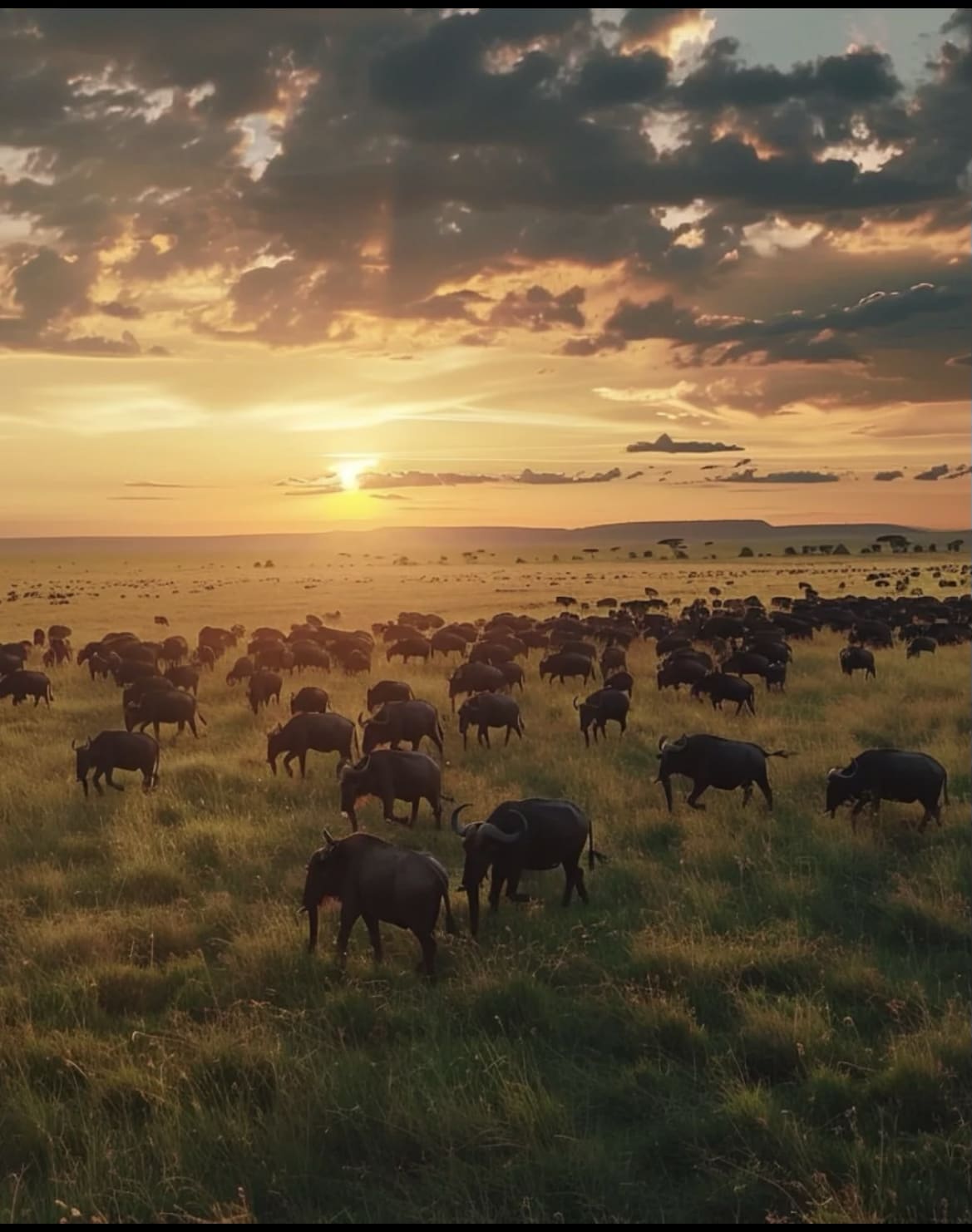
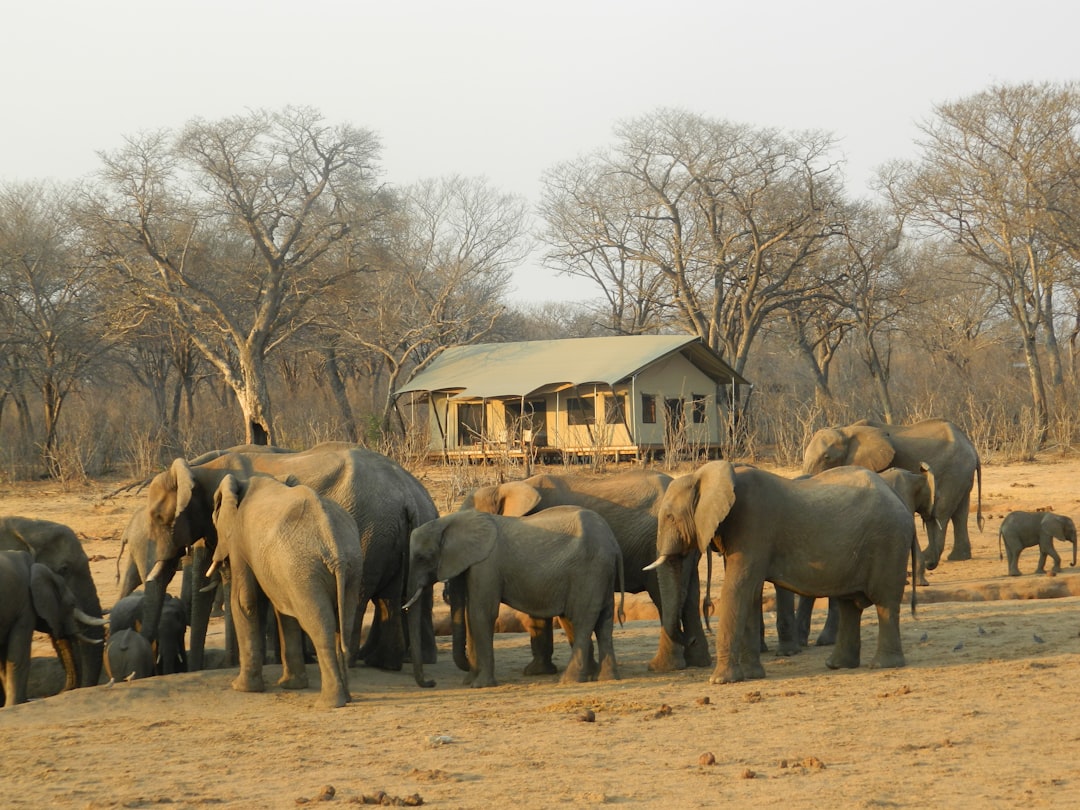
As water sources dry up across Zimbabwe's parks, animals concentrate around remaining waterholes and river sections. This natural funnel effect means you'll encounter far more wildlife during game drives compared to wetter seasons. In Hwange National Park, the 65 artificial waterholes managed by park authorities become gathering points where you might see 50+ elephants at a single watering site. Lions, buffalo, zebras, and giraffes follow the same pattern, creating exceptional viewing opportunities.
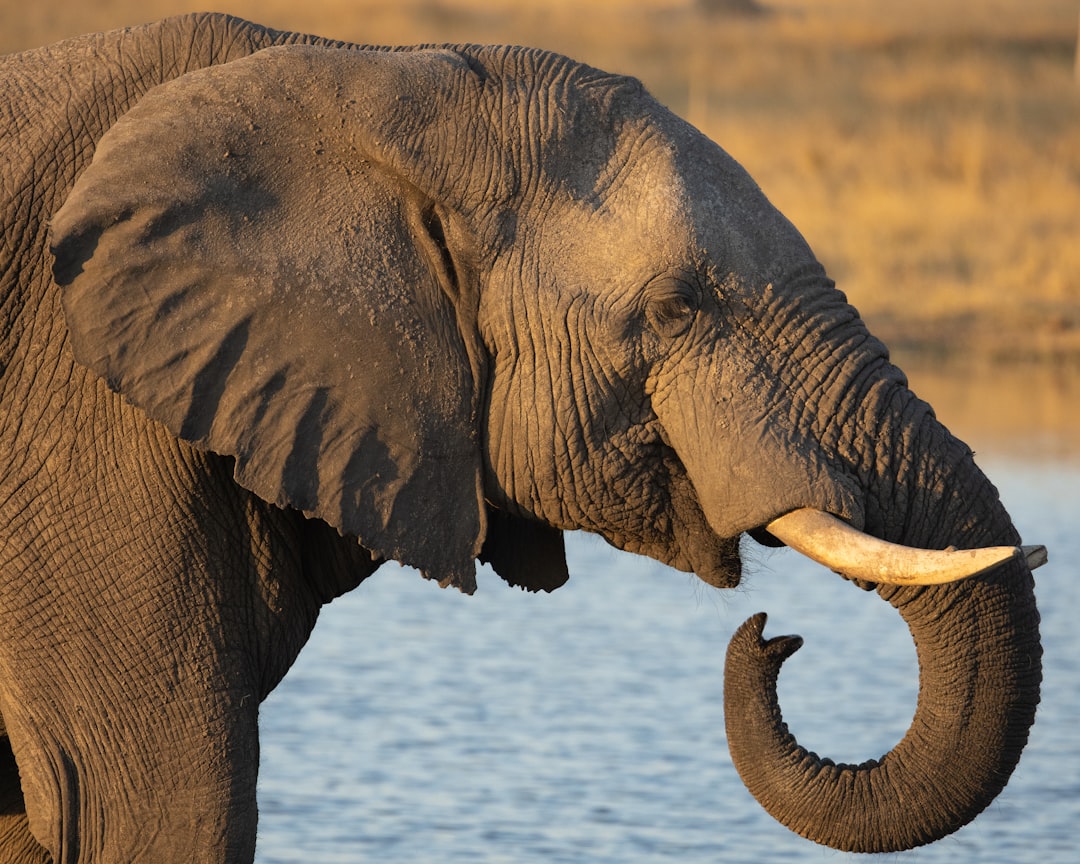
Animal behavior in September also favors safari-goers. Predators are more active and visible as they hunt concentrated prey populations. Elephants become more vocal and social, gathering in larger family groups. Birds are especially active, with over 400 species present in Zimbabwe's parks. Early mornings and late afternoons deliver the most dramatic sightings as animals move between feeding and drinking areas.
Weather and Comfort Conditions
September weather in Zimbabwe remains comfortable for extended game drives. Daytime temperatures peak around 82–86°F (28–30°C), warm but manageable with proper clothing and sun protection. Early mornings start cool around 60°F (15°C), requiring a light jacket for dawn game drives. By mid-morning, temperatures rise steadily, making midday rest periods necessary at most lodges.
Rainfall in September is virtually nonexistent, ensuring game drives proceed without weather delays. The dry landscape reduces vegetation density, improving wildlife visibility from safari vehicles. Dust on dirt roads can obscure distant sightings, but experienced guides navigate around this challenge. The combination of dry conditions, moderate temperatures, and concentrated wildlife makes September statistically the best safari month in Zimbabwe for sighting success rates.
Main Safari Destinations and Wildlife Viewing
Zimbabwe offers several world-class safari destinations, each with distinct wildlife viewing opportunities and price points. Hwange National Park dominates for elephant viewing, while Victoria Falls provides iconic natural beauty and adventure activities. Zambezi National Park offers underrated wildlife experiences at lower costs than Hwange.
Hwange National Park: Africa's Elephant Haven
Hwange National Park covers 5,657 square miles (14,650 km²) and is home to Africa's largest elephant population—over 45,000 individuals. The park sits in northwestern Zimbabwe near the Botswana border, requiring a 1-hour flight from Harare or 10-hour drive from Victoria Falls. Hwange offers exceptional elephant encounters, with September providing peak viewing as animals concentrate around waterholes.
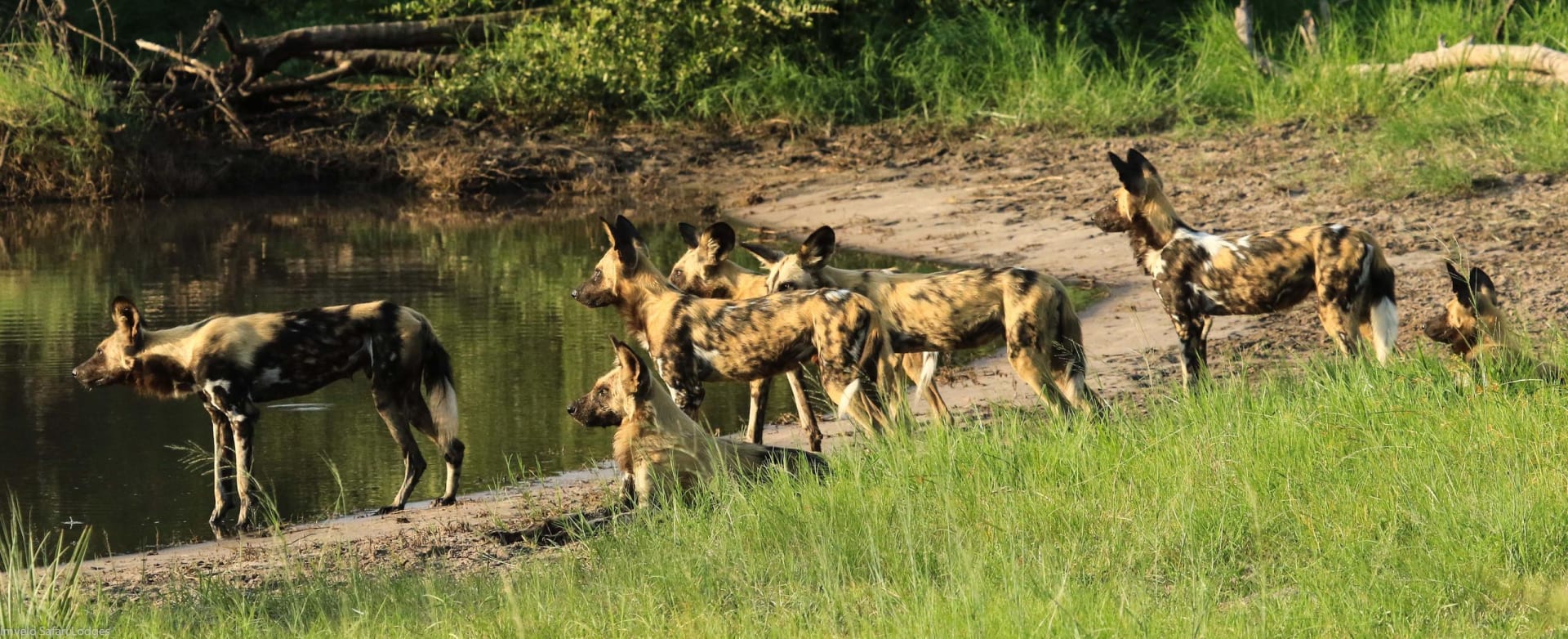
Beyond elephants, Hwange supports lions, buffalo, zebras, giraffes, wild dogs, and over 400 bird species. The park's diverse habitats—from open grasslands to dense woodland—support varied wildlife communities. Most Hwange safari packages include twice-daily game drives, often with options for night drives (extra cost) where nocturnal species like hyenas and African wild cats become visible. A 3-day Hwange safari costs $1,200–$2,400 per person at mid-range lodges, while luxury options run $3,000–$6,000.
Victoria Falls and Surrounding Area
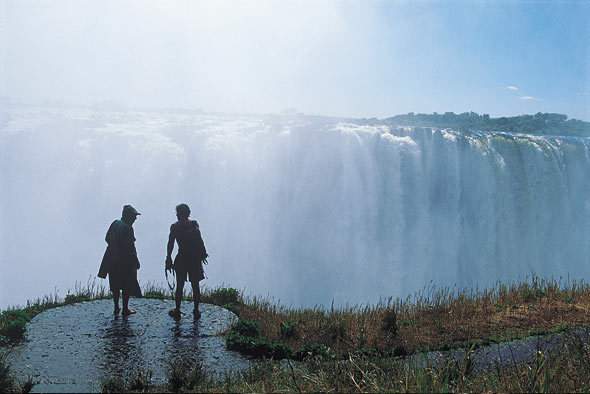
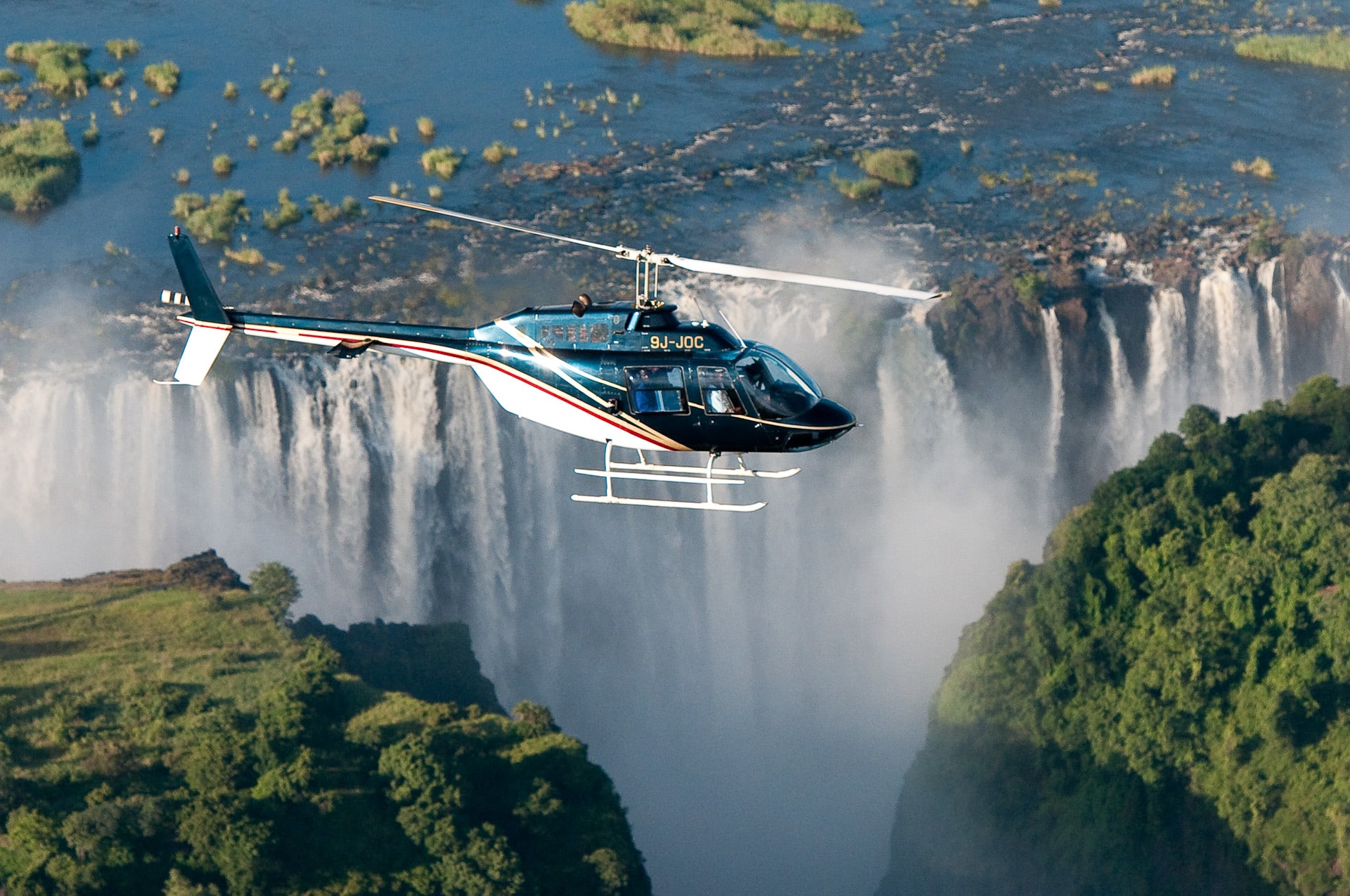
Victoria Falls ranks among the Seven Natural Wonders of the World, with a water curtain 5,604 feet (1,708 meters) wide and 355 feet (108 meters) high. The falls create a spectacular backdrop for adventure activities including white-water rafting, helicopter tours, and bungee jumping. While Victoria Falls itself isn't a traditional game park, the surrounding Zambezi National Park offers wildlife viewing with fewer tourists than Hwange.
A Victoria Falls experience typically combines 1–2 days of falls sightseeing with 2–3 days of Zambezi National Park wildlife viewing. Costs for Victoria Falls accommodations range from $400–$500 per night (budget) to $1,200+ (luxury). Adventure activities add $100–$500 per person. Many travelers combine Victoria Falls with Hwange on a 7–10 day safari for a complete Zimbabwe experience, increasing overall costs but providing unmatched variety.
Zambezi National Park: The Hidden Gem
Zambezi National Park stretches along the Zambezi River between Victoria Falls and Hwange, offering exceptional wildlife viewing at lower costs than Hwange's premium lodges. The park covers 1,350 square miles (3,500 km²) and supports healthy populations of elephants, lions, buffalo, and over 350 bird species. September water levels in the Zambezi River concentrate animals, creating excellent sighting opportunities.
Zambezi National Park attracts fewer tourists than Hwange, meaning game drives often feel more exclusive and wildlife is less habituated to vehicles. This can create more authentic safari experiences. Zambezi packages cost 20–30% less than comparable Hwange safaris—expect $250–$400 per person daily at mid-range lodges. A 3-day Zambezi safari costs $750–$1,200 per person, making it ideal for budget-conscious travelers.
Comparing Zimbabwe to Neighboring Destinations
Zimbabwe offers exceptional value compared to Botswana, Kenya, and Tanzania, making it attractive for budget-conscious safari-goers without compromising wildlife quality. Understanding how Zimbabwe stacks up against neighbors helps you make informed destination choices for September 2026.
| Destination | Daily Cost Range | Peak Wildlife Month | Top Park | Best For |
|---|---|---|---|---|
| Zimbabwe | $325–$1,800+ | September | Hwange (elephants) | Budget travelers, elephant photography |
| Botswana | $500–$2,500+ | July–September | Okavango Delta | Luxury seekers, water-based safaris |
| Kenya | $400–$2,000+ | July–October | Masai Mara | Great Migration viewers, diverse wildlife |
| Tanzania | $350–$1,900+ | July–October | Serengeti | Great Migration, diverse ecosystems |
Zimbabwe's cost advantage is significant. A comparable mid-range safari in Botswana costs 40–50% more than Zimbabwe's equivalent experience. Kenya and Tanzania offer iconic Great Migration experiences unavailable in Zimbabwe, but basic wildlife viewing costs less in Zimbabwe. For travelers prioritizing elephants and budget consciousness, Zimbabwe is unmatched. Read SafariFind's detailed Zimbabwe vs. Botswana comparison for deeper analysis of value and wildlife quality across both destinations.
Planning Your September 2026 Zimbabwe Safari
Successful safari planning requires advance booking, realistic budgeting, and understanding what to pack for September conditions. Most experienced travelers book Zimbabwe safaris 3–6 months ahead to secure preferred lodges and guides at better rates.
Booking Timeline and Strategy
Book your September 2026 Zimbabwe safari by June 2026 to access the best rates and lodge availability. Peak-season prices increase significantly as September approaches, with last-minute bookings often paying 15–20% premiums. Early booking also allows time to arrange visas, vaccinations, and travel insurance without rushing.
When booking, prioritize operators with verified reviews on SafariFind showing consistent positive feedback about guide quality, vehicle maintenance, and animal sightings. Read reviews mentioning September specifically—seasonal variations affect sighting success. Request detailed itineraries showing exact game drive schedules, meal times, and included activities before committing. Ask about group size caps—smaller groups (4–6 people) typically offer better wildlife viewing than larger groups.
What to Pack for September Weather
Pack layers for September's temperature swings—cool mornings (60°F/15°C) warming to hot afternoons (85°F/29°C). Bring lightweight, neutral-colored clothing that blends with the landscape (avoid bright white or black). Essential items include a wide-brimmed hat, high-SPF sunscreen, sunglasses, and insect repellent (mosquitoes are minimal in September but still present). Binoculars magnifying 8–10x help spot distant wildlife from the vehicle.
Comfortable walking shoes are essential for bush walks and lodge exploration. Most lodges require closed-toe footwear for safety reasons. Bring a light fleece or jacket for early morning drives. A camera with a good zoom lens (minimum 200mm) improves wildlife photography significantly. Neutral-colored long pants and long-sleeved shirts offer sun protection and reduce insect bites. Leave behind bright patterns, perfume, and cologne that disturb wildlife.
Health and Safety Preparation
Consult your doctor 4–6 weeks before travel about malaria prophylaxis (anti-malaria medication). September is Zimbabwe's low-malaria season, but risk exists especially in lower-altitude parks like Zambezi. Vaccinations for yellow fever, typhoid, and routine immunizations are typically recommended. Travel insurance covering medical evacuation is essential for remote safari areas.
Zimbabwe is generally safe for tourists in developed areas and established safari parks. Use common sense—avoid walking alone at night, secure valuables in lodge safes, and follow guide instructions during game drives. Tap water in Harare and Victoria Falls is usually safe; bring bottled water for remote lodge areas. Most safari lodges have first aid facilities and radio contact with emergency services.
Transportation and Getting There
Getting to Zimbabwe's safari destinations involves international flights to Harare or Victoria Falls, followed by regional flights or road transfers to specific parks. Direct flights from North America typically route through European hubs like London or Dubai, taking 18–24 hours total travel time.
International Travel Options
Most international travelers fly into Harare's Robert Gabriel Mugabe International Airport (HRE), Zimbabwe's main hub with connections to Europe, South Africa, and regional African cities. From Harare, you'll take a domestic flight (1 hour) to Hwange or Victoria Falls. Some travelers prefer flying directly to Victoria Falls (VFA) if combining falls sightseeing with nearby safari parks, reducing overall travel time by several hours.
Regional carriers serving Zimbabwe include Air Zimbabwe, South African Airways, and Fastjet. Flight costs from Harare to Hwange typically run $150–$300 per person one-way. Victoria Falls flights cost $100–$250. Most safari packages include these domestic flights in their pricing, though some budget operators charge separately. Budget an extra $50–$100 per person for airport transfers and ground transportation between lodges.
Road Travel Within Zimbabwe
Road transfers between parks are possible but time-consuming. Harare to Hwange is a 10–12 hour drive; Harare to Victoria Falls is 9–10 hours. Most safari packages avoid lengthy road transfers, preferring domestic flights that save 8+ hours of travel time. If you're budget-conscious and have extra time, road transfers cost $50–$100 per person for shared minibus services or $200–$400 for private vehicle hire.
Real-World September 2026 Safari Package Examples
Understanding typical package structures helps you compare operators and identify the best value. These examples represent realistic September 2026 offerings across budget tiers.
Budget Example: 5-Day Hwange Safari (~$1,500–$1,800 per person)
This package includes roundtrip Harare flights, 4 nights in a budget lodge, twice-daily game drives, three meals daily, and park fees. Accommodation is in a basic but clean camp with shared bathrooms. Guides are experienced but may speak limited English. Activities include two game drives daily (early morning and late afternoon) plus afternoon rest. Alcohol and tips are extra. This option suits budget travelers and those visiting 7+ days where daily cost matters less.
Mid-Range Example: 7-Day Hwange & Victoria Falls (~$3,500–$4,500 per person)
This comprehensive package includes roundtrip flights, 3 nights in a mid-range Hwange lodge, 2 nights in Victoria Falls accommodation, twice-daily game drives in Hwange, one Victoria Falls guided tour, all meals, house beverages, and park fees. Hwange lodge features en-suite bathrooms and reliable electricity. Guides speak fluent English and provide wildlife education. Victoria Falls activities might include a scenic helicopter tour or white-water rafting excursion. This represents the most popular choice for first-time safari-goers balancing wildlife and iconic sightseeing.
Luxury Example: 8-Day Premium Experience (~$6,500–$9,000+ per person)
This luxury package includes roundtrip flights, 4 nights in a premium Hwange lodge, 2 nights in a luxury Victoria Falls resort, private game drive vehicles with dedicated guides, gourmet meals with wine pairings, bush breakfast/dinner experiences, and exclusive activities like aerial safaris or hot air balloon rides. Accommodation features spacious suites with en-suite bathrooms, air conditioning, and premium amenities. Small group size (typically 4–8 guests) ensures personalized service and exclusive wildlife viewing areas.
Compare real September 2026 Zimbabwe safari packages on SafariFind to see current pricing, exact itineraries, and verified traveler reviews for each operator.
Insider Tips for Maximizing Your September Safari
Experienced safari-goers use specific strategies to enhance wildlife viewing, reduce costs, and create unforgettable experiences. These insider tips apply specifically to September Zimbabwe safaris.
Timing Game Drives for Peak Sightings
Schedule your most important game drives during early morning (5:30–9:30 AM) and late afternoon (3:30–7:30 PM) when animals are most active. Many animals rest during midday heat, reducing sighting probability. Request dawn departures—guides who leave at 5 AM spot more predators actively hunting than those departing at 6:30 AM. The extra hour makes a measurable difference in sighting success. Most lodges accommodate early departures if requested in advance.
Communicating with Your Guide
Share your wildlife priorities with your guide on the first morning. Photography enthusiasts should mention this—guides will position vehicles for optimal light and angles. If you're interested in specific animals (elephants, lions, wild dogs), guides can focus on habitats where these species concentrate. Experienced guides possess detailed knowledge of individual animals' movement patterns and favorite locations. Building rapport with your guide dramatically improves your safari experience.
Packing Extra Cash for Tips and Activities
Budget an additional $200–$400 for tips (guides typically expect $10–$20 daily), sundry purchases at lodge shops, and optional activities not included in your package. Some lodges offer night game drives, guided bush walks, or photography workshops at extra cost ($50–$150 per activity). Having extra cash avoids the stress of declining worthwhile experiences due to budget constraints.
Key Takeaways
- Book your September 2026 Zimbabwe safari 3–6 months ahead to save 15–20% on peak-season rates and secure your preferred lodge and guide.
- Budget $325–$1,800+ per person daily depending on experience level, with mid-range safaris ($500–$750 daily) offering the best value for most travelers.
- Hwange National Park delivers unmatched elephant viewing with over 45,000 elephants concentrated around waterholes during September's dry season.
- Plan a 7–10 day itinerary combining Hwange wildlife (3–4 days) with Victoria Falls sightseeing (2–3 days) for a complete Zimbabwe experience.
- Request early morning game drive departures (5:30 AM start) to maximize wildlife sightings during peak predator activity periods in September.
Frequently Asked Questions
How much does a September 2026 Zimbabwe safari cost per person?
September 2026 Zimbabwe safaris cost between $325 and $1,800+ per person daily depending on accommodation tier. Budget safaris run $325–$500 daily, mid-range options cost $500–$750 daily, and luxury experiences exceed $850 daily. A typical 7-day safari costs $2,275–$5,250 per person including accommodation, meals, game drives, and park fees. Domestic flights within Zimbabwe add $150–$300 per person.
Why is September the best time to visit Zimbabwe for safari?
September is Zimbabwe's peak dry season when water sources shrink dramatically, concentrating wildlife around remaining waterholes and river sections. This natural funnel effect means you'll encounter far more animals per game drive compared to wetter months. Vegetation is thin from months of grazing, improving wildlife visibility. Temperatures remain comfortable (75–86°F daytime), and rainfall is virtually nonexistent, ensuring uninterrupted game drives. Wildlife sighting success rates peak in September across all of Zimbabwe's parks.
What's the difference between Hwange and Zambezi National Parks?
Hwange National Park covers 5,657 square miles and is Africa's largest elephant population reserve with over 45,000 elephants. Hwange attracts more tourists and offers premium lodge options but higher prices ($400–$1,800+ daily). Zambezi National Park covers 1,350 square miles along the Zambezi River, attracts fewer tourists, and costs 20–30% less ($250–$400 daily). Both parks offer excellent September wildlife viewing, but Hwange specializes in elephants while Zambezi provides more exclusive, less-crowded experiences. First-timers typically prefer Hwange's concentration of lodges and guides.
Do I need malaria medication for September Zimbabwe safari?
September is Zimbabwe's low-malaria season due to dry conditions, but risk remains in lower-altitude parks like Zambezi National Park. Consult your doctor 4–6 weeks before travel about malaria prophylaxis—most physicians recommend anti-malaria medication for Zimbabwe regardless of season. Take antimalarial medication as prescribed, use insect repellent with DEET, and wear long sleeves at dawn and dusk when mosquitoes are most active. Hwange's higher altitude reduces malaria risk compared to riverside parks.
How far in advance should I book a September 2026 Zimbabwe safari?
Book your September 2026 Zimbabwe safari by June 2026 to access the best rates and lodge availability. Peak-season prices increase significantly as September approaches, with last-minute bookings often paying 15–20% premiums. Early booking also provides time to arrange visas, vaccinations, and travel insurance without rushing. Popular mid-range lodges fill 2–3 months ahead, limiting options for late bookers. Use SafariFind to request quotes from verified Zimbabwe tour operators today.
What should I pack for September Zimbabwe weather?
Pack layers for temperature swings—cool mornings (60°F/15°C) warming to hot afternoons (85°F/29°C). Bring lightweight, neutral-colored clothing that blends with the landscape. Essential items include a wide-brimmed hat, high-SPF sunscreen (SPF 50+), quality sunglasses, binoculars (8–10x magnification), and insect repellent. Comfortable walking shoes, long pants, and long-sleeved shirts offer sun and insect protection. Bring a light fleece for early mornings. A camera with 200mm+ zoom lens improves wildlife photography significantly. Leave behind bright patterns and perfume that disturb wildlife.
How do I compare Zimbabwe safari operators on SafariFind?
SafariFind lists verified Zimbabwe safari operators with authentic traveler reviews, ratings, and detailed package information. Search by destination (Hwange, Victoria Falls, Zambezi), budget range, and travel dates to find matching packages. Read recent reviews mentioning September specifically—seasonal variations affect wildlife sighting success. Check operator ratings and review counts to identify consistently reliable companies. Request quotes directly from operators to compare pricing, itineraries, and included activities. SafariFind's transparent review system helps you identify the best value and avoid overpriced operators.
Conclusion
September 2026 represents the absolute peak for Zimbabwe safaris, combining exceptional wildlife viewing, comfortable weather, and unbeatable value compared to neighboring countries. Hwange National Park's 45,000 elephants concentrate around waterholes during the dry season, creating wildlife encounters that exceed most travelers' expectations. Victoria Falls adds a world-class natural wonder to your itinerary, providing adventure activities and iconic photography opportunities.
A typical September 2026 Zimbabwe safari costs $2,275–$5,250 per person for 7 days including accommodation, meals, game drives, and park fees. Mid-range packages ($500–$750 daily) offer the best value for most travelers, balancing comfort with cost-effectiveness. Early morning game drives maximize sighting success, while Victoria Falls combinations transform your safari into a complete African adventure. Book by June 2026 to access the best rates—peak-season prices increase significantly as September approaches.
Compare verified Zimbabwe safari packages on SafariFind today to find operators matching your budget and experience preferences. Read authentic reviews from travelers who visited in September, request detailed itineraries, and confirm included activities before booking. SafariFind's verified operators provide transparent pricing and excellent customer service, ensuring your September 2026 Zimbabwe safari exceeds expectations. Your African adventure awaits—book now before peak season fills up.
Plan Your Safari with SafariFind
These recommendations use real data from SafariFind, where you can compare operators, browse packages, and read verified traveler reviews before you book.
Recommended Safari Operators from SafariFind
Recommended Safari Packages from SafariFind
What Travelers Say (SafariFind Reviews)
References
- Africa Tour Operators - Zimbabwe Safari Tours: Daily costs and pricing structures for budget, mid-range, and luxury safari experiences
- Private Tours Cape Town - Zimbabwe Safari Tours 2026: Hwange National Park elephant population and Victoria Falls specifications
- SafariFind - Zimbabwe Safari in August–October 2026: Peak dry season wildlife viewing and conditions
- African Budget Safaris - African Safari Value Guide July to December: Regional pricing comparisons and value strategies
- Go2Africa - What Does an African Safari Cost: 2026 pricing guidelines for lodge tiers and inclusions
- African Natural Tours - September 2026 African Safari: Seasonal conditions and weather patterns
- African Safari Home - African Safari Pricing Guide 2026/2027: Luxury lodge daily rates and 7-night package costs
Sources
- Africa Tour Operators - Zimbabwe Safari Tours: Daily costs and pricing structures
- Private Tours Cape Town - Zimbabwe Safari Tours 2026: Hwange and Victoria Falls
- SafariFind - Zimbabwe Safari in August–October 2026: Peak dry season
- African Budget Safaris - African Safari Value Guide July to December
- Go2Africa - What Does an African Safari Cost: 2026 Guidelines
- African Natural Tours - September 2026 African Safari Tours & Packages
- African Safari Home - African Safari Pricing Guide 2026/2027 Luxury
Related to
Ready to start your safari adventure?
Explore curated safari packages and find your perfect African adventure with verified operators.