Zimbabwe Safari vs Botswana 2026: Wildlife, Cost & Which Wins
Compare Zimbabwe and Botswana safaris in 2026. Zimbabwe costs $1,500–$3,500 with walking tours; Botswana $2,500–$5,000+ with water safaris. Which wins for you?

Zimbabwe Safari vs Botswana 2026
Last updated: July 2026
Zimbabwe safaris cost $1,500–$3,500 per person with flexible walking tours and abundant wildlife, while Botswana safaris range from $2,500–$5,000+ featuring exclusive water-based experiences in the Okavango Delta. Zimbabwe wins on value and adventure; Botswana wins on pristine landscapes and luxury. Choose Zimbabwe for budget-conscious travelers seeking authentic experiences, or Botswana for those prioritizing exclusivity and water safaris. Book through verified operators on SafariFind to compare packages and read real traveler reviews.
At a Glance
- Zimbabwe cost: $1,500–$3,500 per person (7 days)
- Botswana cost: $2,500–$5,000+ per person (7 days)
- Best time to visit: May–October (dry season for both)
- Zimbabwe known for: Walking safaris, Mana Pools, Victoria Falls, affordability
- Botswana known for: Okavango Delta water safaris, Moremi Game Reserve, exclusivity
- Best for: Zimbabwe = budget travelers and adventure seekers; Botswana = luxury seekers and water enthusiasts
What Is Zimbabwe Safari vs Botswana 2026?
Zimbabwe safari vs Botswana 2026 is a comparison of two premier southern African destinations. Both countries offer world-class wildlife viewing, but they differ significantly in cost, experience style, and landscape diversity. Zimbabwe provides affordable, flexible safaris with strong walking opportunities and cultural immersion. Botswana delivers exclusive water-based adventures and pristine ecosystems at premium prices.
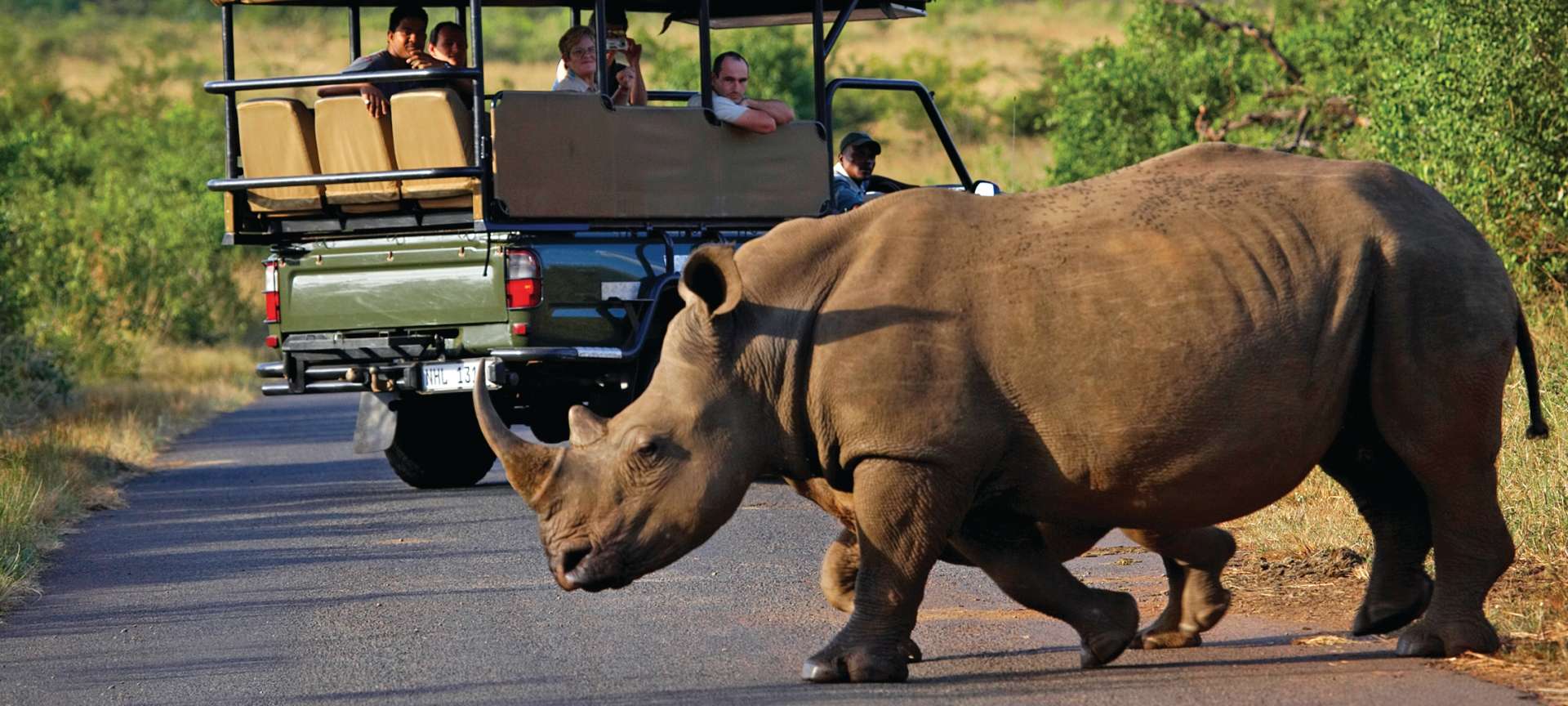
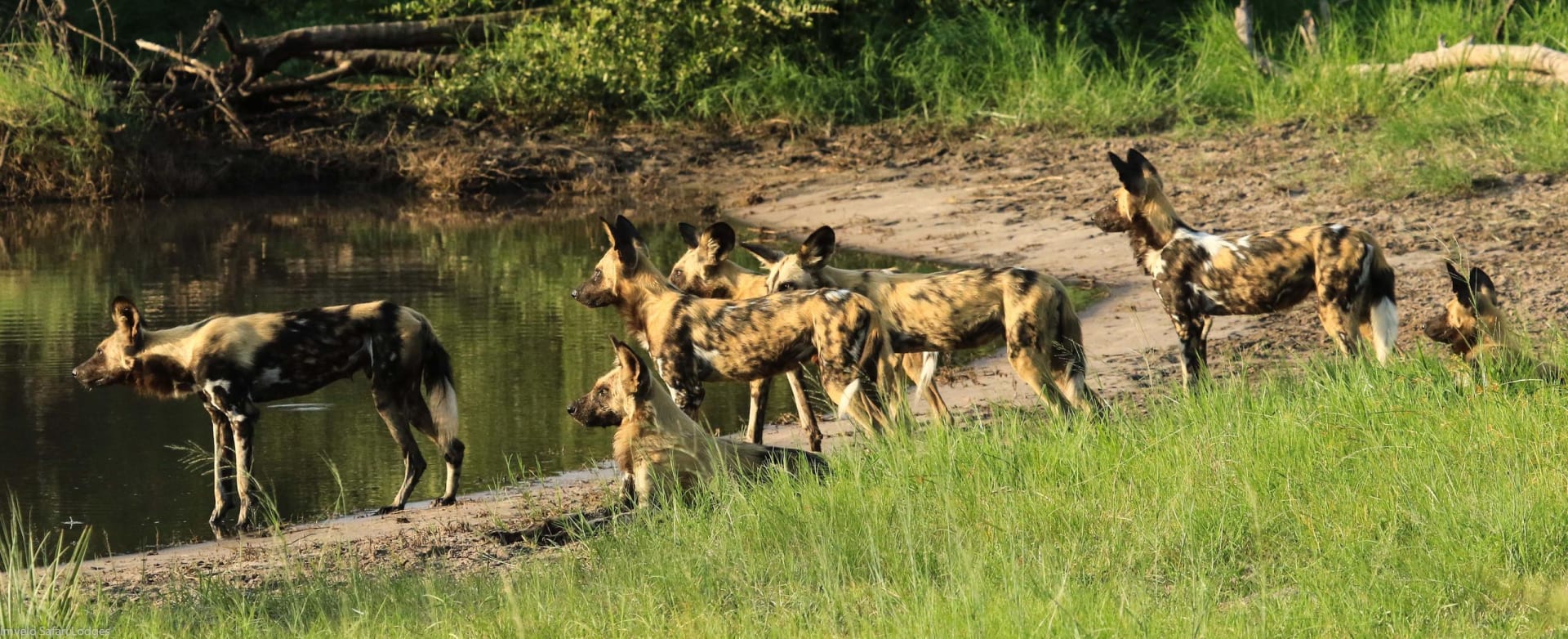
Zimbabwe safari experiences include game drives through Mana Pools, Hwange National Park, and Zambezi Valley. You'll encounter elephants, lions, wild dogs, and buffalo in settings that feel less crowded than Botswana. Zimbabwe Safari First-Timer's Guide: 7 Days Under $2,500 offers detailed itineraries for new visitors.
Botswana safari experiences center on the Okavango Delta, where you travel by mokoro (traditional canoe) alongside wading elephants. Moremi Game Reserve delivers exceptional big cat sightings and wild dog encounters. The landscape remains more exclusive, with fewer visitors and higher nightly rates .
The key difference: Zimbabwe prioritizes affordability and adventure, while Botswana emphasizes luxury and pristine water ecosystems. Your choice depends on budget, travel style, and whether you prefer land-based or water-based adventures.
Wildlife Comparison: What You'll See
Zimbabwe's Wildlife Highlights
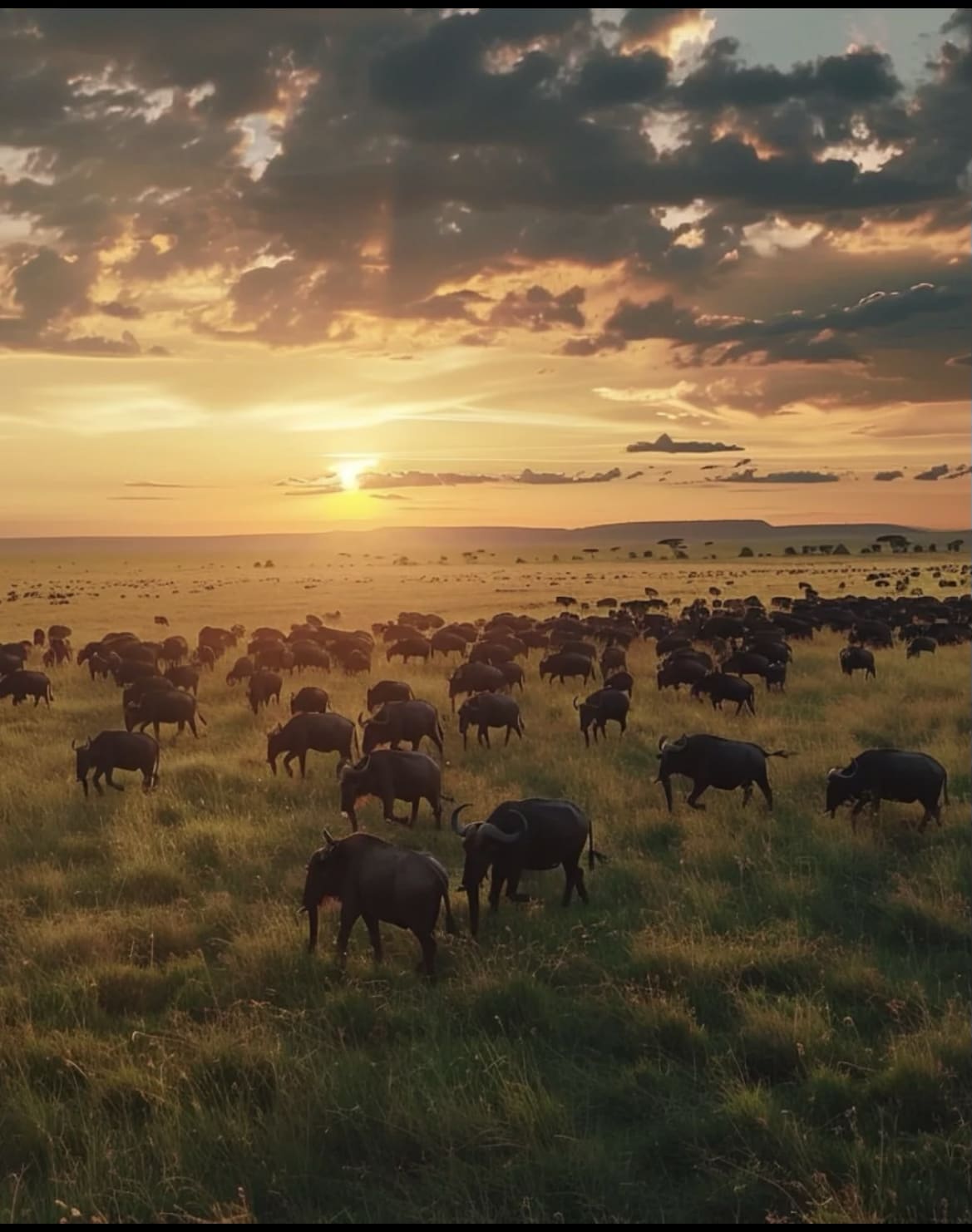
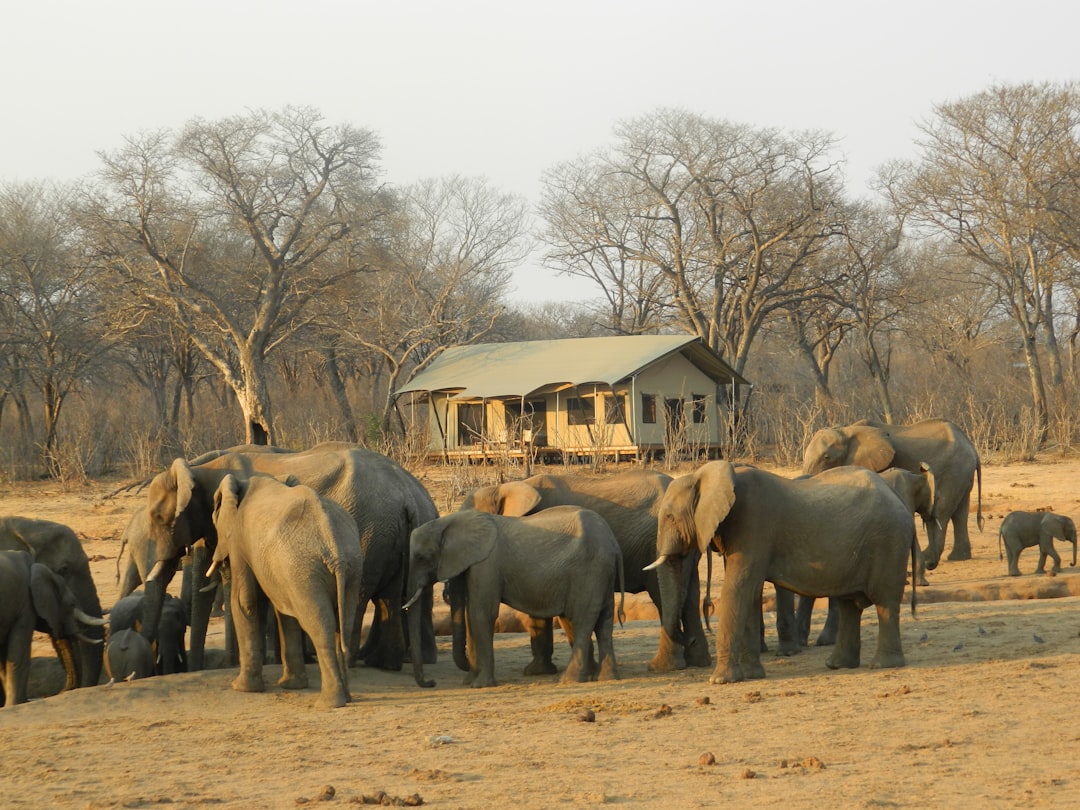
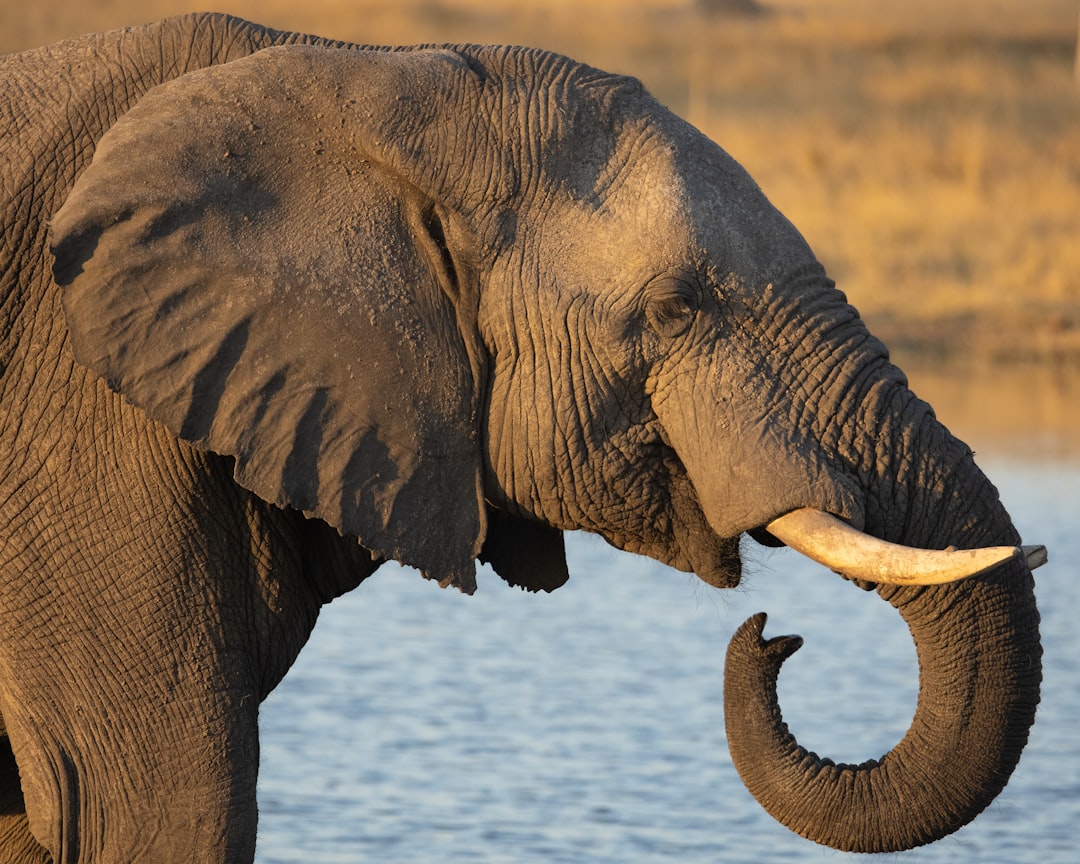
Zimbabwe's national parks host impressive populations of Africa's largest land animals. Hwange National Park alone supports over 45,000 elephants, making it one of the continent's largest elephant populations. You'll spot lions, buffalo, zebras, giraffes, and increasingly, wild dogs throughout the year .
Mana Pools National Park offers unique walking safari experiences where guides lead you on foot through riverine forests. This park is famous for seeing elephants swimming and lions hunting along the Zambezi River. The walking format creates intimate wildlife encounters impossible from a vehicle.
Lower Zambezi National Park combines game drives with boat safaris along the Zambezi River. You'll see hippos, crocodiles, and water birds in abundance. The dry season (May–October) concentrates wildlife around water sources, making sightings more predictable and frequent .
Botswana's Wildlife Highlights
Botswana delivers Africa at its most pristine . The Okavango Delta is the only place where you glide through crystal-clear channels in a mokoro while elephants wade nearby. Moremi Game Reserve is superb for big cats and wild dogs .
Botswana's Chobe National Park supports the largest elephant population in Africa, with over 120,000 individuals. Boat safaris along the Chobe River offer remarkable close-up wildlife viewing. The Kalahari Desert region provides a different ecosystem with springbok, meerkats, and specialized desert species.
Botswana shines for pristine ecosystems and the chance to see wildlife from water, land, and sky . The Okavango's seasonal floods create dynamic wildlife patterns. However, Botswana's exclusivity means fewer visitors share sightings, though you'll pay premium prices for this privilege.
Wildlife Winner
Tie with different strengths: Zimbabwe wins for elephant encounters and walking safaris. Botswana wins for water-based wildlife viewing and ecosystem diversity. Both deliver excellent big cat sightings during dry season months.
Cost Breakdown: Which Offers Better Value?
Zimbabwe Safari Pricing in 2026
Zimbabwe safari costs range from $1,500 to $3,500 per person for 7-day packages in 2026. Budget options start around $1,500–$2,000 with mid-range accommodations and experienced guides. Mid-range packages ($2,000–$2,500) include lodge stays with good amenities and multiple activity types. Premium Zimbabwe safaris ($2,500–$3,500) feature luxury lodges, private guides, and flying safaris between parks.
Zimbabwe Safari Packages Under $2,000: 7-Day Itineraries 2026 shows specific affordable options with game drives, walking safaris, and Victoria Falls visits included.
Zimbabwe's lower costs reflect several factors: fewer international visitors mean lower demand, the country has strong infrastructure reducing operational costs, and the Zimbabwean economy favors international visitors' budgets. Park entrance fees cost $10–$20 per day. Accommodations range from $40–$150 per night depending on lodge category.
Botswana Safari Pricing in 2026
Botswana safari costs start around $2,500–$5,000 per person for 7-day packages. Budget safaris in Botswana cost more than Zimbabwe's premium options. Mid-range packages run $3,500–$5,000 with comfortable lodges and multiple daily activities. Luxury Botswana safaris exceed $5,000–$8,000+ per person, with all-inclusive pricing and exclusive camps .
Botswana nightly rates start around $900–$1,200 per person in peak season . Park fees average $15–$25 daily. The higher costs reflect Botswana's positioning as an ultra-premium destination with strict visitor limits and exclusive concessions.
Cost Winner
Zimbabwe wins decisively on value. You spend 30–50% less while experiencing comparable wildlife and landscapes. For budget-conscious travelers, Zimbabwe offers better bang for your money. For luxury seekers, Botswana's premium pricing reflects exclusivity and pristine conditions.
Best Time to Visit: Seasonal Comparison
Zimbabwe's Seasonal Guide
Zimbabwe's dry season (May–October) is optimal for safari viewing. Zimbabwe Safari in August–October 2026: Peak Dry Season covers the prime months when wildlife congregates around shrinking water sources.
May–July offers cool temperatures (15–25°C) and excellent wildlife viewing. August–October brings warmer days (25–35°C) but peak animal concentrations. Zimbabwe Safari in July 2026: Hidden Season Pricing & Wildlife reveals that July offers hidden value with lower prices and strong wildlife activity before peak season crowds arrive.
Green season (November–March) sees fewer tourists, lower prices, and lush landscapes but scattered wildlife. Zimbabwe Safari in December–March: Green Season Wildlife 2026 details this quieter period for travelers prioritizing solitude and photography opportunities.
Botswana's Seasonal Guide
Botswana follows similar seasonal patterns. Dry season (May–October) concentrates wildlife, making sightings more reliable. The Okavango's peak season is July–September when water levels are highest and animals gather around channels and islands.
May–June offers pleasant temperatures and excellent game viewing with fewer crowds than July–September. August–October sees peak visitor numbers but remains outstanding for wildlife encounters. Green season (November–April) brings vibrant landscapes and bird watching but scattered wildlife.
Seasonal Winner
Tie: Both countries peak May–October. Zimbabwe's advantage: lower prices in shoulder months (May, June, November). Botswana's advantage: more dramatic water-based experiences July–September when Okavango flood waters peak.
Experience Types: What Adventure Style Suits You?
Zimbabwe: Walking Safaris & Cultural Immersion
Zimbabwe specializes in walking safaris where professional guides lead you on foot through wilderness areas. Mana Pools is famous for this experience. Walking safaris create intimate wildlife encounters—you move quietly, observe animal behavior closely, and experience the African landscape from ground level.
Zimbabwe also emphasizes cultural experiences. You'll visit local villages, learn about Zimbabwean history, and interact with communities in ways Botswana's more exclusive model doesn't encourage. Game drives remain available, but the walking emphasis distinguishes Zimbabwe's safari philosophy.
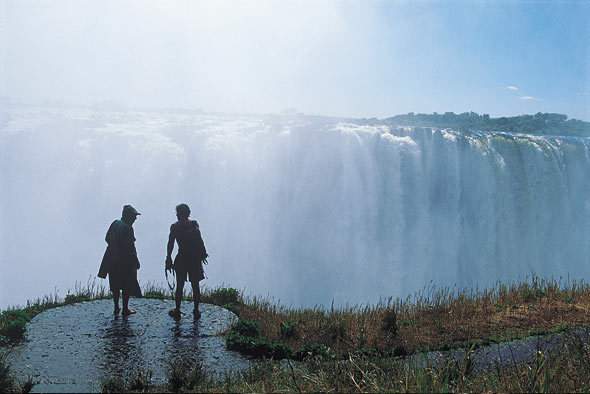
Victoria Falls integration: Zimbabwe packages frequently include Victoria Falls visits, combining safari with one of the world's natural wonders. This multi-experience approach appeals to first-time Africa visitors.
Botswana: Water Safaris & Exclusivity
Botswana's defining experience is water-based travel. The mokoro (traditional canoe) through the Okavango Delta creates magical moments. You'll glide silently past hippos, crocodiles, and wading elephants. This experience is unavailable in Zimbabwe.
Botswana emphasizes exclusivity and minimal impact tourism. Visitor numbers are restricted. Camps are smaller and more remote. This creates a sense of pristine wilderness unavailable elsewhere. However, exclusivity means less cultural interaction and fewer opportunities to meet local communities.
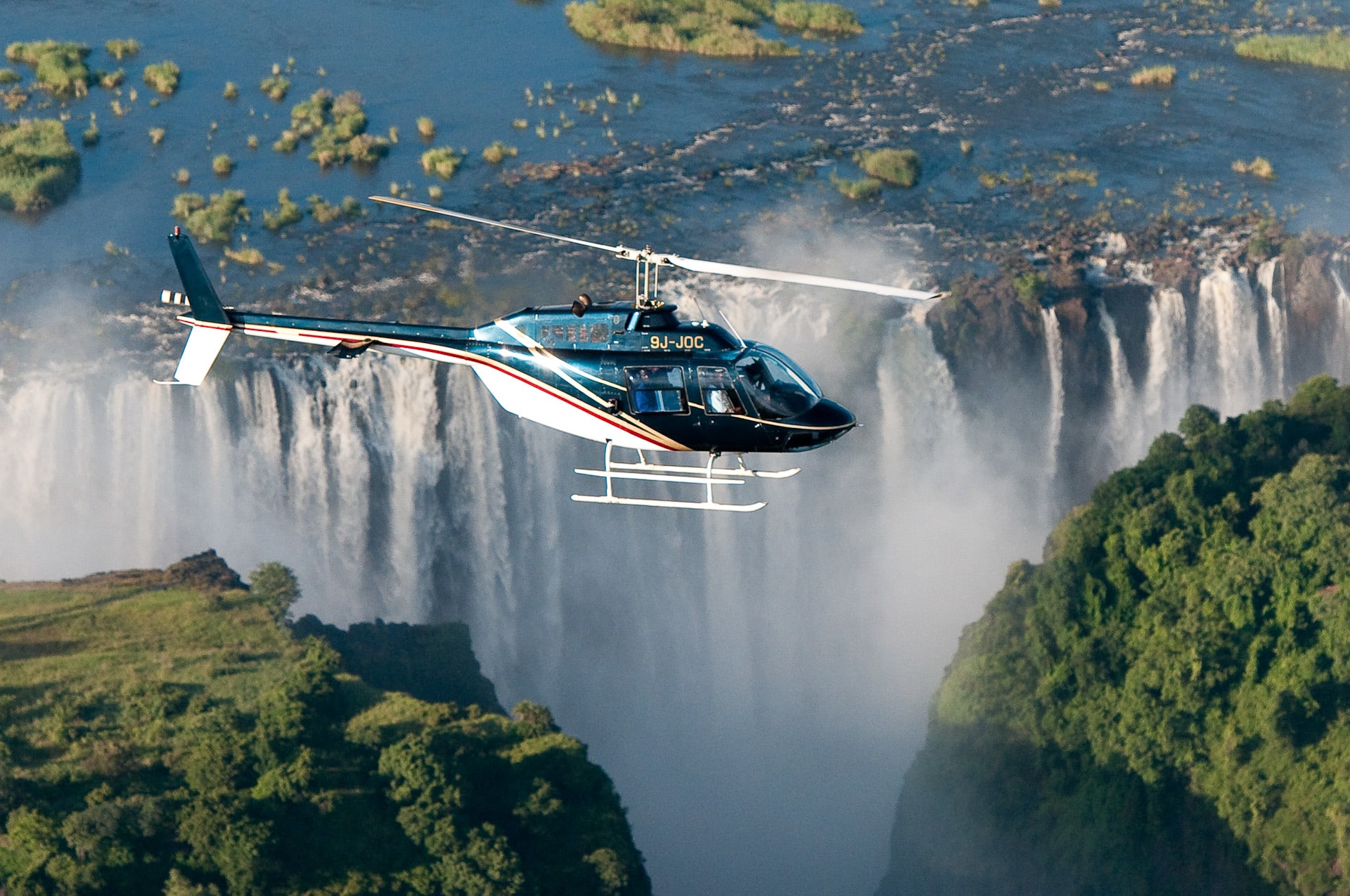
Botswana also offers helicopter and scenic flight options, adding aerial perspectives to your safari. These luxury add-ons enhance the premium experience but increase costs significantly.
Experience Winner
Zimbabwe wins for adventure and culture. Botswana wins for water experiences and exclusivity. Choose Zimbabwe if you want walking safaris, cultural immersion, and multi-experience trips. Choose Botswana if you prioritize water-based travel and pristine, exclusive landscapes.
Practical Logistics: Getting There & Visas
Zimbabwe Access
Zimbabwe's main international airport is Harare International Airport (HRE). Most visitors fly through Johannesburg, South Africa, then connect to Harare (2 hours) or directly to safari hubs like Victoria Falls or Bulawayo. Internal flights connect safari destinations efficiently.
Visa requirements: Most Western passport holders don't need a visa for Zimbabwe . However, you must have two blank visa pages in your passport, plus one blank page for each other country visited on your trip . Check current requirements before booking.
Ground transportation: Safari operators arrange all transportation from airports to lodges. Road quality is good throughout safari regions. Internal flights between parks cost $200–$400 per person and save significant driving time.
Botswana Access
Botswana's main airport is Maun International Airport (MUU), gateway to the Okavango Delta. Gaborone's Sir Seretse Khama International Airport (GBE) handles secondary traffic. Most visitors connect through Johannesburg or other regional hubs.
Visa requirements: Most Western travelers don't need a visa for Botswana. Standard passport validity rules apply. Check current requirements with your embassy.
Ground transportation: The Okavango Delta requires small-plane transfers between lodges. These scenic flights cost $150–$300 per person but are included in many packages. Road access is limited by water barriers, making flights essential for Okavango experiences.
Logistics Winner
Zimbabwe wins on accessibility. Easier road networks, more direct flight options, and simpler ground logistics. Botswana requires more internal flights, increasing costs and complexity. However, both countries have excellent safari infrastructure.
Comparison Table: Side-by-Side Overview
| Factor | Zimbabwe | Botswana |
|---|---|---|
| Cost (7 days) | $1,500–$3,500 | $2,500–$5,000+ |
| Best Time | May–October | May–October (July–Sept peak) |
| Primary Experience | Walking safaris, game drives | Water-based mokoro, game drives |
| Top Parks | Mana Pools, Hwange, Lower Zambezi | Okavango Delta, Moremi, Chobe |
| Wildlife Density | High (especially elephants) | High (diverse ecosystems) |
| Visitor Crowds | Moderate | Low (exclusive) |
| Cultural Experiences | Yes, village visits included | Limited |
| Water Activities | Boat safaris (Zambezi) | Mokoro, boat safaris (Okavango) |
| Visa Required | No (most nationalities) | No (most nationalities) |
| Best For | Budget travelers, adventure seekers, first-timers | Luxury seekers, water enthusiasts, repeat visitors |
Which Destination Wins? Final Verdict
Zimbabwe Wins If You:
Prioritize budget and value. Want walking safaris and on-foot wildlife encounters. Seek cultural immersion and local community interaction. Are first-time safari visitors wanting diverse experiences. Want to combine safari with Victoria Falls. Prefer moderate tourist numbers.
Botswana Wins If You:
Prioritize luxury and exclusivity. Want water-based mokoro experiences. Seek pristine, untouched landscapes. Have higher budgets ($5,000+). Are repeat Africa visitors. Prefer fewer tourists and remote camps. Want aerial perspectives via scenic flights.
The Verdict
Zimbabwe offers better overall value and diverse experiences for most travelers. You get excellent wildlife, walking safaris, cultural immersion, and Victoria Falls at 30–50% lower cost than Botswana. For budget-conscious adventurers, Zimbabwe wins decisively.
Botswana wins for ultra-premium experiences and water-based travel. The Okavango Delta is genuinely unique—you cannot replicate mokoro safaris elsewhere. If budget allows and you prioritize exclusivity, Botswana justifies its premium pricing.
Best compromise: Combine both countries in a 10–14 day trip. Spend 5–7 days in Zimbabwe (Mana Pools, Victoria Falls, Hwange) then 5–7 days in Botswana (Okavango Delta, Moremi). This captures Zimbabwe's affordability and adventure with Botswana's water-based magic. Total cost: $4,000–$6,000 per person.
Key Takeaways
- Book Zimbabwe safaris 3–4 months ahead to save 15–20% on peak season rates and secure preferred lodges.
- Zimbabwe safari costs $1,500–$3,500 for 7 days, making it 30–50% cheaper than Botswana while delivering comparable wildlife viewing.
- Choose Zimbabwe for walking safaris and cultural experiences; choose Botswana for exclusive water-based mokoro adventures in the Okavango Delta.
- Visit May–October for both countries, but plan Zimbabwe trips July–October for peak wildlife concentration around shrinking water sources.
- Combine both destinations in a 10–14 day trip ($4,000–$6,000 per person) to experience Zimbabwe's adventure and affordability plus Botswana's water-based exclusivity.
Frequently Asked Questions
How much does a 7-day Zimbabwe safari cost compared to Botswana?
Zimbabwe safaris cost $1,500–$3,500 per person for 7 days, while Botswana safaris range $2,500–$5,000+ per person. Zimbabwe is 30–50% cheaper. Budget Zimbabwe packages start around $1,500–$2,000 with mid-range lodges. Premium Botswana safaris exceed $5,000–$8,000 per person with luxury all-inclusive camps.
What's the best time to visit Zimbabwe or Botswana for safari?
May–October is best for both countries during the dry season when wildlife congregates around water sources. July–September offers peak conditions but higher prices and more tourists. May–June provides excellent wildlife viewing with fewer crowds and 10–15% lower prices. November–April brings green landscapes and lower prices but scattered wildlife.
Which destination offers better wildlife viewing: Zimbabwe or Botswana?
Both offer exceptional wildlife viewing with different strengths. Zimbabwe excels at elephant encounters and walking safaris—Hwange has 45,000 elephants. Botswana delivers diverse ecosystems and water-based wildlife viewing unique to the Okavango Delta. For big cats and wild dogs, both are excellent. Choose Zimbabwe for walking experiences; choose Botswana for water-based adventures.
Do I need a visa for Zimbabwe or Botswana?
Most Western passport holders don't require visas for either country . However, you must have two blank visa pages in your passport, plus one blank page for each other country visited on your trip . Check current requirements with your embassy before booking, as rules occasionally change.
Should I visit Zimbabwe, Botswana, or both?
Choose Zimbabwe if you're budget-conscious and want walking safaris, cultural immersion, and multi-experience trips. Choose Botswana if you prioritize luxury and water-based mokoro experiences. For the ultimate experience, combine both in a 10–14 day trip ($4,000–$6,000 per person) to enjoy Zimbabwe's affordability and adventure plus Botswana's exclusive water experiences. Browse verified packages on SafariFind to compare operators and read authentic traveler reviews for both destinations.
Conclusion
Zimbabwe safari vs Botswana 2026 presents a clear choice based on priorities: Zimbabwe wins decisively on value and adventure, offering 7-day safaris at $1,500–$3,500 with walking experiences, cultural immersion, and Victoria Falls integration. Botswana wins on exclusivity and water-based experiences, delivering pristine mokoro safaris at premium prices ($2,500–$5,000+).
For budget-conscious travelers, first-time visitors, and adventure seekers, Zimbabwe is the superior choice. You'll experience excellent wildlife viewing, intimate walking safaris, and meaningful cultural interactions at significantly lower cost. For luxury travelers and repeat Africa visitors, Botswana justifies its premium pricing through exclusivity and unique water-based travel.
The optimal strategy: spend 5–7 days in Zimbabwe's Mana Pools and Hwange National Parks ($1,500–$2,000), then 5–7 days in Botswana's Okavango Delta ($2,000–$3,000) for a combined 10–14 day experience totaling $4,000–$6,000 per person. This captures both destinations' best features.
Ready to book? Compare verified safari packages on SafariFind to find operators offering both Zimbabwe and Botswana experiences. Read authentic reviews from 2026 travelers, request quotes from verified tour operators, and explore packages matching your budget and travel style. SafariFind's marketplace connects you with experienced operators who can customize multi-country itineraries combining Zimbabwe's affordability with Botswana's water-based magic.
Plan Your Safari with SafariFind
These recommendations use real data from SafariFind, where you can compare operators, browse packages, and read verified traveler reviews before you book.
Recommended Safari Operators from SafariFind
Recommended Safari Packages from SafariFind
What Travelers Say (SafariFind Reviews)
References
- Safari by Water & Land: Zimbabwe, Namibia & Botswana – Road Scholar
- Zimbabwe vs Botswana - Complete 2026 Comparison Guide – Africa Unpacked
- Zambia vs Botswana Safari: Cost, Wildlife & Parks 2026 – SafariFind
- Zimbabwe Safari Tours 2026-2027 – Adventure Life
- Botswana vs Zambia vs Zimbabwe: Which Safari Fits You Best? – Cedarberg Travel
- Namibia vs Botswana Safari: Which Wins? 2026 – Private Tours Cape Town
- Wildlife Safari in Zimbabwe, Victoria Falls and Botswana Trip 2026 – IV Seminars
- Botswana & Zimbabwe Wildlife Safari – EF Go Ahead Tours
Sources
- Safari by Water & Land: Zimbabwe, Namibia & Botswana – Road Scholar
- Zimbabwe vs Botswana - Complete 2026 Comparison Guide – Africa Unpacked
- Zambia vs Botswana Safari: Cost, Wildlife & Parks 2026 – SafariFind
- Zimbabwe Safari Tours 2026-2027 – Adventure Life
- Botswana vs Zambia vs Zimbabwe: Which Safari Fits You Best? – Cedarberg Travel
- Namibia vs Botswana Safari: Which Wins? 2026 – Private Tours Cape Town
- Wildlife Safari in Zimbabwe, Victoria Falls and Botswana Trip 2026 – IV Seminars
- Botswana & Zimbabwe Wildlife Safari – EF Go Ahead Tours
Related to
Ready to start your safari adventure?
Explore curated safari packages and find your perfect African adventure with verified operators.