South Africa Safari Guide: Kruger Park Routes & Operator Reviews 2026
Plan your South Africa safari in 2026. Compare Kruger routes, costs ($150–$1,500+), best seasons, and verified operators. Book with SafariFind today.
South Africa Safari Guide: Kruger Routes 2026
Last updated: July 2026
A South Africa safari guide helps you choose the right parks, routes, costs, and operators for your trip in 2026. Kruger National Park is the top choice, with safaris ranging from $150 to over $1,000 per person. The best time to visit is May to September for wildlife viewing. Book through verified operators on SafariFind to compare packages and read authentic reviews.
At a Glance
- Cost: $150–$1,000+ per person depending on lodge type
- Best time: May to September (dry season, better wildlife viewing)
- Duration: 3–7 days recommended for Kruger
- Getting there: Fly to Johannesburg, then drive or fly to Kruger (5–6 hours by car)
- Best for: Wildlife lovers, Big Five seekers, nature photographers
- Wildlife highlights: Lions, elephants, leopards, buffalo, rhinos, over 500 bird species
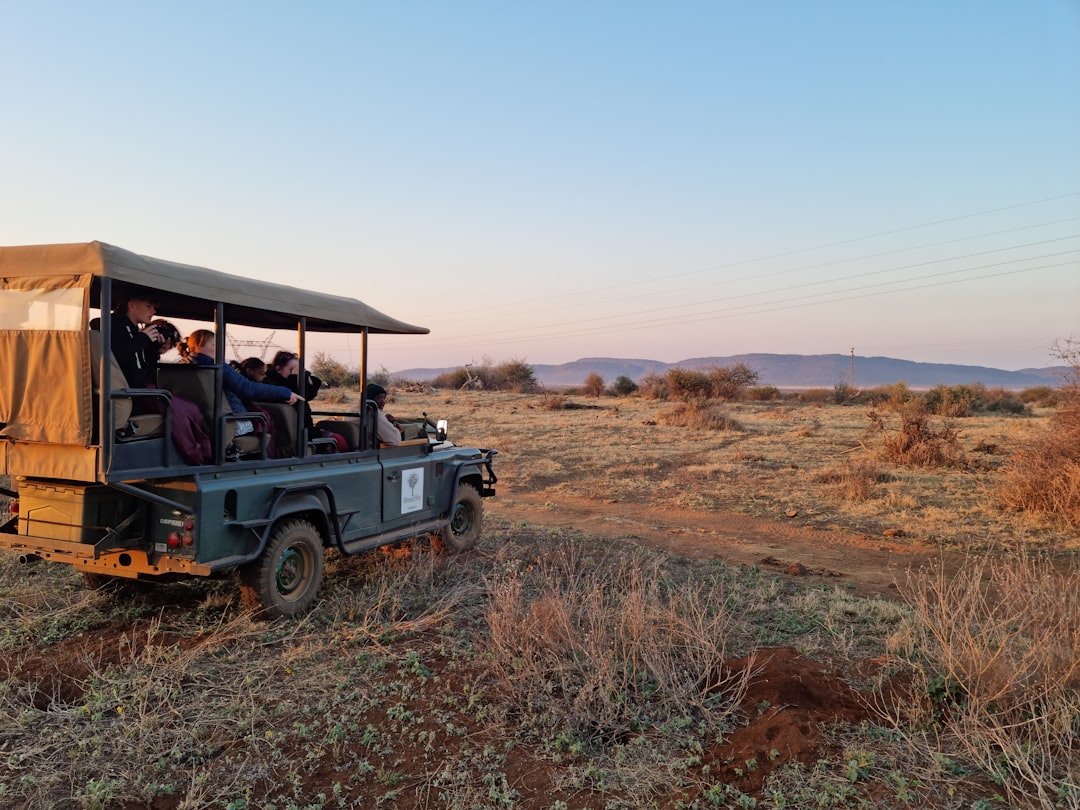
What Is a South Africa Safari Guide in 2026?
A South Africa safari guide is a practical plan for choosing parks, routes, costs, and operators. In 2026, the guide starts with Kruger National Park, then compares private reserves, city combinations, and seasonal timing. It helps you avoid overpaying and find verified tour operators that match your budget and interests.
South Africa safari trips range from budget-friendly self-drive options to luxury lodge experiences. Most travelers combine Kruger with nearby destinations like the Panorama Route or coastal cities. The country offers excellent value compared to other African safari destinations, making it ideal for first-time safari goers.
Kruger National Park is South Africa's flagship safari destination, covering 19,485 square kilometers across northern South Africa. The park hosts the Big Five—lions, leopards, rhinos, elephants, and buffalo—plus over 500 bird species. In 2026, Kruger continues to offer some of Africa's best wildlife viewing at competitive prices.
Understanding Kruger National Park Routes and Options
Main Driving Routes Through Kruger
Kruger has several established routes that guide your safari experience. The most popular routes connect major camps and offer different wildlife viewing opportunities. Each route takes 2–4 hours and covers 50–100 kilometers of scenic roads.
The H1-H3 route is ideal for seeing lions, leopards, and large herds. The H6-H11 route offers excellent bird watching and riverine wildlife. The western routes provide quieter experiences with fewer vehicles. Most operators recommend combining 2–3 routes during a 3–5 day safari to maximize wildlife encounters.
Self-drive safaris cost $20–$50 per vehicle daily, plus accommodation. Guided safaris with operators cost $150–$500 per person daily, depending on lodge quality. Early morning and late afternoon drives yield the best wildlife sightings, as animals are most active during cooler hours.
Private Game Reserves vs. Public Kruger
Private reserves like Sabi Sands and Kruger's private concessions offer smaller group sizes and more flexible safari routes. These reserves cost $400–$1,500+ per person daily. Public Kruger is more affordable at $50–$200 daily but has more visitors and larger groups.
Private reserves allow off-road driving for better wildlife photography. Public Kruger limits driving to marked roads. Both offer excellent Big Five viewing. Choose private reserves for luxury and exclusivity, or public Kruger for budget-friendly wildlife experiences.
Many travelers combine both options: 2–3 days in public Kruger, then 2–3 days in a private reserve. This balance gives you world-class wildlife viewing without excessive spending.
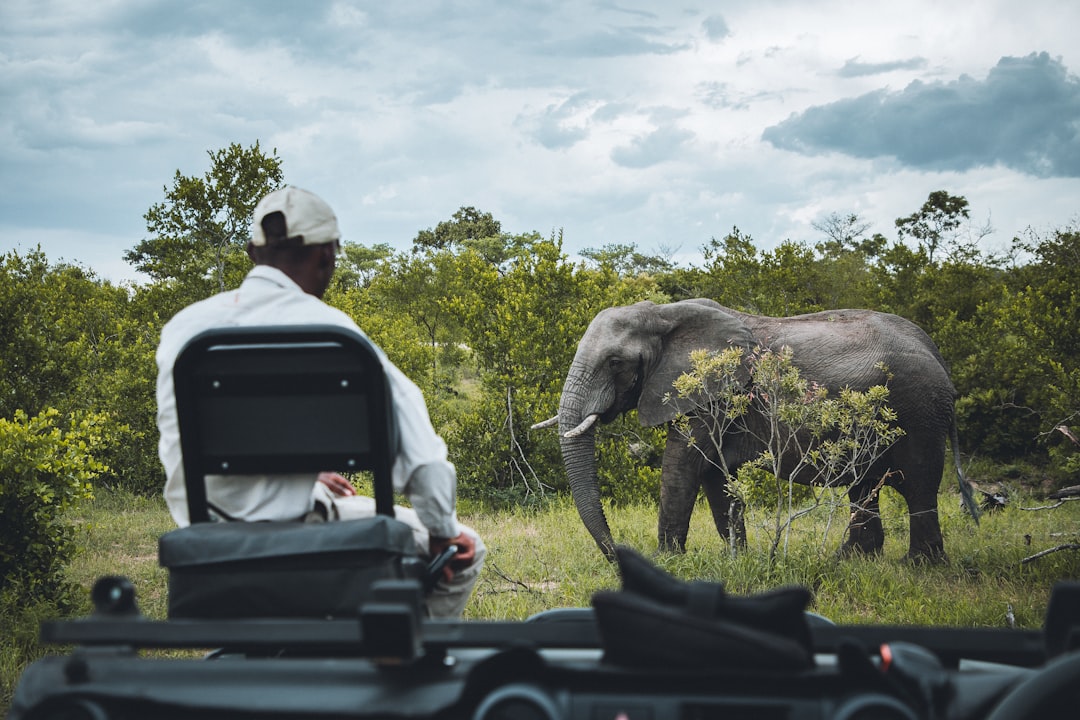
Safari Costs and Pricing in 2026
Budget Safari Packages
Budget safaris in Kruger cost $150–$300 per person daily. These include basic accommodation, game drives, and meals at public camps. Popular budget operators offer 3–5 day packages from $450–$1,500 per person.
Budget options use shared accommodations and group vehicles. You'll see the same wildlife as luxury safaris but with more people. Budget safaris are perfect for first-time visitors and families watching costs.
Self-catering bungalows in public Kruger cost $40–$80 nightly. Bring your own food and cook at your camp. This is the cheapest option but requires planning and effort. Compare detailed budget vs. luxury breakdowns on SafariFind to find packages matching your budget.
Mid-Range Safari Packages
Mid-range safaris cost $300–$600 per person daily. Expect comfortable lodge rooms, excellent guides, and smaller group sizes. These packages range from $900–$3,000 for a 3–5 day trip.
Mid-range operators balance comfort with value. You get quality wildlife viewing without paying luxury prices. Guides are experienced and knowledgeable. Lodges offer good meals and amenities. This tier suits most travelers seeking quality experiences at fair prices.
Luxury Safari Packages
Luxury safaris cost $600–$1,500+ per person daily. These include exclusive lodges, private guides, and gourmet meals. A 5-day luxury safari costs $3,000–$7,500 per person.
Luxury safaris offer small group sizes, personalized service, and premium accommodations. Many include spa treatments, wine tastings, and wildlife photography coaching. Choose luxury for special occasions, anniversaries, or unforgettable experiences.
| Safari Type | Daily Cost | 3-Day Package | 5-Day Package | Best For |
|---|---|---|---|---|
| Budget | $150–$300 | $450–$900 | $750–$1,500 | First-timers, families, budget travelers |
| Mid-Range | $300–$600 | $900–$1,800 | $1,500–$3,000 | Quality seekers, groups, most travelers |
| Luxury | $600–$1,500 | $1,800–$4,500 | $3,000–$7,500 | Special occasions, premium experiences |
Prices vary by season. Peak season (June–August) costs 20–30% more than shoulder season (May, September). Low season (November–March) offers discounts of 30–50% but has more rain and fewer animals visible.
Best Time to Visit South Africa Safari
Dry Season (May–September)
The dry season is the best time for safari in South Africa. Animals gather near water sources, making sightings easier. Temperatures are mild (15–25°C), and skies are clear. This is peak season with higher prices and more tourists.
June–August is the peak of peak season. Expect larger crowds, fully booked lodges, and premium pricing. However, wildlife viewing is excellent. Book 3–6 months ahead for popular packages.
May and September are shoulder months with good wildlife viewing and fewer tourists. Prices drop 10–20% compared to peak season. Weather is pleasant but slightly warmer. These months offer the best value for serious safari goers.
Wet Season (November–March)
The wet season brings rain, lush vegetation, and fewer tourists. Wildlife is more dispersed due to water availability everywhere. Some animals leave for greener areas. Temperatures are hot and humid (25–35°C).
Wet season offers budget prices and exclusive experiences. Birdwatching is excellent. Landscapes are green and photogenic. However, rain can limit game drives. Choose wet season if you prioritize budget and don't mind occasional weather disruptions.
Shoulder Season (April, October)
April and October are transition months with mixed conditions. Wildlife viewing is good but not peak quality. Prices are moderate. Weather is unpredictable but generally pleasant.
Shoulder season suits flexible travelers. You get reasonable prices and acceptable wildlife viewing. Crowds are manageable. These months are ideal if you can't travel during peak season.
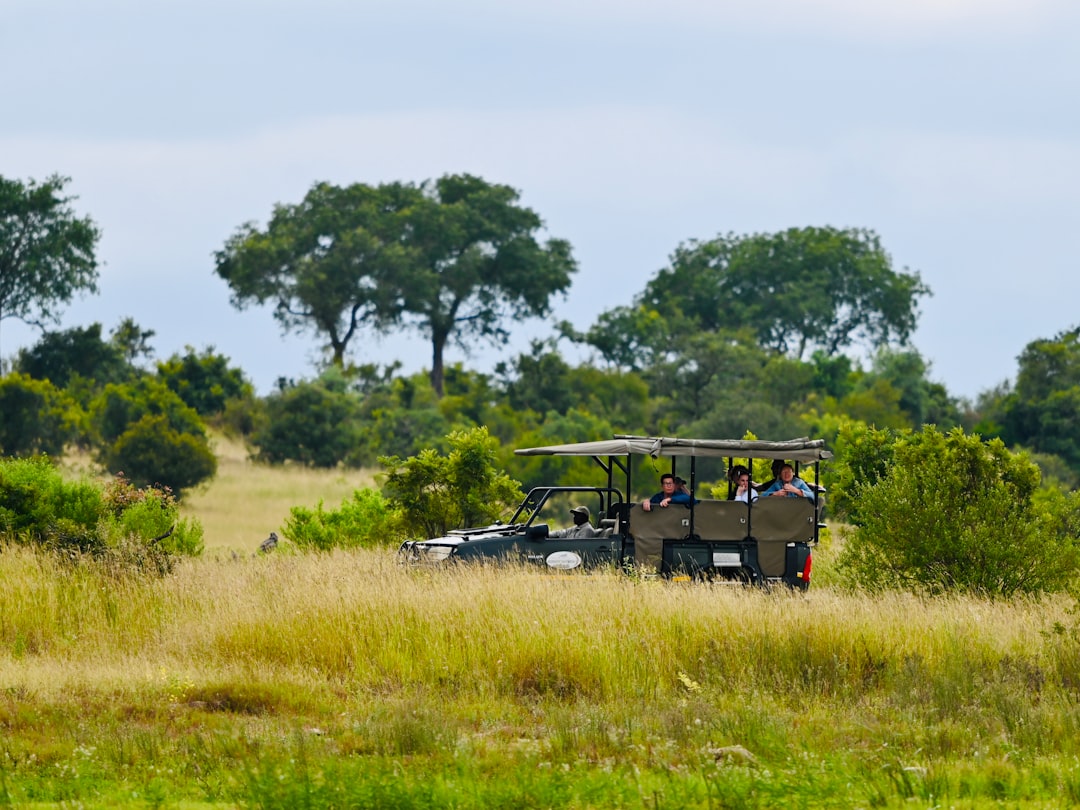
Top Kruger Safari Operators and Reviews in 2026
Finding Verified Operators
Choosing a verified operator is crucial for a quality safari. Look for operators with consistent 4.5+ star ratings and 50+ reviews. Check what travelers say about guide quality, wildlife sightings, and value for money.
Reputable operators employ experienced guides, maintain vehicles properly, and follow conservation practices. They offer flexible cancellation policies and transparent pricing. Read recent reviews to see current experiences, not outdated feedback.
Browse verified Kruger safari operators and read authentic reviews on SafariFind to compare ratings, prices, and traveler feedback.
What Travelers Say About Guides
Expert guides make or break a safari experience. Top-rated operators employ guides with 10+ years of experience. They know animal behavior, track recent sightings, and share fascinating wildlife facts.
Travelers consistently praise guides who are patient with photography, explain ecosystems thoroughly, and find rare animals. Good guides spot leopards, wild dogs, and other elusive species that casual visitors miss. They make early morning drives exciting and educational.
When booking, ask about guide qualifications. Many operators offer specialized guides for photography, birding, or family trips. This personalization improves your experience significantly.
Operator Specializations
Some operators specialize in specific experiences. Photography-focused operators offer extended game drives and positioning for perfect shots. Family operators include kids' activities and shorter drives. Luxury operators emphasize comfort and exclusive access.
Kurt Safari is a long-established Hazyview operator known for strong guiding and Panorama Route trips. Budget operators like Intrepid Travel offer group safaris at fair prices. Luxury operators provide exclusive lodge experiences with personalized service.
Match the operator to your priorities. Photography enthusiasts should choose photo-specialist operators. Families need kid-friendly guides and flexible schedules. Budget travelers should compare group safari options carefully.
Planning Your South Africa Safari from the United States
Booking and Logistics
Most US travelers fly to Johannesburg, then drive or fly to Kruger. The drive takes 5–6 hours. Flights to Kruger take 1 hour but cost more. Many operators offer airport pickup and drop-off services.
Book your safari 3–6 months ahead, especially for peak season (June–August). Early booking saves 15–20% on many packages. Popular lodges fill quickly during peak season.
Verify visa requirements before booking. US citizens need a valid passport (6+ months validity) but don't need a visa for South Africa for stays under 90 days. Check current requirements before travel.
What to Bring and Wear
Pack neutral-colored clothing for game drives: khaki, olive, brown, and tan blend with the landscape. Avoid bright colors that startle animals. Bring layers for cool mornings and warm afternoons.
Essential items include sunscreen, a wide-brimmed hat, binoculars, and a good camera. Wear closed-toe shoes for walks. Bring insect repellent for mosquitoes. Pack medications you need, as some remote areas lack pharmacies.
Most lodges provide laundry service, so pack light. Bring a small daypack for game drives. Waterproof bags protect cameras and electronics from dust and occasional water crossings.
Health and Safety Considerations
Consult a travel doctor 4–6 weeks before your trip. Malaria is present in Kruger, so take prescribed antimalarial medication. Yellow fever vaccination is recommended but not required for US citizens.
South Africa is generally safe for tourists. Stick to established safari routes and lodge areas. Don't wander alone at night. Keep valuables secure. Your operator will provide safety briefings.
Review health requirements and vaccinations for South Africa before booking. Different nationalities have different requirements.
Comparing South Africa vs. Other Safari Destinations
South Africa vs. Tanzania
South Africa and Tanzania are Africa's top safari destinations. Tanzania offers the Great Migration (1.5 million wildebeest crossing rivers July–October), which South Africa doesn't have. Tanzania's Serengeti is larger and more remote.
South Africa is more developed with better roads, lodges, and services. South Africa costs 20–30% less than Tanzania for comparable experiences. South Africa offers better value for budget travelers. Tanzania offers more dramatic wildlife spectacles for those with bigger budgets.
South Africa is closer to Johannesburg (major US gateway). Tanzania requires flights to Kilimanjaro or Dar es Salaam. Compare detailed costs and wildlife between South Africa and Tanzania safaris to decide which destination suits you.
South Africa vs. Kenya
Kenya's Masai Mara hosts the Great Migration and offers iconic safari experiences. South Africa's Kruger is larger and has better infrastructure. Kenya costs 30–50% more than South Africa for similar experiences.
Kenya attracts experienced safari travelers. South Africa suits first-timers and budget-conscious visitors. Both have excellent guides and wildlife. South Africa offers better value; Kenya offers more dramatic wildlife moments.
Why Choose South Africa
South Africa safaris offer excellent value, developed infrastructure, and consistent Big Five sightings. Kruger is massive, reducing crowding compared to other parks. South Africa combines safaris with beach holidays, wine regions, and city experiences.
South Africa is ideal if you want wildlife viewing without excessive costs or travel hassle. The country has modern roads, reliable lodges, and professional operators. First-time safari goers find South Africa comfortable and rewarding.
Combining Kruger with Other South African Experiences
Kruger and the Panorama Route
The Panorama Route is a scenic drive near Kruger featuring waterfalls, canyons, and viewpoints. The route takes 2–3 days and combines perfectly with a 3–4 day Kruger safari. Total trip: 5–7 days.
Popular Panorama Route sites include God's Window, Bourke's Luck Potholes, and Lisbon Falls. The route offers spectacular photography and nature walks. Many operators offer combined Kruger-Panorama packages.
Kruger and Beach Holidays
Combine safari with beach relaxation on the Indian Ocean coast. Kruger is 8–10 hours from Durban or Sodwana Bay. A typical combo is 4–5 days safari, then 3–4 days beach.
This combination suits families and couples wanting variety. You get wildlife excitement plus beach relaxation. Prices are higher due to extra travel, but the experience is well-rounded.
Johannesburg City and Safari
Johannesburg is South Africa's main gateway. Spend 1–2 days exploring the city before or after safari. Visit the Apartheid Museum, Soweto, or Cradle of Humankind.
This combination suits first-time visitors wanting cultural context. Johannesburg is 5–6 hours from Kruger. Many operators offer city-safari packages combining urban and nature experiences.
Key Takeaways
- Book your Kruger safari 3–6 months ahead to save 15–20% on peak season rates and secure popular lodges.
- Visit May to September for the best wildlife viewing and mild weather, with May and September offering lower prices than peak June–August.
- Budget $150–$300 daily for budget safaris, $300–$600 for mid-range, and $600–$1,500+ for luxury experiences in 2026.
- Choose verified operators with 4.5+ star ratings and 50+ recent reviews to ensure quality guides and reliable service.
- Combine Kruger with the Panorama Route, beaches, or Johannesburg for 5–7 day trips offering diverse South African experiences.
Frequently Asked Questions
What is the best time of year for safari in South Africa?
The best time is May to September (dry season) when animals gather at water sources and weather is mild. June–August is peak season with excellent wildlife viewing but higher prices and crowds. May and September offer good sightings with 10–20% lower costs. Wet season (November–March) has fewer tourists and budget prices but more rain and dispersed wildlife.
How much does a South Africa safari cost in 2026?
A South Africa safari costs $150–$300 daily for budget options, $300–$600 for mid-range, and $600–$1,500+ for luxury. A 3-day safari ranges from $450–$4,500 depending on type. A 5-day safari costs $750–$7,500. Prices include accommodation, game drives, and meals. Peak season (June–August) costs 20–30% more than shoulder season.
Which is better: South Africa or Tanzania safari?
Tanzania offers the Great Migration spectacle, while South Africa offers better value and infrastructure. Tanzania's Serengeti is more remote and dramatic. South Africa's Kruger is larger and more developed. South Africa costs 20–30% less for comparable experiences. Choose Tanzania for dramatic wildlife moments; choose South Africa for value and comfort. Both offer excellent Big Five sightings.
How do I book a family-friendly safari in South Africa online?
Search SafariFind for family-focused operators offering kid-friendly guides, flexible schedules, and age-appropriate activities. Read reviews mentioning family experiences. Book 3–6 months ahead. Choose mid-range operators balancing comfort with value. Confirm the operator accommodates children's needs like shorter drives or specific meal preferences. Request a quote from verified operators to compare options.
What should I wear on a South Africa safari?
Wear neutral colors like khaki, olive, brown, and tan that blend with the landscape. Avoid bright colors that startle animals. Bring layers for cool mornings and warm afternoons. Wear closed-toe shoes for walks. Pack sunscreen, a wide-brimmed hat, and binoculars. Bring a waterproof camera bag and insect repellent. Most lodges have laundry service, so pack light.
How do I find top-rated safari operators for South Africa?
Use SafariFind to browse operators with verified ratings and authentic traveler reviews. Look for 4.5+ star ratings with 50+ recent reviews. Read what travelers say about guides, wildlife sightings, and value. Check operator specializations (photography, families, budget). Request quotes from multiple operators to compare prices and services. Compare safari packages from verified South Africa operators on SafariFind to find the perfect match for your trip.
Conclusion
A South Africa safari guide helps you navigate costs, seasons, routes, and operators to plan the perfect trip in 2026. Kruger National Park is South Africa's premier safari destination, offering Big Five wildlife, established routes, and competitive pricing compared to other African parks.
The best time to visit is May to September, with peak season (June–August) offering excellent wildlife viewing at premium prices. Budget safaris cost $150–$300 daily, mid-range options $300–$600, and luxury experiences $600–$1,500+. Book 3–6 months ahead to save money and secure popular lodges.
Choose verified operators with strong ratings and authentic reviews. Experienced guides are essential for finding wildlife and making your safari memorable. Combine Kruger with nearby attractions like the Panorama Route, beaches, or Johannesburg for a complete South African experience.
Explore verified safari packages and book your South Africa adventure on SafariFind today. Compare operators, read authentic traveler reviews, and request quotes from specialists in 2026. Your perfect Kruger safari awaits.
Plan Your Safari with SafariFind
These recommendations use real data from SafariFind, where you can compare operators, browse packages, and read verified traveler reviews before you book.
Top Safari Operators from SafariFind
Recommended Safari Packages from SafariFind
Verified Traveler Reviews from SafariFind
References
- Kruger Safari (Group A) - GEEO
- South Africa Safari Guide 2026: Parks, Costs & Routes - SafariFind
- 10 Best Kruger National Park Tours & Trips 2026/2027 - TourRadar
- 539 Kruger Safari Tours (Offered by 38 Tour Operators) - SafariBookings
- Best South Africa Safari Companies 2026: An Honest Guide - African Safari Magazine
- Kruger National Park Reviews - TripAdvisor
- Getting to Kruger National Park: Two Routes to Your Safari - Africa Safari Trips
 Ask Tembo about this guide
Sources
- Kruger Safari (Group A) - GEEO
- South Africa Safari Guide 2026: Parks, Costs & Routes - SafariFind
- 10 Best Kruger National Park Tours & Trips 2026/2027 - TourRadar
- 539 Kruger Safari Tours (Offered by 38 Tour Operators) - SafariBookings
- Best South Africa Safari Companies 2026: An Honest Guide - African Safari Magazine
- Kruger National Park Reviews - TripAdvisor
- Getting to Kruger National Park: Two Routes to Your Safari - Africa Safari Trips
Related to
Ready to start your safari adventure?
Explore curated safari packages and find your perfect African adventure with verified operators.