Southern Tanzania Safari: Skip Serengeti Crowds & Save $1,200
Southern Tanzania safaris cost $2,300–$4,000 per person for 7 days—$1,200 less than Serengeti. Visit Nyerere or Ruaha June–October for fewer crowds and intimate wildlife encounters.
Southern Tanzania Safari: Skip Crowds, Save $1,200
Last updated: July 2026
Southern Tanzania safaris in Nyerere and Ruaha National Parks cost $2,300–$4,000 per person for 7 days, roughly $1,200 less than Serengeti packages. Visit June–October or January–February to avoid crowds and enjoy intimate wildlife encounters. Book through verified operators on SafariFind to compare prices and read authentic traveler reviews.
At a Glance
- Cost: $2,300–$4,000 per person for 7 days in 2026
- Best time: June–October (dry season) or January–February (shoulder season)
- Duration: 7–10 days recommended
- Getting there: Fly into Dar es Salaam, then charter flight to Nyerere or Ruaha
- Best for: Budget-conscious travelers, photographers, those seeking solitude
- Savings vs. Serengeti: Up to $1,200 per person on comparable packages
Why Skip the Serengeti? The Southern Tanzania Alternative
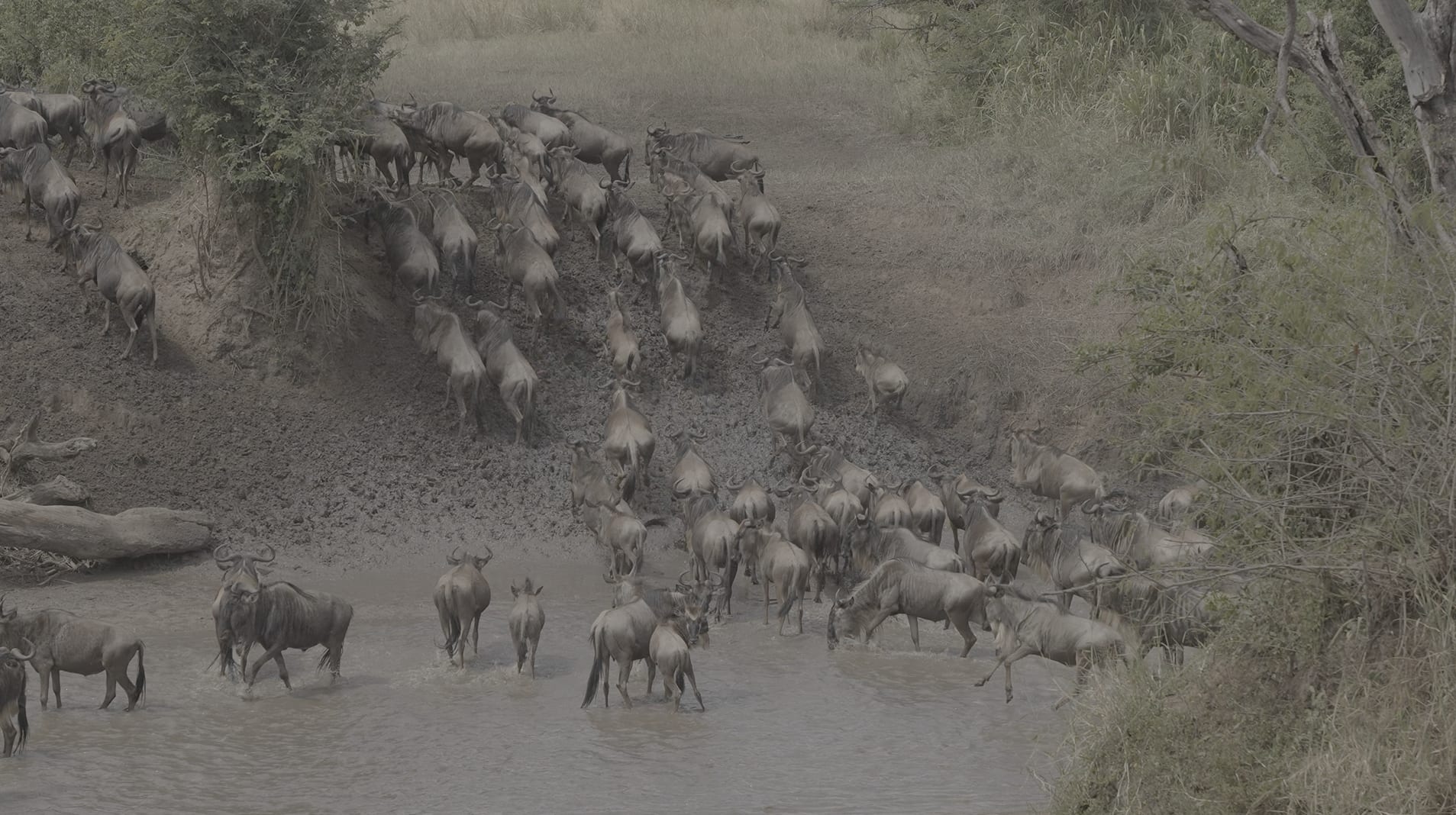
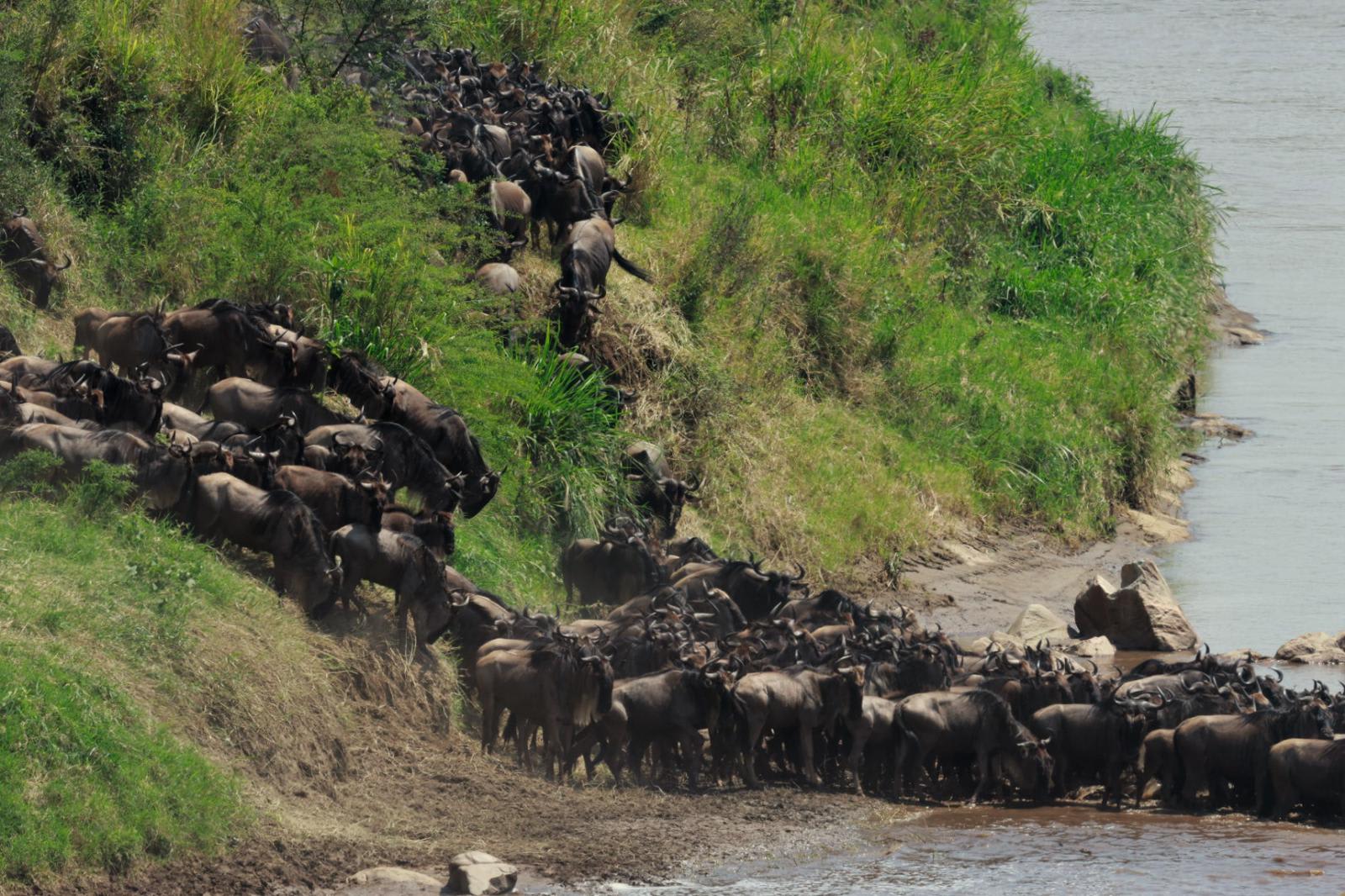
Every year, 2 million wildebeest and 200,000 zebras migrate across Tanzania, drawing tourists from around the world. The Serengeti National Park gets crowded—sometimes too crowded. But Southern Tanzania offers the same incredible wildlife without the lines of safari vehicles.
Nyerere National Park (formerly Selous) and Ruaha National Park deliver intimate African safaris at a fraction of Serengeti costs. You'll see elephants, lions, leopards, and wild dogs with fewer people around. The parks are less visited, which means more time with animals and fewer photo bombers in your shots.
Southern Tanzania safari packages typically run $2,300–$4,000 per person for 7 days in 2026, compared to $3,500–$5,000+ for similar Serengeti itineraries. That's real money saved without sacrificing the safari experience. You get expert guides, quality lodges, and authentic wildlife encounters—just in a quieter setting.
Compare Tanzania safari pricing across all regions on SafariFind to see the cost difference firsthand.
What Makes Southern Tanzania Special?
Nyerere National Park: Boating and Walking Safaris
Nyerere National Park (Selous) is Tanzania's largest protected area and one of Africa's most pristine wilderness zones. Unlike the Serengeti, Nyerere offers boating safaris on the Rufiji River and walking safaris—experiences you won't find in the north.
Boating safaris let you spot hippos, crocodiles, and water birds from the river itself. Walking safaris put you on foot with a guide, tracking wildlife and learning about plants, insects, and ecosystems up close. These activities create deeper connections with nature than sitting in a vehicle all day.
Nyerere sees far fewer tourists than the Serengeti. You might spend hours with a pride of lions without another safari vehicle in sight. The park is known for excellent leopard sightings and wild dog packs—predators that are harder to find in crowded northern parks.
Ruaha National Park: Africa's Second-Largest
Ruaha National Park covers 20,226 square kilometers in central-southern Tanzania. It's Africa's second-largest national park, yet it attracts a fraction of the Serengeti's visitors. Ruaha offers vast open plains, rocky outcrops, and riverine forests that feel untouched.
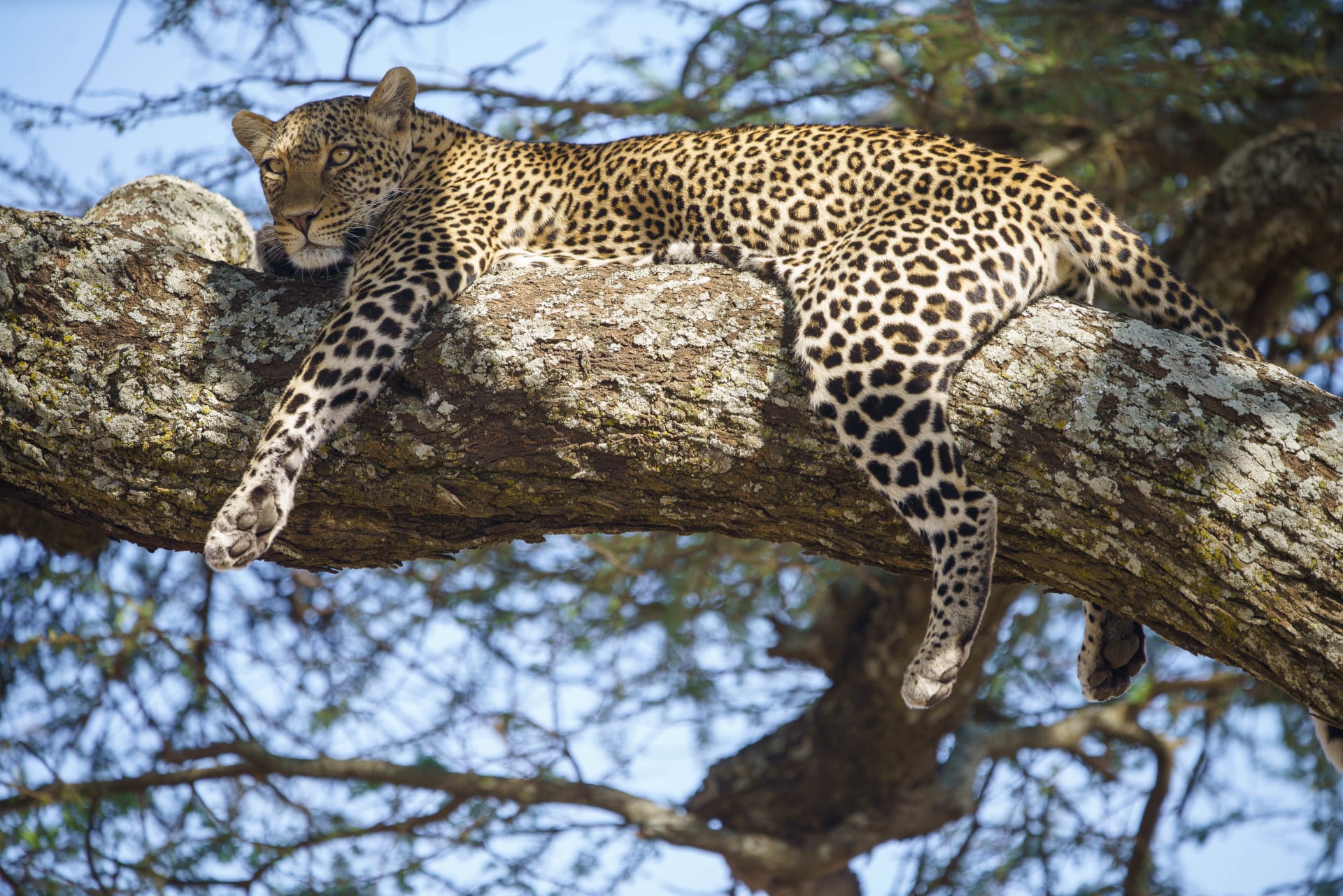
The park is a wildlife hotspot. You'll see large herds of buffalo, elephant, and giraffe. Ruaha is one of the best places in Tanzania to spot African wild dogs—an endangered species that photographers and wildlife enthusiasts prize. Leopards are also common here, often spotted in trees during the heat of the day.
Because Ruaha is less crowded, guides have more flexibility. They can spend time with a single animal or herd instead of rushing to the next hotspot. This slower pace creates memorable moments and better photography opportunities.
Fewer Tourists, More Wildlife Time
The Serengeti is world-famous, which means it's world-crowded. During peak season (July–October), you might share a wildlife sighting with 10–15 other vehicles. In Southern Tanzania, you're more likely to be alone with the animals.
Fewer tourists also mean less stress on wildlife. Animals in crowded areas become habituated to vehicles and lose natural behaviors. In quieter parks, you see authentic wildlife—lions hunting, elephants interacting naturally, birds behaving without disruption.
Safari guides in less-visited parks also tend to be more relaxed and knowledgeable. They know the animals personally, understand seasonal patterns, and can tell you stories about individual elephants or lion prides they've tracked for years.
When Should You Go? Best Seasons for Southern Tanzania
Dry Season: June–October (Peak Wildlife Viewing)
The dry season is the best time for wildlife viewing in Southern Tanzania. From June through October, animals congregate around water sources, making them easier to spot. The weather is cool and comfortable—perfect for long game drives and walking safaris.
July and August are the busiest months, but Southern Tanzania still has fewer visitors than the Serengeti during this period. If you want to balance good wildlife viewing with manageable crowds, June, September, or October are ideal.
Green Season: January–February (Shoulder Season Savings)
January and February mark the start of the Green Season in Southern Tanzania. Landscapes turn lush, bird activity increases, and lodge prices drop by 20–30%. You'll see fewer tourists and enjoy lower rates—a smart budget move.
The trade-off is that animals spread out across the landscape to find water and vegetation. Wildlife viewing is still good, but you won't see the large concentrations you get in the dry season. This is perfect if you prioritize solitude and savings over maximum wildlife density.
Shoulder Seasons: November–December and March–May
November, December, and March–May offer a middle ground. Weather is variable, and some roads become muddy, but crowds are minimal and prices are lower. These seasons suit travelers flexible about weather and willing to adjust their itineraries.
How Much Does a Southern Tanzania Safari Cost in 2026?
Budget Safaris: $2,300–$3,000 per person
Budget packages include shared accommodations, meals, game drives, and an expert guide. You'll stay in mid-range lodges with basic amenities and travel in shared vehicles with other tourists. These safaris are ideal if you want an authentic experience without luxury frills.
A 7-day budget safari in Southern Tanzania typically costs $2,300–$3,000 per person in 2026. This includes accommodation, all meals, game drives, and park fees. International flights are extra.
Mid-Range Safaris: $3,000–$4,000 per person
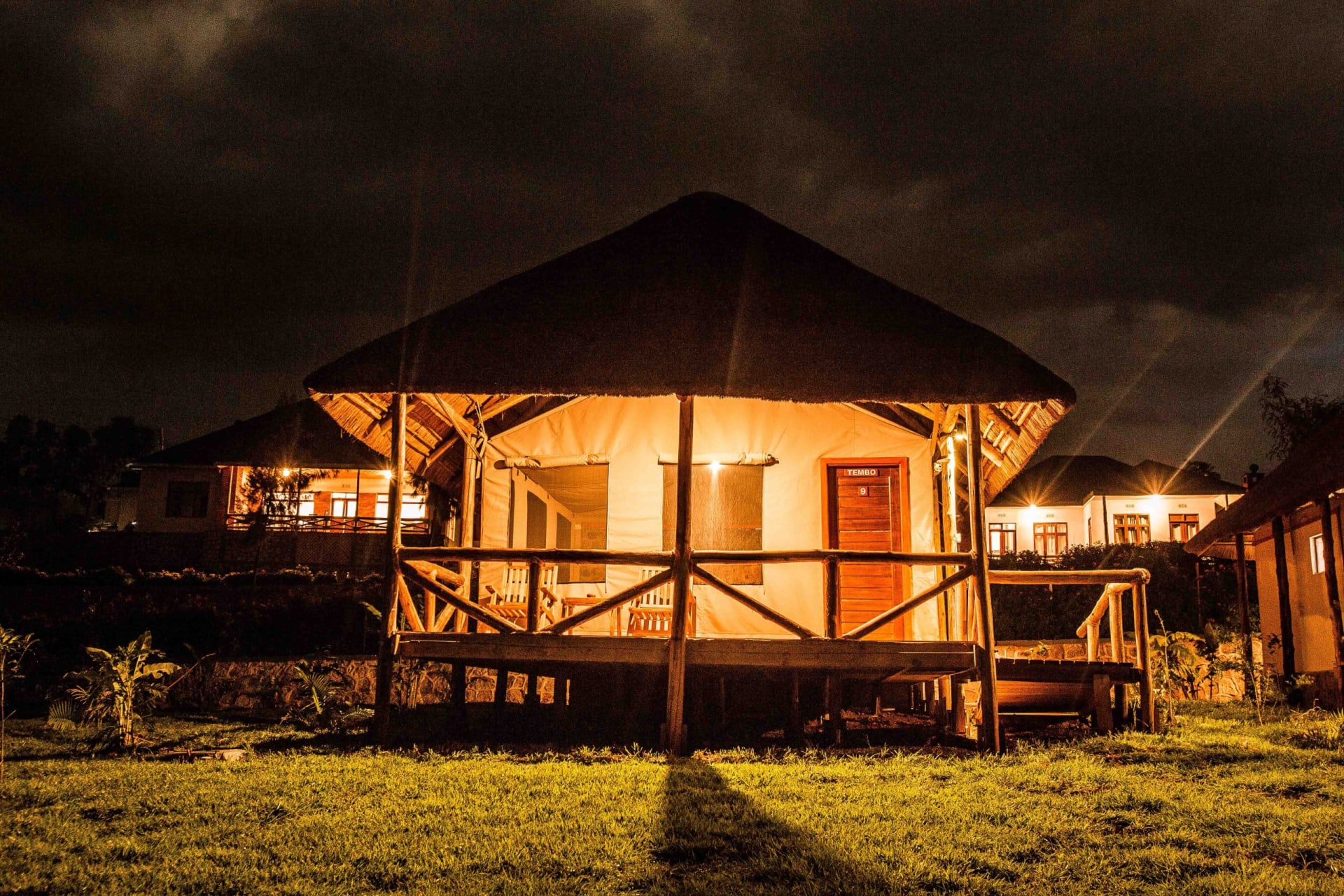
Mid-range packages offer private or semi-private rooms, better lodge amenities, and more personalized service. You might get a private vehicle option or smaller group sizes. Food quality is higher, and lodges often have pools, WiFi, and better views.
A 7-day mid-range safari costs $3,000–$4,000 per person for 2026. This is the sweet spot for most travelers—good value, comfortable accommodations, and quality experiences without paying luxury prices.
Luxury Safaris: $4,000–$6,000+ per person
Luxury safaris feature private vehicles, private guides, high-end lodges with premium amenities, and gourmet meals. You get personalized itineraries, flexible schedules, and exclusive experiences like private bush dinners or helicopter flights.
A 7-day luxury safari in Southern Tanzania costs $4,000–$6,000+ per person. Even at the top end, Southern Tanzania is cheaper than luxury Serengeti packages, which start around $5,500–$7,000.
What's Included vs. Extra Costs
Most safari packages include accommodation, meals, game drives, park entry fees, and a professional guide. They typically exclude international flights, travel insurance, visas, tips for guides, and activities outside the main itinerary (like scenic flights or special excursions).
Learn what's truly included in all-inclusive Tanzania safari packages to avoid surprise costs. SafariFind lists operators with transparent pricing so you know exactly what you're paying for.
How to Book Your Southern Tanzania Safari
Step 1: Choose Your Park and Dates
Decide between Nyerere (for boating and walking safaris) or Ruaha (for vast plains and wild dogs). Pick your travel dates based on season preferences and budget. June–October offers peak wildlife viewing. January–February offers lower prices and shoulder-season crowds.
Step 2: Set Your Budget
Determine how much you want to spend per person. Budget $2,300–$3,000 for basic safaris, $3,000–$4,000 for mid-range, or $4,000+ for luxury. Remember: Southern Tanzania saves you $1,200+ compared to equivalent Serengeti packages.
Step 3: Research Tour Operators
Look for operators specializing in Southern Tanzania with verified reviews and transparent pricing. Read what past travelers say about their experiences, guide quality, and lodge conditions. Find the best-rated Tanzania safari tour operators on SafariFind—all verified with authentic customer reviews.
Step 4: Request Quotes and Compare
Contact multiple operators and request detailed quotes. Compare what's included, lodge quality, group size, and guide experience. Ask about flexibility—can they customize itineraries? Do they offer private vehicles? What's their cancellation policy?
Step 5: Book and Prepare
Once you've chosen an operator, book your safari. Check visa requirements for Tanzania, get necessary vaccinations, and arrange travel insurance. Understand Tanzania visa requirements and vaccination recommendations before your trip.
SafariFind makes this process simple. Browse verified operators, read authentic reviews, request quotes directly, and book with confidence. Compare Southern Tanzania safari packages from multiple operators to find the best value for your budget and travel style.
Southern Tanzania vs. Other Safari Destinations
Southern Tanzania vs. Serengeti: The Cost and Crowd Comparison
The Serengeti is iconic, but it comes with iconic prices and crowds. A comparable 7-day Serengeti safari costs $3,500–$5,000+ per person, while Southern Tanzania runs $2,300–$4,000. That's a savings of $1,200–$1,500 per person—enough to upgrade your lodge or extend your trip.
The Serengeti offers the Great Migration (2 million wildebeest crossing between July and October), but it's packed with tourists during peak season. Southern Tanzania offers equally impressive wildlife with far fewer vehicles around. Compare Tanzania safaris head-to-head with Kenya options to see all your alternatives.
Southern Tanzania vs. Kenya Safari: Cost and Experience
Kenya's Masai Mara is world-renowned and sees similar crowds to the Serengeti. A 7-day Kenya safari typically costs $3,000–$5,000+. Southern Tanzania offers comparable wildlife at lower prices with less crowding. If you want African safari without the tourist circus, Southern Tanzania wins.
Southern Tanzania vs. South Africa Safari: Where to Go
South Africa's Kruger National Park is excellent but less wild than Tanzania—it's more developed with more roads and facilities. South Africa safaris also cost more: $3,500–$6,000+ for 7 days. See a detailed cost and wildlife comparison between South Africa and Tanzania safaris to decide which destination suits you.
What Wildlife Will You See?
The Big Five and Beyond
Southern Tanzania is home to the Big Five: lions, elephants, buffalo, leopards, and rhinos. You'll see large herds of these animals, especially during the dry season (June–October). But Southern Tanzania offers more than just the Big Five.
Nyerere and Ruaha are known for wild dogs, one of Africa's most endangered predators. You're more likely to see wild dog packs here than anywhere else in Tanzania. Cheetahs, hyenas, and jackals are also common.
Bird Watching Paradise
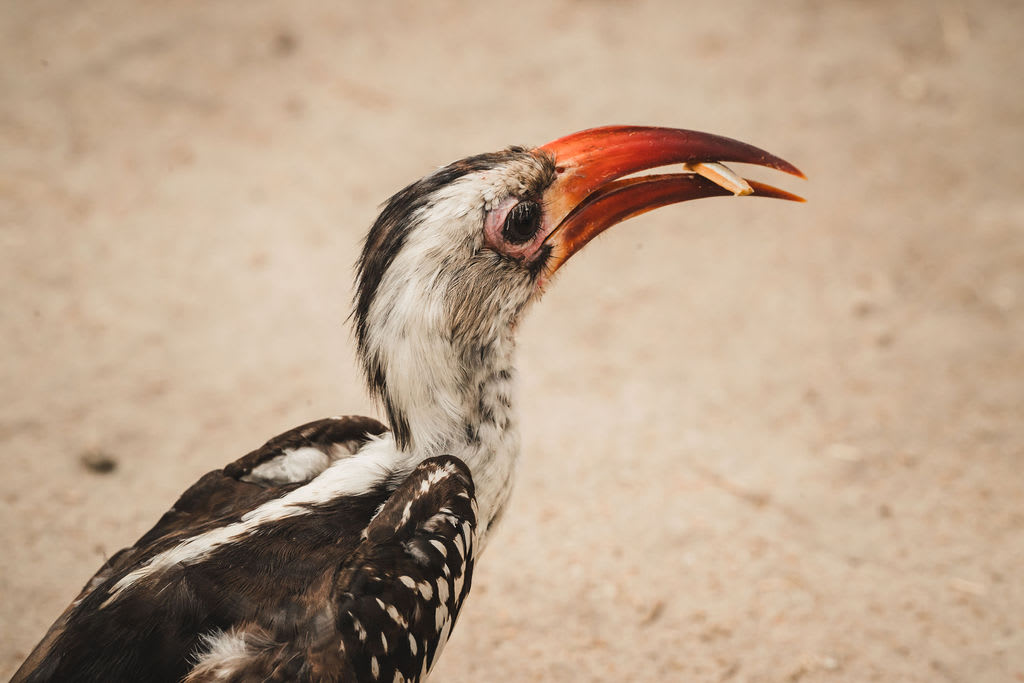
If you're into birds, Southern Tanzania is paradise. Over 400 bird species have been recorded in Nyerere alone. The Rufiji River in Nyerere is a hotspot for African fish eagles, kingfishers, and water birds. January–February (Green Season) offers the best bird activity.
Smaller Wildlife and Ecosystems
You'll also see giraffes, zebras, wildebeest, antelopes, warthogs, baboons, and monkeys. Walking safaris let you spot smaller creatures—insects, reptiles, and amphibians—that reveal the full ecosystem. This deeper perspective makes Southern Tanzania special.
Practical Tips for Your Southern Tanzania Safari
What to Pack
Pack neutral-colored clothing (khaki, tan, green) that blends with the landscape. Bring a wide-brimmed hat, sunscreen, and good walking boots for walking safaris. A lightweight rain jacket is essential for shoulder seasons. Binoculars and a good camera are must-haves.
Don't forget a headlamp or flashlight for early morning and evening drives. Insect repellent protects against mosquitoes. See a complete packing list for Tanzania safaris to ensure you have everything you need.
Health and Safety
Check with your doctor about vaccinations for Tanzania. Yellow fever, malaria prevention, and routine vaccinations are typically recommended. Drink bottled water only. Use sunscreen daily—the African sun is intense.
Southern Tanzania is safe for tourists. Your lodge and guides prioritize your safety during game drives and walking safaris. Follow your guide's instructions, stay in vehicles during game drives, and don't wander alone at night.
Communication and Money
Most lodges have WiFi, but it can be slow. Download offline maps and entertainment before you go. Tanzania uses the Tanzanian Shilling (TZS). Bring US dollars or euros—you can exchange them at lodges or in towns. Inform your bank you're traveling so they don't block your cards.
Tipping Your Guide
Safari guides depend on tips. A standard tip is $10–$20 USD per person per day for the guide, and $5–$10 per person per day for camp staff. Learn about guide pay and tipping etiquette for Tanzania safaris to understand how your gratuity supports local communities.
Key Takeaways
- Book Southern Tanzania safaris 3–6 months in advance to secure the best lodge availability and save 15–20% on peak-season rates compared to last-minute bookings.
- Visit Nyerere or Ruaha during June–October for peak wildlife viewing with fewer tourists than the Serengeti, delivering intimate safari experiences at lower costs.
- Expect to save $1,200–$1,500 per person by choosing Southern Tanzania over Serengeti packages, with comparable wildlife quality and better solitude.
- Combine walking and boating safaris in Nyerere to experience wildlife from multiple perspectives—river-based spotting reveals hippos and water birds that vehicle safaris miss.
- Use SafariFind to compare verified operators and read authentic reviews from past travelers before booking, ensuring you choose a reliable tour company with transparent pricing.
Frequently Asked Questions
How much does a Southern Tanzania safari cost in 2026?
A 7-day Southern Tanzania safari costs $2,300–$4,000 per person in 2026, depending on lodge quality and group size. Budget packages run $2,300–$3,000, mid-range $3,000–$4,000, and luxury $4,000–$6,000+. This is $1,200–$1,500 less than comparable Serengeti packages. Prices include accommodation, meals, game drives, park fees, and a professional guide. International flights are extra.
What's the best time to visit Nyerere or Ruaha National Parks?
June–October (dry season) offers the best wildlife viewing when animals congregate around water sources. January–February (shoulder season) provides lower prices, lush landscapes, and fewer tourists, though wildlife is more spread out. Avoid March–May (rainy season) when roads become muddy and visibility decreases. July–October are busiest but still less crowded than the Serengeti.
How is Southern Tanzania safari different from Serengeti safari?
Southern Tanzania (Nyereler and Ruaha) offers fewer tourists, lower costs, boating and walking safaris, and more intimate wildlife encounters than the Serengeti. The Serengeti is famous for the Great Migration and vast open plains, but it's crowded during peak season. Southern Tanzania delivers equally impressive wildlife—including wild dogs, leopards, and large elephant herds—in a quieter setting. You save $1,200+ per person without sacrificing quality.
Is Southern Tanzania safari safe for travelers?
Yes, Southern Tanzania safaris are safe. Your lodge and professional guides prioritize safety during game drives and walking safaris. Follow your guide's instructions, stay in vehicles during drives, and don't wander alone at night. Nyereler and Ruaha are well-established tourist destinations with experienced operators and good security. Choose a verified operator on SafariFind with positive reviews to ensure a safe, professional experience.
What wildlife can I expect to see in Nyereler or Ruaha?
You'll see the Big Five (lions, elephants, buffalo, leopards, rhinos), wild dogs, cheetahs, hyenas, zebras, giraffes, and numerous antelope species. Nyereler is known for boating safaris where you spot hippos, crocodiles, and water birds on the Rufiji River. Ruaha is excellent for wild dogs and leopards in trees. Over 400 bird species inhabit these parks, making them ideal for bird watchers. Wildlife sightings are excellent year-round, but best during the dry season (June–October).
How do I book a Southern Tanzania safari with a verified operator?
Use SafariFind to browse verified Southern Tanzania safari operators, compare packages, and read authentic reviews from past travelers. Request quotes from multiple operators, compare what's included (accommodation, meals, activities), and check guide experience and lodge ratings. Book directly through SafariFind or contact operators for custom itineraries. Look for operators specializing in Nyereler or Ruaha with 4.5+ star ratings and recent positive reviews.
Conclusion
Southern Tanzania safaris deliver world-class wildlife experiences at prices $1,200 lower than the Serengeti, without the tourist crowds that overshadow northern parks. Nyereler National Park offers boating and walking safaris on pristine rivers, while Ruaha showcases vast plains and endangered wild dogs. Both parks rival the Serengeti for wildlife quality while offering solitude and authenticity that crowded destinations can't match.
The best time to visit is June–October for peak wildlife viewing, or January–February for lower prices and shoulder-season tranquility. A 7-day safari costs $2,300–$4,000 per person in 2026, a significant savings that lets you upgrade your lodge, extend your trip, or combine Southern Tanzania with a beach stay in Zanzibar.
Ready to skip the Serengeti crowds and experience authentic African safari? Compare verified Southern Tanzania safari operators on SafariFind today. Browse real packages, read authentic traveler reviews, and request quotes from multiple operators to find your perfect safari at the best price. Your dream African adventure—minus the crowds and the premium price tag—is just a few clicks away.
Plan Your Safari with SafariFind
These recommendations use real data from SafariFind, where you can compare operators, browse packages, and read verified traveler reviews before you book.
Recommended Safari Operators from SafariFind
Recommended Safari Packages from SafariFind
What Travelers Say (SafariFind Reviews)
References
- Forbes: Skip The Serengeti Crowds—Visit Southern Tanzania For A Wilder Safari
- Serengeti Nexus: The Greatest Wildlife Show on Earth – Great Migration 2025–2026
- Horizon Seeker Adventure: How to Avoid Crowds on a Tanzania Safari – 2026 Travel Strategy
- Footslopes Tours: Tanzania Safari In January
- African Mecca Safaris: 7 Days – Best Of Southern Tanzania Safari
- Otto Safari Guide: Africa Safari Serengeti – Serengeti Safari & Packages 2025
- Wilderness Travel: Southern Tanzania Safari – Selous & Ruaha
Sources
- Forbes: Skip The Serengeti Crowds—Visit Southern Tanzania For A Wilder Safari
- Serengeti Nexus: The Greatest Wildlife Show on Earth – Great Migration 2025–2026
- Horizon Seeker Adventure: How to Avoid Crowds on a Tanzania Safari – 2026 Travel Strategy
- Footslopes Tours: Tanzania Safari In January
- African Mecca Safaris: 7 Days – Best Of Southern Tanzania Safari
- Otto Safari Guide: Africa Safari Serengeti – Serengeti Safari & Packages 2025
- Wilderness Travel: Southern Tanzania Safari – Selous & Ruaha
Related to
Ready to start your safari adventure?
Explore curated safari packages and find your perfect African adventure with verified operators.