Tanzania Safari & Zanzibar Packages from UK: 7-Day Itineraries £2,500–£5,000
7-day Tanzania safari and Zanzibar packages from UK: £2,500–£5,000 all-inclusive. Serengeti, Ngorongoro, beach relaxation. Book verified operators on SafariFind.

Tanzania Safari & Zanzibar: 7-Day Packages £2,500–£5,000
Last updated: July 2026
Tanzania safari and Zanzibar packages from the UK cost £2,500–£5,000 for 7-day itineraries, including flights, park fees, and accommodation. The best time to visit is June to October or December to February for wildlife viewing and beach conditions. Book through verified operators on SafariFind to compare packages and read authentic reviews from past travelers.
At a Glance
- Cost: £2,500–£5,000 per person for 7 days
- Best time to visit: June to October (dry season) or December to February (beach season)
- Duration: 7 days recommended; 10–12 days ideal for combination trips
- Getting there: Direct flights from London (8–10 hours) to Dar es Salaam or Kilimanjaro
- Best for: Wildlife lovers, beach seekers, adventure travelers, families, photography enthusiasts
- Wildlife highlights: Serengeti, Ngorongoro Crater, Tarangire, Zanzibar's coral reefs
What Are Tanzania Safari & Zanzibar Packages from the UK?
Tanzania safari and Zanzibar packages from the UK combine African wildlife adventure with tropical island relaxation. These 7-day itineraries blend Serengeti game drives, crater exploration, and Zanzibar beach time into one unforgettable trip. Packages include flights from London, park fees, lodge accommodation, meals, and guided safaris.
UK travelers choose these combo packages because they skip the need to plan two separate trips. You experience world-class wildlife viewing in Tanzania's northern parks, then unwind on white-sand beaches along the Indian Ocean. The price range of £2,500–£5,000 covers everything except personal expenses and tips.
These packages appeal to busy professionals, families, and adventure seekers who want maximum experience in limited time. You don't need extensive safari experience—guides handle all the driving, wildlife spotting, and logistics. Mid-range packages include comfortable lodge stays with en-suite bathrooms, while luxury options offer premium resorts and private guides.
Why Choose a Combined Safari and Zanzibar Trip?
A combination trip saves money compared to booking safaris and beach holidays separately. Tour operators negotiate bulk rates with lodges and airlines, passing savings to you. You also avoid booking stress by using one operator for your entire itinerary.
The contrast between safari and beach creates a balanced vacation. Days 1–4 focus on wildlife: early morning game drives, crater hikes, and wildlife photography. Days 5–7 shift to relaxation: snorkeling, beach walks, and spa treatments. This variety prevents adventure fatigue and gives you stories to share.
Tanzania Safari and Zanzibar packages suit multiple traveler types. Honeymooners love the romance of sunsets over the Serengeti followed by private beach dinners. Families appreciate the educational wildlife experience plus kid-friendly beach resorts. Photography enthusiasts get professional guides and optimal wildlife viewing times.
What's Included in These 7-Day Packages?
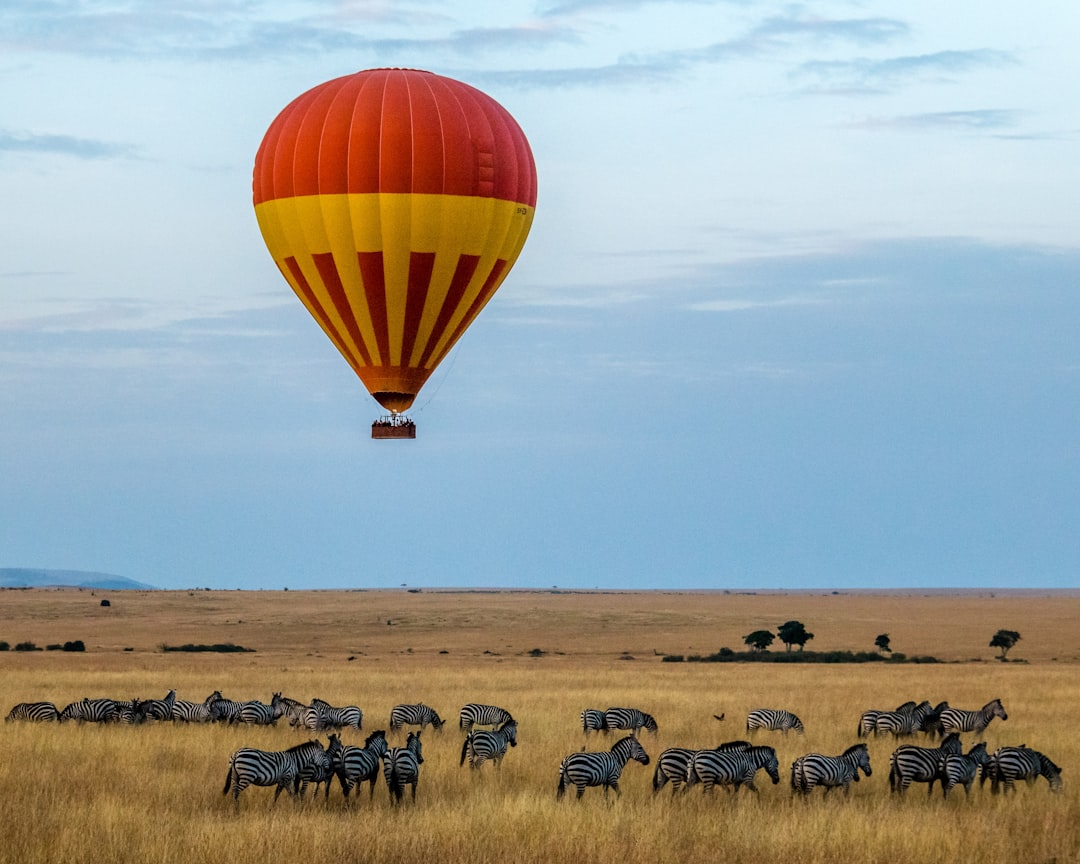
Most Tanzania safari and Zanzibar packages from the UK include roundtrip flights from London, accommodation in mid-range to luxury lodges, park entrance fees, guided game drives, meals (breakfast, lunch, dinner), and airport transfers. Some packages add activities like hot air balloon rides or Zanzibar spice tours.
Flights and Transportation
Flights from London to Tanzania typically take 8–10 hours with one stop (usually in the Middle East or Africa). Major carriers include Kenya Airways, Qatar Airways, and Ethiopian Airlines. Roundtrip flights cost £500–£1,500 depending on season and booking timing.
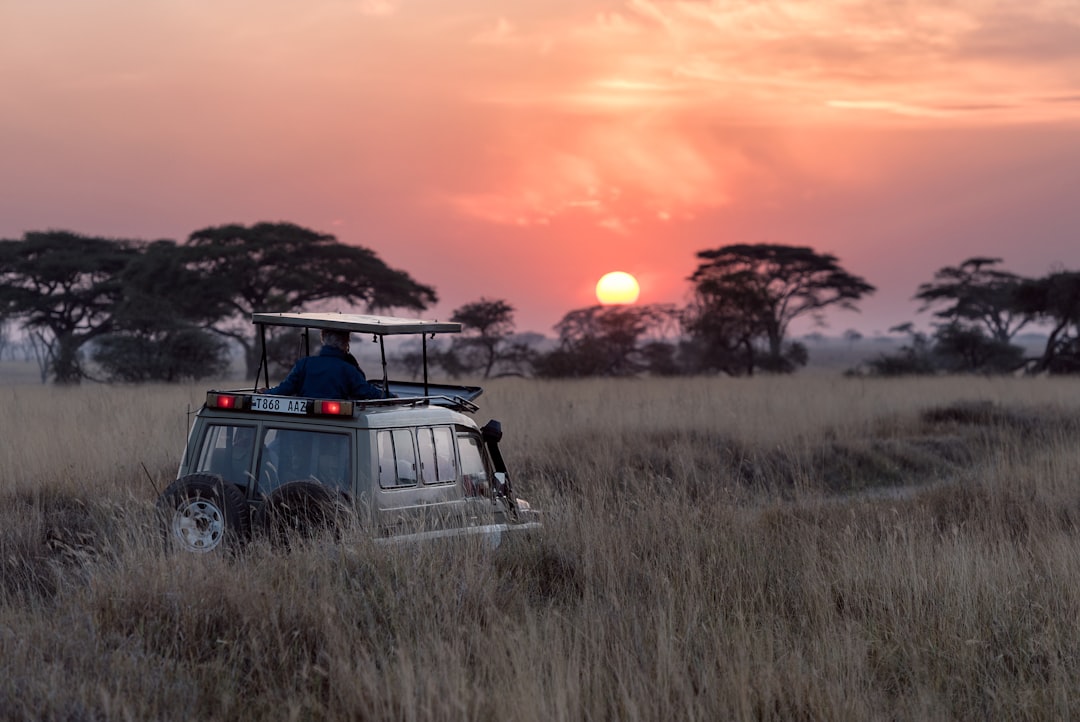
In-country transportation includes private safari vehicles with pop-up roofs for wildlife viewing and photography. Guides drive you between parks and lodges. Flights between Tanzania and Zanzibar (45 minutes) are included in most packages. Airport transfers use air-conditioned vehicles.
Accommodation Options
Budget packages (£2,500–£3,200) use comfortable mid-range lodges with basic amenities. Standard rooms have en-suite bathrooms, fans, and basic furniture. Meals are served in communal dining areas. These lodges offer good value and authentic safari experiences.
Mid-range packages (£3,200–£4,000) include superior lodges with hot water, electricity, and better views. Some have small balconies or verandas. Zanzibar accommodations upgrade to beachfront hotels with pools and restaurants. Food quality improves with more variety.
Luxury packages (£4,000–£5,000+) feature exclusive tented camps and 5-star resorts. Private en-suite bathrooms, air conditioning, and premium bedding are standard. Many include private guides, special meals, and exclusive experiences like private airstrips or sunset champagne. Zanzibar stays move to ultra-luxury beachfront resorts with spa facilities.
Meals and Dining
Most packages include three meals daily: full breakfast, packed lunch during game drives, and dinner at the lodge. Breakfasts feature eggs, fresh fruit, bread, and hot beverages. Lunches are picnic-style—sandwiches, fruit, and snacks—eaten at scenic viewpoints.
Dinners showcase Tanzanian and international cuisine. Guides accommodate dietary restrictions (vegetarian, vegan, gluten-free) with advance notice. Beverages like bottled water, tea, and coffee are included. Alcoholic drinks typically cost extra unless your package specifies "all-inclusive."
Park Fees and Activities
National park entrance fees are included. Tanzania charges foreigners higher rates than residents. Serengeti costs $70 per day per person, Ngorongoro Crater $80, and Tarangire $45. These fees go toward conservation and park management.
Activities include guided game drives (2–3 per day), walking safaris, and crater hikes. In Zanzibar, you get beach time, snorkeling trips, and visits to historic Stone Town. Some packages add hot air balloon rides (£200–£400 extra), spice farm tours, or sunset dhow cruises.
Compare verified Tanzania safari packages on SafariFind to see exact inclusions for each operator. Browse Tanzania safari and Zanzibar packages to find options matching your budget and interests.
How Much Do Tanzania Safari & Zanzibar Packages Cost in 2026?
Tanzania safari and Zanzibar packages from the UK range from £2,500 to £5,000 per person for 7 days, depending on accommodation quality, season, and inclusions. Budget packages cost less; luxury options cost more. Group bookings and off-season travel offer discounts.
Price Breakdown by Package Type
Budget packages (£2,500–£3,200 per person) use camping or basic lodge accommodation, shared safari vehicles, and simple meals. These suit travelers who prioritize experience over comfort. You save 30–40% compared to mid-range packages but accept basic facilities and shared guides.
Mid-range packages (£3,200–£4,000 per person) offer comfortable lodge rooms, private or small-group safari vehicles, and better meals. This is the sweet spot for most UK travelers—good value with solid comfort. You get en-suite bathrooms, reliable electricity, and quality wildlife experiences.
Luxury packages (£4,000–£5,000+ per person) feature exclusive tented camps, private guides, premium Zanzibar resorts, and special experiences. These suit honeymooners, families with young children, or travelers seeking maximum comfort. You get personalized service, exclusive access, and memorable experiences.
What Affects Pricing?
Flights cost more during UK school holidays (July–August, December) and Easter. Off-season travel (March–May, November) offers 15–25% discounts. Peak season (June–October) is pricier because of favorable wildlife viewing conditions.
Group size matters. Groups of 4+ people negotiate lower per-person rates. Solo travelers pay single supplements (£300–£600 extra). Couples often get better rates than individuals.
Zanzibar adds costs. Island accommodation is pricier than mainland lodges. Beach resorts charge more during school holidays. However, many packages bundle Zanzibar into the total price, so you don't pay extra.
Activities beyond the itinerary cost extra. Hot air balloon rides add £200–£400. Spice farm tours cost £40–£60. Snorkeling trips at Mnemba Atoll run £80–£120. Budget extra for these experiences if interested.
Hidden Costs to Consider
Visas for UK citizens cost £50–£100 and require an application before travel. Travel insurance (recommended for all trips) costs £15–£40 for 7 days. Recommended vaccinations (yellow fever, typhoid, malaria prevention) cost £0–£200 depending on your GP and what you already have.
Tips for guides and drivers aren't mandatory but expected. Budget £5–£10 per person per day for guides and £2–£5 per day for drivers. Zanzibar activities like snorkeling cost £50–£150 extra if not included.
Personal expenses—souvenirs, drinks, meals outside the package, phone credit—add up quickly. Budget an extra £300–£500 for 7 days. Protect yourself with comprehensive travel insurance covering medical emergencies, trip cancellation, and evacuation.
Find affordable Tanzania safari and Zanzibar packages by browsing verified operators on SafariFind. Filter by price, rating, and duration to compare real packages with authentic reviews.
Best Time to Visit Tanzania and Zanzibar
The best time for Tanzania safari and Zanzibar packages is June to October (dry season) or December to February (beach season). These months offer clear skies, calm seas, and excellent wildlife viewing. Avoid March to May (rainy season) when roads become muddy and wildlife disperses.
Dry Season: June to October
The dry season is peak safari time. Vegetation thins, making wildlife easier to spot. Herds gather around water sources. The Great Migration crosses the Mara River in July–August, offering dramatic wildlife photography. Temperatures are mild (15–25°C), and rainfall is minimal.
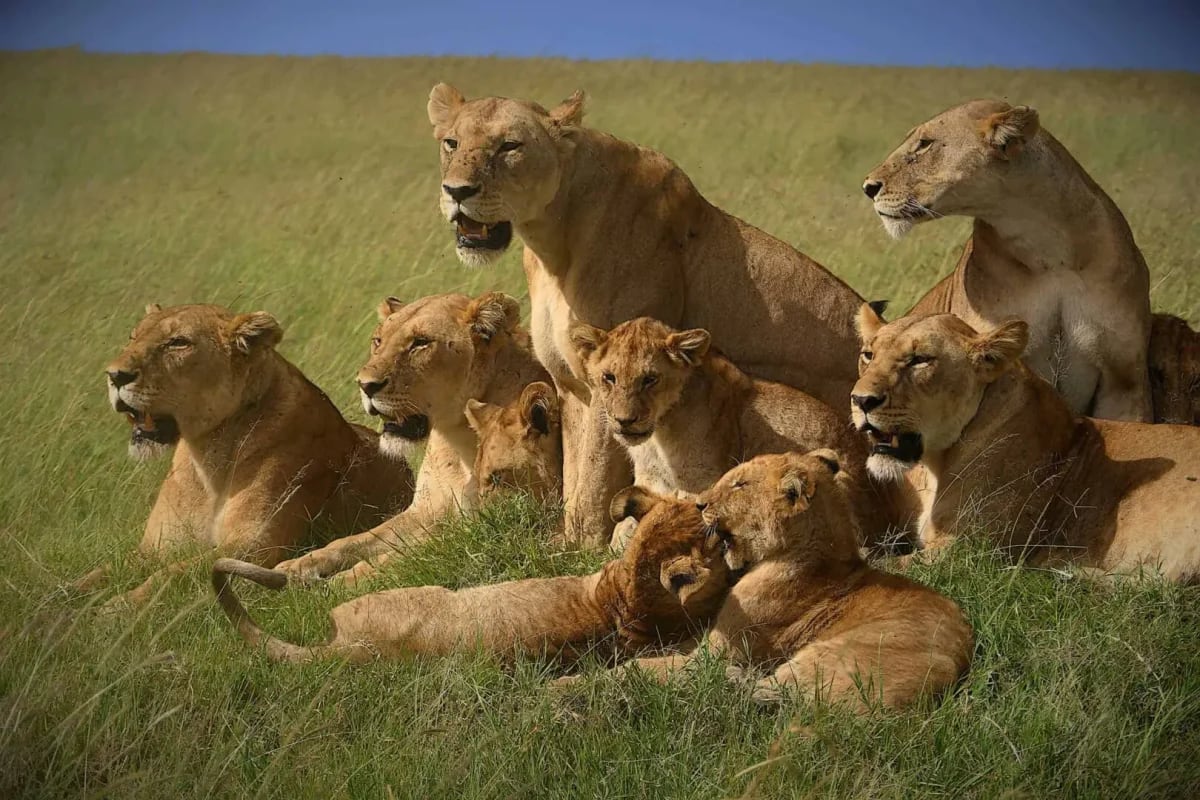
Serengeti wildlife viewing peaks June to October. You see lions, elephants, giraffes, and zebras daily. Ngorongoro Crater hosts year-round wildlife. Tarangire fills with elephants during this season. Game drives are comfortable—cool mornings, warm afternoons, cool evenings.
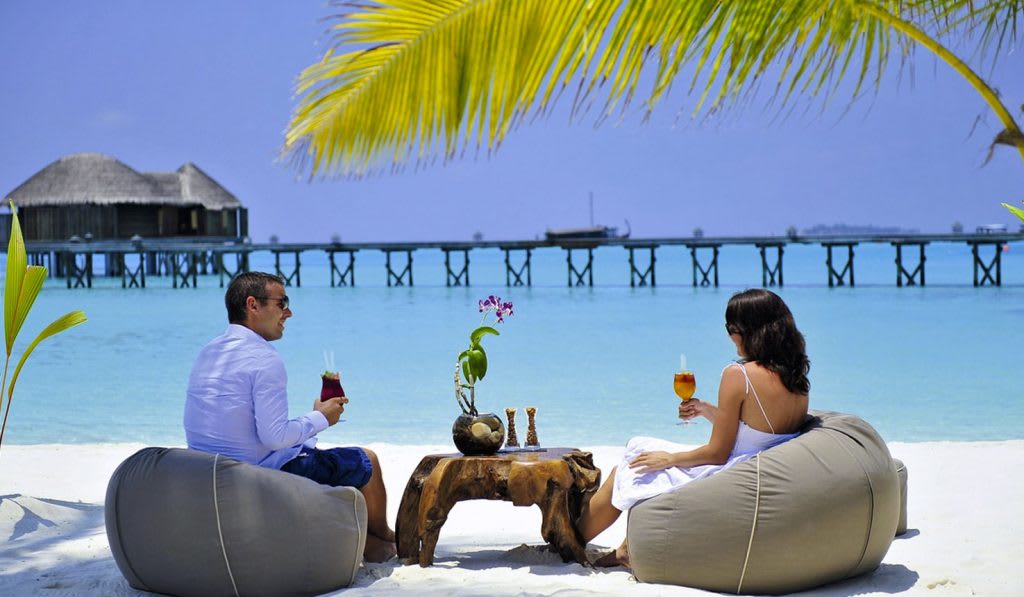
Zanzibar during June to October has dry weather, calm seas, and clear water (visibility 25–35 metres at Mnemba Atoll). Snorkeling and diving are excellent. Temperatures range from 20–28°C. This is the busiest season, so book early for better rates and lodge availability.
Beach Season: December to February
December to February is hot and humid but ideal for beach lovers. Zanzibar temperatures reach 28–32°C. Seas are warm and calm. Rainfall is minimal, and sunny days dominate. This season suits families seeking guaranteed beach weather.
Safari conditions are still good December to February. Wildlife viewing remains productive, though vegetation is thicker. Fewer tourists visit compared to June–October, so you enjoy quieter parks and better guide attention. Prices drop 10–20% during this shoulder season.
Shoulder Seasons: November and March
November and March offer compromise conditions. Weather is unpredictable—some rain, some sun. Wildlife viewing is decent but not peak. Prices are lower (20–30% discounts), and fewer tourists crowd the parks. These months suit budget-conscious travelers willing to accept variable weather.
Avoid: Rainy Season (March–May)
March to May brings heavy rainfall. Roads become muddy and difficult. Many lodges close temporarily. Wildlife disperses into thick vegetation, making spotting harder. Travel becomes uncomfortable. Prices drop significantly, but the experience suffers. Most UK travelers avoid this season.
How to Book Tanzania Safari & Zanzibar Packages
Book Tanzania safari and Zanzibar packages through verified tour operators on SafariFind to ensure reliability, authentic reviews, and transparent pricing. Research operators, compare packages, request quotes, and read traveler feedback before committing.
Step 1: Choose Your Travel Dates
Decide when you want to travel. June to October offers best wildlife viewing but highest prices. December to February suits beach lovers with moderate pricing. Allow 3–6 months booking lead time for peak season to secure preferred lodges and flights.
Check UK school holidays if traveling with children. Summer holidays (July–August) and Christmas (December–January) are busiest. Easter (March–April) books quickly. Off-season travel (November, March–May) offers better deals but variable weather.
Step 2: Set Your Budget
Determine your budget range: £2,500–£3,500 (budget), £3,500–£4,500 (mid-range), or £4,500+ (luxury). This guides your operator search. Remember to budget for extras: visas (£50–£100), travel insurance (£15–£40), vaccinations (£0–£200), and tips (£150–£300).
Step 3: Research Operators
Use SafariFind to browse verified Tanzania safari operators with ratings and authentic reviews. Look for ATOL protection (UK tour operators must have this), professional certifications, and positive traveler feedback. Read recent reviews mentioning specific aspects: guide quality, lodge cleanliness, food, wildlife sightings, and customer service.
Companies like Audley Travel offer ATOL-protected tailor-made tours with a TrustScore of 4.9 from 4,957 reviews and Which? recommendation. This level of verification ensures your money is protected and your experience is quality.
Step 4: Request Quotes
Contact 3–5 operators with your travel dates, budget, and interests. Provide details: number of travelers, accommodation preferences, activities (photography, hiking, snorkeling), and any special requests (honeymoon, family trip, dietary needs).
Ask specific questions: What's included? What costs extra? Can you customize the itinerary? What's your cancellation policy? How experienced are your guides? What's your safety record? Legitimate operators answer promptly and thoroughly.
Step 5: Compare and Book
Compare quotes side-by-side. Check inclusions carefully—flights, park fees, meals, activities. Compare lodge quality using photos and reviews. Look at cancellation policies. Flexible cancellation costs more but protects your investment if plans change.
Once you decide, book directly with the operator. Pay a deposit (usually 25–50% of the total cost). Confirm all details in writing: dates, itinerary, accommodation, meals, activities, payment schedule, cancellation terms. Obtain a booking confirmation with your reference number.
For hassle-free booking, request quotes from verified Tanzania safari operators on SafariFind. Compare real packages, read authentic reviews, and book with confidence.
What to Expect on Your 7-Day Itinerary
A typical 7-day Tanzania safari and Zanzibar package starts with 3–4 days in northern Tanzania parks (Serengeti, Ngorongoro, Tarangire) and ends with 3–4 days in Zanzibar. Days blend game drives, wildlife photography, hiking, and beach relaxation into one complete experience.
Days 1–2: Arrival and Tarangire National Park
You arrive at Kilimanjaro or Dar es Salaam airport. Your operator arranges airport transfer to your first lodge. Day 1 is usually light—settle in, rest after your flight, and enjoy an afternoon game drive to spot wildlife and acclimate.
Day 2 focuses on Tarangire National Park, famous for large elephant herds. Early morning game drive (6 AM–10 AM) finds lions, buffalo, zebras, and giraffes. Afternoon drive (4 PM–7 PM) catches animals at waterholes. Guides teach you about ecosystems, animal behavior, and conservation. Evenings feature lodge dinners and rest.
Days 3–4: Ngorongoro Crater
Drive to Ngorongoro Crater, a UNESCO World Heritage site. The 600-square-kilometer crater contains 25,000 animals living in a self-contained ecosystem. You descend 600 meters into the crater for a full-day game drive, spotting lions, elephants, flamingos, and rhinos.
The crater's unique geography creates dramatic photography opportunities. Walls tower above the crater floor. Animals gather at water sources. Your guide points out behavior—hunting lions, grazing herds, nesting birds. Lunch is a picnic at a scenic viewpoint. Afternoon drives return you to the lodge for sunset and dinner.
Days 5–6: Serengeti National Park
The Serengeti is Africa's largest wildlife reserve, covering 14,750 square kilometers. Game drives reveal endless wildlife: lions, leopards, cheetahs, elephants, buffalo, wildebeest, and zebras. The Great Migration (July–October) brings 1.5 million wildebeest across the landscape.
Your guide positions you for optimal viewing and photography. Early morning drives catch predators hunting. Midday rests avoid heat. Afternoon drives find animals active again. Evening game drives spot nocturnal species like hyenas and jackals. Two full days in the Serengeti reveal Africa's most spectacular wildlife concentration.
Days 7–8: Zanzibar Beach Relaxation
Fly from Serengeti to Zanzibar (45 minutes). Switch from safari vehicles to beach resorts. Days 7–8 focus on relaxation: beach walks, snorkeling, spa treatments, and swimming. The Indian Ocean offers warm, clear water perfect for water activities.
Optional activities include Stone Town tours (historic architecture and culture), spice farm visits, sunset dhow cruises, and Mnemba Atoll snorkeling. Many travelers sleep late, enjoy long breakfasts, read books, and simply unwind. Dinners are beachfront with fresh seafood.
Your final evening includes a beach sunset dinner. Day 8 morning allows last-minute beach time before airport transfer. You depart Zanzibar with wildlife memories and beach relaxation complete.
Health, Safety, and Practical Preparations
Before traveling to Tanzania, arrange vaccinations, obtain travel insurance, and prepare documentation. Tanzania is generally safe for tourists, but preparation ensures a healthy, worry-free trip.
Vaccinations and Health Precautions
Consult your GP 4–6 weeks before travel. Recommended vaccinations include yellow fever, typhoid, hepatitis A, and tetanus. Malaria prevention is essential—your GP prescribes antimalarial tablets (cost £0–£200 depending on medication type). Take tablets as directed, starting before arrival and continuing after return.
Dengue fever, Zika, and other mosquito-borne diseases exist but are rare for tourists. Use insect repellent with 20% DEET, wear long sleeves at dawn and dusk, and sleep under bed nets. Drink bottled water only. Avoid street food in busy markets.
Travel insurance is mandatory. Standard policies cost £15–£40 for 7 days and cover medical emergencies, trip cancellation, evacuation, and lost luggage. Ensure your policy covers Tanzania and any adventure activities (hot air balloon rides, hiking).
Visas and Documentation
UK citizens need a Tanzania visa (£50–£100). Apply online via the e-visa system (www.immigration.go.tz) or at the airport on arrival. Processing takes 5–10 days online. Bring your passport (valid 6+ months), proof of yellow fever vaccination, and return flight confirmation.
Ensure your passport has blank pages for stamps. Make copies of your passport, visa, travel insurance, and flight confirmations. Store copies separately from originals. Register with the UK Foreign Office's Locate Service before travel.
What to Pack
Pack light, neutral-colored clothing for safaris (khaki, green, brown). Avoid bright colors and white—they attract insects and disrupt wildlife viewing. Bring long sleeves, long pants, and a wide-brimmed hat for sun protection. Comfortable walking shoes are essential for hiking and game drives.
Include binoculars, a camera with a good zoom lens, and extra batteries. Sunscreen (SPF 50+), sunglasses, and a lightweight rain jacket are important. Toiletries, medications, and a basic first aid kit matter because lodge supplies may be limited. Bring a power adapter (Tanzania uses 220V, Type D/G plugs).
For Zanzibar, pack swimwear, a snorkel kit, and light beach clothing. Zanzibar is more casual than safari lodges. Flip-flops or sandals are perfect for beaches. A sarong is useful for sun protection and cultural respect.
Safety Considerations
Tanzania is generally safe for tourists. Violent crime against visitors is rare. Exercise normal precautions: don't display expensive jewelry, use registered taxis, avoid walking alone at night, and keep valuables secure. Your operator handles all logistics, so you don't need to arrange transport independently.
Wildlife is not aggressive if you follow guide instructions. Never approach animals, exit safari vehicles without permission, or make loud noises. Guides are trained in safety and wildlife behavior. Trust their expertise.
Zanzibar is safe for tourists in main areas (beaches, Stone Town). Avoid deserted streets at night. Use registered taxis or your lodge's transport. Exercise the same precautions you'd use in any beach destination.
Northern Tanzania Safari Highlights and Wildlife
Northern Tanzania hosts Africa's most famous parks: Serengeti, Ngorongoro Crater, and Tarangire. These parks concentrate diverse wildlife and dramatic landscapes into one region. Here's what you'll experience on your safari.
Serengeti National Park
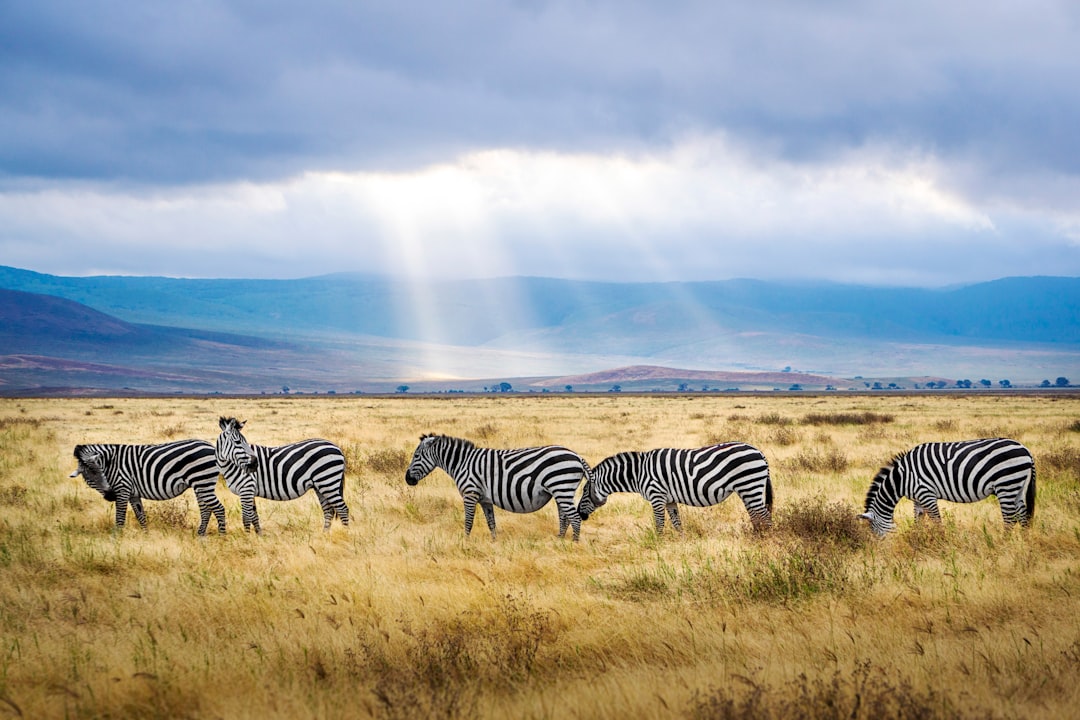
The Serengeti covers 14,750 square kilometers in northern Tanzania. It's home to over 1.5 million wildebeest, 500,000 zebras, and 300,000 gazelles. The park's name means "the place where the land runs on forever" in Maasai—endless golden plains stretch to the horizon.
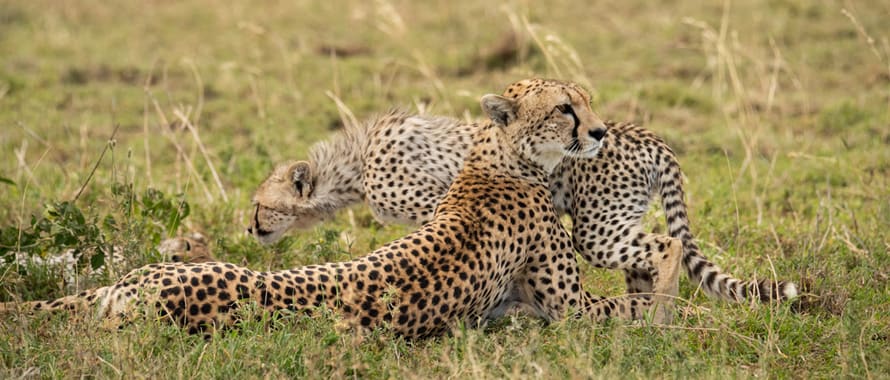
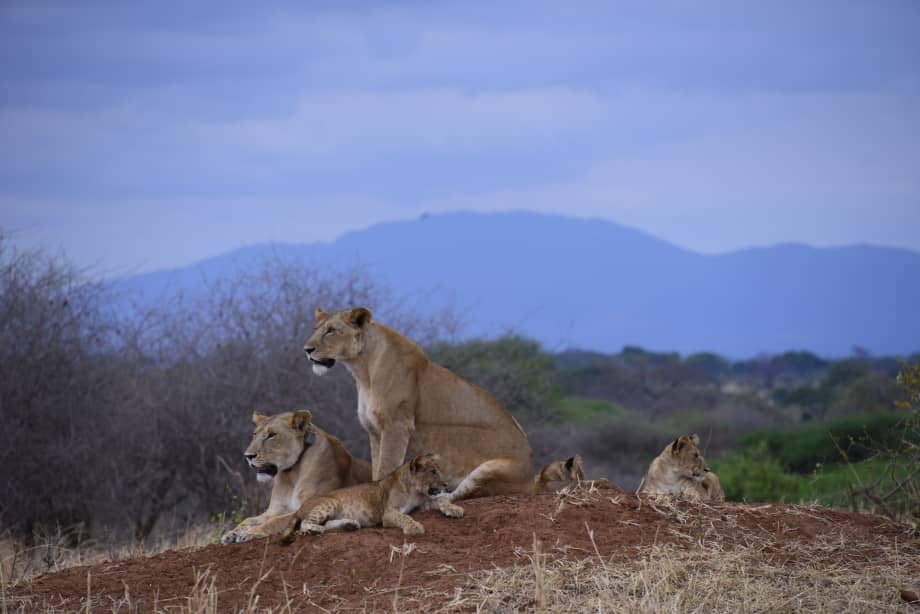
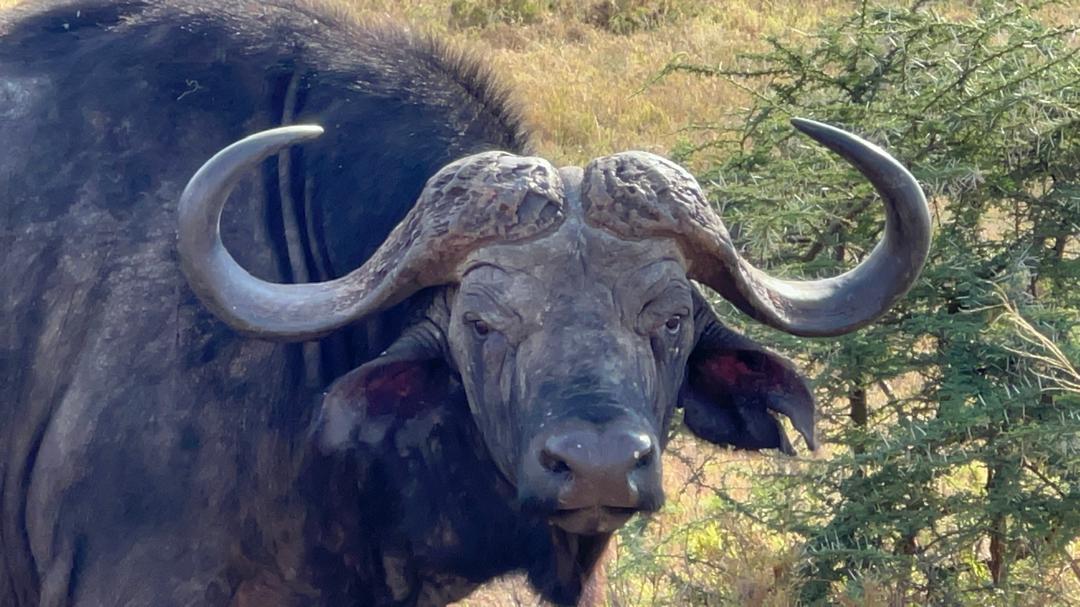
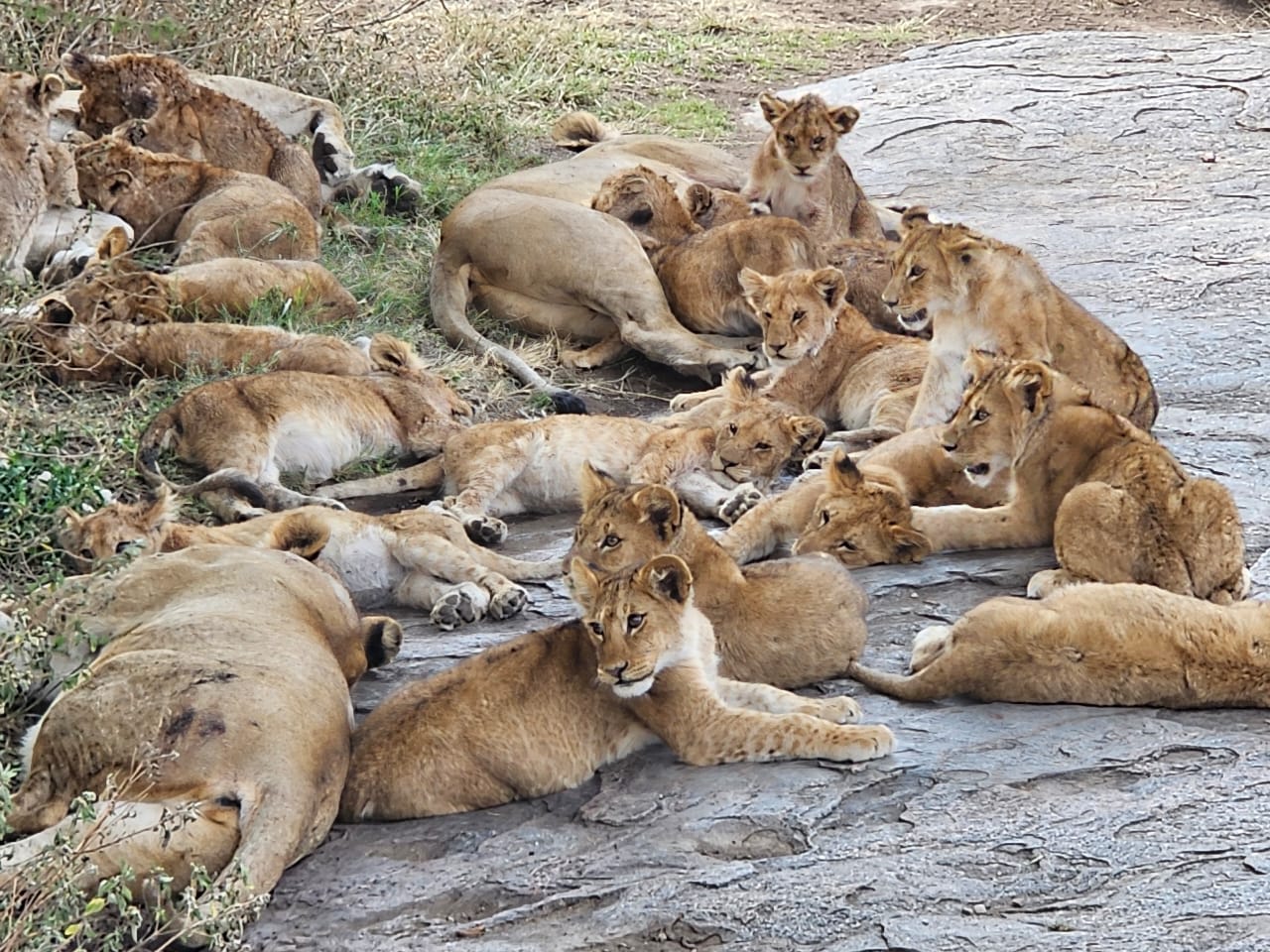
You'll spot the Big Five: lions, leopards, elephants, buffalo, and rhinos. Cheetahs hunt across grasslands. Hyenas and wild dogs hunt at night. Bird watchers find over 500 bird species. The Great Migration (July–October) brings dramatic river crossings and predator-prey interactions.
Ngorongoro Crater
Ngorongoro Crater is a collapsed volcano containing a complete ecosystem. The 600-square-kilometer crater floor holds 25,000 animals year-round. You descend 600 meters into a natural amphitheater where wildlife thrives in isolation.
The crater's walls protect animals from external threats. Lions, elephants, buffalo, zebras, wildebeest, and hippos live here. Flamingos gather at soda lakes. Black rhinos (endangered) are sometimes spotted. The crater's unique landscape creates unmatched photography opportunities.
Tarangire National Park
Tarangire is famous for its elephant herds—up to 3,000 elephants gather here during dry season. The Tarangire River attracts animals year-round. You'll see lions, buffalo, giraffes, zebras, warthogs, and baboons. Baobab trees create dramatic landscapes.
Tarangire is less crowded than Serengeti. You get more intimate wildlife experiences with fewer tourists. Birdwatching is excellent—over 300 bird species. The park feels raw and authentic, perfect for photographers seeking unique perspectives.
Zanzibar's Marine Life
Zanzibar offers snorkeling and diving in the Indian Ocean. Mnemba Atoll features coral reefs teeming with tropical fish, sea turtles, and dolphins. Water visibility reaches 25–35 metres during dry season. The island's warm waters (25–28°C) are perfect for swimming and water sports.
Stone Town, Zanzibar's historic capital, reflects Arab, Indian, and European influences. Narrow streets, ancient architecture, and local markets create cultural immersion. Spice farms showcase clove, vanilla, and nutmeg plantations that made Zanzibar famous historically.
Comparing Tanzania Safari vs Kenya and Southern Tanzania Alternatives
Northern Tanzania (Serengeti, Ngorongoro) is the most popular safari destination. However, Kenya's Masai Mara and southern Tanzania offer different experiences at varying costs. Understanding these options helps you choose the best fit for your interests and budget.
Tanzania vs Kenya: Key Differences
Kenya's Masai Mara hosts the Great Migration (July–October) like Serengeti. However, Serengeti offers 14,750 square kilometers of wilderness versus Mara's 1,500 square kilometers. Serengeti feels more remote and less crowded. Tanzania packages from the UK cost £2,500–£5,000; Kenya packages typically cost £2,800–£5,500—slightly higher.
Tanzania adds Zanzibar beach time to safari experiences. Kenya packages focus purely on safari. If you want both wildlife and beaches, Tanzania's combination packages save money and planning stress compared to booking Kenya safari plus Kenya beach resort separately.
For more detailed comparison, explore Tanzania safari vs Kenya: wildlife, costs & which operator to choose. This guide covers specific differences in wildlife density, costs, and operator recommendations.
Northern Tanzania vs Southern Tanzania
Northern Tanzania (Serengeti, Ngorongoro, Tarangire) is the classic safari circuit. Southern Tanzania (Selous, Ruaha) offers less crowded alternatives with excellent wildlife. Southern parks cost 20–30% less than northern parks but require longer travel times.
Selous Game Reserve spans 50,000 square kilometers—larger than Serengeti. It's less developed, more adventurous, and attracts serious wildlife enthusiasts. Ruaha National Park is remote and rugged, perfect for photographers. Both southern parks are excellent but less convenient for UK travelers with limited time.
For 7-day UK itineraries, northern Tanzania is the better choice—shorter travel times mean more safari time. If you have 10+ days, combining northern and southern parks offers diverse experiences. Learn more about southern Tanzania safari options to skip Serengeti crowds and save £1,200.
All-Inclusive Packages vs À La Carte
All-inclusive packages bundle flights, accommodation, meals, activities, and park fees into one price. You know the total cost upfront. À la carte booking means you arrange flights, book lodges, and pay for activities separately.
All-inclusive packages simplify planning and often cost less due to operator bulk discounts. À la carte offers flexibility but requires more research and coordination. For 7-day UK trips, all-inclusive packages are easier and usually cheaper.
Review Tanzania safari all-inclusive packages: what's actually included under £4,500 to understand exactly what different price points cover.
Key Takeaways
- Book Tanzania safari and Zanzibar packages 3–6 months ahead to secure preferred lodges and flights at lower rates (15–25% savings on peak season pricing).
- The best time to visit is June to October for wildlife viewing or December to February for beach relaxation—avoid March to May's rainy season when roads are impassable.
- Budget £2,500–£3,500 per person for comfortable mid-range packages; add £150–£300 for tips, visas (£50–£100), travel insurance (£15–£40), and vaccinations (£0–£200).
- Verify your operator is ATOL-protected (mandatory for UK tour operators) and has positive reviews mentioning guide quality, wildlife sightings, and customer service.
- Pack light, neutral-colored clothing, binoculars, camera gear, sunscreen, and insect repellent; arrange malaria prevention medication and yellow fever vaccination before departure.
Frequently Asked Questions
How much does a Tanzania safari and Zanzibar package from the UK cost in 2026?
Tanzania safari and Zanzibar packages from the UK cost £2,500–£5,000 per person for 7 days, including flights, park fees, and accommodation. Budget packages (£2,500–£3,200) use basic lodges; mid-range (£3,200–£4,000) offer comfortable accommodations; luxury (£4,000–£5,000+) feature exclusive camps and premium resorts. Additional costs include visas (£50–£100), travel insurance (£15–£40), and tips (£150–£300).
What's the best time to visit Tanzania for safari and Zanzibar beaches?
The best time is June to October for wildlife viewing or December to February for beach conditions. June to October offers dry weather, excellent wildlife viewing (especially the Great Migration in July–August), and calm seas for snorkeling. December to February is hot with warm waters and minimal rain—perfect for beach lovers. Avoid March to May when heavy rain makes roads muddy and wildlife disperses.
What wildlife will I see on a Tanzania safari in Serengeti and Ngorongoro?
You'll see the Big Five (lions, leopards, elephants, buffalo, rhinos) plus cheetahs, hyenas, giraffes, zebras, wildebeest, and over 500 bird species. Serengeti hosts 1.5 million wildebeest and 500,000 zebras. Ngorongoro Crater's 25,000 animals live in a self-contained ecosystem. The Great Migration (July–October) brings dramatic predator-prey interactions and river crossings.
Are Tanzania safari packages from the UK all-inclusive, and what's not covered?
Most packages include flights, park fees, accommodation, meals, and guided safaris. Not included: visas (£50–£100), travel insurance, vaccinations, tips for guides and drivers (£5–£10 per person per day), alcoholic drinks, personal expenses, and optional activities like hot air balloon rides (£200–£400) or snorkeling tours (£80–£120). Always confirm what's included before booking by reviewing the operator's detailed itinerary.
How do I choose a reliable tour operator for my Tanzania safari and Zanzibar trip?
Choose operators with ATOL protection (mandatory for UK tour operators), professional certifications, and positive reviews mentioning guide quality, wildlife sightings, and customer service. Read recent reviews on SafariFind and TrustPilot. Ask about cancellation policies, safety records, and guide experience. Request quotes from 3–5 operators and compare inclusions carefully. Book with operators offering transparent pricing and responsive customer service.
What health precautions and vaccinations do I need for Tanzania?
Consult your GP 4–6 weeks before travel. Recommended vaccinations include yellow fever, typhoid, hepatitis A, and tetanus. Malaria prevention is essential—your GP prescribes antimalarial tablets (cost £0–£200). Use insect repellent with 20% DEET, wear long sleeves at dawn and dusk, and drink bottled water only. Travel insurance is mandatory and costs £15–£40 for 7 days. Ensure your policy covers medical emergencies and evacuation.
Can I book a Tanzania safari and Zanzibar package directly with lodges, or should I use a tour operator?
Using a verified tour operator is easier and often cheaper. Operators negotiate bulk rates with lodges and airlines, passing savings to you. They handle all logistics, provide experienced guides, and offer customer support throughout your trip. Direct lodge booking requires more research and coordination. On SafariFind, you can browse verified operators, compare packages, and request quotes from multiple companies—making it simple to find the best value and service.
Conclusion
Tanzania safari and Zanzibar packages from the UK offer outstanding value for 7-day itineraries, combining world-class wildlife viewing with tropical beach relaxation. Packages cost £2,500–£5,000 per person and include flights, accommodation, meals, park fees, and guided safaris. The best time to visit is June to October for wildlife or December to February for beaches.
Northern Tanzania parks—Serengeti, Ngorongoro, and Tarangire—deliver Africa's most spectacular wildlife experiences. You'll see the Big Five, witness the Great Migration, and photograph dramatic landscapes. Days in Zanzibar provide perfect contrast: snorkeling, beach walks, spice farm tours, and cultural exploration of Stone Town.
Success depends on choosing a verified operator with ATOL protection, positive reviews, and transparent pricing. Book 3–6 months ahead for peak season to secure preferred lodges and flights at better rates. Prepare with vaccinations, travel insurance, visas, and appropriate packing. Trust your guide's expertise for wildlife safety and optimal viewing.
In 2026, Tanzania safari and Zanzibar packages represent excellent value compared to other African destinations. You get diverse experiences—wildlife, culture, beaches, and adventure—in one trip. Start planning now: compare verified Tanzania safari and Zanzibar packages on SafariFind, read authentic traveler reviews, and request quotes from top-rated operators. Your unforgettable African adventure awaits.
Plan Your Safari with SafariFind
These recommendations use real data from SafariFind, where you can compare operators, browse packages, and read verified traveler reviews before you book.
Recommended Safari Operators from SafariFind
Top Safari Packages from SafariFind
What Travelers Say (SafariFind Reviews)
References
- Tanzania Safari and Zanzibar Holiday | All-Inclusive Packages
- Tanzania Safari & Zanzibar | Best Combo Packages 2026
- Tanzania Safari Cost 2026
- 15 Best Zanzibar Packages | Unforgettable Island's Escapes
- Tanzania Holidays and Safaris 2026 & 2027 | Audley Travel UK
- Ultimate 7-11 Day Tanzania Safari Itinerary & Costs
Sources
- Tanzania Safari and Zanzibar Holiday | All-Inclusive Packages
- Tanzania Safari & Zanzibar | Best Combo Packages 2026
- Tanzania Safari Cost 2026
- 15 Best Zanzibar Packages | Unforgettable Island's Escapes
- Tanzania Holidays and Safaris 2026 & 2027 | Audley Travel UK
- Ultimate 7-11 Day Tanzania Safari Itinerary & Costs
Related to
Ready to start your safari adventure?
Explore curated safari packages and find your perfect African adventure with verified operators.