Vaccinations & Health Rules for Botswana 2026: Japanese Citizens
Japanese travellers to Botswana need a yellow fever vaccination certificate only if arriving from a country with yellow fever transmission risk. Hepatitis A, typhoid, and malaria prevention are strongly recommended for all visitors.
Quick Answer: What Vaccines Do Japanese Travellers Need for Botswana?
Yellow fever: Required only if you're arriving from or transiting through a country with yellow fever transmission risk (not required for direct travel from Japan) . Hepatitis A: Recommended for all unvaccinated travellers . Typhoid: Recommended, especially if visiting rural areas or staying with friends/relatives . Malaria prophylaxis: CDC recommends prescription antimalarial medication for certain areas of Botswana . Routine vaccines: Ensure MMR, tetanus, diphtheria, polio, and influenza are up-to-date .
Yellow Fever Certificate Requirements for Japanese Travellers
Botswana's yellow fever entry requirement depends on your travel route. If you are travelling directly from Japan to Botswana with no stops in yellow fever transmission countries, you do not need a yellow fever vaccination certificate . However, if your itinerary includes a stop in or transit through a yellow fever risk country—such as many sub-Saharan African nations or parts of South America—you must carry proof of yellow fever vaccination .
This rule applies even to airport layovers exceeding 12 hours in yellow fever transmission zones . The World Health Organization (WHO) maintains the official list of yellow fever risk countries. Common transit hubs in Africa that may trigger this requirement include airports in countries like Kenya, Tanzania, or Democratic Republic of the Congo.
Yellow fever certificate validity: As of 2016, a single yellow fever vaccination is now valid for the lifetime of the person vaccinated, provided it was administered at least 10 days before travel . You will receive an International Certificate of Vaccination or Prophylaxis (ICVP)—the official "yellow card"—which must be presented at Botswana's border .
If you don't meet entry requirements: Botswana may deny entry or quarantine you if you lack a required yellow fever certificate and cannot provide a medical exemption . Medical exemptions are only issued for documented contraindications (e.g., severe egg allergy, immunocompromise) and must be certified by an approved travel clinic.
Recommended Vaccinations: Timing & Details
The CDC and UK Foreign, Commonwealth & Development Office (FCDO) recommend the following vaccines for travellers from Japan to Botswana. Schedule your appointment with a travel health clinic at least 6–8 weeks before departure to allow time for multiple doses and to assess your individual risk .
Hepatitis A
Hepatitis A is recommended for all unvaccinated travellers to Botswana . The disease spreads via contaminated food and water, particularly in areas with limited sanitation. The vaccine requires two doses: an initial injection followed by a booster 6–12 months later. Protection begins 2–4 weeks after the first dose, so plan accordingly if your trip is soon .
Typhoid
Typhoid is recommended for most travellers, especially those staying with friends or relatives, visiting rural areas, or eating street food . Two vaccine options exist: an oral vaccine (4 doses over 1 week) or an injection (single dose). The injectable vaccine provides protection within 1–2 weeks; the oral formulation requires completion of all 4 doses .
Polio
A single adult booster of polio vaccine is recommended if you haven't received one in the past 10 years . Polio cases have been identified in the region, and this vaccine is considered part of routine travel preparation .
Rabies (High-Risk Travellers)
Rabies vaccination is recommended for long-term travellers, wildlife professionals, and anyone who may handle animals or spend extended time in rural areas . Botswana is classified as a high-risk country for rabies. The vaccine requires 3 doses over 3–4 weeks, so book early. If you are bitten or scratched by an animal and have not been vaccinated, post-exposure prophylaxis (PEP) is available but must be administered within 24 hours .
Hepatitis B
Hepatitis B vaccination is recommended for travellers to Botswana, particularly if you may have contact with blood or body fluids or plan to undergo medical procedures . The standard series requires 3 doses over 6 months, though accelerated schedules (2–4 weeks) are available for urgent travel .
Routine Vaccinations
Ensure you are up-to-date with routine vaccinations before any international trip, regardless of destination :
- Measles, mumps, and rubella (MMR)
- Diphtheria, tetanus, and pertussis (Tdap or Td booster)
- Polio
- Influenza (seasonal)
- Varicella (chickenpox)
- COVID-19
Malaria Prevention & Risk Areas in Botswana
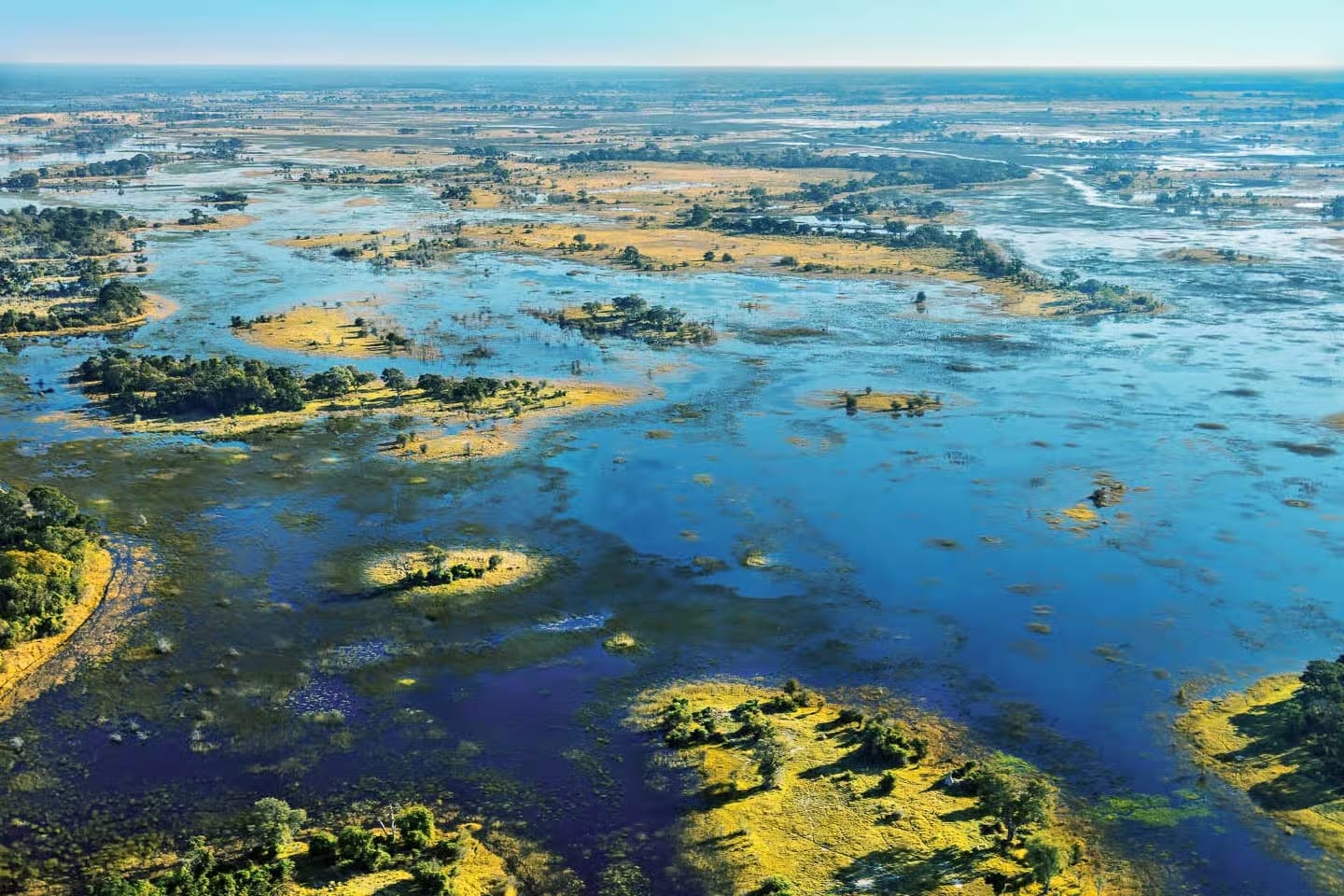
The CDC recommends prescription antimalarial medication for travellers to certain areas of Botswana . Malaria is transmitted by mosquitoes and poses a significant health risk in parts of the country, particularly in the Okavango Delta and northern regions during the wet season (November–March).
Malaria risk varies by region and season:
- High-risk areas: Okavango Delta, Chobe National Park, and the Zambezi region (year-round, but highest November–March)
- Lower-risk areas: Gaborone and the southern Kalahari (minimal risk)
- Seasonal pattern: Transmission peaks during the warm, wet months (November–March)
Which antimalarial medication? The choice depends on your itinerary, medical history, and drug-resistance patterns in the region. Common options include atovaquone-proguanil, doxycycline, and mefloquine. You must start antimalarial medication several days before entering a malaria transmission area, continue during your stay, and take a final dose after leaving . Consult a travel medicine doctor at least 4 weeks before departure to receive a prescription tailored to your trip.
Mosquito avoidance is critical: Use insect repellent containing 20–30% DEET, wear long sleeves and trousers at dawn and dusk, sleep under an insecticide-treated bed net, and choose air-conditioned or screened accommodation .
Health Documents & Travel Insurance
Carry the following documents with you:
- Your yellow fever vaccination certificate (ICVP/yellow card) if required by your itinerary
- Proof of routine vaccinations (especially important if you've had a booster recently)
- Prescription documentation for all medications you are carrying, including antimalarial tablets and any chronic medications
- A copy of your travel health consultation notes from your doctor, including vaccine batch numbers and dates
Travel insurance is essential. The U.S. State Department and UK FCDO strongly recommend comprehensive travel health insurance that covers medical evacuation, emergency dental care, and repatriation . Medical facilities in Botswana vary in quality; evacuation to South Africa or internationally may be necessary for serious illness. Confirm that your insurance policy covers pre-existing conditions if applicable and includes 24/7 emergency contact support.
Medication Rules & What to Pack
Prescription medications: Bring sufficient quantities of all prescription medications to complete your trip, plus extra in case of travel delays . Carry medications in their original, labelled containers. Have a written prescription or letter from your doctor describing each medication, as some drugs legal in Japan may be restricted or banned in Botswana .
Over-the-counter medications to pack:
- Antimalarial tablets (as prescribed by your doctor)
- Broad-spectrum antidiarrheal medication (e.g., loperamide)
- Antihistamine (for allergies and insect bites)
- Paracetamol or ibuprofen
- Antacid and anti-nausea medication
- First-aid supplies: sterile gauze, adhesive plasters, antibiotic ointment, tweezers (for tick removal)
- Sunscreen (SPF 30+) and after-sun lotion
- Insect repellent (20–30% DEET)
Tick precautions: If you plan to camp or walk in the bush, Botswana's FCDO travel advice warns of tick-borne diseases . Wear protective clothing, check your body daily for ticks, and use proper removal techniques (use tweezers to pull steadily, do not twist or squeeze). Seek medical advice if a tick bite becomes infected or you develop fever within 2 weeks .
Health Facilities & Emergency Services in Botswana
Medical facilities in Botswana are limited outside Gaborone and Francistown. The UK FCDO advises that serious medical conditions may require evacuation to South Africa or another country . Emergency contact numbers:
- Ambulance: 997
- Police: 999
- Fire: 998
Private hospitals in Gaborone (e.g., Bokamoso Private Hospital) offer higher standards of care than government facilities. Costs are high; a single night in a private hospital can exceed 2,000–3,000 BWP (approximately USD 150–225). Ensure your travel insurance will cover these costs and that you have accessible funds for medical emergencies .
Pharmacies: Medications are available in Gaborone and larger towns but may be expensive or out of stock. Bring all essential medications from Japan rather than relying on local availability.
Pre-travel health consultation: Visit a travel medicine clinic 6–8 weeks before departure . In Japan, clinics at major hospitals (e.g., Tokyo Medical University, Keio University Hospital) and international travel health centres offer comprehensive pre-travel assessments. Your doctor can review your medical history, assess individual risk factors, and provide personalized recommendations.
Related Entry & Travel Information
Vaccinations are only one part of your travel preparation. Japanese citizens should also review Botswana visa requirements for Japanese citizens, which include passport validity (6 months beyond your departure date) and the need for 3 blank passport pages. If you are interested in wildlife and conservation during your stay, Botswana's efforts in rewilding and wildlife translocations may enhance your safari experience and understanding of the country's biodiversity.
 Ask Tembo about this guide
Frequently Asked Questions
FAQs are automatically appended below.
Frequently Asked Questions
Do Japanese citizens need a yellow fever vaccination to enter Botswana?
Only if you are arriving from or transiting through a country with yellow fever transmission risk. Direct travel from Japan to Botswana does not require yellow fever vaccination . However, if your itinerary includes any stop in a yellow fever risk country—including layovers longer than 12 hours—you must carry a valid yellow fever certificate .
What vaccines do you need for Botswana?
Hepatitis A and typhoid are recommended for all travellers . Polio, rabies (for high-risk travellers), and hepatitis B are also advised. Yellow fever is required only if arriving from a yellow fever transmission country . Ensure routine vaccinations (MMR, tetanus, influenza, COVID-19) are up-to-date .
Is malaria a risk in Botswana?
Yes. The CDC recommends antimalarial medication for travellers to certain areas, particularly the Okavango Delta, Chobe National Park, and northern regions . Risk is highest during the wet season (November–March). Mosquito avoidance and prophylactic medication are essential .
How long before travel should I get vaccinations for Botswana?
Schedule a travel health consultation 6–8 weeks before departure . Some vaccines require multiple doses (e.g., hepatitis A, hepatitis B) or time to become effective (yellow fever requires 10 days to become valid) . Early booking ensures you complete all doses and have time to manage side effects.
Is yellow fever vaccine valid for life?
Yes, since 2016, a single yellow fever vaccination is valid for the lifetime of the person vaccinated, provided it was administered at least 10 days before travel . You do not need a booster dose for international travel.
Can I buy antimalarial medication in Botswana, or must I bring it from Japan?
You should obtain antimalarial medication from a doctor in Japan before travel. While some medications may be available in Botswana's pharmacies, availability and cost are unpredictable. Bring a full course prescribed by your travel medicine doctor .
What should I do if I'm bitten by a tick in Botswana?
Remove the tick promptly using fine-tipped tweezers—pull steadily without twisting or squeezing. Clean the bite with soap and water. Monitor for fever or rash within 2 weeks and seek medical advice immediately if symptoms develop, as ticks in Botswana can transmit serious diseases .
Do I need travel insurance for Botswana?
Yes, strongly recommended. Medical facilities outside Gaborone are limited, and serious illness may require evacuation to South Africa or another country . Ensure your policy covers emergency evacuation, hospitalization, and repatriation. Costs in private hospitals can exceed USD 150–225 per night .
What antimalarial medications are recommended for Botswana?
Common options include atovaquone-proguanil, doxycycline, and mefloquine . The choice depends on your itinerary, medical history, and drug resistance in the region. Consult a travel medicine doctor at least 4 weeks before departure for a personalized prescription .
Can I take my prescribed medications through Botswana customs?
Yes, if they are in original, labelled containers and accompanied by a written prescription or letter from your doctor . Some medications legal in Japan may be restricted in Botswana, so obtain a doctor's letter describing each medication before travel.
What is the yellow fever certificate called, and how do I get one?
It is called the International Certificate of Vaccination or Prophylaxis (ICVP), also known as the "yellow card" . You receive it immediately after yellow fever vaccination at an approved travel clinic or travel medicine centre. It must be presented at Botswana's border if required by your itinerary .
What is the emergency number for ambulance in Botswana?
The ambulance emergency number in Botswana is 997 . For police, dial 999; for fire, dial 998. Ensure your travel insurance includes 24/7 emergency contact support and covers medical evacuation.
Sources
- Botswana - Traveler view | Travelers' Health | CDC(official)
- Botswana Travel Advisory | Travel.State.gov(official)
- Print Botswana travel advice | UK FCDO(official)
- Yellow Fever Vaccine and Malaria Prevention Information, by Country | CDC(official)
- Travel advice and advisories for Botswana | Government of Canada(official)
Related to
Ready to start your safari adventure?
Explore curated safari packages and find your perfect African adventure with verified operators.