🇲🇬 Madagascar
Analamazaotra National Park
Ideal stay
3 days
Nearest airport
Ivato International Airport (TNR), Antananarivo, about 140 km west by road
Loading SafariFind...
Ideal stay
3 days
Nearest airport
Ivato International Airport (TNR), Antananarivo, about 140 km west by road
SafariFind app
Keep up with your inquiries and bookings, and message operators wherever you are.

Nearest town: Andasibe, adjacent to the park and the main base for guided walks and accommodation
A listed Analamazaotra park fee is 90,000 Malagasy ariary, while one published four-day Andasibe safari costs about US$1,200 to US$1,500 per person. Package prices may include transport, lodging, guides and park fees, so compare inclusions rather than comparing headline prices alone.
May to October is usually the easiest period for forest walks because rainfall is lower. November to April is wetter but brings lush vegetation and flowering plants, and it can suit birdwatchers who accept more frequent rain. Analamazaotra has no published migration window comparable to the Serengeti.
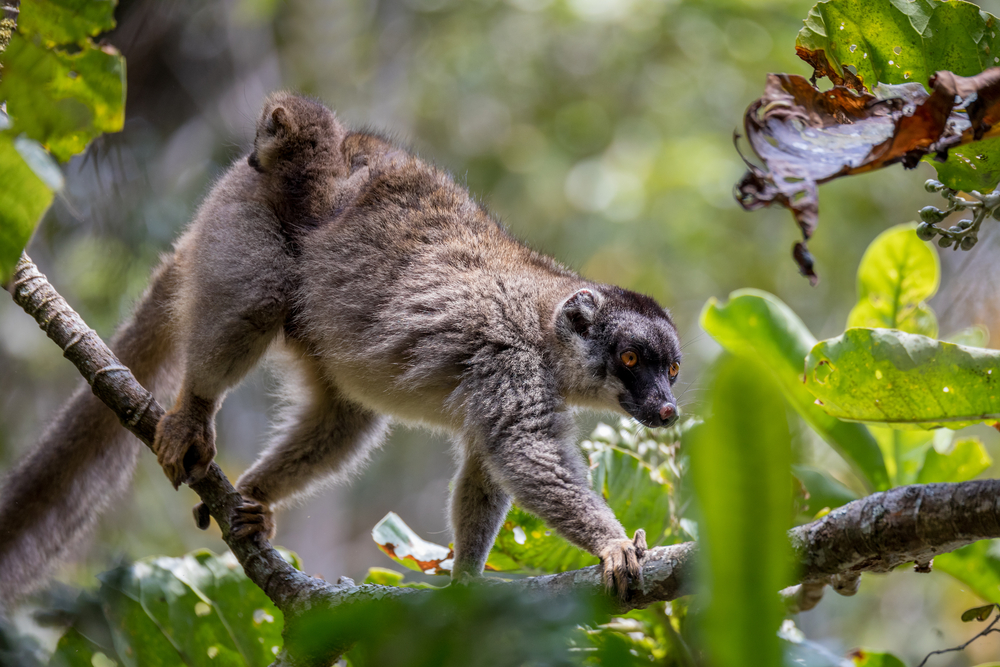
Visitors can look for indri, diademed sifakas, eastern woolly lemurs, brown lemurs, bamboo lemurs and mouse lemurs. Night walks may reveal chameleons, frogs, leaf-tailed geckos and other nocturnal species. Analamazaotra is not a Big Five destination, and Madagascar has no native lions, leopards, elephants or rhinoceroses.
Most travelers drive from Antananarivo along the RN2, a journey of about three hours to Andasibe. The nearest major airport is Ivato International Airport in Antananarivo, about 140 km away by road. Operators can arrange private transfers, and travelers should confirm current road conditions before departure.
Analamazaotra can suit families because it has accessible guided trails and a relatively short transfer from Antananarivo. Adults should choose shorter walks for young children, supervise them near steep or wet sections, and ask the guide about age limits for night walks. The park's visitor information does not state a universal minimum age.
Three days is a sensible stay for one indri walk, one night walk and a visit to Mantadia or a nearby community reserve. Two days can cover the main forest experience, while four or more days allow slower walks and extra wildlife activities.
The main accommodation base is Andasibe village, where travelers can find lodges and guesthouses close to the reserve entrances. The official park information also lists the Indri Campsite, with tent shelters, a kitchen area, showers and toilets. Choose a lodge near the trailhead if early morning indri walks are a priority.
Yes, especially for travelers who want to see indri and endemic lemurs without making a long internal flight. The park combines guided rainforest walks, night wildlife viewing and access to Mantadia within a route of about three hours from Antananarivo. It is a better choice for lemur and forest wildlife than for large African mammals.
Yes, visitors should plan on using a local guide for park walks. Guides help locate indri and small nocturnal animals, explain forest plants and manage safe movement on wet or uneven trails. Independent driving can help with transfers, but it does not replace the guided walking experience.
You can compare safari packages, read verified traveler reviews, and book through trusted operators on SafariFind.com. This lets you compare prices, guide services, transport, accommodation and itinerary length for your budget and interests.
Madagascar's protected-area network includes multiple national parks, but the research supplied for this guide does not establish a current official total. Confirm the latest number with Madagascar National Parks because protected-area classifications and management lists can change.
Madagascar requires normal travel precautions, including using reputable drivers, securing valuables and following local advice about roads and remote areas. Analamazaotra itself is a guided forest destination, but wet trails, insects and limited rural medical services require preparation. Check current government travel advice before booking.
The research identifies Andasibe-Mantadia's rainforest and lemurs, Analamazaotra's indri walks, Mantadia's more rugged forest, night walks, community reserves, Lemurs' Island, Alaotra Lake and other national parks as major nature attractions. Madagascar also has cultural and coastal destinations that are separate from Analamazaotra.
Madagascar's main native mammalian predator is the fosa, or Cryptoprocta ferox. It is elusive and is not a guaranteed sighting at Analamazaotra. The island does not have native lions, leopards, cheetahs or hyenas.
Madagascar has no land borders because it is an island in the Indian Ocean. Its nearest regional neighbors include Mozambique, Comoros, Mauritius and Seychelles, separated by sea.
Analamazaotra contains humid rainforest plants, orchids, giant ferns, vines, mosses, medicinal plants and endemic trees. Madagascar more broadly has many plant communities, including dry forests, spiny forest and highland vegetation, but those habitats do not occur at Analamazaotra.
Madagascar is biodiverse because long geographic isolation allowed many species to evolve separately from mainland populations. Analamazaotra's humid eastern rainforest supports a different mix of lemurs, birds, reptiles, amphibians and plants than Madagascar's dry western and southern habitats.
Madagascar is important for conservation because it supports many species found nowhere else, including indri and diademed sifakas. Analamazaotra protects eastern rainforest habitat and supports local guiding, conservation and visitor services.
Madagascar's climate, terrain and long isolation have created distinct habitats and high endemism. Eastern rainforests such as Analamazaotra differ sharply from the island's dry forests, wetlands, highlands and spiny southern vegetation.
© 2026 SafariFind. All rights reserved.