The Complete Guide to Karatu, Tanzania
1. Overview & Location
Karatu is a district located in the Arusha Region of northern Tanzania, strategically positioned as one of East Africa's most convenient safari gateways. Known as "The Onion Capital of Tanzania" and "Home of the Hadzabe," Karatu serves as an ideal base for exploring the country's most famous national parks and natural attractions. The district's central location within Tanzania's Northern Circuit makes it an essential hub for safari enthusiasts and nature lovers.
Situated at coordinates 03°20'43.44"S, 35°40'10.92"E, Karatu benefits from proximity to major landmarks and protected areas. The district is part of the larger Arusha administrative region and serves as a crucial junction for travelers heading to world-renowned destinations. This strategic positioning has made Karatu increasingly popular among both international and domestic tourists seeking authentic Tanzanian experiences.
2. Wildlife & Natural Features
Surrounding National Parks and Reserves
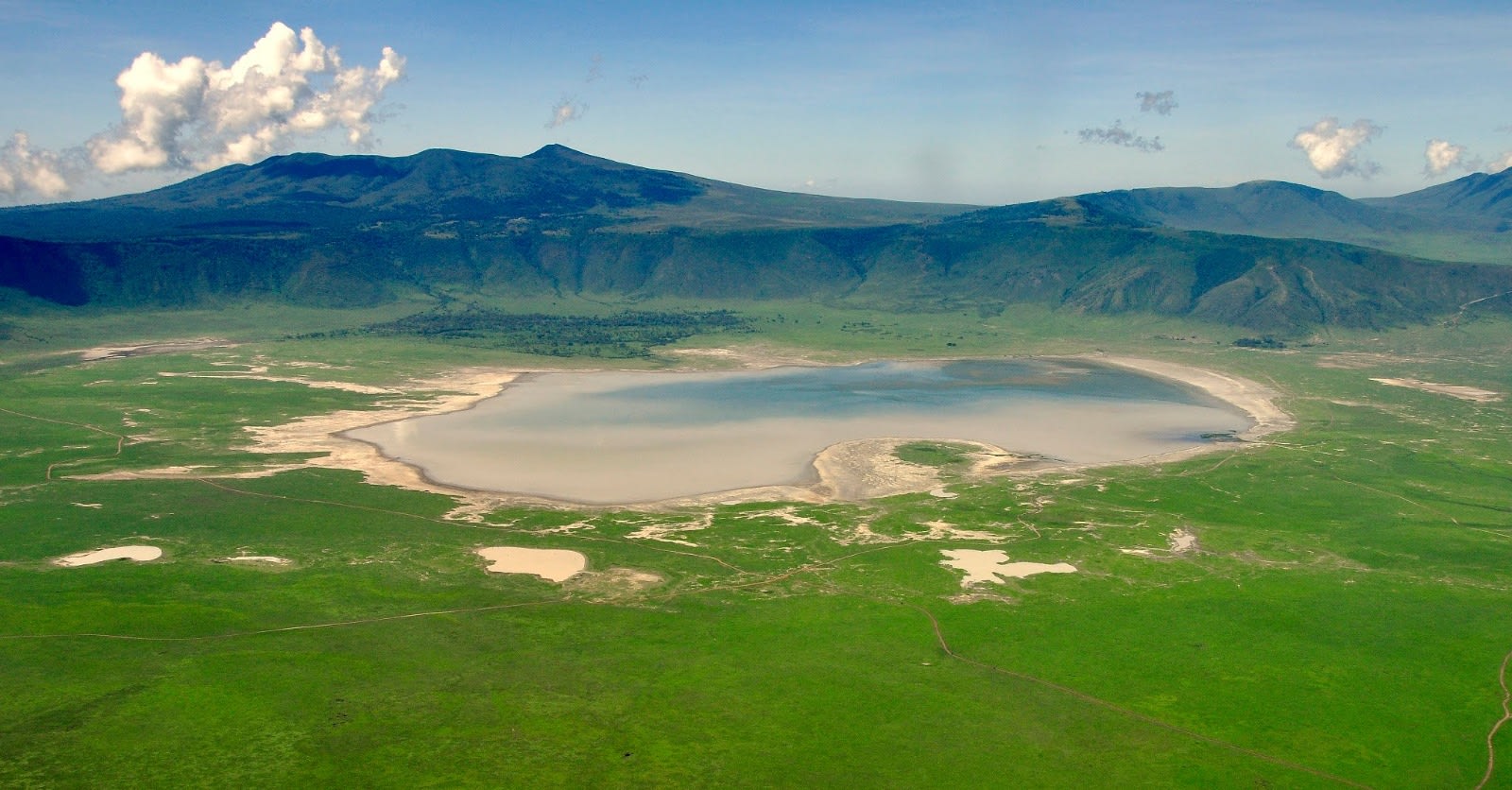
Karatu's greatest asset lies in its proximity to Tanzania's most spectacular protected areas. The district sits near several major national parks that form the Northern Circuit, including Lake Manyara National Park, Tarangire National Park, Arusha National Park, and the world-famous Serengeti National Park. Additionally, the Ngorongoro Crater—one of the world's most impressive natural wonders—is easily accessible from Karatu.
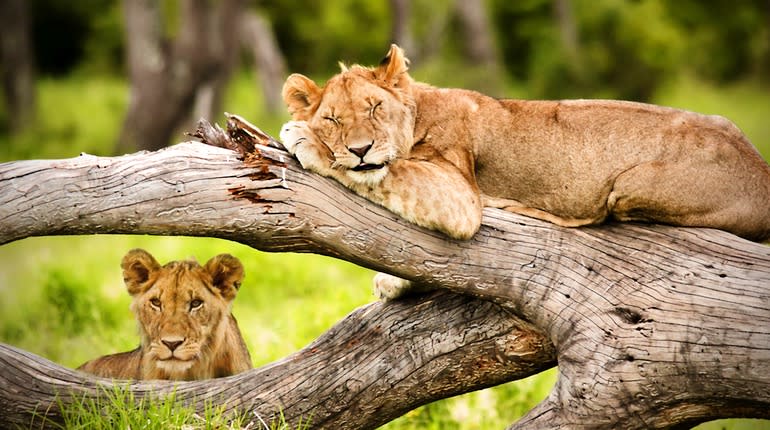
Lake Manyara National Park, immediately adjacent to Karatu, is particularly famous for its tree-climbing lions and diverse bird populations. The park's varied ecosystems create excellent opportunities for wildlife viewing. Tarangire National Park, located nearby, is recognized as a premier safari destination and has earned TripAdvisor's Best of the Best Travelers' Choice Award for four consecutive years (2021-2024). The park is home to one of Tanzania's largest elephant populations and features iconic baobab trees towering over the savannah.
Natural Landmarks
Beyond national parks, Karatu provides access to extraordinary natural features. Lake Eyasi, located within the district, offers unique cultural encounters with the Hadzabe people. The Ngorongoro Crater, a UNESCO World Heritage Site, represents one of Africa's most dramatic geological formations and is accessible from Karatu. The Monduli Mountains and Mount Meru Forest Reserve provide additional opportunities for exploration and hiking adventures.
The Marang Forest Reserve represents another significant ecological resource in the region, offering diverse flora and fauna in a pristine forest setting. These natural features combine to create a landscape of exceptional biodiversity and scenic beauty.
3. Best Time to Visit
Peak Safari Season
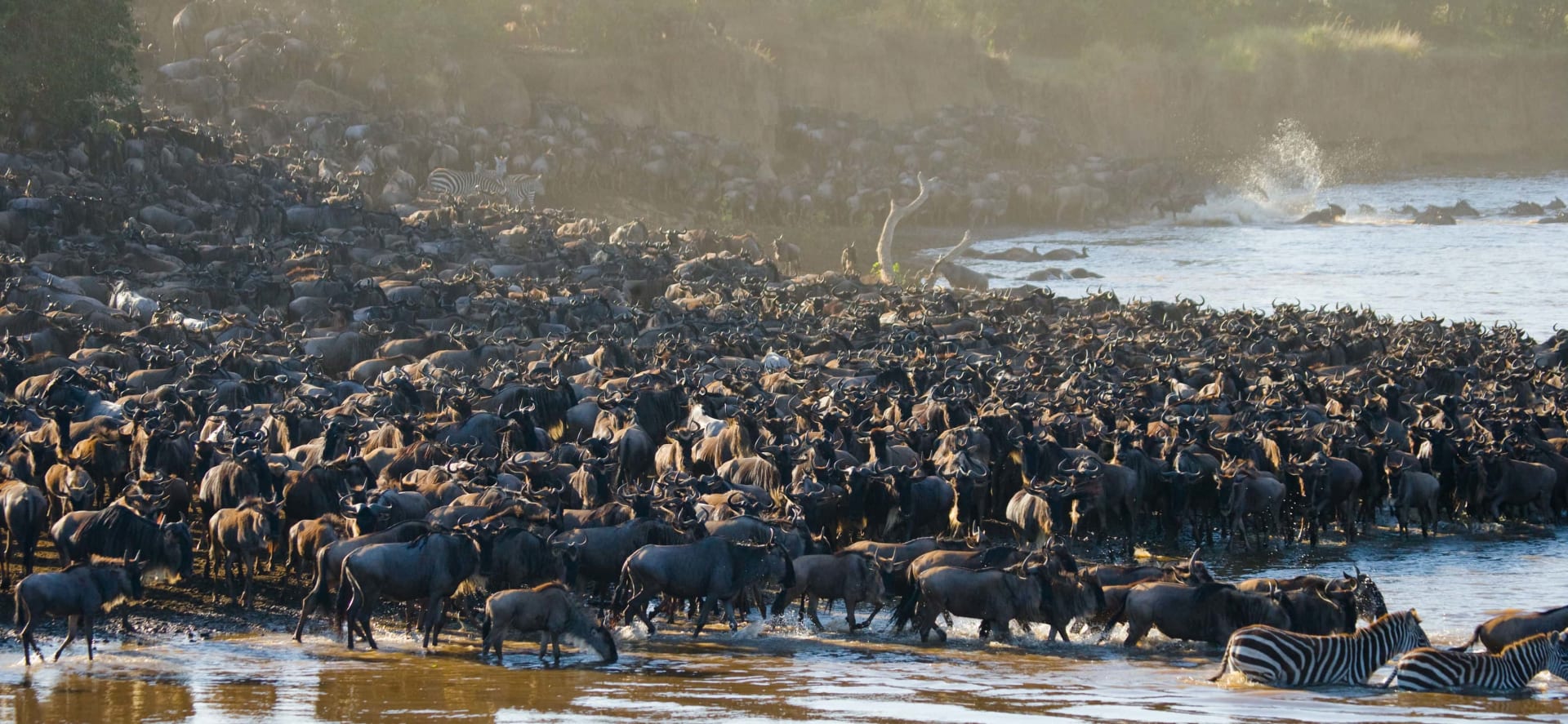
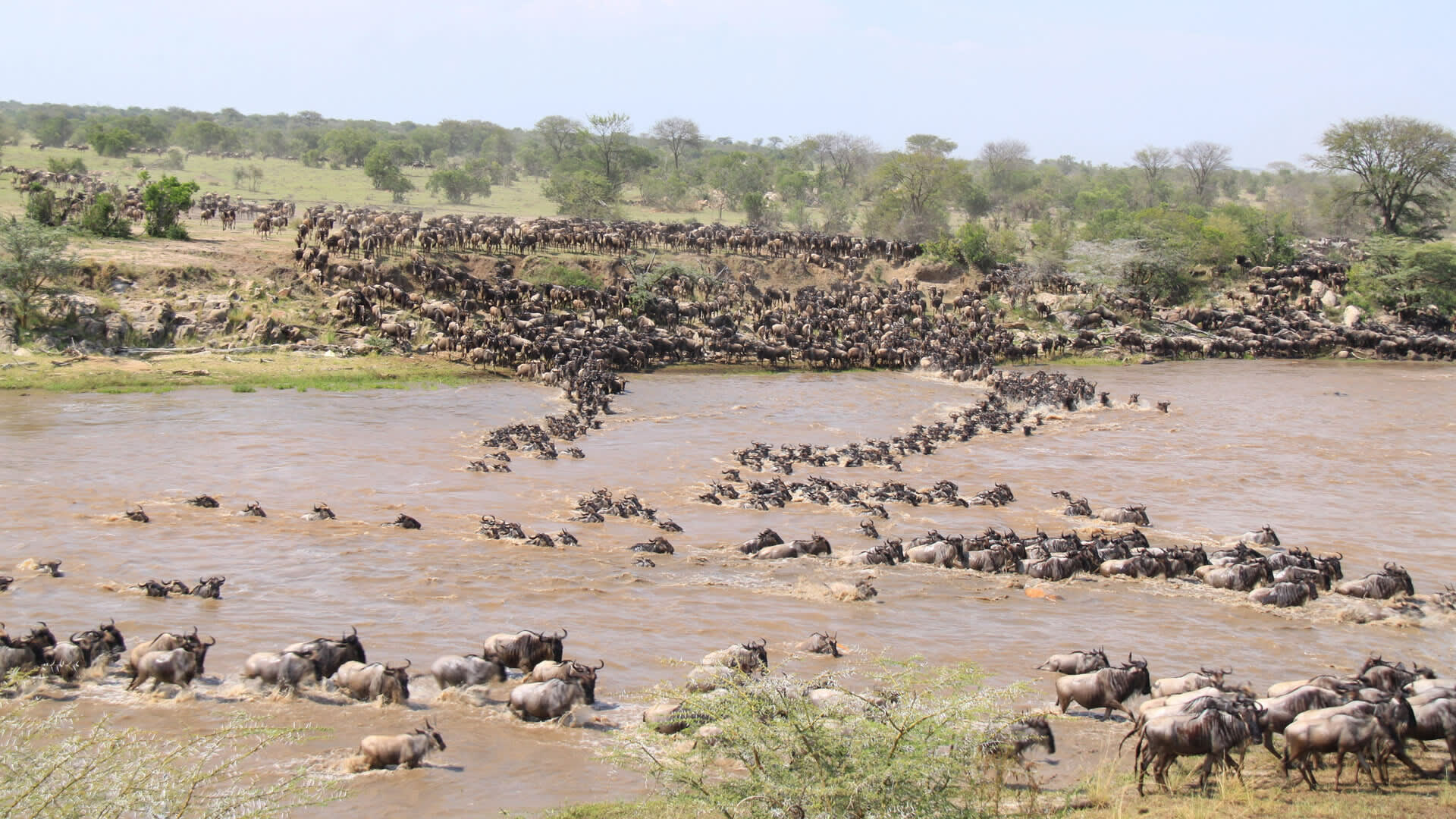
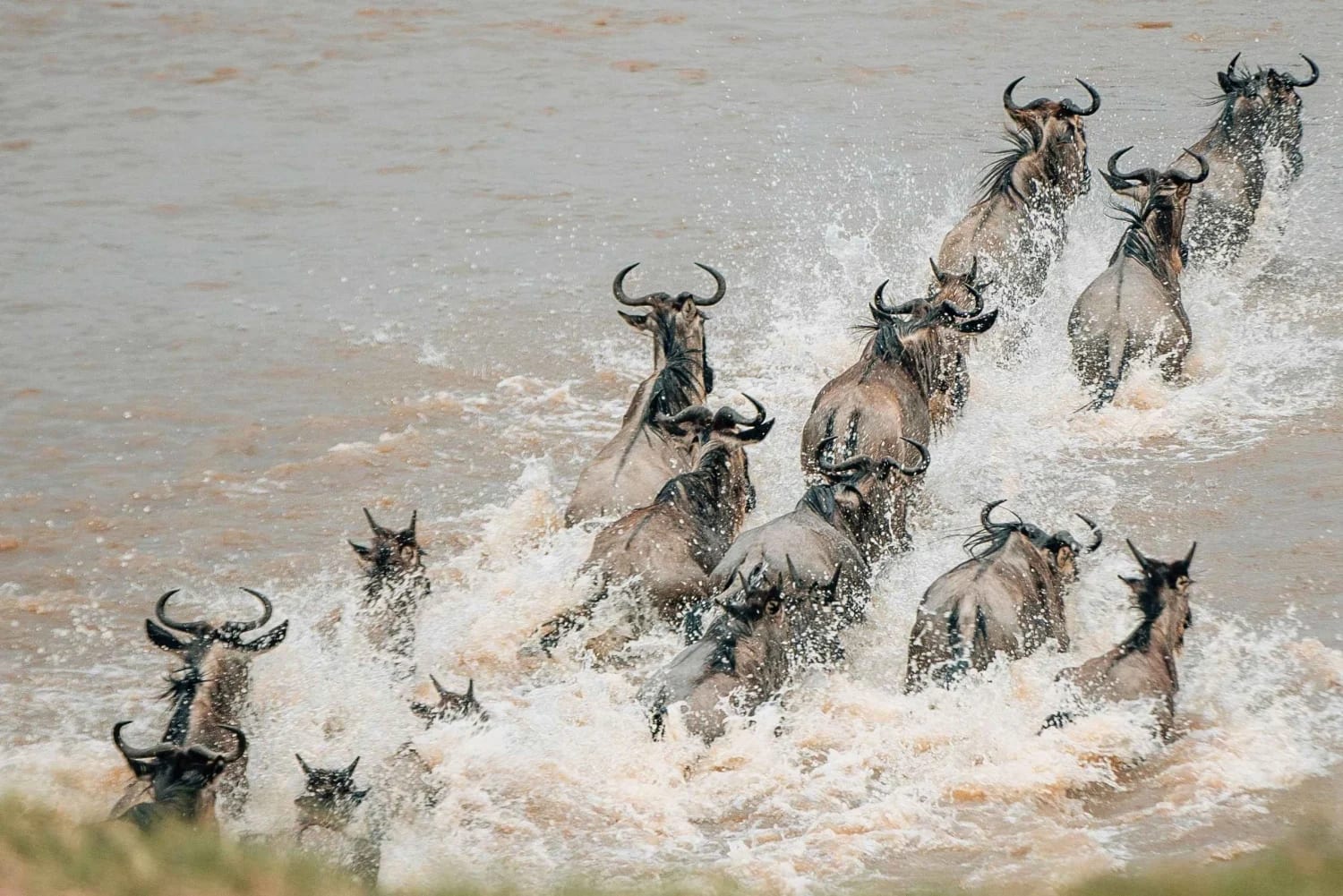
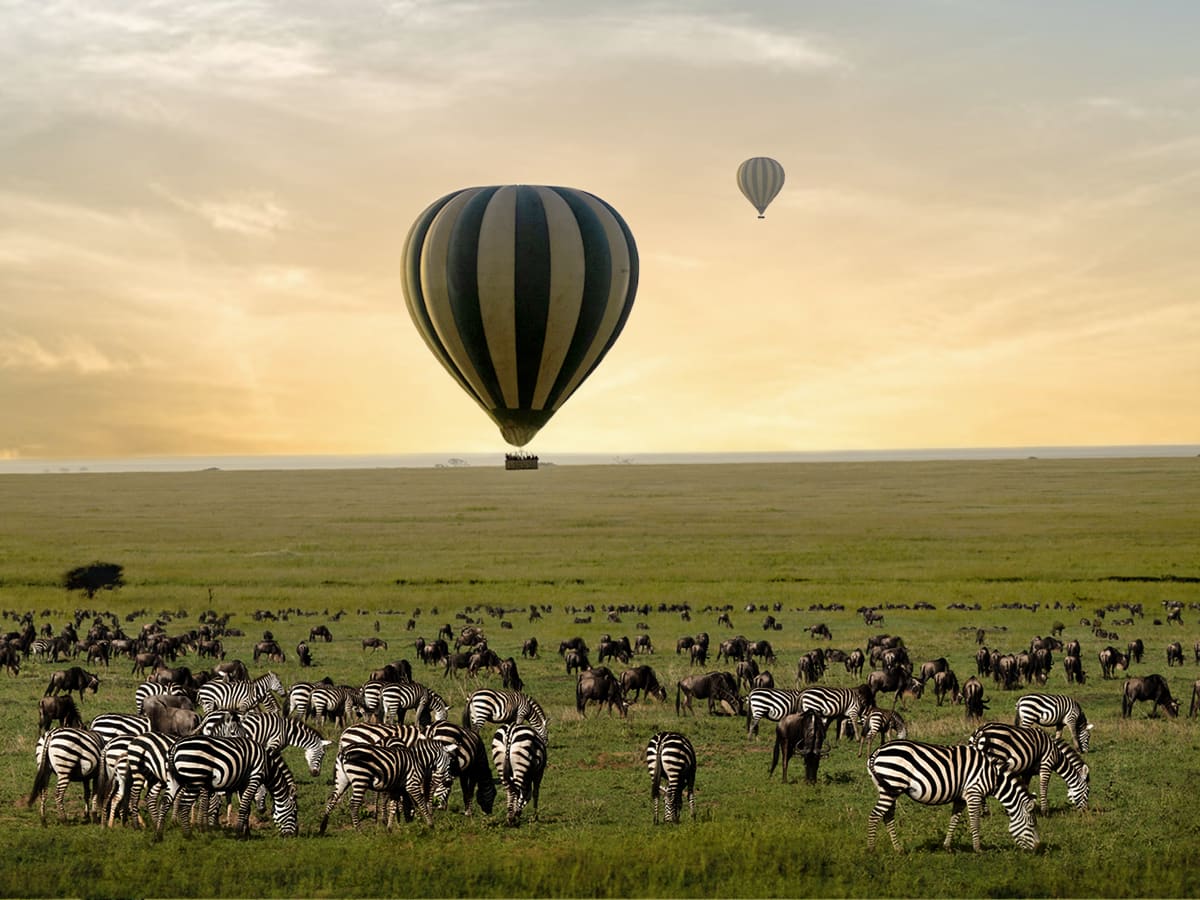
The optimal period for wildlife viewing from Karatu extends from June through October. During these months, dry conditions concentrate wildlife around water sources, providing exceptional game viewing opportunities. July, August, and September represent the absolute peak season, with the Great Migration in the Serengeti reaching its most dramatic phases. Expect excellent sightings of the Big Five and other major wildlife species during this period.
Wet Season Advantages
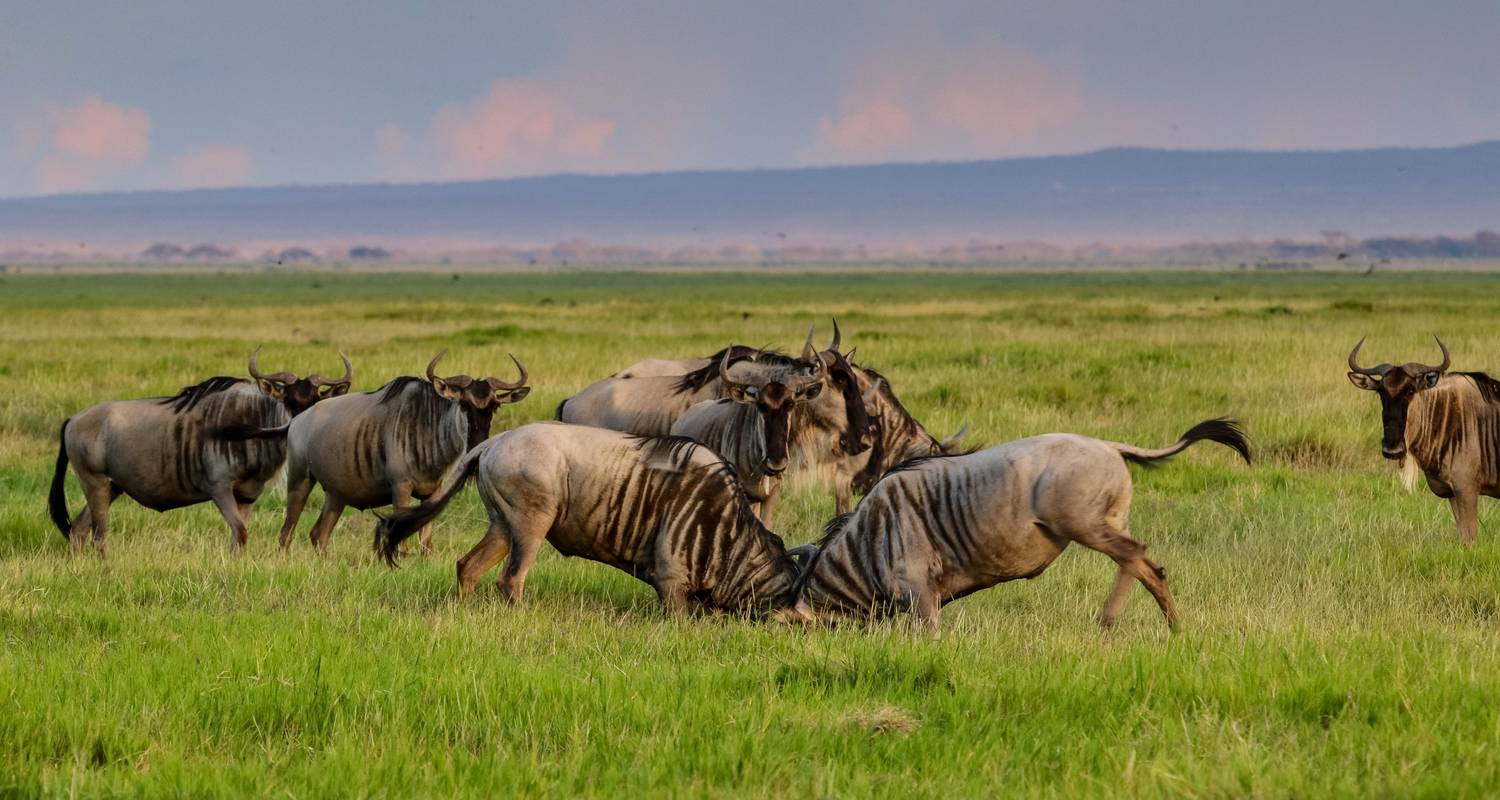
December through March offers a different but equally rewarding experience. The wet season transforms landscapes into lush greenery, creating spectacular photographic opportunities. This period coincides with calving season in the Serengeti, where newborn wildebeest and zebras attract predators, ensuring dramatic wildlife encounters. Additionally, wet season visits feature significantly fewer crowds, allowing for more intimate safari experiences and better access to accommodations and guides.
October and November represent shoulder seasons with moderate conditions and reduced tourism pressure, making them excellent choices for budget-conscious travelers seeking quality experiences without peak-season crowds.
4. Activities & Experiences
Safari Expeditions
Karatu serves as an exceptional launching point for safari adventures ranging from single-day excursions to extended multi-day journeys. Two-day Serengeti safaris provide concentrated wildlife experiences featuring vast savanna grasslands, abundant game, and stunning landscapes. Four-day safaris combining the Serengeti and Ngorongoro Crater offer comprehensive exposure to Tanzania's most iconic destinations, with opportunities to witness lions, elephants, buffalo, and other Big Five members in natural habitats.
Game drives from Karatu-based lodges access diverse ecosystems, from dense forests to open plains. Professional guides facilitate wildlife identification and provide cultural context for encounters. The shorter driving distances from Karatu compared to other safari bases allow more time in parks and less time on roads.
Cultural Encounters
Karatu's designation as "Home of the Hadzabe" reflects the district's rich cultural heritage. Visitors can engage with indigenous communities, learning traditional hunting methods, languages, and cultural practices. Lake Eyasi provides a focal point for these cultural experiences, where the Hadzabe and Datooga peoples maintain traditional lifestyles. Authentic cultural tourism opportunities allow travelers to develop genuine understanding of local communities and their relationships with the landscape.
Walking Safaris and Nature Exploration
Arusha National Park, accessible from Karatu, offers distinctive walking safari experiences. These guided excursions provide close encounters with wildlife including buffaloes, elephants, black-and-white colobus monkeys, and giraffes. The park's diverse ecosystems, ranging from the peaceful Momella Lakes to the dramatic Ngurdoto Caldera, create varied walking routes suitable for different fitness levels. Mount Meru views enhance these experiences, offering spectacular photography opportunities.
5. Getting There
Air Access
Kilimanjaro International Airport (KIA), located approximately 50 kilometers from Karatu, serves as the primary international gateway. Major airlines operate regular flights from Europe, Asia, and other African destinations. The drive from KIA to Karatu typically takes 1-1.5 hours, making it convenient for international travelers. Several airstrips near Karatu accommodate smaller aircraft for internal flights connecting to remote camps and lodges.
Ground Transportation
Road access to Karatu is well-developed, with paved highways connecting the district to Arusha and other major towns. The district serves as a natural junction on routes to Serengeti National Park, Ngorongoro Crater, and Lake Manyara. Most safari operators arrange ground transportation, with 4x4 vehicles equipped for both paved roads and park tracks. Self-drive options are available for experienced drivers, though guided transportation is recommended for first-time visitors unfamiliar with local roads and conditions.
6. Practical Information
Accommodation
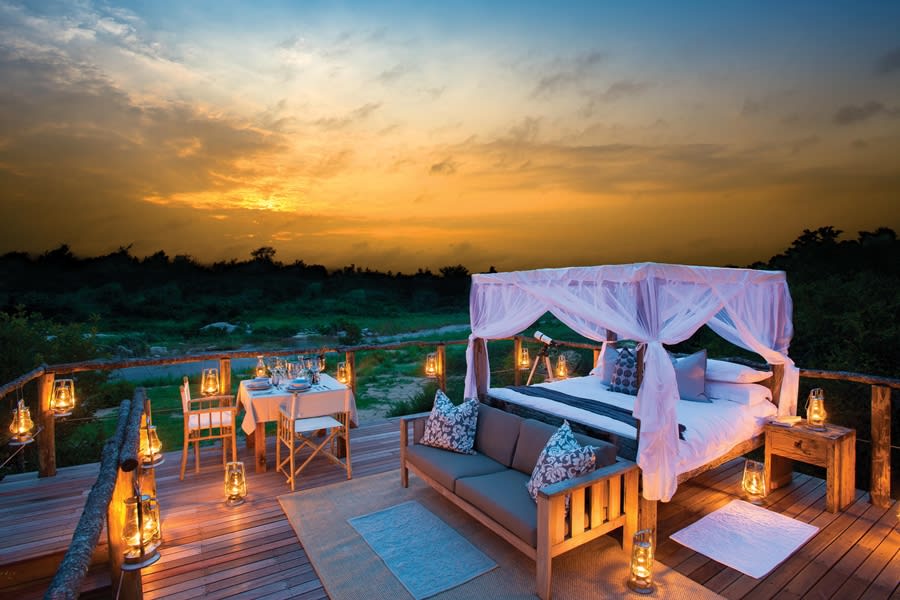
Karatu offers diverse lodging options ranging from budget guesthouses to luxury safari camps. Numerous lodge properties cater to different traveler preferences and budgets, with many offering all-inclusive safari packages. Accommodations typically feature comfortable rooms, restaurant facilities, and knowledgeable staff experienced in organizing park visits. Book accommodations well in advance during peak season (July-September) to secure preferred properties.
Visa and Documentation
Most international visitors require visas for Tanzania, obtainable on arrival at Kilimanjaro International Airport or through pre-application. Ensure passports remain valid for at least six months beyond travel dates. Travel insurance covering medical evacuation is strongly recommended, as remote locations may require air transport for serious medical situations. Verify current visa requirements with Tanzanian embassies before traveling.
Health and Safety
Malaria prophylaxis is recommended for Karatu and surrounding areas. Consult healthcare providers 4-6 weeks before travel. Yellow fever vaccination may be required depending on travel history. Drinking water should be bottled or purified. Healthcare facilities in Arusha provide adequate care for routine issues, though serious medical emergencies may require evacuation to larger facilities. Travel with comprehensive health insurance.
Currency and Costs
Tanzania's currency is the Tanzanian Shilling (TZS). While major lodges accept credit cards, carrying cash is advisable for smaller establishments and local purchases. ATMs are available in Arusha and larger towns. Safari costs vary significantly based on season, park fees, and accommodation choices. Budget safaris start around $100-150 daily, while luxury experiences exceed $500 daily. Park entrance fees vary by destination, with Serengeti charging premium rates compared to smaller parks.
Best Practices for Visitors
Hire experienced, licensed guides through established operators to ensure safety and quality experiences. Respect wildlife by maintaining recommended distances and following park regulations. Bring binoculars, camera equipment with telephoto lenses, and neutral-colored clothing for wildlife photography. Pack sun protection including sunscreen and hats, as equatorial sun intensity is significant. Respect local cultures by asking permission before photographing community members and purchasing crafts directly from artisans when possible.
Karatu represents an exceptional destination for African safari experiences, offering convenient access to world-class parks, rich cultural encounters, and diverse natural wonders. Whether planning brief excursions or extended expeditions, Karatu's strategic location and welcoming tourism infrastructure make it an ideal base for unforgettable Tanzanian adventures.