1 / 5
1 / 5🇹🇿 Tanzania
Lake Eyasi
Size
250 km²
Elevation
950 m
Entry fee
Loading SafariFind...
1 / 5Size
250 km²
Elevation
950 m
Entry fee
SafariFind app
Keep up with your inquiries and bookings, and message operators wherever you are.

$50
Ideal stay
2 days
 7 daysPrivate
 Imana Yawiza Explorers Limited
 7 daysPrivate
 Africa Independent Adventures
 12 daysPrivate
 Wildflip Company Ltd
 8 daysPrivate
 AMG SAFARIS LIMITED
  3 daysPrivate
 fantastic time travel
 10 daysPrivate
 Africa's Wild Wonders
 16 daysPrivate
 VISION SAFARI & TOURS
 8 daysTrustedPrivate
 Tanzania tourism safaris
  5 daysPrivatefantastic time travel
 3 daysPrivate
 ACATREE TOURS AND SAFARIS
 6 daysPrivateACATREE TOURS AND SAFARIS
 12 daysPrivateACATREE TOURS AND SAFARIS
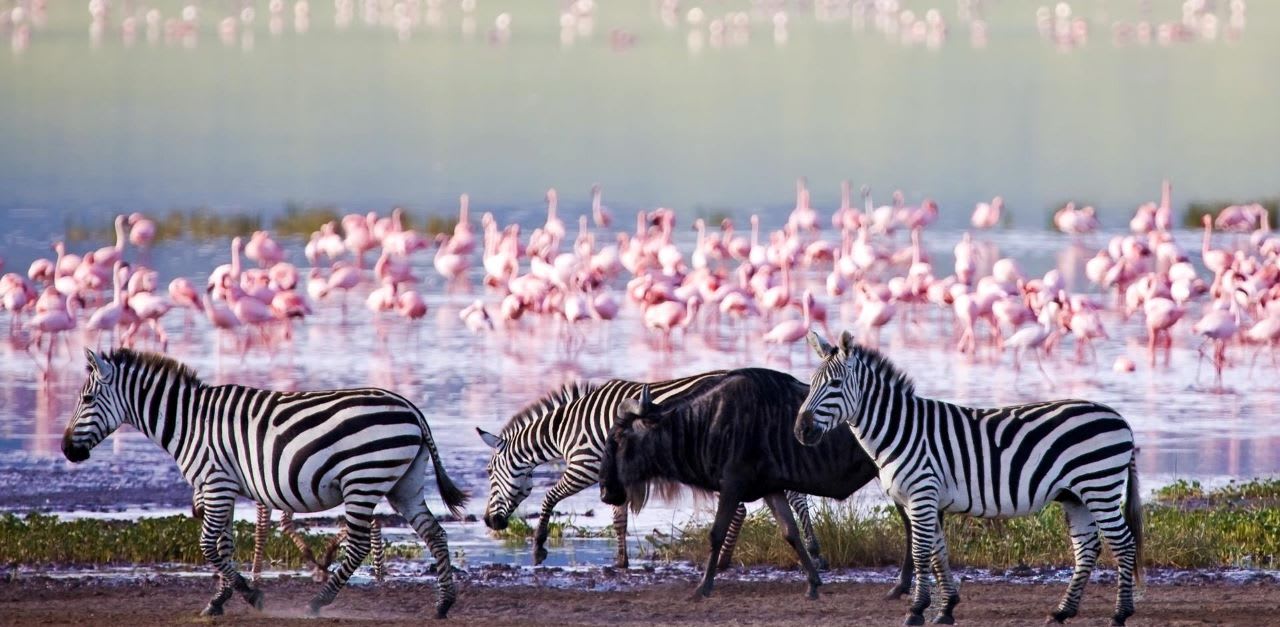
The wet season from November to May is ideal for wildlife and bird viewing, as the lake has higher water levels and attracts abundant flamingos and waterfowl. However, the dry season (June-October) offers better overall wildlife viewing across Northern Tanzania, though Lake Eyasi itself dries out significantly. The shoulder months of April-May and November provide a good balance of water presence and accessibility.
While technically possible, independent travel to Lake Eyasi is challenging due to remote location, rough road conditions requiring four-wheel-drive vehicles, and lack of developed infrastructure. It is highly recommended to book through established safari operators or tour companies who arrange transportation, guides, and cultural visits with the Hadza people. Most visitors combine Lake Eyasi with other Northern Circuit attractions.
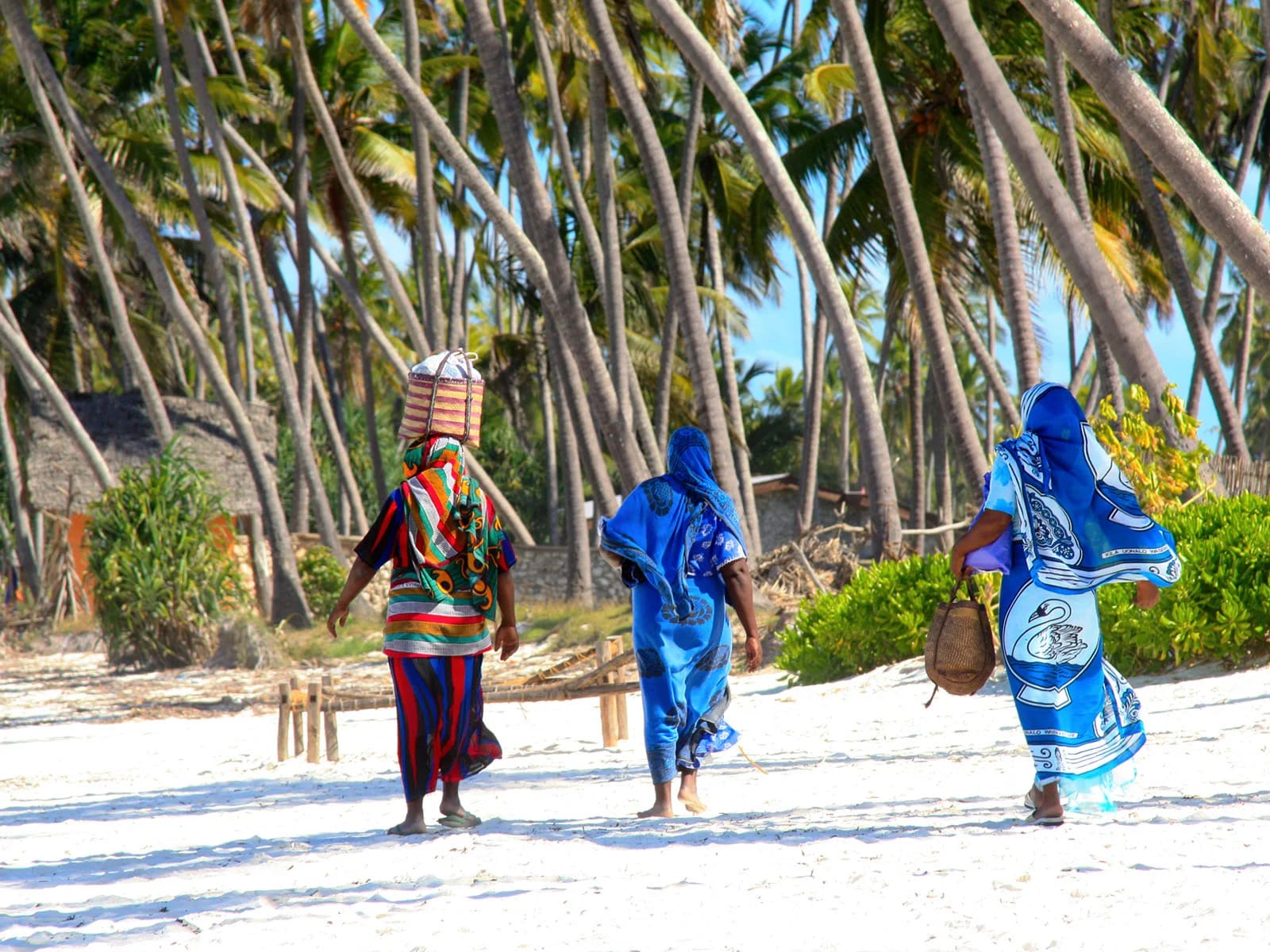
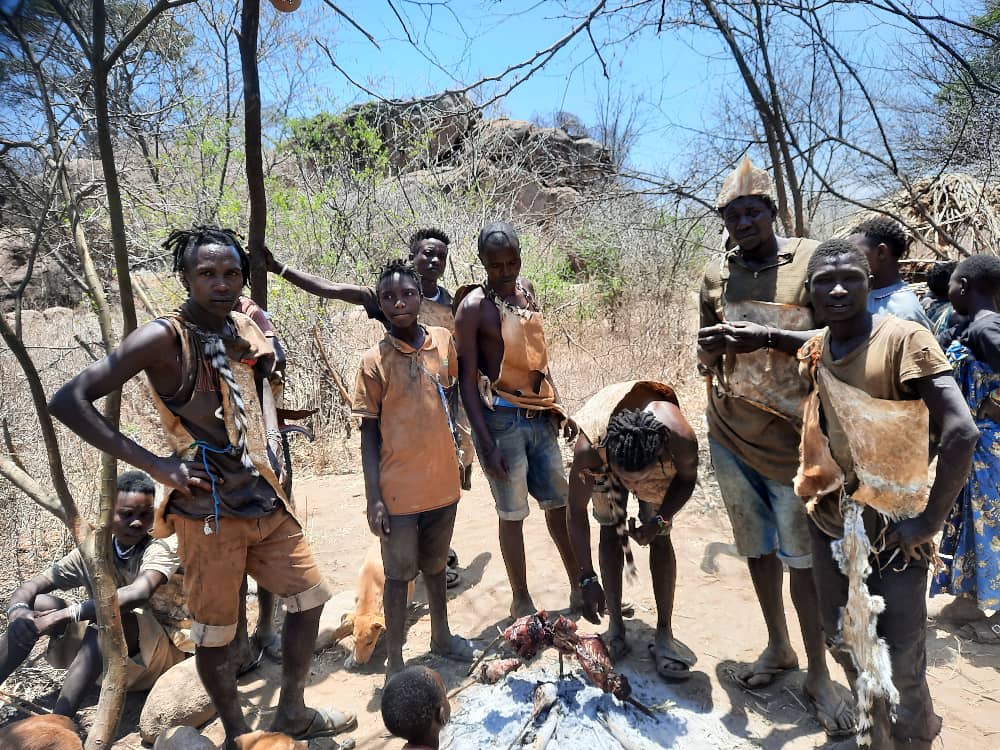
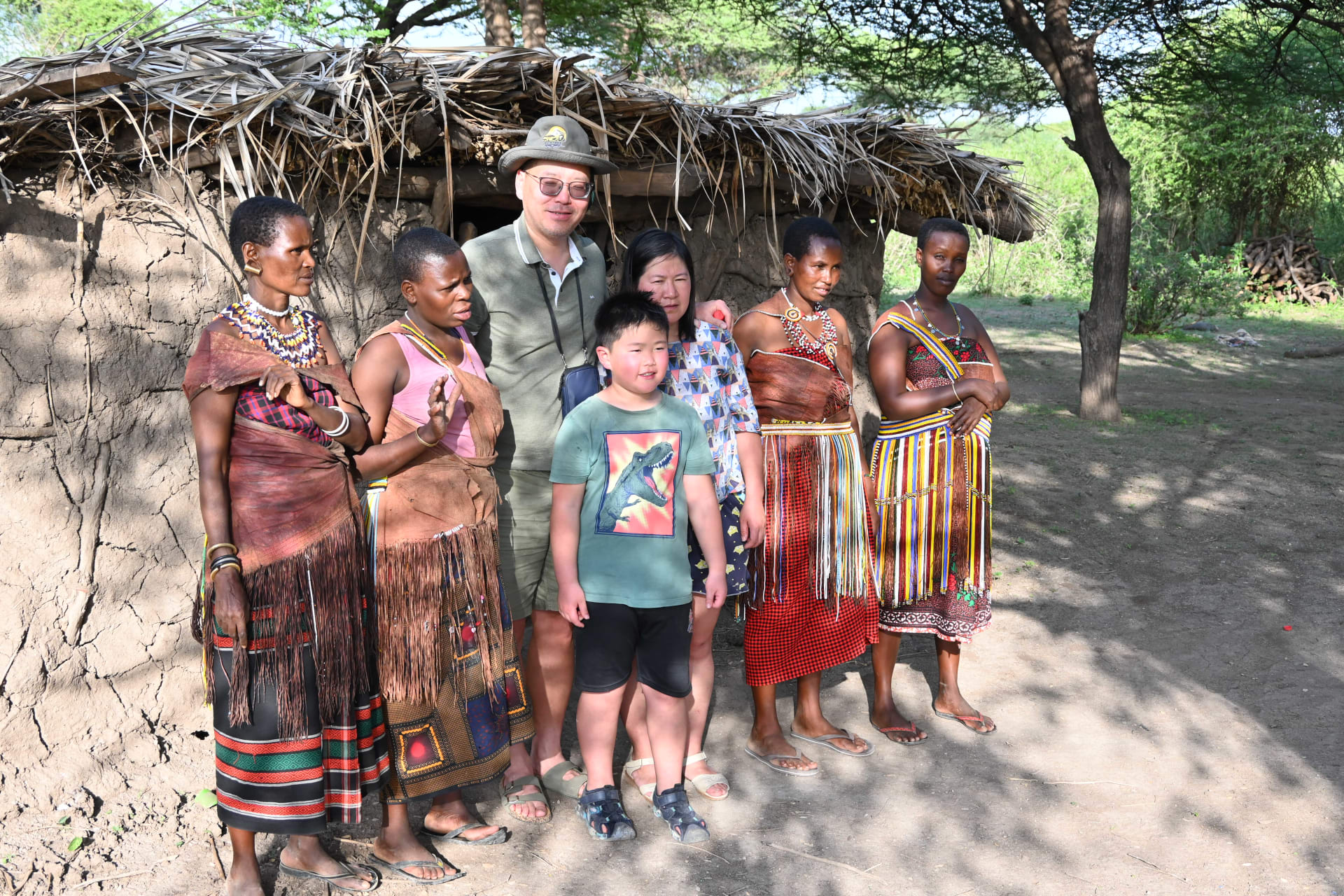
Lake Eyasi is home to the Hadza (Hadzabe), one of Africa's last remaining hunter-gatherer cultures. Visitors can experience authentic cultural encounters including guided visits to Hadza communities, learning about traditional hunting and gathering practices, and gaining insights into their unique way of life. These interactions provide a rare opportunity to connect with indigenous African culture.
Unlike the famous Serengeti and Ngorongoro Crater, Lake Eyasi is a seasonal soda lake with a remote, otherworldly landscape characterized by palm trees and unique terrain. It offers fewer crowds, exceptional bird watching opportunities, cultural experiences with the Hadza people, and hippo viewing. The landscape and experience are distinctly different from surrounding savannah areas, making it a unique complement to typical Northern Circuit safaris.
Essential items include binoculars for bird watching, sun protection (hat, sunscreen, sunglasses), lightweight and breathable clothing suitable for warm temperatures (20-28°C), sturdy walking shoes for uneven terrain, a camera with good zoom capabilities, and insect repellent. Bring plenty of water and any personal medications. Since accommodations are basic, pack accordingly. Neutral-colored clothing is recommended for wildlife viewing and cultural photography.
© 2026 SafariFind. All rights reserved.
 Ask about this