 1 / 5
1 / 5🇲🇬 MadagascarUNESCO site
Masoala National Park
Size
2,300 km²
Ideal stay
3 days
Established
Loading SafariFind...
1 / 5Size
2,300 km²
Ideal stay
3 days
Established
1997
Nearest airport
Maroantsetra Airport (WMN), the principal gateway for Masoala access; onward boat transfers or local charter connections are required
Nearest town: Maroantsetra, the main gateway town for boat access to the Masoala Peninsula
Masoala National Park does not have a reliably published universal entry price in the supplied sources, and total costs vary by permit, guide, boat transfer, lodge, and season. A Masoala National Park safari cost is usually higher than an accessible Madagascar park because access is remote; request an itemized quote showing park fees, transfers, accommodation, meals, and activities before booking.
June to November is generally the best time to visit Masoala National Park because trails and boat transfers are usually easier in the drier season. July to late September is best for humpback whales in Antongil Bay, while December to April is wetter and may bring rougher sea conditions.
Visitors may see about 10 lemur species, including red-ruffed lemurs, aye-ayes, Masoala woolly lemurs, white-fronted brown lemurs, and fork-marked lemurs. The park also supports fossa, helmet vangas, ground rollers, chameleons, frogs, geckos, sea turtles, dolphins, coral reef fish, and seasonal humpback whales; it is not a Big Five safari destination.
Most travelers first reach Maroantsetra, commonly by regional flight or private charter from Madagascar’s major cities, then continue by boat to the peninsula. Masoala has no regular internal road network, so hiking and boat transfers are the main ways to travel within the park; weather can change transfer times.
Masoala can suit active families with older children who enjoy walking, boats, wildlife, and remote lodges, but it is less convenient than parks with road access. There is no single park-wide child-age rule in the supplied sources, so families should confirm lodge policies, boat safety, trail length, malaria precautions, and night-walk limits with their operator.
Plan at least three days in the Masoala region for rainforest walks, birding, boating, and a possible night walk. Five to seven days gives more flexibility for weather, marine activities, whale watching, and specialist wildlife searches.
Travelers can stay in remote rainforest lodges on or near the peninsula, guesthouses in Maroantsetra, or simple community-based accommodation along local routes. Lodge availability is limited, so compare location, boat transfers, guiding, meals, and whether marine activities are included before choosing a package.
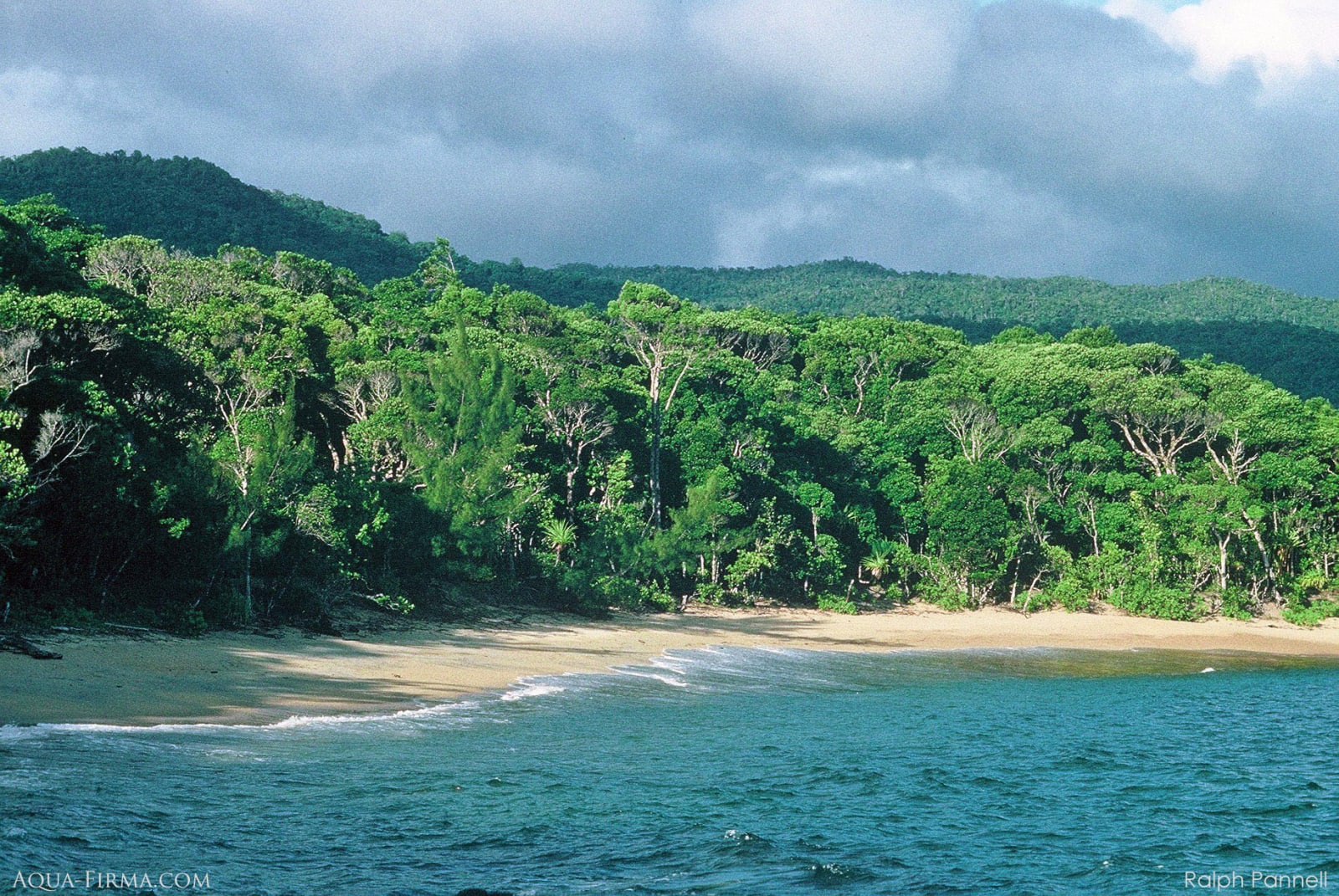
Masoala is worth visiting for travelers seeking Madagascar’s largest protected lowland rainforest, endemic lemurs, coastal forest, reefs, and humpback whales in one expedition. It is less suitable for travelers wanting easy road access, frequent vehicle sightings, or a conventional Big Five safari.
A local guide is strongly recommended and may be required for organized park activities, wildlife tracking, night walks, and safe navigation. Guided travel also helps with boat coordination, species identification, weather decisions, and visits to local communities; self-guided vehicle touring is not practical because the park has no regular internal roads.
You can compare safari packages, read verified traveler reviews, and book through trusted operators on SafariFind.com. This lets you compare prices and find the best itinerary for your budget and interests.
© 2026 SafariFind. All rights reserved.
