Ngorongoro Crater First-Timer's Guide: Best Time, Costs & Itinerary
Plan your Ngorongoro Crater safari with this first-timer's guide. Learn best visiting months, costs ($300-$500 park fees), wildlife, and itineraries for Tanzania.

Ngorongoro Crater First-Timer's Guide
Last updated: August 2026
Ngorongoro Crater offers Africa's most concentrated wildlife viewing in one compact volcanic caldera. Plan one to two days, expect costs from $300-$500 per person for park fees alone, and visit June to October for peak season. Book through verified operators on SafariFind to compare packages and secure the best rates for your Tanzania safari experience.
At a Glance
- Cost: $300-$500 per person (park fees) plus accommodation and transport
- Best time: June to October for dry weather and peak wildlife viewing
- Duration: One to two days recommended for most visitors
- Getting there: Fly into Arusha, then drive 2-3 hours to the crater
- Best for: First-time safari visitors, wildlife photographers, families with limited time
- Wildlife highlights: Black rhinos, lions, elephants, buffalo, wildebeest, zebras
Understanding Ngorongoro Crater: What Makes It Special
Ngorongoro Crater is the world's largest intact volcanic caldera and home to Africa's most concentrated wildlife population. Unlike sprawling national parks that require multiple days to explore, this natural wonder delivers exceptional game viewing in a single day. The crater descends 610 meters (2,000 feet) into a self-contained ecosystem where animals live in isolation from the outside world.
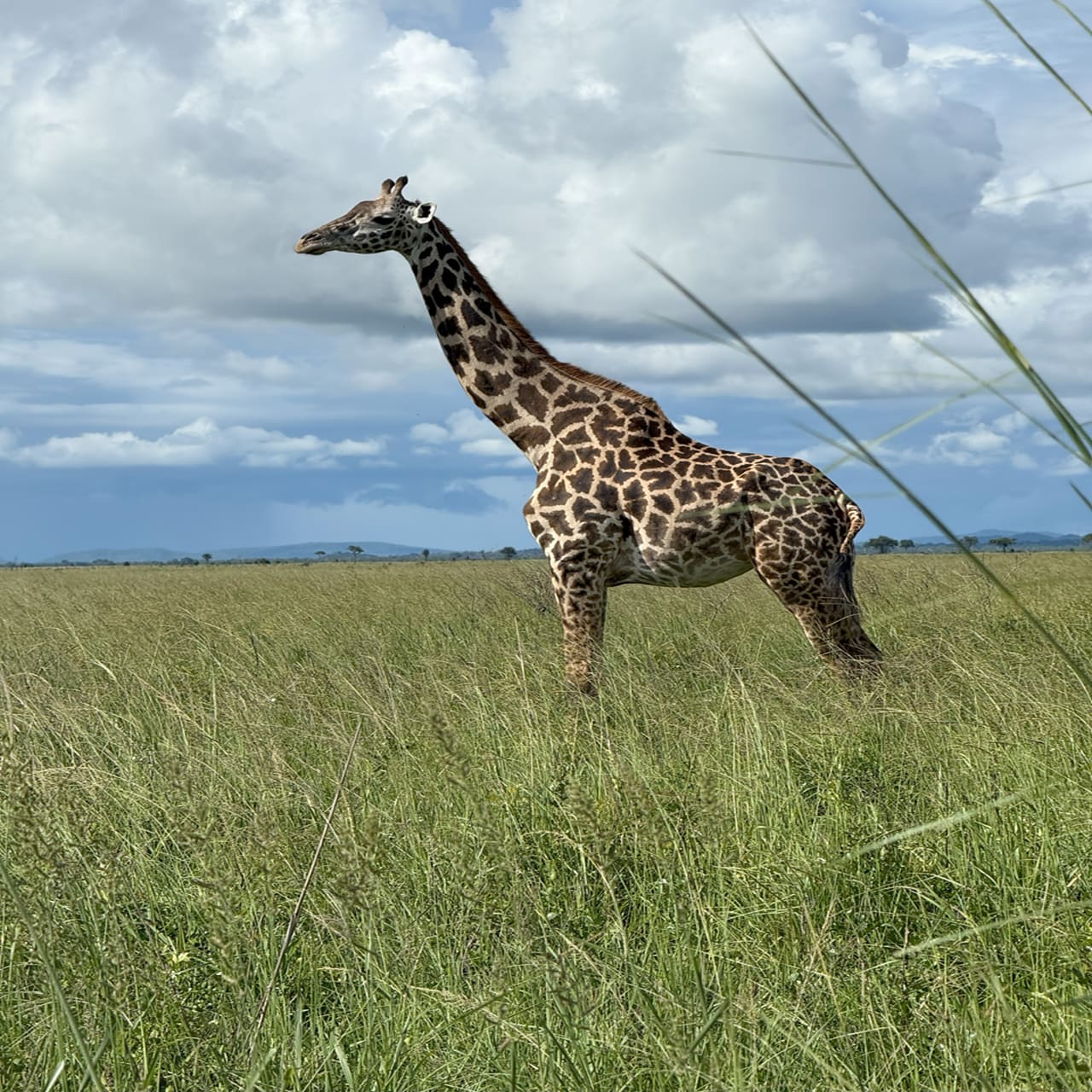
The crater floor covers 26,400 hectares and supports over 25,000 large animals year-round. You'll see black rhinos, lions, leopards, elephants, buffalo, wildebeest, zebras, and countless bird species concentrated in one stunning location. Morning temperatures at the rim can be chilly, but daytime weather is sunny and comfortable during peak season.
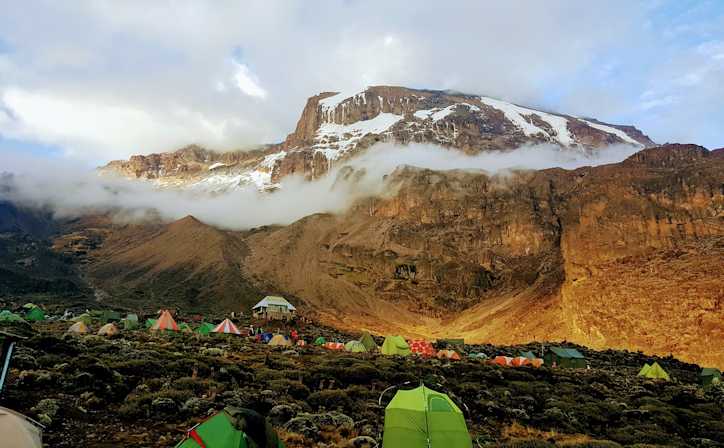
Tanzania's Ngorongoro Conservation Area sits between the Serengeti National Park and the Kilimanjaro National Park, making it an ideal addition to a multi-destination safari. This strategic location allows travelers to combine crater exploration with mountain climbing or Serengeti migration viewing.
The crater's uniqueness lies in its enclosed environment. Animals cannot easily leave or enter, creating a natural laboratory where you observe predator-prey relationships in real time. This isolation means wildlife is more predictable than in open parks, increasing your chances of seeing the Big Five in a single day.
What is the Best Time to Visit Ngorongoro Crater?
The best time to visit Ngorongoro Crater is June to October, when weather is dry and wildlife viewing peaks . During these months, the skies are clear, visibility is excellent, and animals gather around water sources, making them easier to spot. This is peak safari season in Tanzania, so book accommodation and permits three to six months in advance.
June through October offers several advantages. Daytime temperatures range from 20-25°C (68-77°F), making game drives comfortable. The dry season concentrates animals around the crater's few permanent water sources, increasing encounter rates dramatically. You'll see large herds of wildebeest, buffalo, and zebras alongside predators hunting in the open plains.
However, the green season from November to May offers unexpected benefits. Rainfall creates a lush landscape with vibrant colors, and visitor numbers drop significantly. Fewer tourists mean more intimate safari experiences and better photography opportunities. The rainy months are ideal if you prefer quieter moments and don't mind occasional afternoon showers.
Consider visiting during shoulder months like May or November if you want to balance wildlife viewing with fewer crowds. You'll still see excellent game, enjoy pleasant weather, and spend less on accommodation. Early morning game drives are particularly rewarding during these months when animals are most active.
Mornings at the crater rim can be chilly year-round, so pack a warm jacket regardless of season. Afternoon drives are typically warmer and more comfortable, though morning hours offer the best wildlife activity. Plan your game drive schedule accordingly to maximize sightings while staying comfortable.
How Much Does a Ngorongoro Crater Safari Cost?
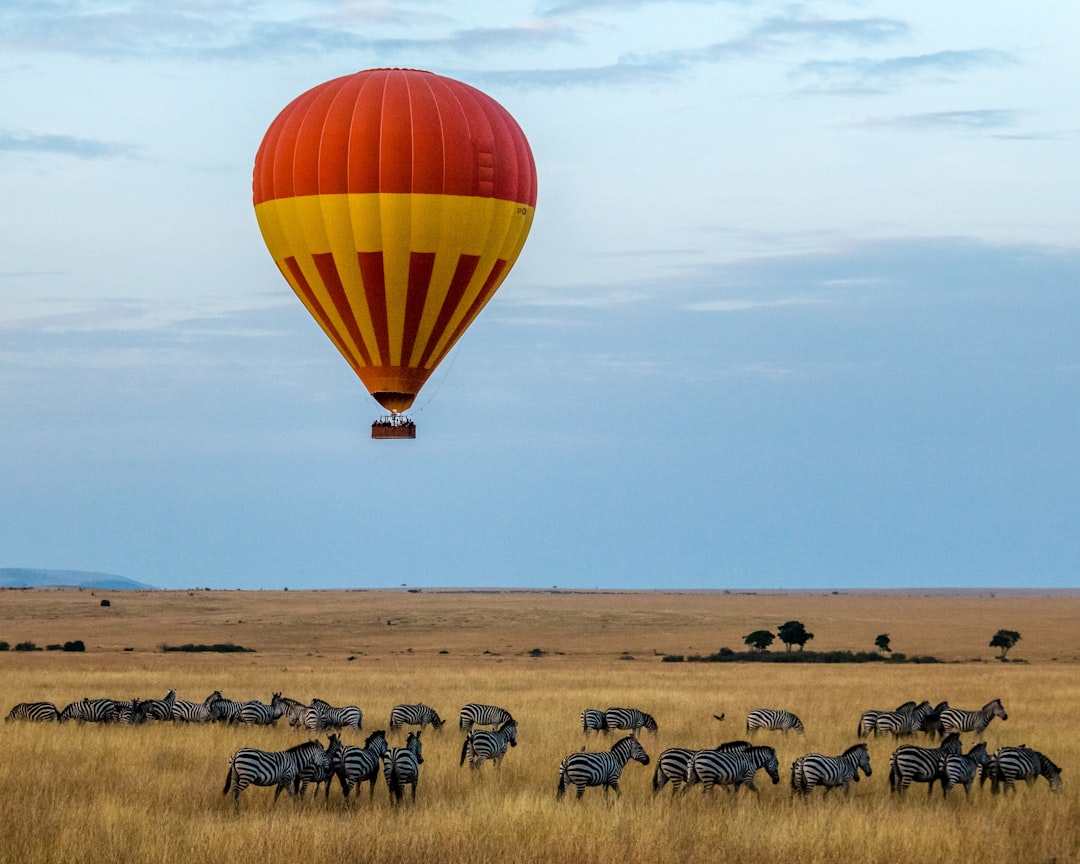
Ngorongoro Crater is Tanzania's most expensive safari destination, with park fees ranging from $300-$500 per person daily . These fees cover crater entry, vehicle usage, and guide services but do not include accommodation, meals, or transport to the crater. Budget accordingly when planning your Tanzania safari experience.
Total costs depend on your accommodation choice and trip length. A basic one-day crater visit with budget lodging costs $500-$800 per person. Mid-range options with comfortable accommodation run $1,000-$1,500 per person. Luxury crater rim lodges charge $2,000-$4,000 per person for overnight stays with premium meals and amenities.
Transport costs add to your total budget. If flying from Kilimanjaro International Airport or Arusha Airport, expect to pay $150-$300 for ground transfer. Vehicle hire for a private safari costs $200-$400 daily. Group tours offer savings, with prices dropping to $100-$150 per person when shared among four or more travelers.
Compare how much a safari in Tanzania costs across different destinations. The Serengeti National Park requires three to four days and costs similarly per day, but total expenses are higher due to longer duration. Ngorongoro's efficiency—delivering major wildlife in one day—can actually save money compared to multi-day park visits.
Meal costs vary widely. Budget lodges include basic meals for $20-$40 daily. Mid-range operations provide quality cuisine for $40-$80 daily. Luxury lodges include gourmet meals worth $80-$150 daily. Bringing snacks and water reduces expenses and ensures you stay comfortable during long game drives.
Request quotes from verified operators to compare exact pricing. Browse Ngorongoro safari packages on SafariFind to see current rates from established tour companies with authentic traveler reviews. Operators often offer discounts for early booking or multi-destination packages combining the crater with other Tanzania destinations.
How Long Should You Spend at Ngorongoro Crater?
One day is plenty of time to see all that Ngorongoro Crater offers . This is the most popular duration for most visitors, primarily due to high costs involved in entering the crater. A full day game drive typically starts at dawn and concludes by late afternoon, giving you five to six hours of active wildlife viewing.
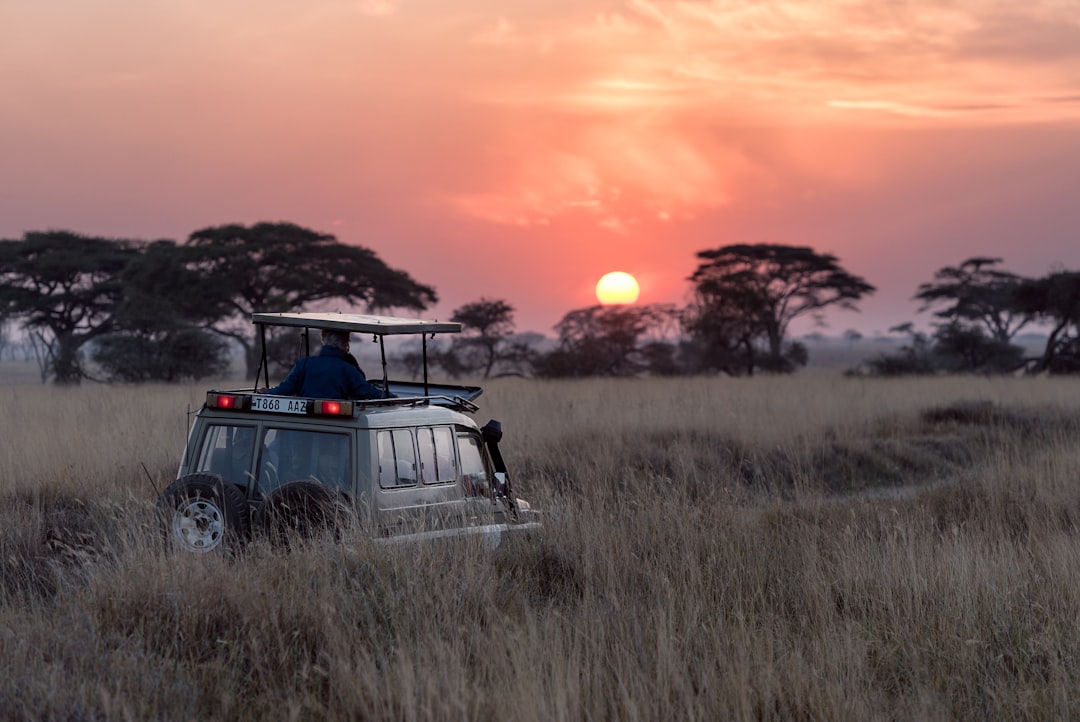
A typical one-day itinerary works as follows. Depart your lodge at 5:30 AM for the drive to the crater rim. Enjoy sunrise views while your guide briefs you on the day's wildlife. Descend into the crater by 7:00 AM and begin your game drive. Stop for a picnic lunch at midday, then continue viewing until 4:00 PM before ascending the crater rim for the return journey.
Two days are ideal if you want a more relaxed experience or plan to stay overnight at a crater rim lodge. This allows you to explore different crater sections, experience sunrise and sunset from the rim, and enjoy quieter early morning game drives before most tourists arrive. Overnight stays also reduce travel stress and provide time to process the crater's magnitude.
The ideal amount of time depends on your overall safari goals and available budget . Unlike vast national parks requiring multiple days to explore, Ngorongoro delivers concentrated wildlife viewing efficiently. If combining the crater with Serengeti migration viewing, allocate one day to the crater and three to four days to the Serengeti for optimal wildlife experiences.
First-time visitors often underestimate how much they see in one day. The crater's compact size and high wildlife density mean constant sightings—sometimes multiple animals simultaneously. By afternoon, you'll have observed more species than many multi-day safaris deliver. This efficiency makes Ngorongoro perfect for travelers with limited time or budget constraints.
Planning Your Ngorongoro Crater Itinerary
A successful Ngorongoro experience requires careful planning and advance booking. Start by deciding whether you want a day trip from Arusha or an overnight stay at a crater rim lodge. Day trips suit budget-conscious travelers and those with limited time. Overnight stays provide a more immersive experience and access to exclusive early morning game drives.
For travelers with limited time, a Ngorongoro Crater day trip from Arusha is a perfect choice to experience Tanzania's beauty in a single day . You descend into the world's largest intact volcanic caldera, enjoy breathtaking scenery, and see remarkable wildlife concentrations. The two to three hour drive from Arusha is scenic, taking you through highland villages and agricultural areas before reaching the crater.
Book your crater entry permit at least three months in advance during peak season. Permits are limited and allocate vehicle slots to control visitor numbers. Your tour operator handles this process, so work with established companies listed on SafariFind to ensure smooth coordination. Request quotes from verified operators who have secured allocations for your preferred dates.
Pack strategically for your crater visit. Bring warm layers for early morning rim temperatures—a fleece jacket and long pants are essential. Sun protection is critical; use high-SPF sunscreen, wear a hat, and bring sunglasses. Binoculars enhance bird watching and distant animal observation. A camera with a good zoom lens helps capture wildlife moments, but don't miss viewing experiences while photographing.
Coordinate your crater visit with other Tanzania destinations. Many travelers combine Ngorongoro with Serengeti viewing, Kilimanjaro climbing, or Zanzibar beach time. SafariFind offers multi-destination packages that simplify logistics and often reduce overall costs. Discuss your complete itinerary with your tour operator to optimize routing and minimize travel time.
Prepare for altitude changes. The crater rim sits at 2,286 meters (7,500 feet), while the crater floor is 1,676 meters (5,500 feet). Some visitors experience mild altitude effects, so take time to acclimatize. Drink plenty of water throughout your visit and eat light meals to adjust comfortably. Your guide will manage the pace to ensure everyone stays comfortable.
Wildlife You'll See at Ngorongoro Crater
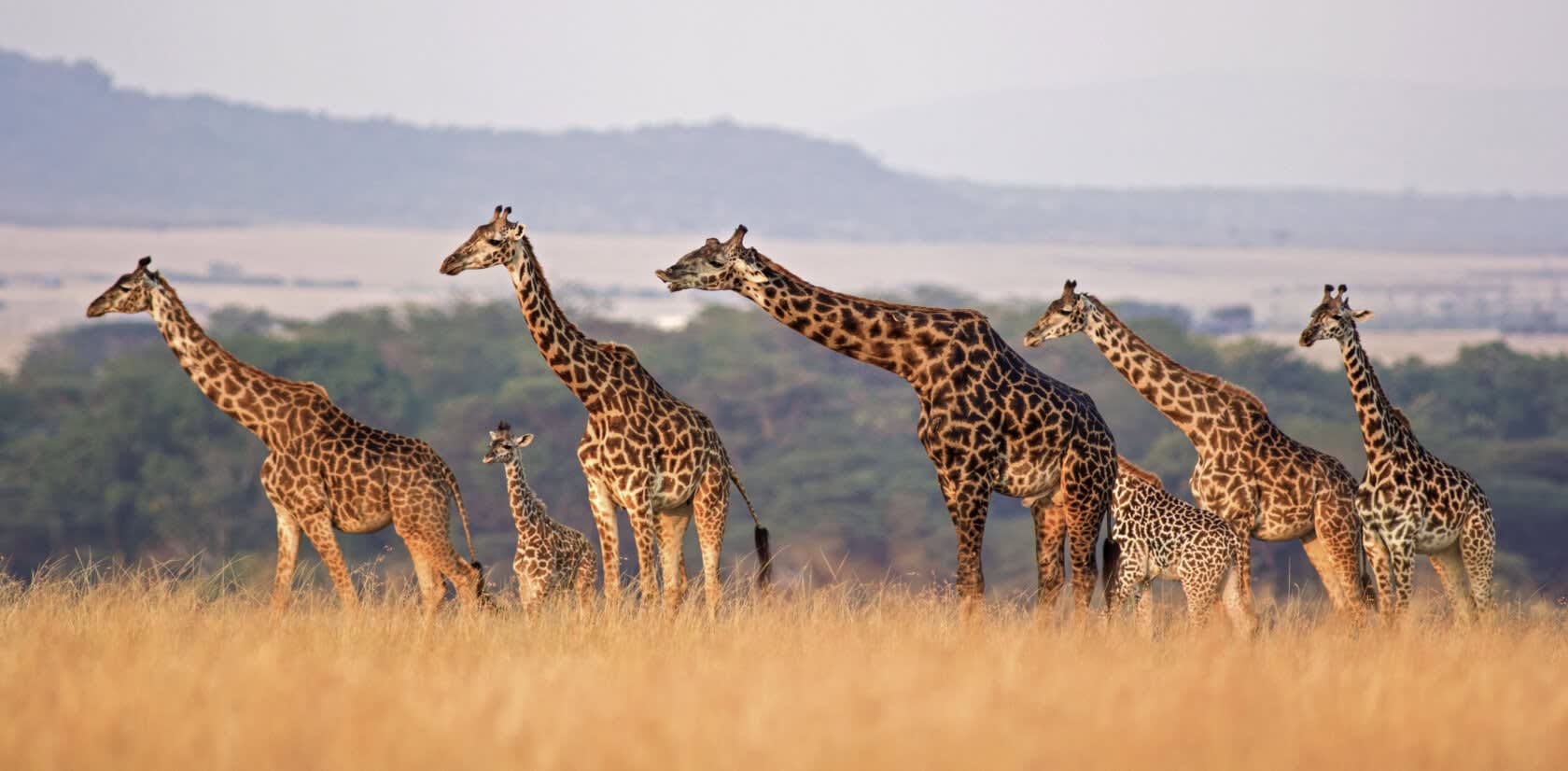
Ngorongoro Crater offers exceptional chances of seeing black rhinos, big cats, and large herds of wildebeest, buffalo, and zebra . The crater's enclosed ecosystem concentrates these animals, making wildlife encounters more predictable than in open parks. You'll likely observe multiple species within hours of arriving on the crater floor.
Black rhinos are the crater's most famous residents. Approximately 100 black rhinos live in the crater, making it one of Africa's best places to see this endangered species. Your guide will search for them strategically, scanning open areas and water sources where rhinos gather. Morning and late afternoon provide the best rhino viewing opportunities when these solitary animals are most active.
Lions are abundant in Ngorongoro, with over 120 individuals living in the crater. You'll frequently see prides resting in the shade or hunting. Leopards and hyenas are also present but require patience and luck to spot. These big cats thrive here because prey animals cannot escape the crater's boundaries, creating a predator's paradise.
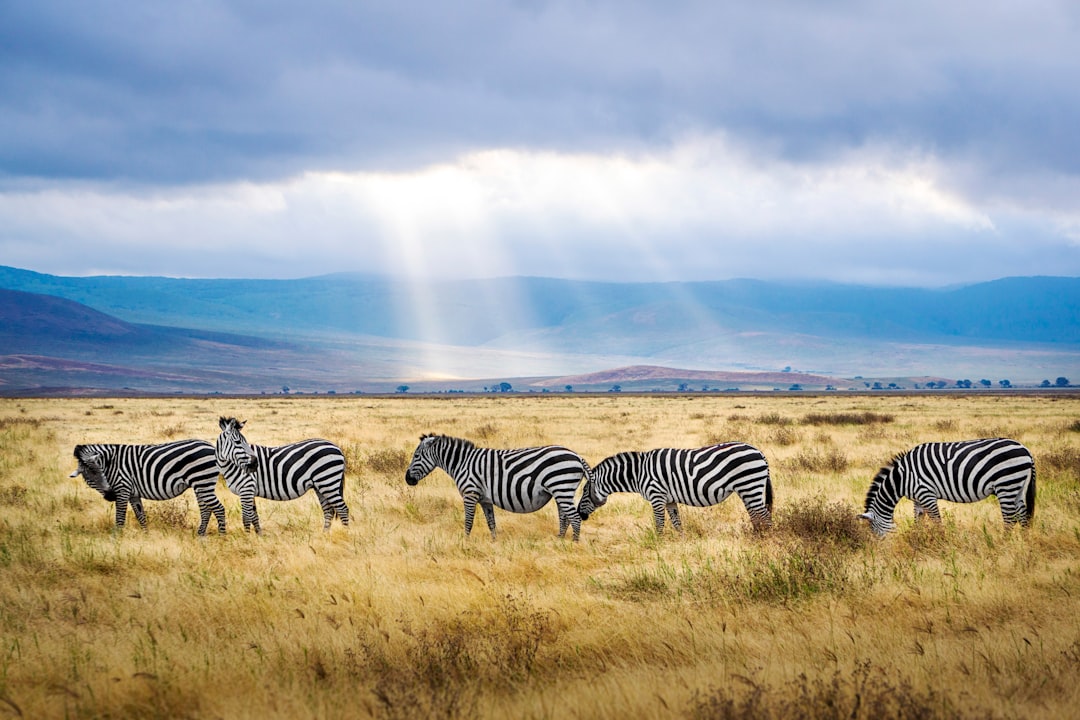
Herbivore herds dominate the crater landscape. Approximately 5,000 wildebeest, 4,000 zebras, 3,000 buffalo, and countless gazelles share the crater floor. These animals migrate seasonally between the crater and surrounding highlands, creating dynamic herd compositions throughout the year. Elephants, warthogs, and baboons are frequently spotted, particularly near water sources and vegetation.
Birdwatchers will find over 500 bird species in Ngorongoro. Crowned eagles, fish eagles, and various heron species frequent the crater lake. Flamingos occasionally gather in large numbers when water conditions are right. Your guide can identify species, explain their behaviors, and point out birds you might otherwise miss.
Ngorongoro Crater vs. Serengeti: Which Safari Is Best?
Choosing between Ngorongoro Crater and the Serengeti depends on your time, budget, and wildlife preferences. Both are exceptional, but they offer different experiences. Ngorongoro delivers concentrated wildlife viewing in one day, while the Serengeti requires three to four days for comprehensive exploration.
| Feature | Ngorongoro Crater | Serengeti National Park |
|---|---|---|
| Size | Compact & Contained | Vast & Endless (14,750 sq km) |
| Wildlife Density | Extremely High | Wide-ranging / Migratory |
| Game Drives | Short, Intense (1 day) | Long, Exploratory (3+ days) |
| Best Time | June-October | July-October (Migration) |
| Cost per Day | $300-$500 fees | $150-$300 fees |
| Best For | Limited time, budget-conscious | Migration viewing, extensive safari |
Ngorongoro excels for travelers with limited time. One day delivers major wildlife sightings comparable to multi-day safaris. The crater's enclosed environment means animals cannot escape, increasing encounter predictability. This makes it perfect for first-time safari visitors who want guaranteed wildlife viewing without extended time commitments.
The Serengeti National Park suits travelers seeking vast landscapes and the Great Migration experience. This sprawling ecosystem requires multiple days to explore different regions. If witnessing 1.5 million wildebeest crossing the Mara River is your dream, the Serengeti is essential. However, this experience demands more time and higher overall costs.
Many travelers choose both destinations. A combined itinerary allocates one day to Ngorongoro and three to four days to the Serengeti. This approach delivers the crater's concentrated wildlife plus the Serengeti's vast landscapes and migration spectacle. Explore multi-destination safari packages that combine both parks for optimized routing and cost savings.
Essential Tips for Your First Ngorongoro Visit
Start your Ngorongoro planning three to six months before your intended travel dates. This advance notice ensures availability of permits, accommodation, and quality guides. Peak season (June-October) books quickly, so early reservations prevent disappointment and often unlock better rates.
Hire an experienced guide through your tour operator. Guides make or break your safari experience. Quality guides locate animals efficiently, explain behaviors, provide historical context, and enhance your understanding of the ecosystem. Ask your operator about guide credentials and request experienced guides familiar with Ngorongoro's specific animal patterns.
Bring proper gear for variable conditions. Early morning temperatures at the crater rim drop to 10°C (50°F), requiring warm layers. Afternoon temperatures reach 20-25°C (68-77°F). Pack a fleece jacket, long-sleeved shirt, hat, sunglasses, and sturdy hiking boots. Binoculars, camera, and notebook enhance your experience. Sunscreen and lip balm protect against intense equatorial sun.
Stay hydrated throughout your game drive. Bring at least two liters of water daily. The altitude, sun exposure, and activity level increase fluid needs. Your lodge or tour operator provides water bottles, but carrying extras ensures you never run short. Dehydration causes altitude discomfort and headaches, so drink consistently.
Respect wildlife and park regulations. Maintain safe distances from animals—your guide will position the vehicle appropriately. Never exit the vehicle unless your guide explicitly permits it. Stay quiet during game drives to avoid startling animals. Photography is encouraged, but prioritize the experience over capturing every moment.
Key Takeaways
- Book your Ngorongoro Crater safari three to six months ahead during peak season (June-October) to secure permits and accommodation at favorable rates.
- Budget $300-$500 per person for park fees alone, plus $200-$400 for transport and $100-$300 for accommodation, making total costs $600-$1,200 daily per person depending on comfort level.
- Plan one to two days at the crater for optimal wildlife viewing, as the concentrated ecosystem delivers major sightings efficiently without requiring extended stays like other Tanzania destinations.
- Visit June through October for peak wildlife viewing and dry weather, or choose November to May for greener landscapes and fewer crowds if you're flexible with your schedule.
- Compare Ngorongoro with Serengeti safaris using verified SafariFind packages to determine which destination matches your time, budget, and wildlife priorities before booking.
Frequently Asked Questions
How much does a safari in Tanzania cost?
Tanzania safari costs vary by destination and duration. Ngorongoro Crater costs $300-$500 daily in park fees, while the Serengeti costs $150-$300 daily. Total costs including accommodation, transport, and meals range from $600-$1,500 per person daily for budget safaris to $2,000-$4,000 for luxury experiences. Multi-day safaris typically cost less per day than single-day crater visits.
What is the best month to do a safari in Tanzania?
June to October is the best time for Tanzania safaris, offering dry weather and peak wildlife viewing. During these months, animals gather around water sources, visibility is excellent, and temperatures are comfortable. However, November to May offers greener landscapes and fewer tourists if you prefer quieter safari experiences and don't mind occasional rain.
Which safari is best in Tanzania?
The best Tanzania safari depends on your priorities. Ngorongoro Crater excels for concentrated wildlife in one day, ideal for limited time and budgets. The Serengeti suits migration viewing and vast landscape exploration, requiring three to four days. Many travelers choose both destinations for a complete Tanzania experience combining crater and migration viewing.
How much does a luxury safari cost in Tanzania?
Luxury Tanzania safaris cost $2,000-$4,000 per person daily, including premium accommodation, gourmet meals, private vehicles, and experienced guides. A seven-day luxury safari combining Ngorongoro and Serengeti costs $14,000-$28,000 per person. Luxury lodges offer exclusive amenities, excellent service, and unforgettable experiences justifying premium pricing for discerning travelers.
Is it safe to do a safari in Tanzania right now?
Tanzania is generally safe for safari tourism as of 2027. Tourist areas including Ngorongoro, Serengeti, and Kilimanjaro are well-established with strong security measures. Work with reputable operators listed on SafariFind who follow safety protocols and maintain quality standards. Check current travel advisories from your government, practice standard travel precautions, and follow your guide's instructions for a secure safari experience.
How do I book a Ngorongoro Crater safari?
Book your Ngorongoro Crater safari through verified tour operators on SafariFind. Browse available packages, compare prices and ratings, read authentic traveler reviews, and request quotes directly from operators. Most operators handle all logistics including permits, accommodation, transport, and guides. Early booking (three to six months ahead) ensures better availability and rates, particularly during peak season.
Conclusion
Ngorongoro Crater is Africa's most concentrated wildlife destination, delivering exceptional safari experiences in one to two days. The crater's enclosed ecosystem guarantees encounters with black rhinos, lions, elephants, and massive herbivore herds that would require days to see elsewhere. Plan your visit for June to October when weather is optimal and wildlife viewing peaks, or choose the green season for quieter moments and vibrant landscapes.
Budget realistically for your crater adventure. Park fees range from $300-$500 daily, with total costs reaching $600-$1,200 per person when including accommodation and transport. This investment delivers unparalleled wildlife viewing efficiently. First-time visitors often discover that Ngorongoro's concentrated experience rivals multi-day park visits at lower total costs.
Start planning your Ngorongoro safari today by browsing verified packages on SafariFind. Compare operators, read authentic reviews from previous travelers, and request quotes matching your dates and budget. Whether combining the crater with Serengeti migration viewing or visiting independently, SafariFind connects you with established operators who deliver quality experiences and transparent pricing.
Your Tanzania safari awaits. Compare Ngorongoro crater safari packages on SafariFind and discover how affordable and accessible this iconic destination truly is. Book with confidence knowing you're working with verified operators committed to creating unforgettable wildlife experiences in 2027 and beyond.
Plan Your Safari with SafariFind
These recommendations use real data from SafariFind, where you can compare operators, browse packages, and read verified traveler reviews before you book.
Recommended Safari Operators from SafariFind
Top Safari Packages from SafariFind
What Travelers Say (SafariFind Reviews)
References
- GetYourGuide - The Garden of Eden: The Best Time to Visit Ngorongoro Crater
- Footslopes Tours - Best Time To Visit Ngorongoro Crater, Tanzania
- Ella McKendrick - Ngorongoro Crater Safari - The Ultimate Guide
- Safari Go - Ngorongoro Crater Safari Guide: Wildlife, Costs & Best Time to Visit
- Safari-TZ - Ngorongoro Crater Overview | Tanzania Safari Guide
- Ngorongoro Expedition - Best Ngorongoro Crater Day Trip Complete Guide 2026
- Climb Kilimanjaro Guide - Ngorongoro Crater – Big 5, Safaris, Best Time to Go [Guide]
- Kandoo Adventures - A Guide to Ngorongoro for First-Time Visitors
V2Ui.sources
- GetYourGuide - The Garden of Eden: The Best Time to Visit Ngorongoro Crater
- Footslopes Tours - Best Time To Visit Ngorongoro Crater, Tanzania
- Ella McKendrick - Ngorongoro Crater Safari - The Ultimate Guide
- Safari Go - Ngorongoro Crater Safari Guide: Wildlife, Costs & Best Time to Visit
- Safari-TZ - Ngorongoro Crater Overview | Tanzania Safari Guide
- Ngorongoro Expedition - Best Ngorongoro Crater Day Trip Complete Guide 2026
- Climb Kilimanjaro Guide - Ngorongoro Crater – Big 5, Safaris, Best Time to Go [Guide]
- Kandoo Adventures - A Guide to Ngorongoro for First-Time Visitors
Related to
Ready to start your safari adventure?
Explore curated safari packages and find your perfect African adventure with verified operators.