Protecting Mozambique’s National Parks and Reserves in 2026
Mozambique’s national parks and reserves are being restored through long-term co-management, ranger protection, wildlife reintroductions and community programmes. Progress is visible in Gorongosa, Zinave, Maputo and Bazaruto, but poaching, habitat pressure and human-wildlife conflict remain serious challenges.
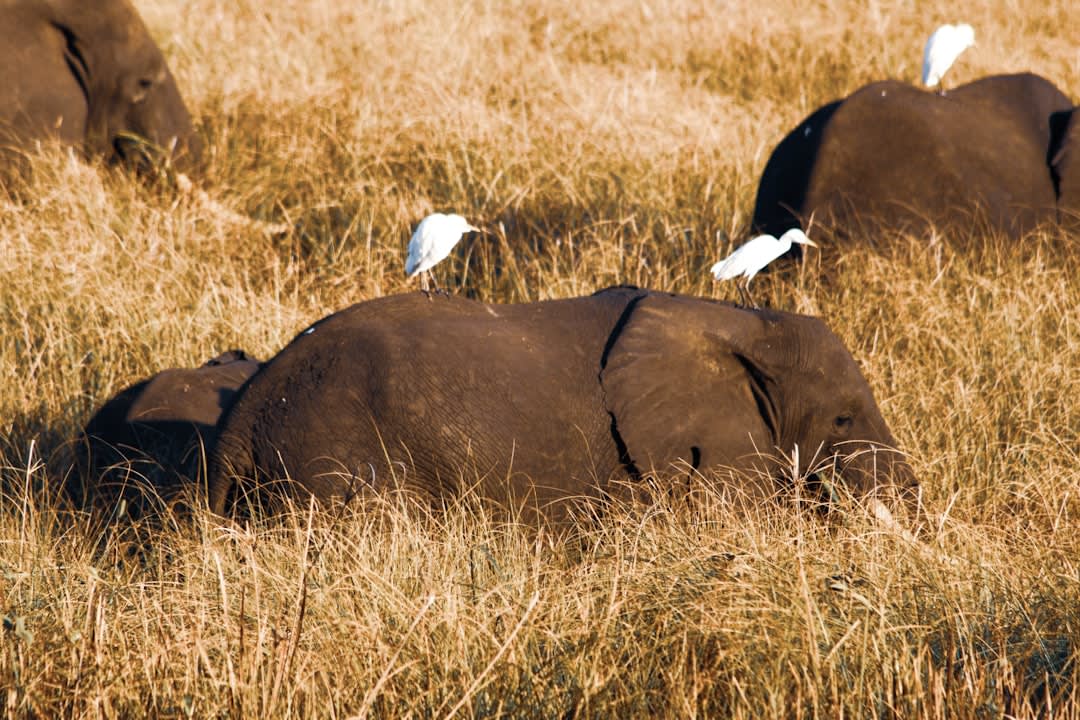
Quick answer: Mozambique is rebuilding several nationally important protected areas through partnerships between the government’s National Administration for Conservation Areas (ANAC), conservation NGOs, private donors and neighbouring countries. Wildlife recovery in parks including Gorongosa National Park and Zinave National Park shows what sustained protection can achieve, but illegal hunting, snaring, logging, land-use pressure and conflict with people living alongside wildlife still require long-term investment.
Last reviewed August 2026. Conservation data changes — see the cited sources for the latest figures.
Why Mozambique’s national parks and reserves matter
Mozambique’s protected-area network contains terrestrial, freshwater and marine landscapes whose recovery matters both for biodiversity and for rural livelihoods. The country’s conservation story is inseparable from its history: wildlife populations in many areas were severely depleted during Mozambique’s civil conflict, while subsequent recovery has depended on rebuilding ranger forces, infrastructure, wildlife monitoring and local institutions.
Today, the conservation landscape ranges from the floodplains and mountain-fed catchments of Gorongosa to the Great Limpopo Transfrontier Conservation Area, which connects protected areas and community land across Mozambique, South Africa and Zimbabwe. Conservation International describes the wider Great Limpopo vision as a transboundary landscape of about 100,000 square kilometres, where wildlife movement and community participation are both central to the model.
In the south, Limpopo National Park and Zinave form part of that connected landscape. In the far south-east, Maputo National Park combines ecosystems previously protected as Maputo Special Reserve and Ponta do Ouro Partial Marine Reserve. Offshore, the Bazaruto Archipelago is a major marine protected-area priority under a 25-year co-management agreement between ANAC and African Parks.
These places are not interchangeable wildlife safari destinations. Gorongosa is a restoration-led savanna and wetland park; Bazaruto is a marine archipelago; Maputo protects linked terrestrial and coastal habitats; and Zinave represents an ambitious rewilding effort within Great Limpopo. For a practical comparison of wildlife-viewing expectations, see SafariFind’s guide to Mozambique safari animals and Big Five chances by region.
Conservation pressures: the threats parks still face
Illegal hunting, snaring and wildlife crime
Anti-poaching is still fundamental. In Niassa National Reserve, the Niassa Lion Project’s ranger work includes disrupting illegal gold mining, removing bushmeat snares and helping prevent elephant killing for ivory. Wildlife Conservation Network identifies elephant poaching, timber logging, bushmeat snaring and habitat transformation as ongoing threats in the reserve.
Snaring is particularly damaging because wire traps are indiscriminate: they can catch carnivores, antelope and other non-target animals as well as animals sought for meat. Ranger patrols in Mozambique’s parks therefore do more than deter armed poaching; they also detect snares, gather evidence and monitor wildlife and illegal activity.
Habitat conversion, resource use and fragmented landscapes
Protected-area boundaries alone do not eliminate pressure from timber extraction, farming expansion, uncontrolled natural-resource use or infrastructure needs. The Giraffe Conservation Foundation notes that civil unrest, habitat loss and fragmentation, and uncontrolled resource use left only a small number of southern giraffe in Mozambique before recent recovery efforts.
For this reason, conservation programmes increasingly work at landscape scale. The central challenge is to retain habitat connectivity while recognising that many families live in or beside wildlife landscapes and need secure livelihoods. The Great Limpopo approach explicitly combines protected areas with community lands, but it requires sustained cross-border government cooperation and practical support for communities adapting to wildlife’s return.
Human-wildlife conflict
As large animals recover and disperse, conflict can increase around crops, livestock, water and safety. A 2026 scientific review of Gorongosa specifically identifies elephant-human interactions and lion conservation among the park’s key conservation themes, illustrating that ecological restoration must be matched by conflict prevention and community engagement.
Conflict should not be framed as a failure by local residents. It is a governance challenge requiring credible reporting systems, trained response teams, land-use planning, locally appropriate mitigation and meaningful benefits from conservation. The World Bank’s MOZBIO2 completion report similarly stresses long-term technical and financial support for conservation areas managed with partner organisations.
Climate and water resilience
Climate pressures compound existing threats, particularly in floodplain, wetland and coastal systems. In Gorongosa, Mount Gorongosa is described by the park’s science programme as the source of major rivers sustaining the park and surrounding communities, making catchment protection relevant to both biodiversity and local water security. In Banhine National Park, aquatic surveys have documented fish diversity associated with seasonal pans, including rare and restricted-distribution killifish and lungfish, underlining why wetlands need protection even where classic big-game tourism is limited.
What is being done to protect Mozambique’s parks?
| Park or landscape | Conservation approach | Named partners or evidence |
|---|---|---|
| Gorongosa National Park | Ecological restoration, ranger protection, wildlife reintroductions, science and community development | Government of Mozambique and Greg Carr Foundation co-management partnership |
| Zinave National Park | Wildlife reintroductions and tourism development linked to communities | Peace Parks Foundation; Conservation International reporting |
| Maputo National Park | Integrated terrestrial and marine protection and transfrontier planning | Peace Parks Foundation; ANAC; World Bank-supported partnership |
| Bazaruto Archipelago National Park | Long-term marine protected-area management | ANAC and African Parks 25-year agreement signed in December 2017 |
| Chimanimani and Marromeu landscapes | Technical and financial support through conservation-area partnerships | Fauna & Flora for Chimanimani; Frankfurt Zoological Society for Marromeu |
Long-term co-management and public-private partnerships
Mozambique has used co-management agreements to bring specialist operational capacity and long-term finance into selected protected areas while ANAC remains the national conservation authority. The World Bank reports partnership arrangements for Maputo National Park with Peace Parks Foundation, Chimanimani National Park with Fauna & Flora, and Marromeu National Reserve with Frankfurt Zoological Society.
At Gorongosa, the Gorongosa Restoration Project is a co-management partnership between the Government of Mozambique and the Greg Carr Foundation. The project says it began reintroducing wildlife and training rangers in 2004 after wildlife populations crashed during the civil war, while its approach also includes health, education and agricultural programmes in a 600,000-hectare Sustainable Development Zone around the park.
Gorongosa’s science infrastructure is another important feature. Its E.O. Wilson Laboratory supports research, training and monitoring, while the Community Education Center provides environmental education for children and community members. The park reports employing more than 150 trained rangers.
Rangers, intelligence and monitoring
Effective protection requires people on the ground, reliable communications, lawful enforcement and information that helps managers adapt. Peace Parks Foundation’s 2023 Mozambique impact reporting records ranger deployment, patrols, snares removed, firearms confiscated and arrests as core counter-poaching indicators in its supported landscapes. The report demonstrates that conservation management measures patrol effort and enforcement output, not only wildlife sightings.
Rangers face difficult and sometimes dangerous work. In Niassa, Fernando Sabastene Januario Macamero, Head Ranger of Mariri Investimentos at Niassa Carnivore Project, was recognised with an African Ranger Award in 2018. Such roles matter because wildlife protection depends on locally based professionals who know the terrain, communities and patterns of illegal activity.
Restoring wildlife populations
Reintroductions can restore ecological processes, but they require secure habitat, monitoring and social licence. Zinave became Mozambique’s first Big Five park after lions were returned, according to Conservation International. Seven rhinos had been born there since rhinos returned to the park when that report was published.
Southern giraffe recovery is another example. The Giraffe Conservation Foundation estimates Mozambique’s South African giraffe population at about 1,100 animals, increased through reintroductions and natural immigration from South Africa’s Kruger National Park. Its work involves ANAC, Mozambique Wildlife Alliance, Peace Parks Foundation and other partners, alongside giraffe tracking in Maputo National Park.
Community benefits and responsible wildlife safari tourism
Tourism can help fund conservation, but it is not a universal answer and must not displace or exclude local people. The Global Environment Facility states that nature-based tourism can support wildlife preservation and sustainable livelihoods in some places, while emphasising that community engagement and real conservation results are essential for public-private partnerships to work.
In practical terms, well-managed tourism may support ranger jobs, local supply chains, guiding, accommodation, transport and community enterprises. In Zinave, Peace Parks’ next phase is described as building a tourism industry led by local communities. Gorongosa’s model likewise links conservation with health, education and agricultural development beyond the park boundary.
Travellers should also keep expectations realistic. A wildlife safari park does not become successful merely because it has the Big Five, luxury camps or striking marketing images. Good conservation tourism needs transparent park fees, fair employment, low-impact operations, guides who follow wildlife-viewing rules and an operator able to explain how its fees support park management or local programmes.
Visitors planning a route from the capital can use SafariFind’s Maputo-to-safari add-on route guide, while travellers considering a beach-and-bush itinerary can explore the Mozambique safari and beach itinerary options. Conservation-supporting safaris can also be booked through SafariFind, with travellers encouraged to ask direct questions about park fees, community partnerships and operator practices before confirming.
Results and setbacks: a balanced 2026 assessment
The evidence supports cautious optimism, not complacency. Gorongosa’s restoration has received international recognition, including the BBVA Foundation Worldwide Award for Biodiversity Conservation in February 2025. The project reports that animal numbers now exceed pre-war levels, following two decades of restoration work. Zinave’s returned lions and rhino births demonstrate that rewilding can produce tangible outcomes when protection and habitat conditions improve.
There are also signs of institutional progress. The World Bank’s MOZBIO2 Phase 2 report records substantial disbursement through BIOFUND to ANAC and the conservation-area network, including targeted support to Maputo, Chimanimani and Marromeu. It reports that the relevant end target for this indicator was exceeded.
But the pressures have not disappeared. Niassa still faces elephant poaching, logging, snaring and habitat transformation. Giraffe conservation still depends on addressing fragmentation and resource-use pressure. Community-wildlife conflict remains an active issue in recovering landscapes. And tourism revenue is uneven: some parks are remote, lightly visited or not suited to high-volume tourism. The GEF explicitly cautions that tourism is not a solution for every conservation area.
The strongest conclusion is therefore straightforward: Mozambique’s protected areas need dependable funding, accountable partnerships, community consent and benefit-sharing, professional ranger teams, ecological research and cross-border coordination for decades—not just during high-profile reintroduction campaigns.
How travellers can help responsibly
- Choose transparent operators: Ask where conservation levies and park fees go, whether local people are employed in meaningful roles, and whether the itinerary uses authorised guides and camps.
- Respect wildlife space: Do not request off-road chasing, baiting, crowding animals or encounters that compromise animal welfare. Ranger and guide instructions are part of wildlife protection.
- Support longer stays where appropriate: Remote parks often need visitor spending that reaches guides, lodges, local suppliers and park systems, rather than a rapid tick-list safari.
- Learn about the specific landscape: A visit to Gorongosa, Maputo, Zinave or the Bazaruto Archipelago supports different conservation priorities. Read park-specific guidance rather than assuming every Mozambique safari is the same.
- Report concerns: Tell your lodge, operator or park authority if you observe suspected illegal activity, harassment of wildlife, unsafe driving or unethical photography practices.
- Travel with humility: Conservation landscapes are homes, working lands and cultural places as well as visitor destinations. Community rights and safety should be treated as essential conservation outcomes.
For travellers comparing the country’s most prominent wildlife areas, SafariFind’s Gorongosa versus Niassa safari comparison provides further trip-planning context. The conservation case for visiting is strongest when a trip supports well-run protected areas while respecting the people and wildlife that make those landscapes viable.
Frequently Asked Questions
How are Mozambique’s national parks being protected in 2026?
Protection combines ANAC-led management, long-term co-management partnerships, ranger patrols, wildlife monitoring, reintroductions and community-development programmes. Examples include Gorongosa’s government–Greg Carr Foundation partnership and African Parks’ Bazaruto agreement.
Which national parks in Mozambique have major conservation programmes?
Gorongosa, Zinave, Limpopo, Maputo, Bazaruto Archipelago, Chimanimani and Marromeu are among the protected areas supported by major restoration, co-management or partnership programmes cited in current conservation reporting.
Is Gorongosa National Park a conservation success?
Gorongosa is widely regarded as an important restoration case: its project reports wildlife numbers exceeding pre-war levels and received the BBVA Foundation Worldwide Award for Biodiversity Conservation in 2025. Ongoing human-wildlife conflict and long-term funding needs mean recovery is not complete.
Does Mozambique have the Big Five?
Yes, Zinave National Park became Mozambique’s first Big Five park after lion reintroduction, according to Conservation International. Wildlife viewing varies substantially by park and season.
What are the biggest threats to wildlife in Mozambique’s reserves?
Key documented threats include elephant poaching, bushmeat snaring, timber logging, habitat transformation, fragmented habitat and human-wildlife conflict.
How does tourism help conservation in Mozambique?
Well-managed tourism can contribute to park income, employment and local livelihoods, but it only supports conservation when communities are genuinely engaged and conservation results are delivered. The GEF cautions that tourism is not a solution for every protected area.
Are Park Fees Included in Safari Packages? - Mara Masai
This is not a Mozambique-specific question, and inclusions vary by operator. Before booking any Mozambique safari, ask for a written breakdown of park-entry fees, conservation levies, accommodation, transfers, guiding and community charges.
What extra costs are there at Mara Safari Park?
Mara Safari Park is not in Mozambique. For a Mozambique safari, possible extra costs can include park fees, conservation levies, flights, transfers, drinks, tips and optional activities; confirm these directly with the operator before payment.
What is the most famous safari park in Tanzania?
This is outside Mozambique, but Serengeti National Park is generally the best-known Tanzanian safari park. Mozambique travellers should choose parks based on the country’s distinct coastal, wetland, restoration and transfrontier conservation landscapes.
Can giraffes be seen in Mozambique’s protected areas?
Yes. The Giraffe Conservation Foundation reports an estimated 1,100 South African giraffe in Mozambique, supported by reintroductions and natural immigration from South Africa, with tracking work in Maputo National Park.
V2Ui.sources
- Mozambique Conservation Areas for Biodiversity and Development – Phase 2 Implementation Completion and Results Report
- Conservation efforts in Gorongosa National Park: a review
- Gorongosa Restoration Project receives the BBVA Foundation Worldwide Award for Biodiversity Conservation
- African Parks: Our Partners(official)
- Development of Key Protected Areas in Mozambique: 2023 Impact Report
- Long silenced, an African park roars back to life
- Southern Giraffe Conservation in Mozambique
- Wildlife Conservation Network: Saluting Rangers on World Ranger Day
- Aquatic Survey in Banhine National Park Marks Another Milestone in Mozambique’s Conservation and Rebuilding Efforts
- Leveraging PPPs in Mozambique to Scale Conservation and Promote Economic Development
- Mozambique Proclaims Maputo National Park
- Science in the Gorongosa National Park, Mozambique
Related to
Ready to start your safari adventure?
Explore curated safari packages and find your perfect African adventure with verified operators.


