Serengeti vs Chobe National Park: Which Budget Safari Package Offers Better Value
Serengeti and Chobe National Park both offer incredible African wildlife experiences on a budget, but they differ in landscape, wildlife, and costs. Serengeti excels with the Great Migration and vast

Serengeti vs Chobe: Which Budget Safari Wins?
Serengeti and Chobe National Park both offer incredible African wildlife experiences on a budget, but they differ in landscape, wildlife, and costs. Serengeti excels with the Great Migration and vast plains, while Chobe impresses with massive elephant herds and river-based game viewing. Your choice depends on which animals you want to see and your travel timeline.
What Makes Serengeti vs Chobe National Park Budget Safaris Different?
Choosing between a Serengeti vs Chobe National Park budget safari package can feel overwhelming. Both destinations offer world-class African wildlife experiences without breaking the bank. However, they're very different parks with unique advantages for budget travelers.
The Serengeti sits in Tanzania and covers nearly 15,000 square kilometers of open grassland. Chobe National Park sits in Botswana and features diverse habitats including river valleys, woodlands, and floodplains. These geographic differences shape everything about your safari experience.
Budget safari packages to both parks typically range from $1,200 to $3,500 for a week-long trip. The price depends on accommodation type, group size, and season. Understanding what each park offers helps you pick the better value for your interests and budget.
SafariFind connects travelers with verified tour operators offering authentic packages to both destinations. You can compare real prices, read honest reviews from past travelers, and request quotes from multiple operators. This helps you find the best deal for your budget safari adventure.
What Are the Key Features of Serengeti Safari Packages?
The Great Migration: Nature's Biggest Show
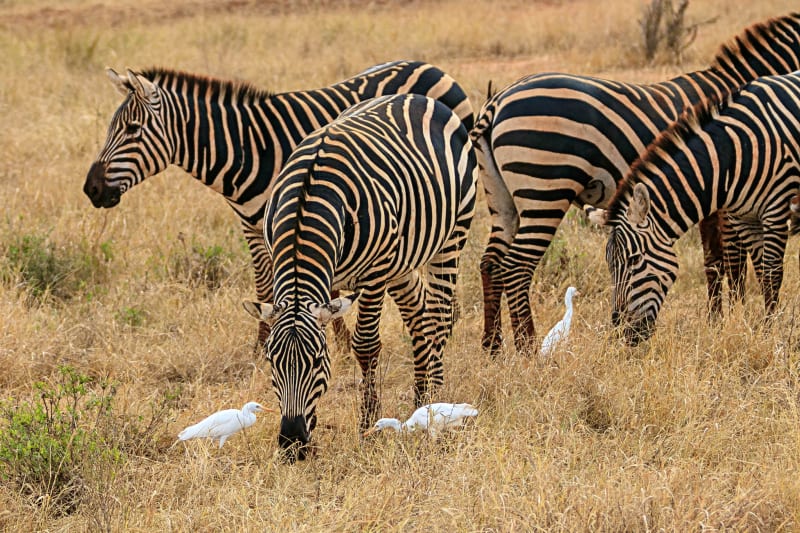
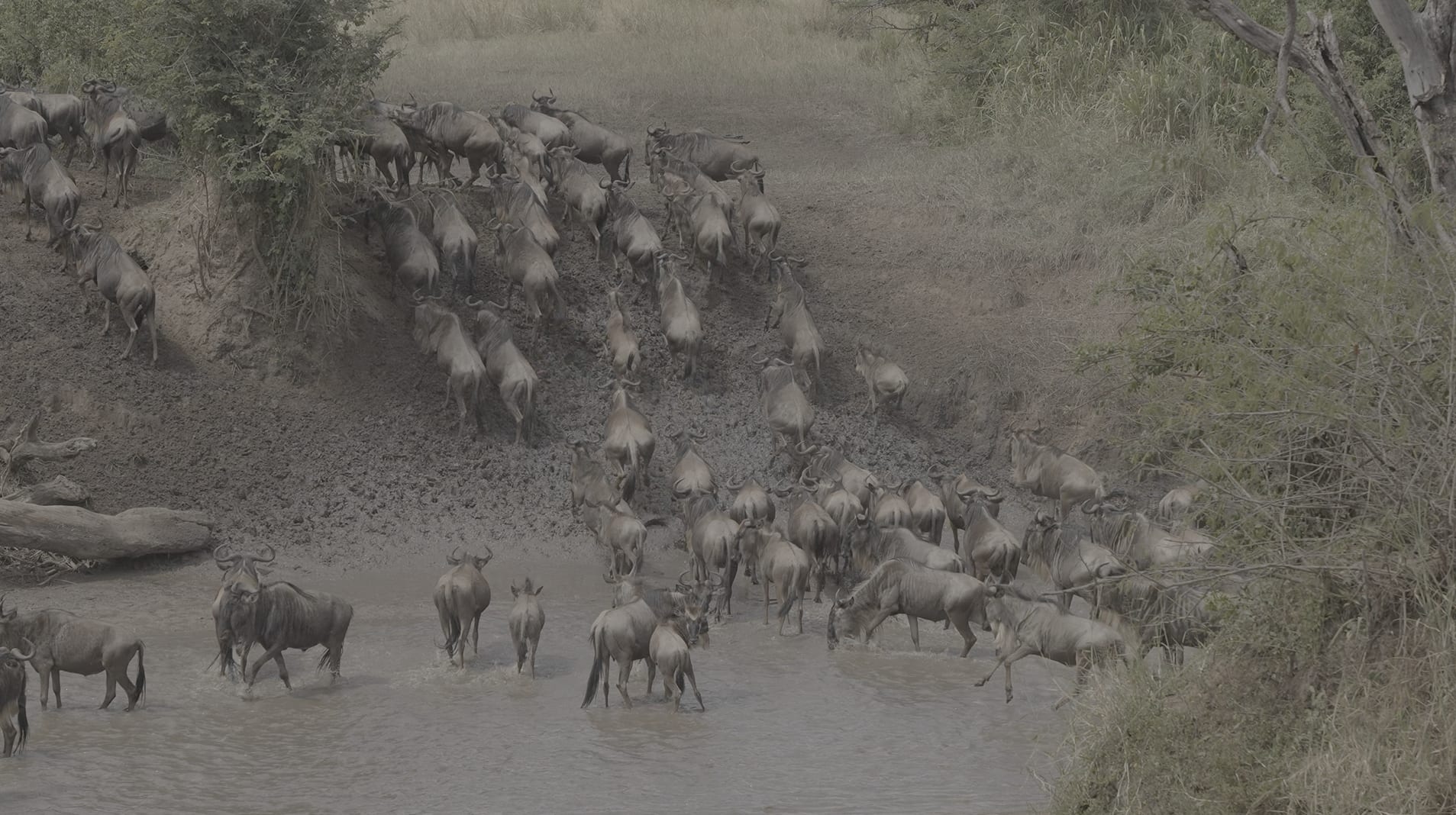
The Serengeti's most famous feature is the Great Migration. Every year, over 1.5 million wildebeest and zebras move across the plains following rainfall and fresh grass. This natural phenomenon happens between June and October, making these months peak season for Serengeti safaris.
Witnessing the migration is an unforgettable experience. You'll see massive herds moving across endless grasslands. Predators like lions, leopards, and hyenas follow the migration, creating dramatic wildlife encounters. Many budget travelers time their trips to coincide with this event despite higher prices during peak season.
However, the Serengeti offers excellent wildlife viewing year-round. From November to May, the green season brings fewer tourists and lower prices. You'll still see lions, elephants, giraffes, and hundreds of bird species. The landscape transforms into lush green terrain, making photography stunning.
Landscape and Wildlife Variety
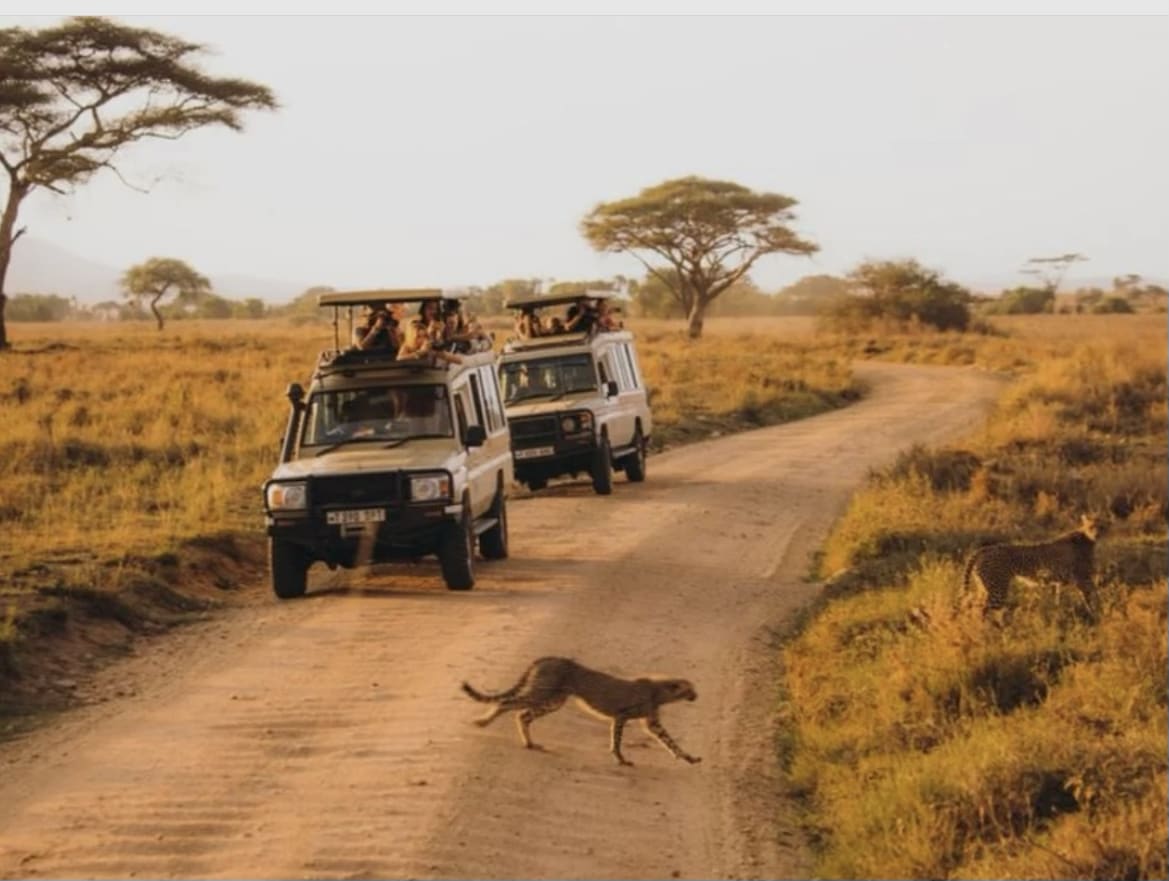
The Serengeti's vast open plains give you unobstructed views of wildlife. There's nowhere for animals to hide, so you spot them easily from safari vehicles. This makes the Serengeti ideal for first-time safari-goers who want to see as many animals as possible.
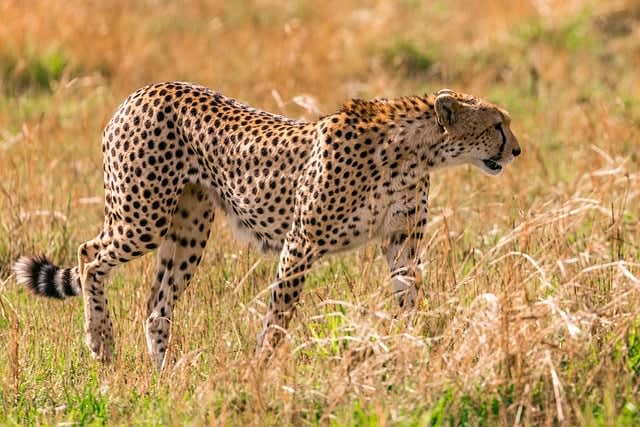
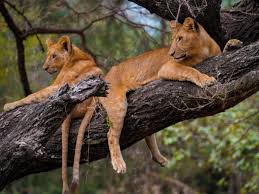
You'll encounter the Big Five (lions, elephants, buffalo, leopards, and rhinos) in the Serengeti. Additionally, you'll see cheetahs, hyenas, wild dogs, and countless antelope species. Over 500 bird species call the park home, making it paradise for bird watchers.
Budget Accommodation Options
Budget Serengeti packages offer various lodging choices. Camping is the cheapest option, starting at $40-80 per night. Basic lodges with shared bathrooms cost $80-150 per night. Mid-range lodges with private rooms and amenities run $150-300 per night.
Many budget operators offer all-inclusive packages that bundle accommodation, meals, and game drives. These packages simplify planning and often provide better value than booking separately. SafariFind lists detailed Serengeti packages with transparent pricing so you can compare options easily.
What Makes Chobe National Park Budget Safaris Special?
The Largest Elephant Population in Africa
Chobe National Park is famous for one thing: elephants. The park hosts approximately 120,000 African elephants, the largest concentration in the world. If seeing massive elephant herds is your safari dream, Chobe delivers like nowhere else.
Watching hundreds of elephants gather at the Chobe River at sunset is magical. You'll see family groups, young calves, and massive bulls with impressive tusks. The sheer number of elephants creates unforgettable moments that justify the trip alone.
Beyond elephants, Chobe has diverse wildlife. You'll encounter lions, leopards, Cape buffalo, and numerous antelope species. The park also hosts excellent sightings of hyenas, wild dogs, and smaller predators. Over 460 bird species make Chobe a birding hotspot.
River-Based Game Viewing
Chobe's location along the Chobe River sets it apart from Serengeti. The river creates a natural wildlife corridor where animals gather daily. This geography offers unique viewing opportunities unavailable in other African parks.
Many Chobe budget packages include boat safaris on the river. These trips put you close to wildlife at water's edge. You'll see elephants drinking, crocodiles basking, and hippos lounging in the water. River safaris offer a completely different perspective than traditional game drives.
The river landscape creates diverse habitats. Riverine forests, floodplains, and woodlands support different animal species. This variety means you'll encounter different wildlife in different park areas. Experienced guides know where to find specific animals based on season and time of day.
Accessibility and Value Pricing
Chobe sits closer to major African hubs than Serengeti. Many travelers reach Chobe from Johannesburg, Cape Town, or Windhoek more easily. This accessibility often means cheaper flights and easier logistics for budget travelers.
Budget Chobe packages start lower than Serengeti options. Basic camping packages begin at $800-1,200 for three days. Mid-range lodge packages run $1,200-2,000 for three days. Chobe's shorter distances and lower accommodation costs make it ideal for budget-conscious travelers.
The park operates year-round with consistent wildlife viewing. Unlike Serengeti's seasonal migration, Chobe offers reliable animal encounters any time you visit. This predictability helps you plan better and potentially visit during cheaper shoulder seasons.
How Do Costs Compare Between Serengeti and Chobe Budget Packages?
Accommodation Pricing Breakdown
Serengeti camping costs $40-80 per night, similar to Chobe's $35-70 per night. However, Serengeti basic lodges ($80-150) often exceed Chobe's ($60-120) for comparable quality. This difference compounds over a week-long safari.
For a seven-day budget package, accommodation costs matter significantly. A Serengeti camping safari might total $280-560 for lodging alone. The same Chobe trip costs $245-490. Over a full package, this $100-150 difference adds up.
Mid-range accommodation shows bigger price gaps. Serengeti lodges charge $150-300 per night, while Chobe charges $100-200. A week in mid-range Serengeti lodges costs $1,050-2,100 for accommodation. Chobe's equivalent runs $700-1,400. Budget travelers should factor this into their planning.
Game Drive and Activity Costs
Serengeti game drives typically cost $50-100 per person daily. Chobe drives cost $40-80 daily. Over a three-day safari, this creates a $30-60 difference per person. Multi-day packages bundle these costs, so the per-day difference matters less in package pricing.
Chobe's river boat safaris add $20-40 per person to daily costs. Serengeti offers walking safaris for $30-50 per person. Both parks include these activities in all-inclusive packages. When comparing total package prices, check what activities are included.
Overall Package Value
A typical three-day Chobe budget package costs $900-1,500 per person all-inclusive. The same Serengeti package runs $1,200-2,000 per person. This 25-35% price difference makes Chobe more attractive for strict budgets.
However, Serengeti's Great Migration (June-October) commands premium prices. Packages jump to $2,000-3,500 during migration season. Chobe maintains consistent pricing year-round, making it the better budget choice during Serengeti's peak season.
Consider what's included in package pricing. All-inclusive packages cover lodging, meals, and game drives. Some packages add activities like walking safaris or cultural visits. SafariFind helps you compare what each package includes so you understand true value.
Which Park Offers Better Wildlife Photography Opportunities?
Serengeti's Open Plains Advantage
Serengeti's vast grasslands provide unobstructed views perfect for photography. Animals stand out clearly against the landscape. During the Great Migration, you'll capture dramatic scenes of thousands of animals moving together. This creates once-in-a-lifetime photo opportunities unavailable elsewhere.
The open terrain means better lighting for photography. You'll get cleaner backgrounds and better detail shots. Early morning and late afternoon golden light transforms the landscape into a photographer's paradise. Serengeti's flat terrain lets you position yourself for optimal shots.
However, Serengeti's open plains also mean animals see you coming. You might not get as close to predators as in other parks. The distance can require telephoto lenses for detailed wildlife shots. Budget photographers should plan accordingly with appropriate camera equipment.
Chobe's Intimate Wildlife Encounters
Chobe's river-based viewing offers closer wildlife encounters. Boat safaris put you just meters from elephants and other animals. This proximity creates dramatic, intimate photos impossible from a distance. You'll capture elephant details and behavioral moments beautifully.
The river landscape adds photographic variety. Sunset over the water creates stunning backgrounds for wildlife shots. Reflections in the water double your composition options. Dense riverine forests create different lighting and composition possibilities than open plains.
Chobe's diverse habitats offer varied photography opportunities. Woodlands, floodplains, and river areas each present unique backdrops. This variety keeps photography interesting throughout your safari. Different seasons bring different lighting and animal behavior to capture.
When Should You Visit Each Park for Best Budget Value?
Serengeti Seasonal Pricing
Serengeti's high season (June-October) features the Great Migration but charges premium prices. Budget packages cost $2,000-3,500 per person during these months. If migration viewing justifies higher costs for you, book well in advance for better rates.
The green season (November-May) offers the best budget value in Serengeti. Package prices drop to $1,200-1,800 per person. Fewer tourists mean better wildlife viewing in some areas. The landscape looks lush and beautiful, offering different photography than dry season.
Shoulder seasons (April-May and October) balance costs and wildlife viewing. Prices moderate to $1,500-2,200 per person. You'll still see excellent wildlife without peak season crowds. These months offer good value if you're flexible with travel dates.
Chobe Seasonal Considerations
Chobe maintains relatively consistent prices year-round. Budget packages range $900-1,500 regardless of season. This stability makes Chobe ideal for budget travelers who can't plan far ahead.
The dry season (May-October) concentrates animals near the river, improving wildlife viewing odds. Prices don't increase despite better sightings, making this the best budget value period. You'll see more animals in less time during dry season.
The wet season (November-April) brings lush vegetation and fewer tourists. Prices stay low while wildlife disperses across the park. You might see fewer animals in concentrated areas, but you'll experience Chobe's landscape transformation. This season suits travelers prioritizing solitude and scenery over maximum animal encounters.
How Do Tour Operators Compare for Budget Packages?
What to Look for in Budget Safari Operators
Reliable operators maintain consistent safety standards and vehicle maintenance. They employ experienced, knowledgeable guides who enhance your experience. Good operators provide transparent pricing with no hidden fees. They communicate clearly before, during, and after your safari.
Read authentic reviews from past travelers before booking. SafariFind features verified reviews from real safari-goers. Look for patterns in reviews rather than focusing on single comments. Multiple mentions of friendly guides, good food, or vehicle comfort indicate consistent quality.
Compare what's included in package pricing. Some operators bundle meals while others charge separately. Some include activities like walking safaris while others don't. Understanding inclusions helps you compare true value between operators.
Red Flags to Avoid
Extremely low prices often indicate quality problems. If a package seems too cheap compared to competitors, investigate why. Budget operators balance affordability with reasonable profit margins. Suspiciously low prices might mean poor vehicle maintenance or inexperienced guides.
Avoid operators with few or negative reviews. Limited online presence or unverifiable information suggests smaller, less established companies. While some small operators are excellent, established companies with many positive reviews offer safer bets for budget travelers.
Don't book directly with operators offering no cancellation flexibility. Reputable companies offer reasonable cancellation policies protecting you if plans change. If an operator refuses refunds or has inflexible policies, look elsewhere.
Using SafariFind to Compare Operators
SafariFind lists verified tour operators offering Serengeti and Chobe packages. You can compare prices, read authentic reviews, and request quotes from multiple operators simultaneously. This saves time and helps you find the best value for your budget.
Filter operators by destination, price range, and package duration. Read detailed reviews mentioning specific experiences and guide quality. Check operator ratings and review counts to identify consistently excellent companies. Request quotes from top-rated operators to compare final pricing.
SafariFind's transparent platform eliminates guesswork from booking. You see exactly what previous travelers experienced. You can make informed decisions based on real feedback rather than marketing claims. This transparency helps budget travelers maximize value.
What Are the Logistics and Getting There Differences?
Getting to Serengeti
Most international travelers fly to Dar es Salaam, Tanzania's main airport. From there, you take a domestic flight to Serengeti's airstrips (Seronera or Grumeti). Domestic flights cost $200-400 per person each way, adding significant expense to your budget.
Some budget travelers drive to Serengeti from Arusha, Tanzania's safari hub. This eight-hour drive costs $300-500 in vehicle rental or organized transport. Driving saves flight costs but takes more time and involves longer hours in vehicles.
Once in the park, you need accommodation and game drives. Most budget packages include transportation within the park. However, some budget travelers arrange their own lodging, which can reduce costs but requires more planning.
Getting to Chobe
Chobe is more accessible from southern Africa's major hubs. Many travelers fly into Johannesburg, Cape Town, or Windhoek. From there, you can drive to Chobe (8-12 hours) or fly via regional airlines. This accessibility often means cheaper overall transportation costs.
Kasane, Botswana, sits near Chobe's northern gate. Kasane has an airstrip with regional flight connections. You can drive from Kasane to Chobe in under an hour. This convenient location reduces travel complexity and costs compared to Serengeti.
Road access to Chobe is excellent. Well-maintained highways connect Kasane to major regional cities. Budget travelers can rent vehicles or join organized transport groups. This flexibility in transportation options helps you find the most affordable route.
Which Park Suits Different Types of Budget Travelers?
For First-Time Safari Goers
Serengeti excels for first-time safari experiences. The open plains make spotting wildlife easy. You'll see the Big Five and countless other animals without difficulty. Guides easily locate animals for you, reducing frustration for inexperienced observers.
However, Chobe also works well for beginners. The river-based viewing offers intimate encounters from boat safaris. You'll get closer to animals, making identification easier. Fewer tourists in Chobe mean more personalized guide attention.
Choose Serengeti if you want maximum wildlife variety and guaranteed Big Five sightings. Choose Chobe if you want closer animal encounters and fewer crowds. Both offer excellent first-safari experiences within budget constraints.
For Photography Enthusiasts
Serengeti's open landscape and migration create dramatic photography opportunities. The scale of the Great Migration provides once-in-a-lifetime shots. Varied habitats and seasonal changes offer diverse photographic subjects. Budget photographers should visit during shoulder season for good value plus excellent conditions.
Chobe appeals to photographers wanting intimate wildlife details. River-based viewing enables close-up shots of elephants and other animals. Sunset photography over the river creates stunning images. The diverse landscape offers varied composition options.
Choose Serengeti for landscape and migration photography. Choose Chobe for intimate wildlife detail shots. Both parks reward photographers with incredible images. Your preference depends on desired photographic style and budget constraints.
For Wildlife Enthusiasts
Serengeti suits travelers wanting to see the widest variety of animals. Over 500 bird species, all Big Five, and numerous predators ensure diverse sightings. The Great Migration provides nature's greatest spectacle. Animal behavior varies seasonally, encouraging multiple visits.
Chobe appeals to elephant lovers and river ecosystem enthusiasts. The massive elephant population offers unmatched pachyderm viewing. River-based viewing reveals different animal behaviors than land-based game drives. The river creates a unique ecosystem unavailable in other parks.
Choose Serengeti for maximum animal variety and the migration. Choose Chobe for concentrated elephant viewing and river ecosystems. Both destinations satisfy wildlife enthusiasts within budget parameters.
What Hidden Costs Should You Anticipate?
Park Entry Fees
Serengeti charges park entry fees of $60-70 per adult daily. A three-day safari costs $180-210 in park fees alone. These fees aren't always included in package pricing, so verify before booking. Some operators include fees while others add them later.
Chobe charges approximately $50-60 per adult daily. A three-day safari costs $150-180 in entry fees. Like Serengeti, verify whether your package includes these costs. Some budget packages list park fees separately in fine print.
Tips and Gratuities
Guides, drivers, and support staff rely on tips for income. Budget 10-15% of your total package cost for tips. For a $1,500 package, plan $150-225 for gratuities. This unwritten expectation surprises many budget travelers if not planned.
Personal Spending
All-inclusive packages cover meals and lodging but not personal items. Budget for souvenirs, snacks, and activities outside package inclusions. Typically plan $10-20 daily for personal spending. This adds up over a week-long safari.
Travel insurance, visa fees, and vaccinations add costs not included in package pricing. Budget travelers should factor these expenses into total trip costs. These items are essential for safe, legal travel.
How to Book Your Budget Safari Package Wisely
Research and Compare Options
Start by defining your budget and desired experience. Determine if you want maximum animal variety or concentrated elephant viewing. Decide your preferred accommodation level and activity types. This clarity helps you narrow operator options.
Browse SafariFind's extensive operator and package listings. Filter by destination, price range, and duration. Read reviews highlighting what previous travelers experienced. Request quotes from multiple operators offering similar packages.
Compare total costs including all fees and inclusions. Some packages seem cheap but exclude expensive activities. Others include everything but charge higher upfront prices. Calculate total per-person costs to compare accurately.
Ask Important Questions
Verify exactly what's included in package pricing. Confirm park entry fees, meals, activities, and accommodations. Ask about group size and vehicle type. Understand cancellation policies and payment schedules.
Inquire about guide experience and language capabilities. Ask about vehicle maintenance and safety records. Question what happens if wildlife sightings disappoint. Reliable operators answer all questions transparently.
Book with Confidence
Use SafariFind's booking platform for secure transactions. The platform connects you with verified operators offering authentic packages. You can communicate directly with operators, ask questions, and negotiate rates.
Book during shoulder season for better value. Travel during less popular months to access lower prices. Advance booking typically secures better rates than last-minute reservations. Plan your trip 2-3 months ahead when possible.
Read the full booking agreement before confirming. Understand payment terms, cancellation policies, and what happens if you need to reschedule. Ask about payment options and whether deposits are refundable.
Key Takeaways
Choose Serengeti for the Great Migration – If witnessing 1.5 million wildebeest moving across endless plains excites you, book a June-October Serengeti package despite higher costs. The migration creates nature's greatest spectacle.
Pick Chobe for budget-friendly elephant encounters – Chobe's 120,000 elephants and consistent year-round pricing make it ideal for budget travelers. Packages cost 25-35% less than Serengeti while delivering unforgettable elephant experiences.
Visit during shoulder seasons for best value – April-May and October in Serengeti, or May-October in Chobe, offer excellent wildlife viewing with moderate prices. Avoid peak seasons if your budget is tight.
Use SafariFind to compare operators and prices – Browse verified operators, read authentic reviews, and request quotes from multiple companies. The platform's transparency helps you find genuine value rather than just low prices.
Budget for hidden costs beyond package pricing – Plan for park entry fees, tips (10-15% of package cost), travel insurance, visas, and personal spending. True safari costs exceed initial package quotes by 20-30%.
Frequently Asked Questions
Is Serengeti or Chobe better for a first-time safari on a budget?
Both work well for beginners. Serengeti's open plains make wildlife spotting easy and guarantee Big Five sightings. Chobe offers closer animal encounters and fewer tourists for more personalized experiences. Choose Serengeti for maximum variety; choose Chobe for intimate encounters and lower costs.
What's the cheapest time to visit Serengeti or Chobe?
Serengeti's green season (November-May) offers lowest prices at $1,200-1,800 per person for budget packages. Chobe maintains consistent pricing year-round ($900-1,500) but offers best value during dry season (May-October) when concentrated animals improve sightings without price increases.
How much should I budget for a week-long safari to either park?
Budget $2,000-3,500 total per person for Serengeti including flights, accommodation, park fees, and activities. Plan $1,800-3,000 for Chobe depending on access route. Add 20-30% for tips, personal spending, travel insurance, and miscellaneous costs not included in packages.
Can I see the Big Five in both parks?
Yes, both parks host all Big Five animals. Serengeti guarantees sightings due to open terrain and animal abundance. Chobe's Big Five are present but may require more searching in woodlands. Both parks offer excellent odds of seeing all five within a few days.
Which park is better for wildlife photography?
Serengeti excels for landscape and migration photography with open plains and dramatic scenes. Chobe offers closer intimate shots of elephants and river wildlife. Choose Serengeti for wide-angle landscape work; choose Chobe for detailed wildlife portraits and sunset river shots.
Do budget safari packages include meals and activities?
Most all-inclusive budget packages cover lodging, meals, and game drives. Check specifically what's included—some exclude activities like walking safaris or boat rides. Verify park entry fees, tips, and personal spending aren't included. SafariFind package listings detail exactly what's covered.
How do I find the best budget safari operator?
Browse SafariFind's verified operators, read authentic traveler reviews, and compare packages side-by-side. Request quotes from top-rated operators. Ask about guide experience, vehicle maintenance, cancellation policies, and what's included in pricing. Avoid suspiciously low prices and operators with few reviews.
Conclusion
Choosing between Serengeti and Chobe National Park depends on your priorities, budget, and desired experience. Serengeti offers the world-famous Great Migration and maximum wildlife variety, making it perfect if you've saved extra for a premium experience. The open plains guarantee excellent animal sightings and photography opportunities. However, expect to pay premium prices during migration season (June-October).
Chobe National Park delivers incredible value for budget-conscious travelers. The massive elephant population, river-based viewing, and consistent year-round pricing make it an excellent choice for maximizing your safari experience on a limited budget. You'll spend 25-35% less than Serengeti while still experiencing world-class African wildlife.
Ready to book your budget safari adventure? Explore packages on SafariFind to compare prices, read authentic reviews from verified travelers, and request quotes from multiple verified operators. SafariFind's transparent platform connects you with legitimate tour companies offering genuine value. Whether you choose Serengeti's dramatic landscapes or Chobe's intimate wildlife encounters, you'll create memories that last a lifetime. Start browsing Serengeti and Chobe packages today to find your perfect safari match.
References
Related to
Ready to start your safari adventure?
Explore curated safari packages and find your perfect African adventure with verified operators.