Uganda Gorilla Safari in June–August 2026: Peak Season Guide
Book Uganda gorilla safari June–August 2026. $800 permits, dry trails, 3–6 month advance booking. SafariFind verified operators, $2,500–$4,500 packages.

Uganda Gorilla Safari June–August 2026
Last updated: July 2026
Uganda's gorilla trekking season peaks from June to August 2026, offering dry trails and perfect hiking conditions. Gorilla permits cost $800 per person for a one-hour encounter with a habituated mountain gorilla family. Book 3–6 months ahead to secure permits and find verified tour operators on SafariFind offering packages from $2,500–$4,500 for 7-day safaris.
At a Glance
- Cost: $800 gorilla permit + $2,500–$4,500 for 7-day package (2026)
- Best time: June, July, August—peak dry season with sunny skies
- Duration: 7–10 days recommended for full experience
- Getting there: Fly into Kampala, then domestic flight or drive to Bwindi or Mgahinga
- Best for: Wildlife lovers, adventure seekers, photographers, bucket-list travelers
- Wildlife highlights: Mountain gorillas, forest elephants, buffalo, primates, rare birds
What is Uganda Gorilla Safari in June–August 2026?
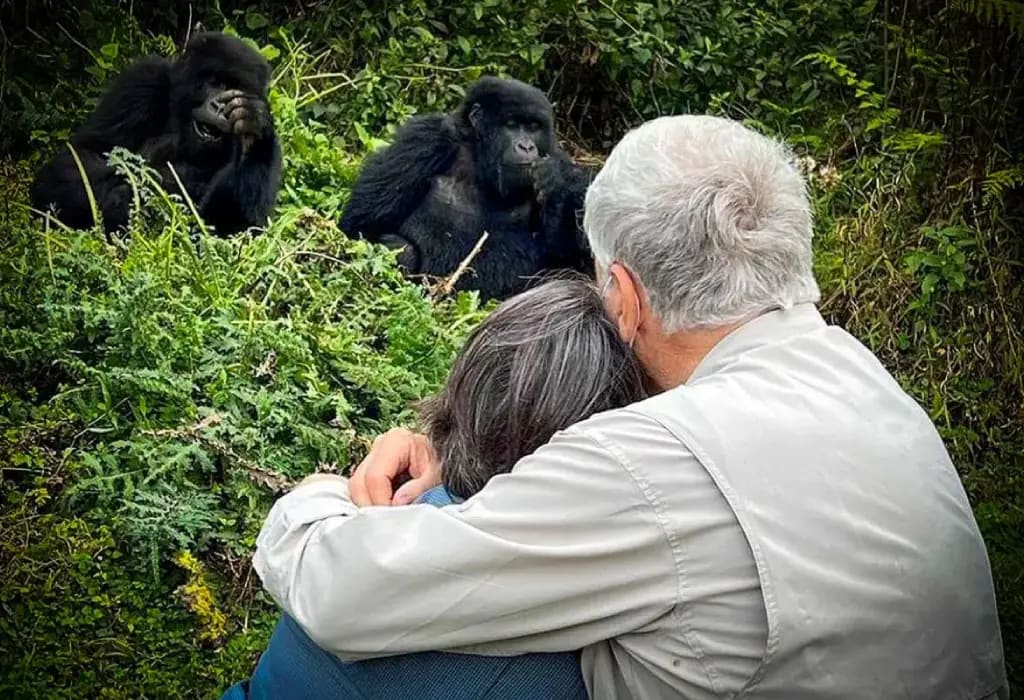
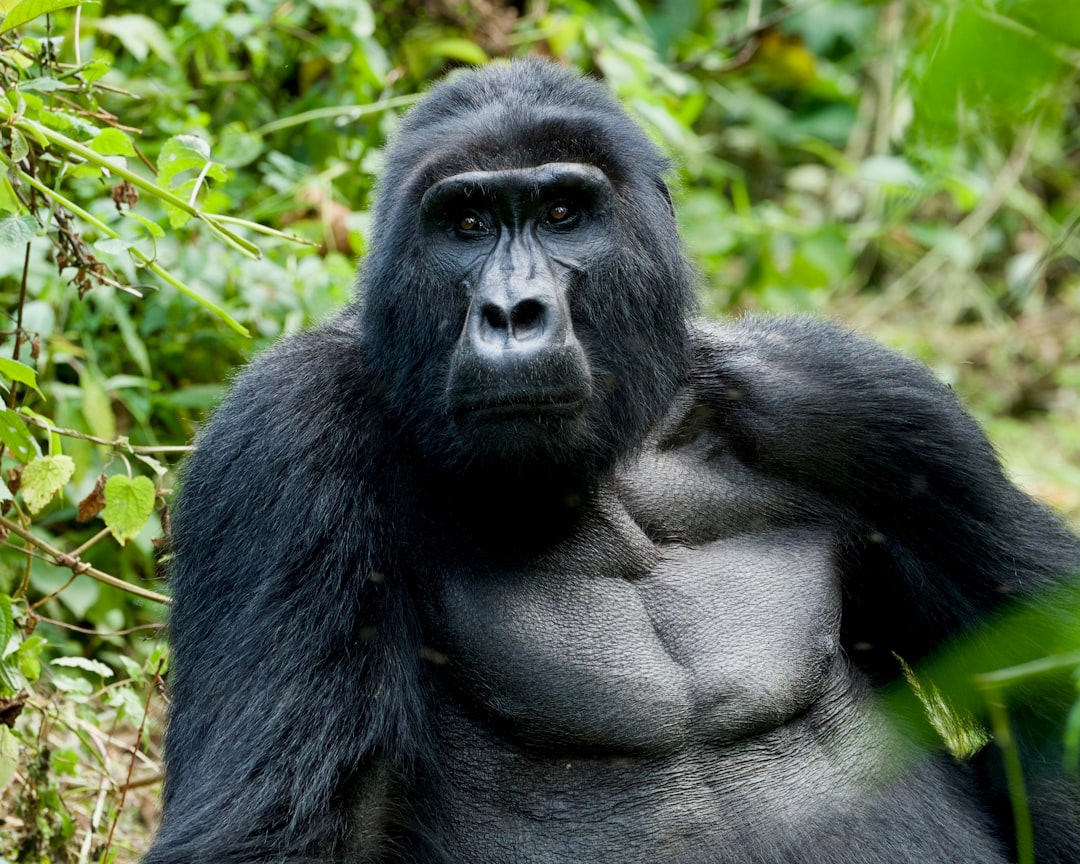
Uganda gorilla safari in June through August 2026 is the peak season for trekking to see endangered mountain gorillas in their natural habitat. This three-month window offers the best weather conditions, with dry trails and sunny skies that make hiking safer and more enjoyable. Gorilla trekking in Uganda costs $800 per person for a standard one-hour encounter with a habituated mountain gorilla family, making it the most affordable gorilla experience in Africa compared to Rwanda's $1,500 permit fee .
June, July, and August represent the long dry season in Uganda. These months are widely considered the best time for gorilla trekking in Uganda, with conditions near perfect for hiking through dense rainforest . The trails are firm underfoot, visibility is excellent, and weather disruptions are rare. This is also the busiest and most expensive time to visit, so permits and accommodations sell out months in advance.
Uganda's gorilla trekking happens primarily in two locations: Bwindi Impenetrable National Park and Mgahinga Gorilla National Park. Both parks protect endangered mountain gorillas and offer authentic wilderness experiences. The trek itself typically takes 2–8 hours depending on where gorilla families are located on any given day. Visitors hike through misty forests, cross streams, and navigate steep terrain to reach these remarkable primates.
Why June–August Matters for Your Trip
Peak season timing affects everything: permit availability, accommodation costs, guide quality, and wildlife viewing success. During June–August, gorilla habituation success rates are high because dry conditions keep animals predictable and accessible. Your chance of seeing gorillas increases significantly compared to wetter months.
However, peak season also means crowded trails, higher prices, and the need to book well ahead. Many travelers compete for limited daily permits (only 88 visitors per day in Bwindi). If you're flexible on dates, consider reading our guide on Uganda Safari Cost 2026: Gorilla Treks vs Game Drives to understand shoulder season alternatives that offer better value.
Peak Season Weather and Trail Conditions
June through August delivers optimal trekking weather. Daytime temperatures range from 15–20°C (59–68°F) in the mornings to 20–25°C (68–77°F) by afternoon. Rainfall is minimal, with only occasional light showers. This dry spell transforms muddy forest paths into firm, navigable trails .
Trail conditions during peak season are near perfect. Hikers encounter fewer slippery sections, clearer sightlines through vegetation, and safer footing on steep slopes. Morning mist still blankets the forests, creating dramatic photography opportunities. Visibility is excellent for spotting gorillas and other wildlife.
Bwindi Impenetrable National Park sits at elevations between 1,160 and 2,607 meters. Mgahinga Gorilla National Park reaches 3,474 meters at Mount Muhabura. Both locations experience cool mornings and evenings. Pack layers: a waterproof jacket, thermal base layers, and a fleece are essential. Sturdy hiking boots with good ankle support are non-negotiable.
What to Expect on Trek Days
Your trek starts early, usually 7:00 or 8:00 AM. You'll hike with a ranger, guide, and porter (porters are recommended and customary). The forest is dense, steep, and muddy even in dry season. Hikes typically last 3–6 hours, though some reach 8 hours depending on gorilla location. Your reward is watching gorillas feed, interact, and rest in their family groups.
After the trek, rest days are common in 7-day packages. These allow acclimatization and recovery. Many packages include game drives in Queen Elizabeth National Park or visits to other attractions like Kazinga Channel boat safaris.
Cost Breakdown for June–August 2026
A Uganda gorilla safari in peak season requires budgeting for permits, accommodation, guides, and transport. The gorilla permit alone costs $800 per person in 2026, non-refundable and valid for one trek only . This is the single largest expense. A 7-day safari package typically ranges from $2,500–$4,500 per person depending on accommodation grade and included activities .
| Cost Component | Budget (per person) | Mid-Range (per person) | Luxury (per person) |
|---|---|---|---|
| Gorilla permit | $800 | $800 | $800 |
| Accommodation (7 nights) | $700–$1,000 | $1,200–$1,800 | $2,000–$3,500 |
| Guides and transport | $400–$600 | $600–$900 | $900–$1,200 |
| Meals and activities | $300–$500 | $500–$800 | $800–$1,500 |
| Total (7 days) | $2,200–$2,900 | $3,100–$4,300 | $4,500–$7,000 |
Peak season pricing is 20–30% higher than shoulder seasons. Permits don't fluctuate, but accommodation and tour operator markups increase due to demand. Budget travelers can find 7-day packages starting around $2,500, while luxury lodges with private guides and exclusive experiences cost $4,500–$7,000.
For detailed breakdowns and comparisons between budget and luxury options, explore Uganda Gorilla Safari Cost 2026: Budget vs Luxury Treks. You can also compare your options using Uganda Safari Packages 2026: 7-Day Tours $1,800–$4,500 to find verified operators with authentic reviews.
How to Book Your June–August 2026 Gorilla Safari
Booking a Uganda gorilla safari during peak season requires planning 3–6 months ahead. Permits sell out quickly, and the best accommodations fill fast. Start by choosing your travel dates within June–August, then work backward to secure a gorilla permit through a licensed tour operator.
Step 1: Choose Your Location
Bwindi Impenetrable National Park hosts the majority of Uganda's mountain gorillas (about 400 individuals). Mgahinga Gorilla National Park has a smaller population (about 80 gorillas). Both offer authentic trekking experiences. Bwindi has more habituated families and higher gorilla encounter success rates. Mgahinga offers a quieter experience with stunning views of three volcanoes.
Step 2: Work with Verified Operators
Never attempt to book permits independently. Gorilla permits must be purchased through the Uganda Wildlife Authority or licensed tour operators. SafariFind connects you with verified operators who handle permit applications, accommodation, transport, and guides. Read authentic traveler reviews before committing.
Our guide to Uganda Safari Operators 2026: How to Pick Verified & Safe explains what to look for: proper licensing, experience with gorilla treks, professional guides, and transparent pricing. Compare operators on SafariFind by reading reviews and requesting quotes.
Step 3: Confirm Dates and Pay Deposits
Once you select your operator, confirm your specific travel dates. Deposits typically range from 25–50% of the total cost. The operator applies for your gorilla permit and books accommodation. Full payment is usually due 30 days before departure. Permit confirmation usually arrives 2–4 weeks before your trek.
Step 4: Prepare Physically and Logistically
Gorilla trekking is physically demanding. Start a fitness routine 8–12 weeks before your trip. Focus on hiking, leg strength, and cardiovascular endurance. Acclimatize to altitude gradually by spending your first day in Kampala or a lower elevation.
Arrange travel insurance that covers gorilla trekking activities. Obtain required vaccinations (yellow fever is mandatory for Uganda entry). Pack appropriate gear: waterproof jacket, hiking boots, thermal layers, and a camera with a good telephoto lens.
What Wildlife You'll See Beyond Gorillas
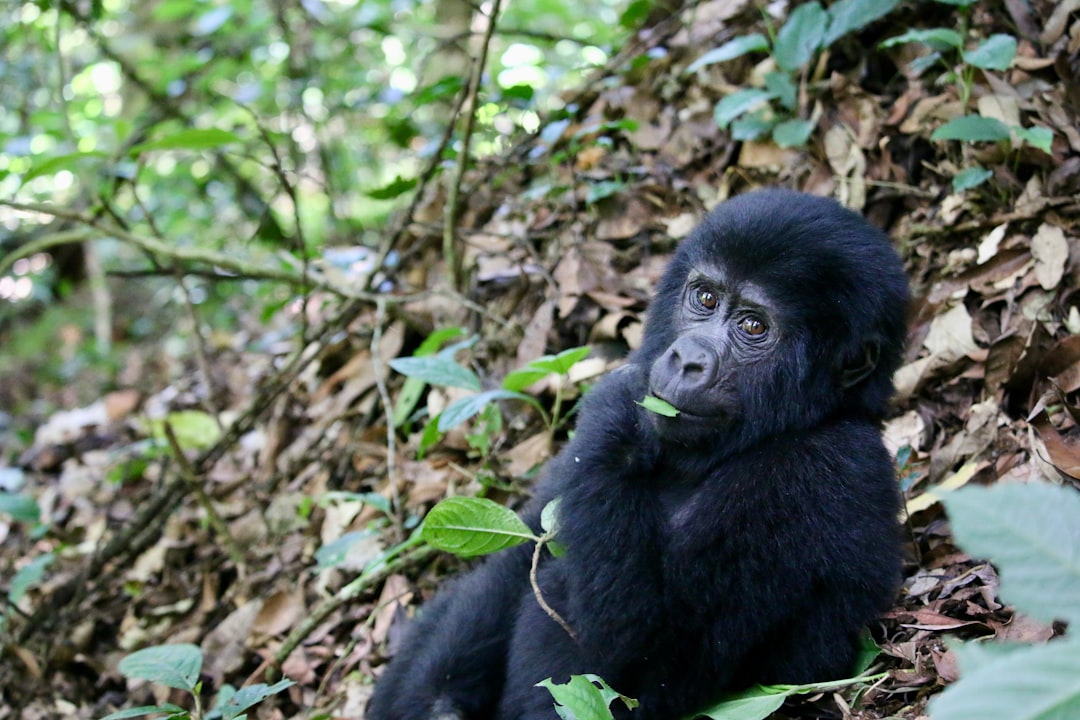
Bwindi and Mgahinga are biodiverse ecosystems hosting 120+ mammal species and over 350 bird species. While gorillas are the main attraction, the forests teem with other remarkable wildlife. You'll encounter multiple primate species, forest elephants, buffalo, and rare birds during your 7-day safari.
Primate Encounters
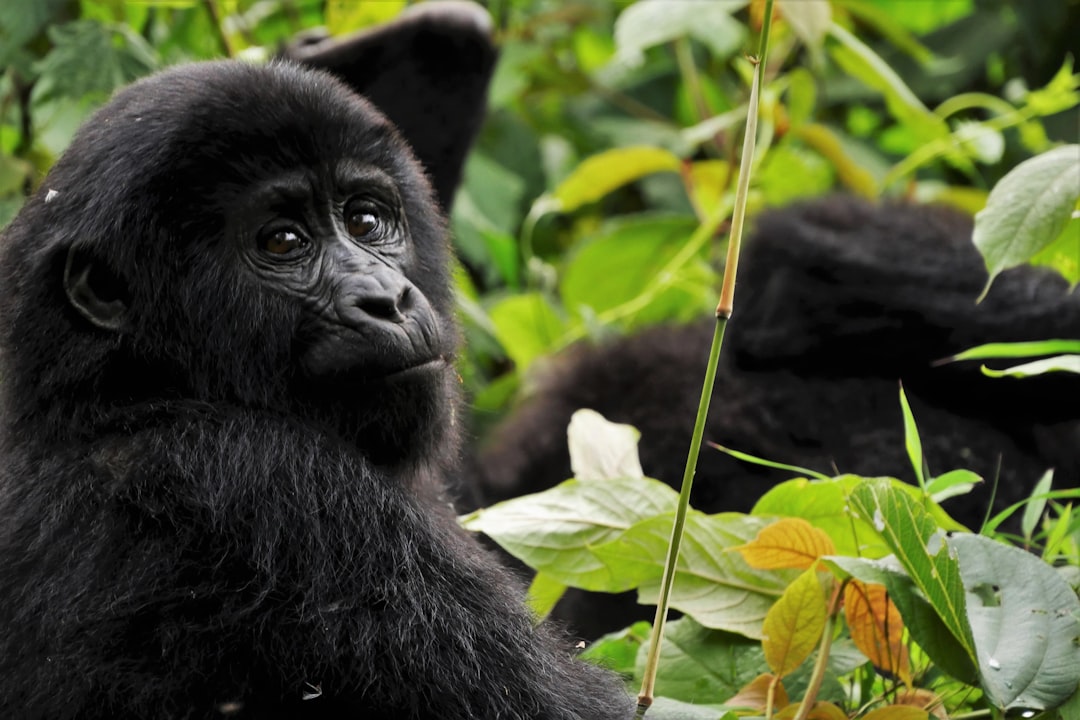
Mountain gorillas are the headline, but you'll also see chimpanzees, L'Hoest's monkeys, red-tailed monkeys, and blue monkeys. Habituation allows relatively close observation. Chimpanzees are particularly active in early mornings and late afternoons. Bwindi hosts semi-habituated chimp groups that you can track separately from gorilla treks.
Large Mammals
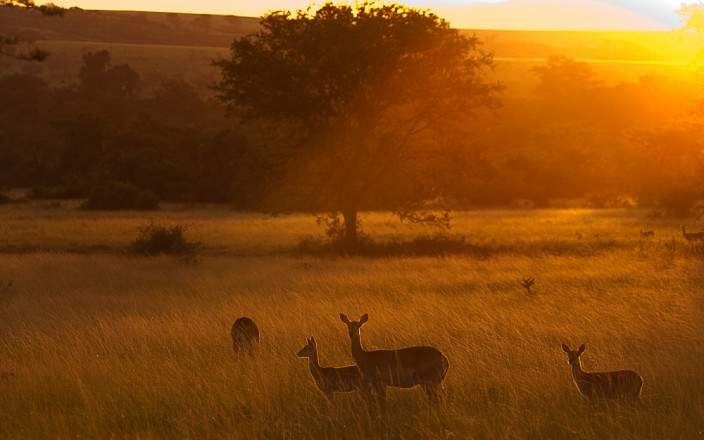
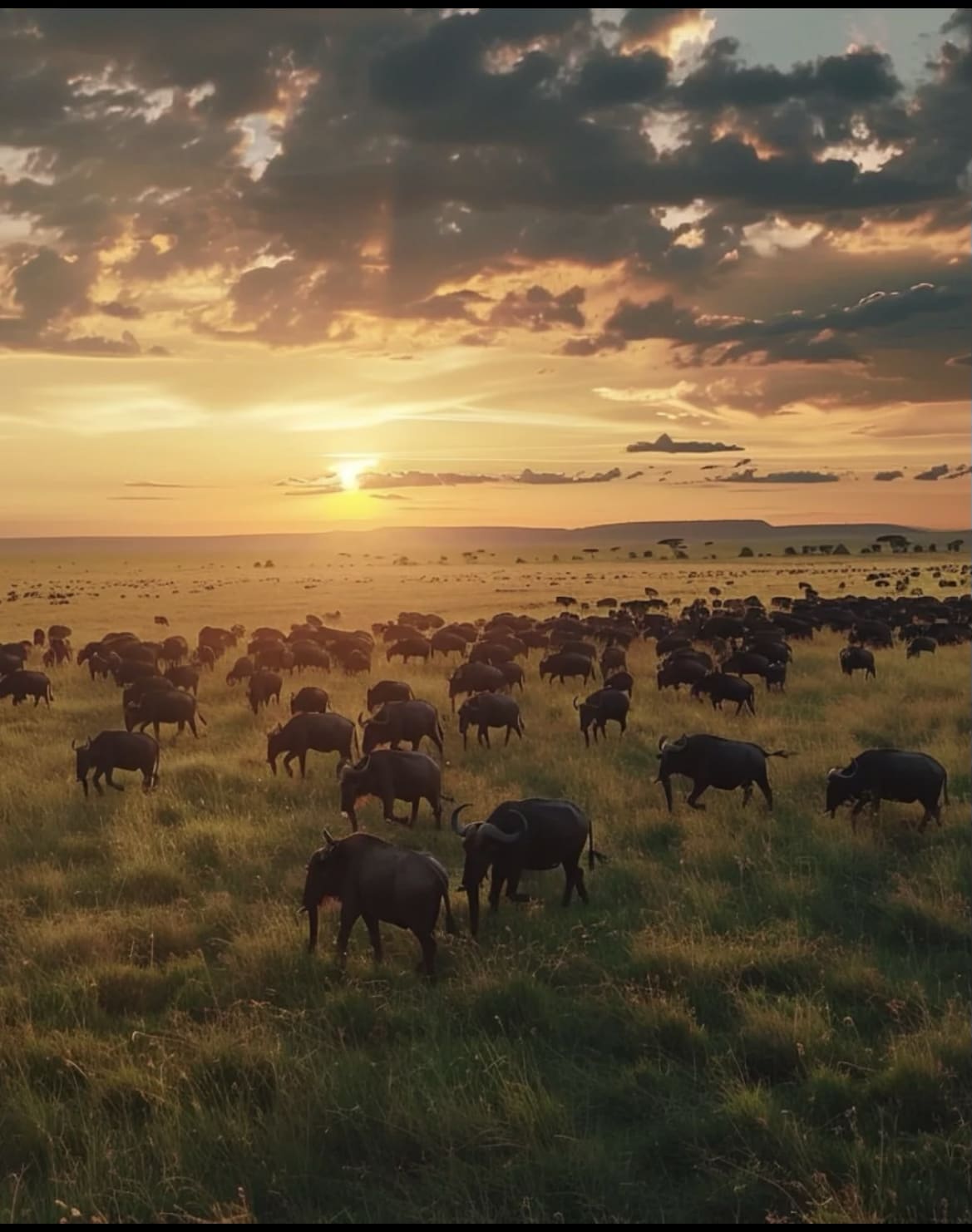
Forest elephants roam Bwindi's higher elevations. Sightings are less common than in open savannas, but fresh tracks and dung indicate their presence. Buffalo, bushbuck, and duikers are frequently spotted. Nocturnal species like bush pigs, civets, and genets are heard more often than seen, though night walks sometimes reveal them.
Birdwatching Opportunities
Bwindi is an Important Bird Area with 350+ recorded species. June–August brings migratory species from Europe. Rare endemics include the Rwenzori turaco, Dusky-blue flycatcher, and Montane nightjar. Birdwatchers should bring binoculars and a field guide. Many operators offer early morning birding walks before gorilla treks.
For comprehensive details on wildlife across Uganda's parks, read Uganda Safari Animals: What You'll See in Each Park 2026.
Best Practices for a Successful Trek
Success on a gorilla trek depends on preparation, fitness, and following ranger instructions. Here are essential practices that maximize your experience and protect the gorillas.
Physical Preparation
Start training 8–12 weeks before your trek. Hike on hills or stairs regularly. Build leg strength with squats and lunges. Practice walking in boots on varied terrain. Acclimatize to altitude by arriving in Uganda 2–3 days early. Sleep at 1,500+ meters elevation to adjust to trekking heights.
Follow Gorilla Encounter Rules
When you reach a gorilla family, maintain 7 meters distance. Stay quiet and move slowly. Never make direct eye contact with gorillas—they perceive it as threatening. If a gorilla charges, crouch down and avoid running. Follow your ranger's instructions immediately. Keep your one-hour encounter to the allocated time. Photography is allowed, but use telephoto lenses rather than approaching closer.
Respect the Environment
Pack out all trash. Don't pick plants or flowers. Stay on marked trails. Use the toilet facilities provided at the park. Avoid touching vegetation that gorillas eat. Minimize noise and sudden movements. These practices protect the ecosystem and ensure gorillas remain habituated to human presence safely.
Hire a Local Porter
Porters are recommended and customary. They carry supplies, assist on steep sections, and provide employment to local communities. Budget $15–25 per day for a porter. This small investment significantly improves your comfort and supports conservation efforts.
Getting to Bwindi and Mgahinga in 2026
Uganda's gorilla parks are remote. Most visitors fly into Kampala's Entebbe International Airport, then travel to the parks by domestic flight or road. Journey times vary, but plan 1–2 days of travel within Uganda before reaching the gorilla forests.
Domestic Flight Option (Fastest)
Daily flights connect Kampala to Bwindi (Kayabwe Airstrip) and Mgahinga. Flight time is 1.5 hours. Cost is $300–500 per person round-trip in 2026. This option saves time and reduces fatigue, ideal for tight schedules or older travelers. Your tour operator books flights as part of your package.
Road Transfer Option (Budget-Friendly)
Driving from Kampala to Bwindi takes 8–10 hours via Fort Portal and Mbarara. The route covers 530 kilometers on a mix of paved and unpaved roads. Road transfers cost $150–300 per person and are included in most tour packages. Operators provide comfortable 4x4 vehicles with experienced drivers. Overnight stops in Fort Portal or Mbarara break up the journey.
Combining Options
Many packages fly you to Bwindi but drive back to Kampala, spreading the journey across your trip. This reduces fatigue on your heaviest trekking days.
Key Takeaways
- Book 3–6 months ahead for June–August gorilla permits to secure your preferred dates and accommodations before they sell out.
- Budget $800 for the gorilla permit plus $2,500–$4,500 for a 7-day package in 2026, with peak season pricing 20–30% higher than shoulder months.
- Pack waterproof gear and sturdy hiking boots for muddy forest trails, even during the dry season—morning mist and forest moisture persist year-round.
- Start physical training 8–12 weeks before your trek with hill hiking and leg-strengthening exercises to handle 3–8 hour daily hikes on steep terrain.
- Hire a local porter for $15–25 per day to improve comfort, support local communities, and ensure a safer, more enjoyable trekking experience.
Frequently Asked Questions
What is the gorilla permit cost in Uganda for 2026?
The gorilla permit costs $800 per person in Uganda for 2026, valid for one one-hour trek with a habituated mountain gorilla family. This is the most affordable gorilla permit in Africa—Rwanda charges $1,500 and Congo charges $400. Permits are non-refundable and must be purchased through licensed tour operators or the Uganda Wildlife Authority .
Why is June–August the best time for gorilla trekking?
June, July, and August represent Uganda's long dry season with minimal rainfall, firm hiking trails, and excellent visibility. Conditions are near perfect for trekking through dense rainforest. This is also when gorillas are most predictable and accessible due to stable weather patterns. However, it's also the busiest and most expensive season, so book early .
How physically demanding is a gorilla trek?
Gorilla treks are moderately to strenuous hikes lasting 3–8 hours depending on gorilla location. You'll navigate steep terrain, muddy paths, and dense vegetation at elevations between 1,160 and 2,607 meters. Most fit adults can complete a trek, but preparation is essential. Start training 8–12 weeks ahead with hill hiking and leg-strengthening exercises.
How many days do I need for a Uganda gorilla safari?
A 7-day safari is ideal for a complete gorilla experience. This allows one full day for the trek, acclimatization time, and additional activities like game drives in Queen Elizabeth National Park or visits to other attractions. Some travelers do 5-day packages (permit + travel days only), but 7–10 days provides better value and less rushed experiences.
Can I book a gorilla permit without a tour operator?
No. Gorilla permits must be purchased through the Uganda Wildlife Authority or licensed tour operators. Individual bookings are not possible. Working with a verified operator also ensures proper accommodation, transport, guides, and support. SafariFind lists verified operators with authentic reviews—request quotes and compare packages to find the best fit for your budget and preferences.
What should I pack for a June–August gorilla trek?
Pack waterproof jacket, fleece, thermal base layers, sturdy hiking boots, gaiters, hat, gloves, and a camera with telephoto lens. Temperatures range 15–25°C (59–77°F). Bring insect repellent, sunscreen, and medications. Even in dry season, the forest is wet from morning mist and vegetation. Most operators provide a packing list—follow it closely to ensure comfort on the trail.
Where can I find verified Uganda gorilla safari operators?
SafariFind connects you with licensed, verified tour operators offering gorilla packages. Browse packages, read authentic traveler reviews, compare prices, and request quotes directly from operators. Check ratings and review counts to ensure reliability. Our Uganda Safari Operators 2026 guide explains what to look for in a reputable operator.
Conclusion
Uganda gorilla safari in June–August 2026 offers the best combination of weather, gorilla accessibility, and wildlife viewing in East Africa. The long dry season delivers firm trails, sunny skies, and excellent hiking conditions. A gorilla permit costs $800 per person, and 7-day packages range from $2,500–$4,500 depending on accommodation and included activities . This is peak season, so book 3–6 months ahead to secure permits and accommodations.
Success depends on physical preparation, working with verified operators, and respecting gorilla encounter protocols. Start training 8–12 weeks before your trek. Pack appropriate gear for cool, wet forest conditions. Hire a porter to support local communities and improve your comfort. Beyond gorillas, you'll encounter chimpanzees, forest elephants, rare primates, and over 350 bird species in biodiverse Bwindi and Mgahinga forests.
SafariFind simplifies your planning by connecting you with licensed tour operators, authentic traveler reviews, and transparent pricing. Compare verified packages on SafariFind today to find your perfect gorilla safari. June–August 2026 awaits—don't miss this transformative wildlife experience. Request quotes from multiple operators, read reviews, and book with confidence knowing you're supporting verified, professional guides dedicated to gorilla conservation.
Plan Your Safari with SafariFind
These recommendations use real data from SafariFind, where you can compare operators, browse packages, and read verified traveler reviews before you book.
Recommended Safari Operators from SafariFind
Recommended Safari Packages from SafariFind
What Travelers Say (SafariFind Reviews)
References
- Gorilla Trekking in Africa Cost & Guide, Uganda, Rwanda & Congo—Africa Tour Operators
- Best Time for Gorilla Trekking in Uganda (2026 Guide)—Duma Explorer
- Uganda Safari Seasons: Best Time to Visit (2026 Guide)—Enjobe Safaris
- Gorilla Trekking in Uganda 2026: Complete Guide for US Travelers—Gorilla Uganda Safaris
- Which Month is Best for Gorilla Trekking in Uganda? 2026 Weather Guide—Safari Go
- Best Time to Visit Uganda for Safari in 2026—Voyage Balquees Uganda
- Gorilla Trekking in Uganda & Rwanda, Tour Costs, Gorilla Safaris Africa 2026—Bwindi Forest National Park
- Best Months for Gorilla Trekking in 2026: Uganda & Rwanda Guide—Munda Africa Adventures
Sources
- Gorilla Trekking in Africa Cost & Guide, Uganda, Rwanda & Congo—Africa Tour Operators
- Best Time for Gorilla Trekking in Uganda (2026 Guide)—Duma Explorer
- Uganda Safari Seasons: Best Time to Visit (2026 Guide)—Enjobe Safaris
- Gorilla Trekking in Uganda 2026: Complete Guide for US Travelers—Gorilla Uganda Safaris
- Which Month is Best for Gorilla Trekking in Uganda? 2026 Weather Guide—Safari Go
- Best Time to Visit Uganda for Safari in 2026—Voyage Balquees Uganda
- Gorilla Trekking in Uganda & Rwanda, Tour Costs, Gorilla Safaris Africa 2026—Bwindi Forest National Park
- Best Months for Gorilla Trekking in 2026: Uganda & Rwanda Guide—Munda Africa Adventures
Related to
Ready to start your safari adventure?
Explore curated safari packages and find your perfect African adventure with verified operators.