What to Pack and Wear for Kenya in 2026
Pack lightweight, breathable layers in neutral colours, a warm layer for early game drives, comfortable closed shoes and a soft-sided bag. Some Kenyan light-aircraft routes limit total luggage to 15 kg, including carry-on, so confirm the allowance with your operator before departure.
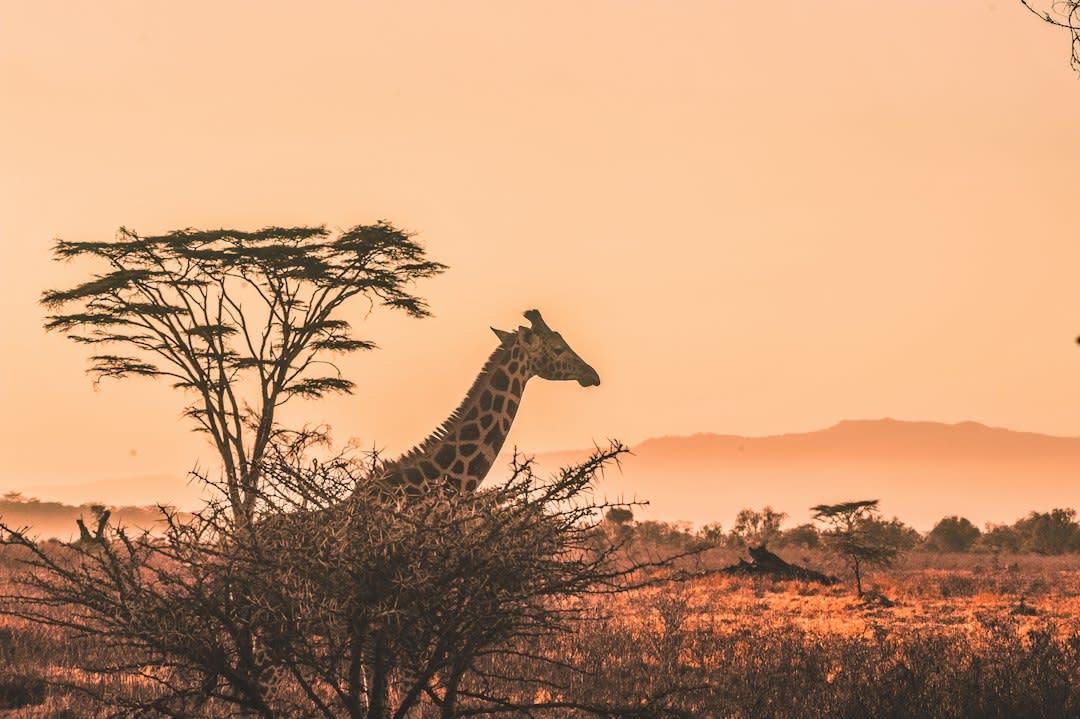
Last checked September 2026: always confirm with official sources and your safari operator before travelling. For Kenya safari packages, pack lightweight clothes that you can layer, neutral colours such as khaki, beige, olive and brown, comfortable closed shoes, sun protection, insect repellent and a warm jacket for early mornings. If your itinerary uses a light aircraft, a soft-sided bag is usually required and a 15 kg total allowance, including carry-on, is typical on some Kenyan routes. Confirm the exact limit before you pack.
Quick answer: what should you pack for a Kenya safari?
The practical answer is to pack less than you think, then use layers. Most safari days move from chilly early mornings to warmer late mornings and midday, so a long-sleeved shirt, light trousers, fleece or sweater and windproof jacket work better than one heavy outfit. Camps and lodges often offer laundry, which makes a small wardrobe realistic.
- Choose loose, lightweight and breathable clothing in khaki, beige, olive, green or brown.
- Pack long sleeves and long trousers for sun, dust and insects, especially during game drives.
- Bring a fleece, sweater or light jacket for early morning and evening drives.
- Take comfortable closed shoes or trainers. Hiking boots are usually unnecessary for vehicle-based safaris unless your itinerary includes longer walks or wet, rocky ground.
- Use a soft-sided duffel if you are flying between camps. A 15 kg total limit, including carry-on, is typical on some Kenyan light-aircraft routes, but your airline and operator set the actual allowance.
- Leave camouflage or military-pattern clothing at home. It may be considered unlawful in East Africa.
Bright colours are not forbidden on a vehicle safari, but neutral shades are the simplest choice for game viewing and bush walks. White clothes show dust quickly, while black can feel hot in strong sun. The research supports neutral, pale or earth-toned clothing as the practical default.
What should you wear on a Kenya safari?
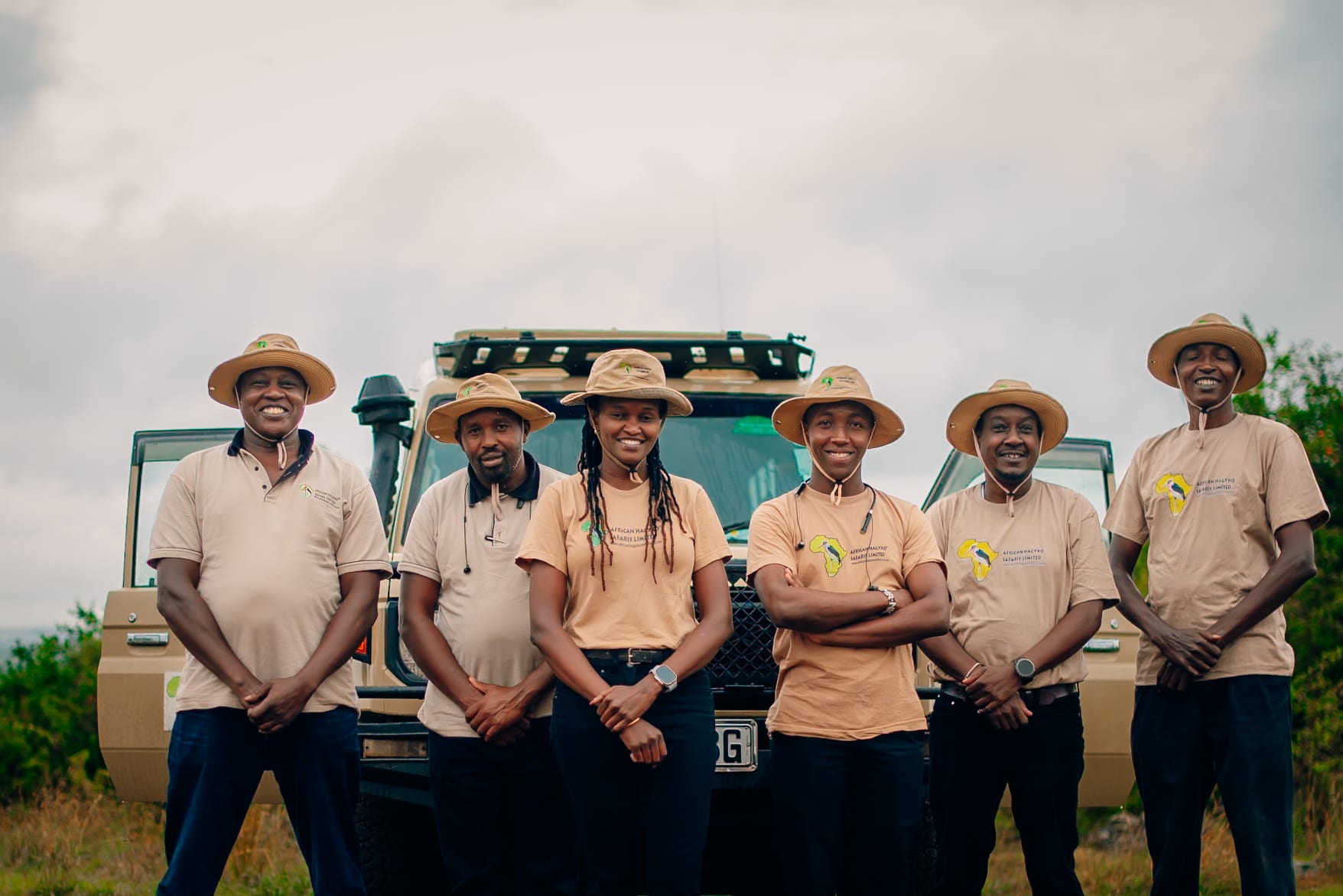
Wear comfortable layers that cover your shoulders and legs when you are in the bush. A useful game-drive outfit is a breathable T-shirt or base layer, a long-sleeved shirt, lightweight trousers, socks, a fleece or sweater and a light windproof jacket. Remove layers as the day warms up.
Shorts and T-shirts are suitable for warm afternoons at a lodge, but long sleeves and trousers give better protection from sun and insects. Zip-off trousers can reduce the number of separate garments in your bag. Jeans are possible, but they are heavier, hotter and slower to dry than lightweight trousers.
For footwear, worn-in trainers, walking shoes or light hiking shoes are enough for many game-drive itineraries. Add waterproof hiking boots only if your plans include substantial walking, wet ground, rocky terrain or another activity that needs them. Sandals are useful at camp or on the coast, but they should not replace closed shoes for bush activities.
What to wear in Kenya in August
In August, use the same layered safari system: lightweight trousers, a long-sleeved shirt, a warm fleece or sweater and a windproof jacket for early drives. The research does not provide a reliable month-by-month temperature table, so confirm expected conditions for your route and accommodation before departure.
What to pack for a Kenya safari in August
Pack breathable daytime clothes, warm layers for early mornings, comfortable closed shoes, a hat, sunglasses, sunscreen, insect repellent, a reusable water bottle and a small daypack. If you are flying between camps, check the aircraft baggage rules before choosing your luggage.
What to wear in Kenya in September
Pack light, breathable layers for September, with a long-sleeved shirt and a fleece or light jacket available for cool early drives. Because the supplied research does not establish a precise September forecast for every Kenyan region, check the weather for your specific parks, Nairobi stay and any coastal extension.
What to pack for a Kenya safari in September
A September safari packing list should include two or more lightweight trousers, long-sleeved shirts, T-shirts, a warm layer, a windproof jacket, socks, closed shoes, sun protection and insect repellent. Pack a small amount of evening wear if you will stay in Nairobi or at a lodge with a more formal dining setting.
What to pack for a Kenya safari in July
For July, pack warm layers for early game drives as well as cool daytime clothing. A fleece, sweater or windproof jacket can go over a long-sleeved shirt, while lightweight trousers and breathable tops help when temperatures rise later in the day. Confirm conditions with your operator because Kenya includes several regions and altitudes.
What to wear in Kenya in July
Wear layers in July: a long-sleeved base layer, trousers, warm fleece or sweater and a jacket for the morning, with lighter clothing available later. Comfortable closed shoes, a hat and sunglasses are useful for safari vehicles and lodge grounds.
What to pack for Kenya in June
For a June trip, pack lightweight daytime clothing plus a fleece, sweater or light jacket for early mornings and evenings. The available research does not support a single national June weather rule, so check the forecast for each stop rather than packing for one assumed climate.
What to wear in Kenya in June
Wear breathable trousers or shorts during warmer parts of the day, then add long sleeves and a warm layer when temperatures drop. For towns and cultural visits, choose clothing that covers the shoulders and knees more reliably than typical beachwear.
What to pack for a Kenya safari in October
Pack quick-drying, lightweight layers, long sleeves, trousers, a light rain jacket, closed shoes and insect repellent for an October safari. The supplied research recommends a waterproof light rain jacket but does not give a dependable October rainfall forecast for every destination, so check your route before deciding how much rain gear to bring.
What to wear in Kenya in October
Wear lightweight clothes that can handle warm conditions, with long sleeves and trousers for sun and insects. Keep a light rain jacket and a warm layer accessible rather than buried in your luggage.
What to pack for Kenya in February
For February, pack breathable tops, lightweight trousers or shorts, a long-sleeved shirt, sun protection, insect repellent and comfortable closed shoes. Add a light jacket if you will take early drives or visit higher areas, and confirm the forecast for your route because the research does not provide a single February packing rule for all of Kenya.
What to wear in Kenya in February
Wear loose, breathable clothing during warm parts of the day and keep a long-sleeved layer available for sun protection, insects and cooler mornings. Shorts and sleeveless tops may suit a lodge or beach setting, but more covering clothes are a better choice in towns, villages and cultural sites.
What to pack in Kenya in November
Pack lightweight layers, a light rain jacket, closed shoes, insect repellent and a small daypack for November. The research mentions April and November as months when a light rain jacket is useful, but it does not give a destination-specific November forecast, so check each part of your itinerary.
What to wear in Kenya in November
Wear breathable clothes that cover your shoulders and legs when you are outside the lodge, and keep a rain layer within reach. Quick-drying fabrics are practical if you expect wet conditions or plan to wash clothes during the trip.
What to pack for Kenya in December
For December, pack lightweight safari clothing, a long-sleeved shirt, comfortable trousers, a light jacket, sun protection, insect repellent and closed shoes. Confirm local weather and any walking requirements with your operator because the supplied research does not support one December list for every Kenyan destination.
What to wear in towns and cultural areas
Kenya has no single clothing rule for every visitor, but modest dress is respectful and useful outside safari vehicles. In towns, markets, villages and religious sites, choose loose clothing that covers the shoulders, chest and knees. Women can wear loose trousers, knee-length or longer skirts, dresses with sleeves, or a light layer over a sleeveless top.
Nairobi and Mombasa are cosmopolitan, yet modest clothing still works well for ordinary public spaces. Beach swimwear belongs on the beach or at the pool, not when walking through town. Topless bathing is not permitted at Kenyan beaches, including Mombasa, Malindi, Watamu, Kilifi and Lamu.
At a lodge or a beach resort, a simple dinner outfit is enough. Pack one neat dress, trousers with a smart top, or a clean collared shirt. Formalwear is not needed for most safari itineraries, although a nicer outfit can be useful for Nairobi dinners or an upmarket lodge.
For women asking what to wear in Kenya as a woman, loose trousers, breathable tops with sleeves, a light scarf and a knee-covering skirt or dress give you flexibility. For anyone asking what to wear in Kenya safari for ladies, the priority is comfort, sun protection and layers rather than a special safari uniform.
What luggage limits apply on Kenyan light aircraft?
Some Kenyan light-aircraft routes use a 15 kg total baggage allowance, including carry-on, and commonly require soft-sided bags. That figure is not universal, so ask your operator or airline for the allowance on every internal flight before booking or packing.
A soft duffel fits small aircraft holds more easily than a rigid suitcase. If you have excess luggage, ask whether it can be stored in Nairobi before your flight into the parks. Porini's guidance specifically refers to secure storage at its Wilson Airport office, but storage arrangements depend on the operator and itinerary.
Keep essential medication, travel documents, valuables and one complete change of clothes in the bag that stays with you. This is sensible protection if checked luggage is delayed, but do not assume that a separate cabin bag sits outside the weight limit. On some routes, it does not.
For more detail on vehicle transfers and internal flights, read how to get around Kenya on safari before you finalise your luggage.
Gear, health and document checklist
- Passport, visa or entry documents, flight details, travel insurance information and copies of important documents.
- Prescription medicine in your hand luggage, plus any personal first-aid items you normally use. The supplied research recommends carrying vital medication but does not specify a medical kit for every traveller.
- Wide-brimmed hat, sunglasses and high-protection sunscreen for long periods outdoors.
- Insect repellent, long sleeves and long trousers, particularly for dawn and dusk.
- Reusable water bottle. Single-use plastic bottles and straws are banned in national parks according to the supplied Kenya travel guidance.
- Small daypack containing water, sunscreen, insect repellent, medication, snacks, a light jacket and a camera or phone.
- Binoculars, camera batteries, memory cards, charging cables and a headlamp or flashlight for camp use.
- Swimwear for lodges or the coast, plus a cover-up for walking away from the pool or beach.
Kenya uses electrical sockets and mobile networks that may differ from your home country. Check the current details for plugs, connectivity and eSIMs in this Kenya SIM, eSIM, Wi-Fi and plugs guide.
What not to bring to Kenya
- Do not pack camouflage or military-pattern clothing. The supplied safari guidance says it may be considered unlawful in East Africa.
- Do not rely on a hard suitcase if your itinerary includes a small aircraft. Confirm the airline's bag shape and weight rules first.
- Do not pack a large wardrobe. Laundry is available at many camps and lodges, although the service and items accepted vary.
- Do not bring single-use plastic carrier bags. The supplied Kenya guidance says the country banned single-use plastics in 2017 and that luggage may be scanned.
- Do not pack valuable or sentimental jewellery unless you are prepared to manage it carefully. Simple jewellery is more practical for dusty travel and outdoor activities.
- Do not count on formal clothing for a safari. One neat outfit is generally enough for dinners or city evenings.
Printable checklist for Kenya
Use this list as a starting point, then adjust it to your trip length, laundry access, flight rules and activities.
- 3 lightweight long-sleeved shirts
- 2 breathable T-shirts or casual tops
- 2 pairs of lightweight trousers or chinos
- 1 pair of shorts or zip-off trousers
- 1 fleece, sweater or warm mid-layer
- 1 windproof or light rain jacket
- Underwear and socks for the trip, or enough for hand-washing between laundry services
- Sleepwear and one neat evening outfit
- Swimwear and a cover-up
- Worn-in trainers, walking shoes or light hiking shoes
- Sandals for camp, lodge or beach use
- Wide-brimmed hat, sunglasses and sunscreen
- Insect repellent
- Reusable water bottle
- Small daypack
- Binoculars and camera equipment, if needed
- Prescription medicine and a basic personal first-aid supply
- Passport, entry documents, insurance details and copies
- Soft-sided duffel if your itinerary uses light aircraft
Planning your Kenya safari
Before you book, ask the operator which parks you will visit, whether internal flights are included, what luggage allowance applies and whether laundry is available. Use the trips below to compare itineraries, then review the verified operators below and request quotes for the route that fits your plans. For practical travel preparation, you can also read Kenya safety and travel advice for 2026.
Last checked September 2026. This article is informational, not legal or medical advice. Entry rules, airline baggage policies, park rules and health guidance can change. Always confirm with official sources, your airline and your safari operator before travelling.
Frequently Asked Questions
What to pack for Kenya safari?
Pack lightweight neutral-coloured layers, long-sleeved shirts, breathable trousers, a warm fleece or jacket, comfortable closed shoes, sun protection, insect repellent, medication, a reusable water bottle and a soft-sided bag if you will fly between camps. Some Kenyan light-aircraft routes use a 15 kg total limit including carry-on, so confirm the exact allowance with your operator.
What to wear in Kenya safari?
Wear breathable layers in khaki, beige, olive, green or brown, with long sleeves and trousers for sun and insects. Add a fleece or jacket for early morning drives and use comfortable closed shoes for walking around camp or on short activities.
What to wear in Kenya as a woman?
Wear loose trousers, breathable tops with sleeves, knee-covering skirts or dresses and a light layer such as a scarf. Safari vehicles and lodges are informal, but covering shoulders and knees is a respectful choice in towns, villages and cultural or religious sites.
What to wear in Kenya safari for ladies?
Choose comfortable, lightweight layers rather than special safari clothing: long-sleeved shirts, breathable trousers, a warm layer, closed shoes, a hat and sun protection. Pack swimwear for lodges or the coast, with a cover-up for walking away from the pool or beach.
What to pack for Kenya safari in August?
Pack lightweight safari clothes, long sleeves, trousers, a fleece or sweater, a windproof jacket, closed shoes, sun protection, insect repellent and a daypack. The supplied research does not provide a reliable August forecast for every Kenyan destination, so confirm conditions for your exact route.
What to pack for Kenya safari in July?
Pack warm layers for early drives as well as breathable daytime clothing. A long-sleeved shirt, lightweight trousers, fleece or sweater, windproof jacket, closed shoes and sun protection are a practical starting point.
What to pack for Kenya safari in September?
Pack lightweight trousers, long-sleeved shirts, T-shirts, a warm layer, a windproof jacket, socks, closed shoes, sun protection and insect repellent. Ask your operator about the weather and walking conditions for each park on your itinerary.
What to pack for Kenya safari in October?
Pack breathable layers, long sleeves, lightweight trousers, a light rain jacket, closed shoes, sun protection and insect repellent. The research recommends rain protection but does not give one October forecast for all Kenyan regions, so confirm your route's conditions.
What to pack for Kenya in June?
Pack lightweight daytime clothes plus a fleece, sweater or light jacket for early mornings and evenings. Add closed shoes, sun protection and insect repellent, then check the forecast for each destination because Kenya's regions and altitudes vary.
What to pack for Kenya in November?
Pack lightweight layers, a light rain jacket, closed shoes, insect repellent and a daypack. The supplied research identifies November as a month when a light rain jacket is useful, but you should confirm conditions for your specific destination.
What to pack for Kenya in December?
Pack lightweight safari clothing, long sleeves, comfortable trousers, a light jacket, sun protection, insect repellent and closed shoes. Confirm the weather and activities for each stop because the research does not support one December packing list for every part of Kenya.
What are the luggage limits on Kenya safari flights?
A 15 kg total allowance including carry-on is typical on some Kenyan light-aircraft routes, and soft-sided bags are commonly required. The limit is not universal, so confirm it with your airline or safari operator before you pack.
V2Ui.sources
- What to Pack & Wear for a Kenya-Tanzania Safari 2026/2027/2028
- What To Wear On Safari Essential Clothing and Packing Tips -2026
- Kenya Safari Packing Check List | What to pack on Safari in Kenya & Tanzania
- What Should You Bring for an African Safari? The Essential Carry-On Packing List
- Complete African Safari Packing Guide & Checklist (2026)
- Kenya: What Should I Pack for a Safari?
- Safari Packing Guide | What to Bring for Your Adventure
- Do and dont and what to bring when traveling to Kenya
- What To Pack & Wear In Kenya For Wildlife Safari & Beach Travels
Related to
Ready to start your safari adventure?
Explore curated safari packages and find your perfect African adventure with verified operators.