Why December Through February Is Peak Season for Serengeti Wildlife Photography
Discover Why December Through February Is Peak Season for Serengeti Wildlife Photography - Expert guide to safari tourism and wildlife destinations.
Peak Season for Serengeti Wildlife Photography
Quick Summary: December through February is peak season for Serengeti wildlife photography because newborn animals fill the landscape, predators hunt frequently, and the weather offers perfect shooting conditions. This period transforms the southern Serengeti into a wildlife nursery with dramatic action and stunning green scenery ideal for photographers.
What Makes December-February Peak Season for Serengeti Photography?
Imagine stepping into a wildlife photographer's dream. The southern Serengeti during December through February becomes exactly that. Thousands of newborn calves dot the landscape while hungry predators patrol the plains. The timing makes this the ultimate season for capturing incredible wildlife moments.
The peak season for Serengeti wildlife photography begins in December and runs through February. During these months, the southern Serengeti transforms into a vast nursery. Newborn wildebeest and zebra calves arrive in massive numbers. Meanwhile, predators like lions, cheetahs, and hyenas become more active hunting these vulnerable young animals.
The weather during this period works in your favor as a photographer. Warm, sunny days provide excellent natural light for capturing details. The rains from November create lush green vegetation that contrasts beautifully with wildlife subjects. Clear skies mean fewer missed shots due to heavy clouds or fog.
Photography conditions reach their peak during these three months. Animals congregate in higher densities across the southern plains. Predator-prey interactions happen regularly, creating dramatic photo opportunities. The combination of abundant wildlife and favorable weather makes this the gold standard season for serious photographers.
SafariFind connects photographers with verified tour operators specializing in wildlife photography. These experts know exactly where to find the best action during peak season. They understand lighting, animal behavior, and perfect positioning for your camera work.
Why the Southern Serengeti Becomes a Wildlife Nursery
The southern Serengeti's transformation during December through February stems from rainfall patterns. Rains arrive in November and December, covering the plains in fresh green grass. This new vegetation attracts massive herds of wildebeest and zebras seeking food.
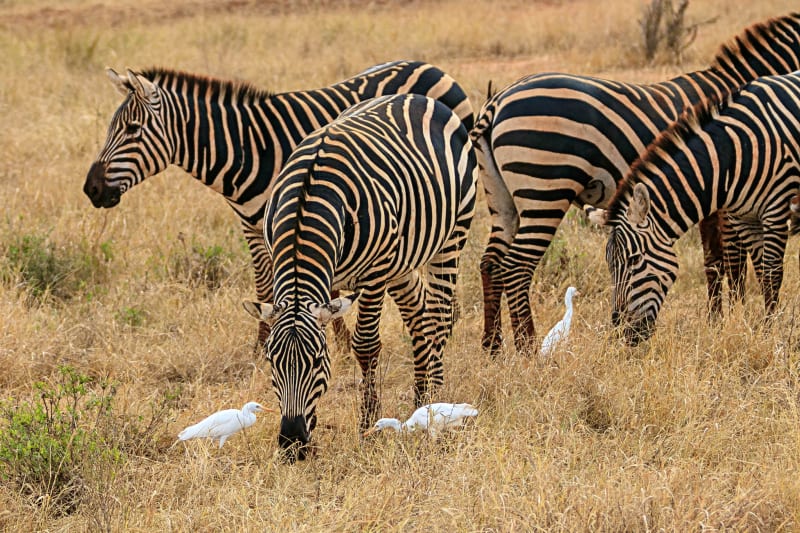
Female wildebeest and zebras time their births to coincide with peak grass availability. Between December and February, hundreds of thousands of calves are born. This concentration of newborns creates unprecedented wildlife photography opportunities. You'll witness the cycle of life and death play out across the plains daily.
The green landscape provides stunning backdrops for your photographs. Unlike the dry season when everything appears brown and dusty, this period offers vibrant colors. Young animals stand out sharply against the emerald grass. Predators become easier to spot as they hunt through the lush terrain.
This timing is no accident. Nature has evolved to maximize survival chances for young animals. The abundance of fresh grass ensures mothers can produce rich milk for nursing calves. Predators know this too, which is why they concentrate their hunting efforts during these months.
Understanding this natural cycle helps photographers anticipate action. Knowing where calves will be born and when predators will hunt allows you to position yourself perfectly. Tour operators familiar with these patterns can guide you to the best locations.
Predator Activity and Dramatic Wildlife Encounters
Lions, cheetahs, and hyenas feast during peak season. The abundance of vulnerable calves creates an easy food source for hungry predators. This means you'll witness hunts, kills, and feeding frenzies regularly throughout December through February.
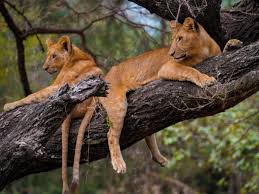
Lion prides become particularly active during this period. Mothers with cubs need to feed their families constantly. The availability of easy prey means more successful hunts. You might photograph dramatic moments when lions coordinate attacks or defend kills from hyenas.
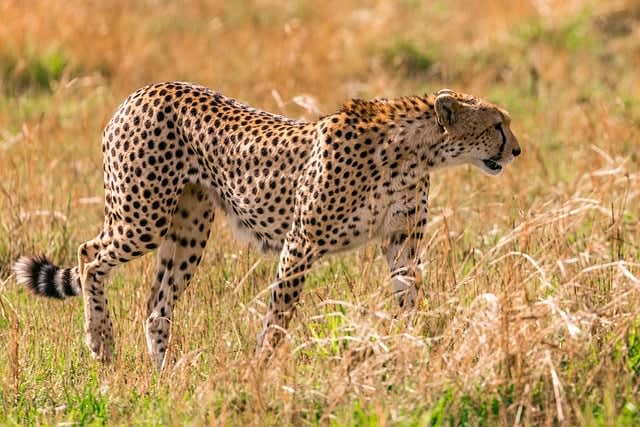
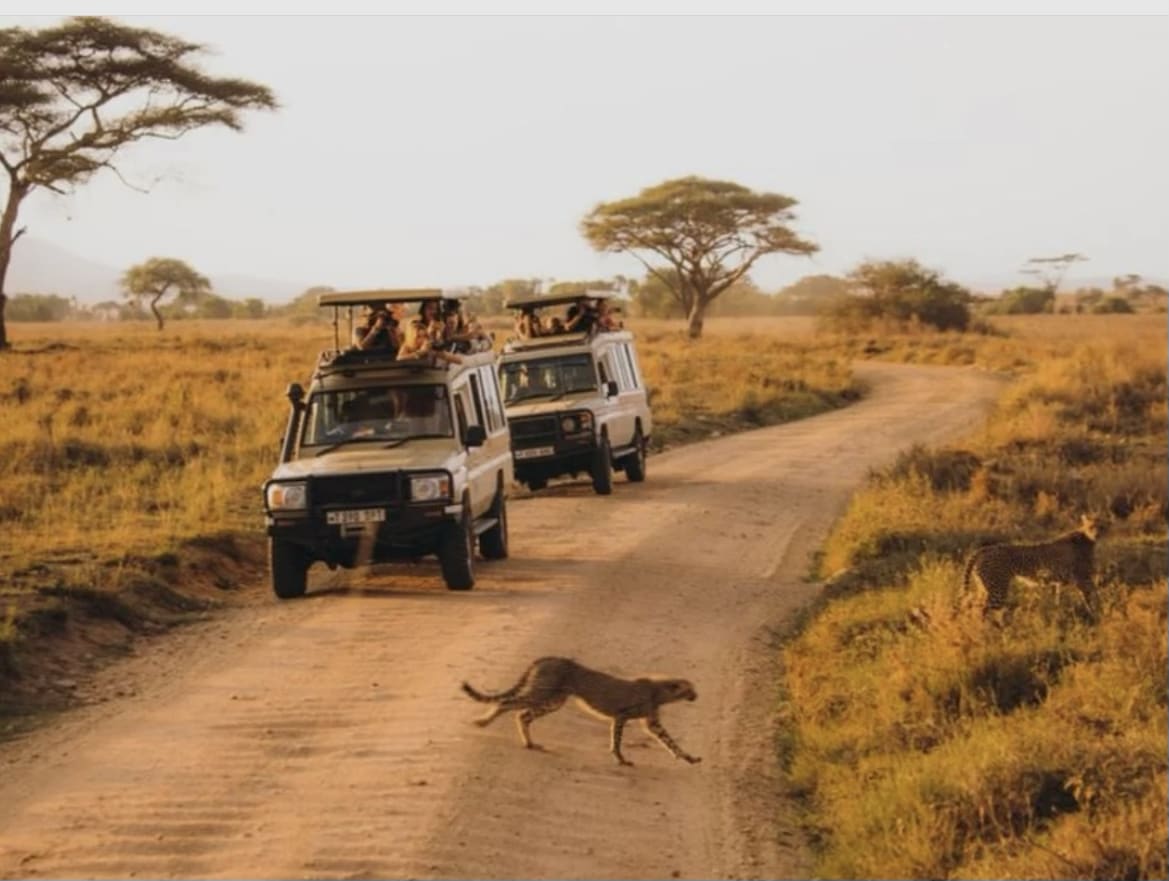
Cheetahs take advantage of the young, slow calves. These big cats can chase down newborns more easily than mature animals. December through February offers frequent opportunities to photograph cheetah hunts in action. The speed and grace of these hunters make stunning photographs.
Hyena clans compete fiercely for food during peak season. Their complex social hierarchies become visible as they interact around kills. Photographing hyenas reveals intelligence and strategy often overlooked by casual observers. These powerful predators create some of the most dramatic wildlife moments.
The predator-prey dynamics reach their peak during these three months. Every day brings new opportunities for action photography. Patient photographers willing to spend time observing often capture world-class images. SafariFind's verified operators know the best locations for witnessing these interactions.
Weather and Photography Conditions During Peak Season
December through February offers ideal weather for wildlife photography. Temperatures range from warm to hot, perfect for outdoor work. You'll rarely encounter heavy rain during these months, unlike other seasons when downpours can ruin shooting opportunities.
The warm weather means animals remain active throughout the day. Unlike cooler seasons when wildlife rests during midday heat, December-February animals move constantly searching for food and water. This sustained activity gives photographers more chances to capture compelling images.
Lighting conditions are exceptional during peak season. The sun angle creates dramatic shadows and highlights perfect for professional photography. Early morning and late afternoon light becomes especially stunning. The green landscape reflects light beautifully, creating natural fill light for your subjects.
Visibility remains excellent throughout the day. Dust storms that plague other seasons occur less frequently. Clear skies mean you can use faster shutter speeds and lower ISO settings. Your images will have exceptional detail and minimal noise.
The combination of weather and daylight hours works perfectly for photographers. You get long days with excellent light quality. Animals remain visible and active from sunrise through sunset. This extended shooting window means you capture more great shots during peak season.
How to Plan Your Serengeti Photography Safari
Timing your visit during December through February is the first step. Book your safari well in advance, as this peak season fills quickly. Tour operators offering photography-focused packages become especially popular during these months. Start planning at least three to six months ahead.
Choose a tour operator specializing in wildlife photography. These experts understand camera settings, animal behavior, and optimal positioning. They know the best locations for specific animals during peak season. SafariFind helps you compare photography-focused operators and read reviews from previous photographers.
Pack the right equipment for professional wildlife photography. Telephoto lenses between 300-600mm work best for Serengeti work. Bring sturdy tripods for stabilizing your camera during long shoots. Extra batteries and memory cards are essential since you'll take thousands of images.
Plan for multiple game drives daily if possible. Morning and evening drives offer the best light and animal activity. Midday drives, while hotter, still provide opportunities for action photography. Extended drives mean more chances to capture incredible moments.
Consider staying multiple nights in different locations within the southern Serengeti. The Ndutu area offers excellent wildlife concentration. Moving locations increases your chances of encountering different animals and predator activity. Experienced operators arrange strategic positioning based on current wildlife movements.
Request quotes from verified SafariFind operators who specialize in photography packages. Compare their experience, equipment provided, and client reviews. Ask about their knowledge of peak season wildlife patterns. The right guide makes the difference between good photos and exceptional ones.
Best Locations Within the Southern Serengeti
The Ndutu area stands out as the premier location for peak season photography. This region experiences the highest concentration of newborn animals during December through February. Predator activity remains consistently high as hunters respond to abundant prey.
Lake Ndutu provides a critical water source during peak season. Animals must drink daily, making the lake area predictable for photography. You can position yourself strategically around the lake and wait for wildlife to come to you. This location offers some of the most reliable wildlife encounters.
The plains surrounding Ndutu extend for miles in every direction. This vast area allows predators and prey to spread out. You'll encounter various wildlife groupings depending on recent rainfall and animal movements. Experienced guides know how to navigate these plains effectively.
The Kusini area near Ndutu offers excellent alternatives when main areas get crowded. This region still experiences peak season wildlife abundance but sees fewer vehicles. Photography enthusiasts appreciate the quieter conditions while maintaining excellent wildlife opportunities.
Moving between locations during your safari reveals different wildlife dynamics. Morning drives might focus on predator hunts while afternoon drives explore water holes. This variety keeps your photography fresh and increases your chances of capturing diverse moments.
Photography Tips for Peak Season Success
Arrive early for game drives to catch morning light and animal activity. Lions and cheetahs hunt most actively during early morning hours. The soft, golden light during sunrise creates stunning wildlife images. Early positioning gives you the best vantage points before other vehicles arrive.
Bring multiple lens options for different shooting scenarios. Wide-angle lenses capture landscapes and entire herds. Telephoto lenses isolate individual animals and predator-prey interactions. Having versatile equipment allows you to adapt quickly to changing situations.
Learn basic animal behavior patterns to anticipate action. Understand how predators stalk prey and how prey animals detect danger. Recognizing these behaviors helps you position yourself for dramatic moments. Experienced guides teach you to read animal body language.
Take advantage of vehicle positioning with your guide. Experienced drivers know exactly where to place the vehicle for optimal photography angles. They understand how close to approach without disturbing animals. Proper positioning multiplies your chances of capturing incredible shots.
Shoot continuously during action sequences. Wildlife moments happen fast and unpredictably. Burst mode on your camera captures multiple frames per second. Among dozens of shots, several will be perfectly composed and exposed.
Protect your equipment from dust and harsh conditions. The Serengeti environment can be tough on cameras. Use protective cases and lens caps when not shooting. Keep your equipment clean to maintain image quality throughout your safari.
Understanding the Great Migration Connection
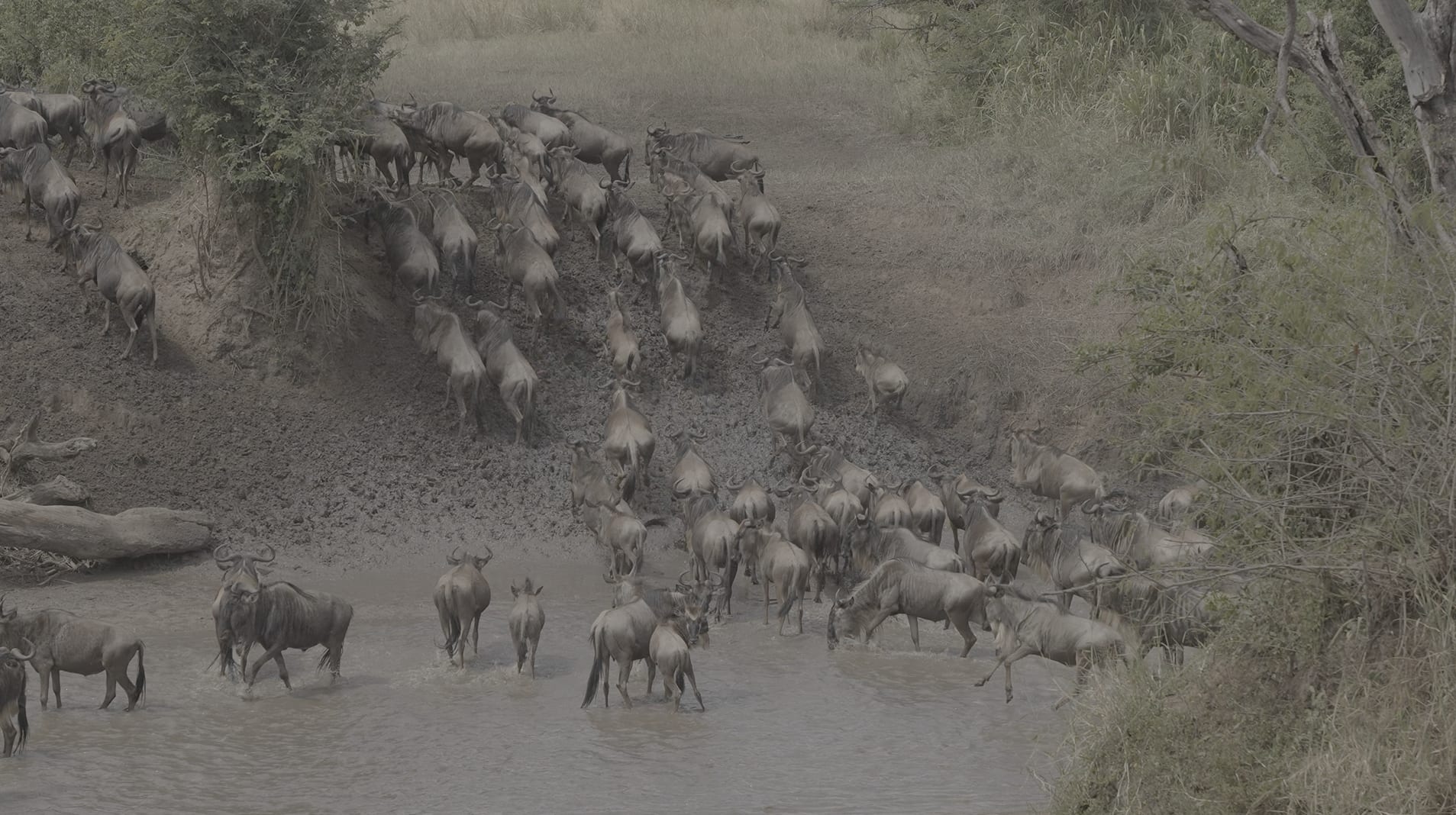
The December through February period represents the tail end of the annual migration cycle. Massive herds have settled in the southern Serengeti for calving. Understanding migration patterns helps photographers anticipate wildlife movements and concentrations.
Wildebeest and zebra migrations follow rainfall patterns across the Serengeti ecosystem. The southern plains receive rain during November and December, drawing herds southward. By December through February, hundreds of thousands of animals concentrate in specific areas.
This concentration creates unmatched photography opportunities. Nowhere else on Earth can you find such density of large wildlife. The sheer number of animals means constant action and interaction. Predators respond to this abundance with increased hunting activity.
The migration cycle ensures peak season photography aligns with optimal conditions. Nature has created the perfect storm for wildlife photographers during December through February. Timing your visit to coincide with peak season maximizes your chances of world-class photographs.
Frequently Asked Questions
Why is December to February best for Serengeti wildlife photography?
December through February brings newborn calves, lush green landscapes, and abundant predator activity. The southern Serengeti becomes a wildlife nursery with excellent photo opportunities and warm, clear weather ideal for photography. This combination creates the perfect conditions for capturing world-class wildlife images.
What animals can I photograph in the Serengeti during peak season?
You'll find lions, cheetahs, hyenas, zebras, wildebeest, and countless newborn calves. Predator-prey interactions are frequent, providing dramatic wildlife photography moments. The variety of species and their active behavior make peak season ideal for diverse photography subjects.
Is January or February better for Serengeti wildlife photography?
Both months are excellent for photography. January offers peak wildlife abundance and fewer crowds than December. February provides similar conditions with even more manageable visitor numbers in some areas. Your choice depends on personal preference regarding crowds and specific animal behaviors you want to photograph.
What should I pack for Serengeti photography in December-February?
Bring telephoto lenses (300-600mm), a sturdy tripod, extra batteries, protective gear for dust, and light clothing for warm days. Binoculars help spot distant wildlife before photographing. Memory cards, lens cleaning supplies, and camera protection cases are also essential for peak season photography.
How far in advance should I book my peak season safari?
Book three to six months ahead for December through February safaris. Peak season fills quickly with photographers seeking the best conditions. Early booking ensures you get preferred dates, accommodations, and operators specializing in wildlife photography.
How do I find the best Serengeti safari packages for photography?
Visit SafariFind to browse verified tour operators offering photography-focused packages. Compare options, read authentic reviews from previous photographers, and request quotes from specialists. SafariFind helps you find operators with proven expertise in peak season wildlife photography.
What is the typical cost for a peak season Serengeti photography safari?
Photography-focused safaris during peak season typically range from moderate to premium pricing depending on accommodation level, guide expertise, and package duration. Request quotes from multiple SafariFind operators to compare value and services included in each package.
Planning Your Peak Season Photography Adventure
December through February represents the ultimate window for Serengeti wildlife photography. This peak season combines abundant wildlife, dramatic predator activity, ideal weather, and stunning landscapes. Whether you're a professional photographer or enthusiast, this period offers unmatched opportunities.
The southern Serengeti becomes a living canvas during these three months. Newborn animals fill the plains while predators hunt with purpose. Green vegetation contrasts beautifully with wildlife subjects. Every element aligns perfectly for capturing exceptional photographs.
Success during peak season comes from proper planning and expert guidance. Choosing the right tour operator makes the difference between good photos and incredible ones. SafariFind connects you with verified operators specializing in photography and peak season expertise.
These specialists understand animal behavior, optimal positioning, and the best locations within the southern Serengeti. They know exactly when and where to find lions hunting, cheetahs stalking, and hyenas competing for kills. Their knowledge transforms your safari into a photography masterclass.
Explore safari packages on SafariFind today and discover operators ready to guide your peak season adventure. Read authentic reviews from photographers who've experienced peak season firsthand. Request quotes from verified operators and compare their photography focus and expertise. Your world-class Serengeti wildlife photography experience awaits.
References
Note: This article is based on established knowledge about Serengeti wildlife patterns, migration cycles, and photography conditions during peak season. For specific current conditions and wildlife movements, consult with verified SafariFind tour operators specializing in Serengeti wildlife photography.