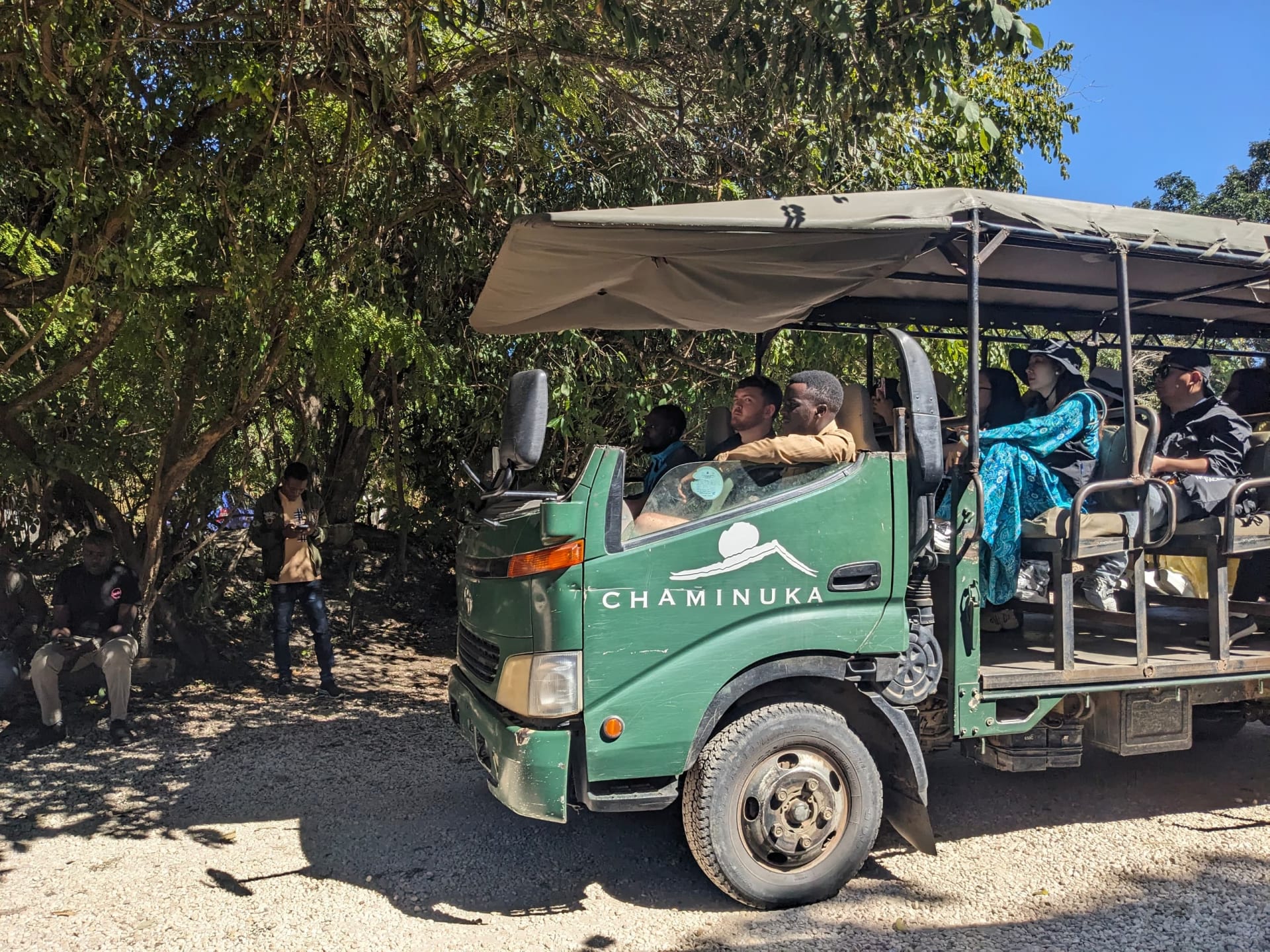
Chaminuka Nature Reserve: A Comprehensive Travel Guide
Chaminuka Nature Reserve stands as one of Zambia's premier wildlife destinations, offering visitors an authentic African safari experience in a pristine wilderness setting. This comprehensive guide provides essential information for planning an unforgettable visit to this remarkable reserve.
Overview & Location
Chaminuka Nature Reserve is located in Zambia's Eastern Province, representing a significant conservation area dedicated to protecting the region's diverse wildlife and natural ecosystems. As part of Zambia's commitment to sustainable eco-tourism, the reserve exemplifies the country's broader strategy of combining wildlife protection with responsible visitor experiences.
The reserve forms part of Zambia's extensive network of protected areas, contributing to the nation's reputation as a premier safari destination. Zambia's eco-tourism offerings, which include national parks, wildlife sanctuaries, and community-based tourism projects, demonstrate a commitment to protecting natural heritage while offering immersive experiences in diverse landscapes.
Wildlife & Natural Features
Mammal Species
Chaminuka Nature Reserve hosts a rich variety of mammalian species characteristic of Zambian wilderness areas. Visitors can expect encounters with buffalo, zebra, antelope species, and various predators that inhabit the reserve's protected landscape. The reserve's diverse habitat supports populations that have been carefully managed to maintain ecological balance and natural wildlife behaviors.
Avian Populations
The reserve is a significant destination for birdwatchers, boasting over 500 bird species. From raptors soaring overhead to waterbirds inhabiting riparian zones, the avian diversity provides endless opportunities for ornithological observation. Species range from the dark chanting goshawk to the African jacana, with countless other species visible from both vehicle and lodge vantage points.
Habitats and Landscapes
The reserve encompasses varied ecosystems including woodland, grassland, and riverine habitats. These diverse environments support different wildlife communities and provide scenic backdrops for visitor experiences. The natural landscape ranges from open plains ideal for game viewing to dense forest areas that shelter shy species and create intimate safari moments.
Best Time to Visit
Dry Season (May to October)
The dry season represents the optimal time for wildlife viewing at Chaminuka. During these months, vegetation thins, water sources concentrate, and animals congregate at remaining waterholes, providing excellent opportunities for observation. The cooler temperatures and lower humidity also make game drives more comfortable for visitors. May through July offers particularly clear skies and excellent photographic conditions.
Wet Season (November to April)
The wet season transforms the reserve into a verdant landscape with lush vegetation and abundant water. While game viewing becomes more challenging due to thick vegetation, this period attracts migratory birds and offers unique photographic opportunities. The landscape's dramatic transformation and vibrant green scenery appeal to nature photographers and birdwatchers seeking different seasonal perspectives.
Activities & Experiences
Guided Game Drives
Expert-led game drives traverse the reserve's rugged terrain in search of wildlife. Experienced guides navigate varied landscapes, reading animal behavior and movement patterns to maximize sighting opportunities. These drives accommodate different fitness levels and interests, from early morning excursions to sunset expeditions that capture the reserve's changing light.
Birdwatching Expeditions
Dedicated birdwatching experiences cater to both novice and experienced ornithologists. Quiet observation from vehicle decks or on foot allows visitors to appreciate the reserve's avian diversity. Guides trained in bird identification enhance the experience by locating specific species and providing behavioral insights.
Walking Safaris
Guided bush walks offer intimate encounters with the reserve's ecosystem. Walking at wildlife's pace allows visitors to observe smaller creatures, track animals, and appreciate botanical features often missed from vehicles. These experiences provide authentic wilderness immersion and opportunities for photography and nature documentation.
Cultural and Community Engagement
Zambia's tourism sector emphasizes community-based tourism projects that enrich visitor experiences while benefiting local populations. Visits to nearby communities provide cultural context, educational opportunities, and economic support to families living adjacent to protected areas. These interactions foster appreciation for conservation efforts and local perspectives on wildlife management.
Getting There
Air Access
The most convenient access to Chaminuka involves flying into Zambia's primary airports, with connections to regional airstrips serving the Eastern Province. Charter flights from major cities provide direct access to the reserve, reducing travel time and facilitating seamless entry into the wilderness experience.
Road Access
Visitors can reach the reserve via road networks connecting to the Eastern Province. However, seasonal road conditions vary significantly, with dry season travel being more reliable. Most operators recommend arranging transportation through lodge partners who maintain vehicles suited to reserve conditions.
Getting Around the Reserve
Within Chaminuka, travel occurs exclusively via organized game drives with professional guides or designated walking safaris. Personal vehicles are not permitted, ensuring wildlife protection and visitor safety. All transportation is arranged through lodge or tour operator partnerships.
Practical Information
Accommodation Options
The reserve offers various accommodation levels, from luxury lodges providing premium amenities to more rustic camps emphasizing wilderness authenticity. Many facilities feature private decks overlooking wildlife areas, combining comfort with immersion in natural settings. Accommodations typically include meals, guided activities, and naturalist services.
Health and Safety Considerations
Visitors should consult healthcare providers regarding vaccinations, particularly for malaria protection. Antimalarial medications are recommended for the region. Travel insurance covering medical evacuation is advisable given remote locations. All lodges maintain communication systems and emergency protocols for visitor safety.
What to Bring
Binoculars for wildlife and bird observation
Camera equipment with appropriate lenses
Neutral-colored clothing for game drives
Sun protection including sunscreen and hat
Insect repellent and antimalarial medication
Comfortable walking shoes
Warm layers for early morning and evening temperatures
Personal medications and first aid supplies
Booking and Contact
Reservations should be made well in advance, particularly for peak dry season periods. Booking through established tour operators ensures proper arrangements, experienced guides, and reliable logistics. Most operators offer customizable packages accommodating various budgets and interests.
Sustainable Tourism Practices
Chaminuka operates under strict sustainability principles protecting wildlife and habitats. Visitors are expected to follow guide instructions, maintain safe distances from animals, and minimize environmental impact. These practices ensure reserve protection while preserving the authentic safari experience for future generations.
Conclusion
Chaminuka Nature Reserve offers an exceptional Zambian wildlife experience combining diverse animal encounters, exceptional birdwatching, and authentic safari adventure. Whether seeking intimate wilderness immersion or comprehensive wildlife observation, the reserve delivers memorable experiences within a professionally managed conservation framework. With proper planning and respect for reserve protocols, visitors discover why Zambia's eco-tourism destinations rank among Africa's premier safari locations.