 1 / 4
1 / 4🇧🇼 Botswana
Gcwihaba Caves
Ideal stay
3 days
Established
1970
Nearest airport
Loading SafariFind...
1 / 4Ideal stay
3 days
Established
1970
Nearest airport
Maun Airport (MUB), about 300 km by road; no scheduled airstrip is documented at the caves
Nearest town: Gcwihaba village, about 35 km from the caves; Maun is the main safari logistics hub for the wider region
No authoritative public tariff or fixed entry fee is published for Gcwihaba Caves. The total Gcwihaba Caves safari cost depends on the guide, 4WD transport, camping, meals, permits and the number of travelers, so request an itemized quote rather than relying on a standard park-fee figure.
The best time to visit Gcwihaba Caves is from May to October, when dry conditions usually improve access along sandy tracks. November to April is hotter and wetter, and storms can make the remote approach difficult; Gcwihaba has no major documented migration season.
Visitors may see Commerson's leaf-nosed bats, Dent's horseshoe bats, Egyptian slit-faced bats and barn owls in or around the caves. The hills also support tent tortoises, barking geckos and Rüppell's parrots, while the cave deposits preserve fossils of giant zebra and wildebeest. Gcwihaba is not a Big Five safari destination.
Most travelers reach the caves by 4WD from Maun, using remote sandy tracks toward the Gcwihaba fossil valley. The caves are about 35 km from Gcwihaba village, and Maun Airport is the nearest major safari airport at roughly 300 km by road. Guided operators normally provide the vehicle, navigation and camping logistics.
Gcwihaba can suit families with older, confident children who can manage darkness, dust, bats, uneven ground and crawling passages. The site has no visitor facilities, and parents should confirm age limits, cave conditions and emergency plans with the operator before booking. Young children may find a remote camping and caving trip unsuitable.
Plan at least three days for Gcwihaba Caves because the approach is remote and the site has no facilities. This allows time for the drive from the Maun area, a guided cave visit and a safe return or onward journey to the Aha Hills.
There is no developed lodge or visitor accommodation at the caves. Travelers generally use organized mobile camping or basic campsites in the wider northwest Botswana region, with Maun providing the broadest choice of pre- and post-trip accommodation. Confirm toilets, water, meals and emergency support before booking.
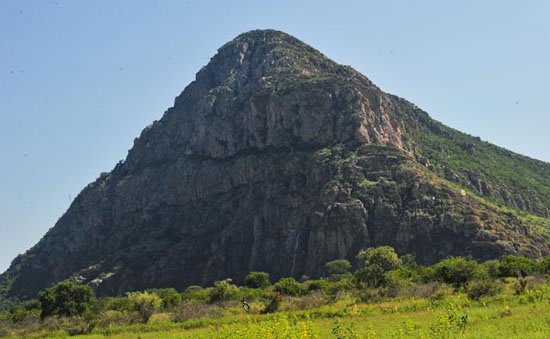
Gcwihaba Caves is worth visiting for travelers interested in speleology, fossils, geology and remote cultural landscapes. Its formations are unusual in a desert setting, and its breccia contains Botswana's richest known cave fossil deposit. It is less suitable for travelers seeking frequent game drives or luxury lodge facilities.
A guide is strongly recommended because Gcwihaba is a remote, unlit cave system with complex passages, limited facilities and difficult vehicle access. Local guides can manage route finding, safety, bat encounters and community access. Self-driving should only be considered by experienced expedition travelers with suitable equipment and reliable communications.
You can compare safari packages, read verified traveler reviews and book through trusted operators on SafariFind.com. This lets you compare prices and find the best itinerary for your budget and interests.
© 2026 SafariFind. All rights reserved.
