 1 / 3
🇹🇿 Tanzania
Kitulo National Park
Size
412 km²
Elevation
2,600 m
Entry fee
$30
Loading SafariFind...
1 / 3Size
412 km²
Elevation
2,600 m
Entry fee
$30
SafariFind app
Keep up with your inquiries and bookings, and message operators wherever you are.

Ideal stay
3 days
Established
2005
Nearest airport
Mbeya Airport, about 70 kilometres from Kitulo by road
Nearest town: Mbeya, about 70 kilometres from Matamba park headquarters and the main access town
An indicative budget is about US$78 per person per day, including basic accommodation, local transport, food and guide costs. One travel guide lists a US$30 daily entrance fee for foreign adults, but safari package prices change with vehicle type, accommodation and route.
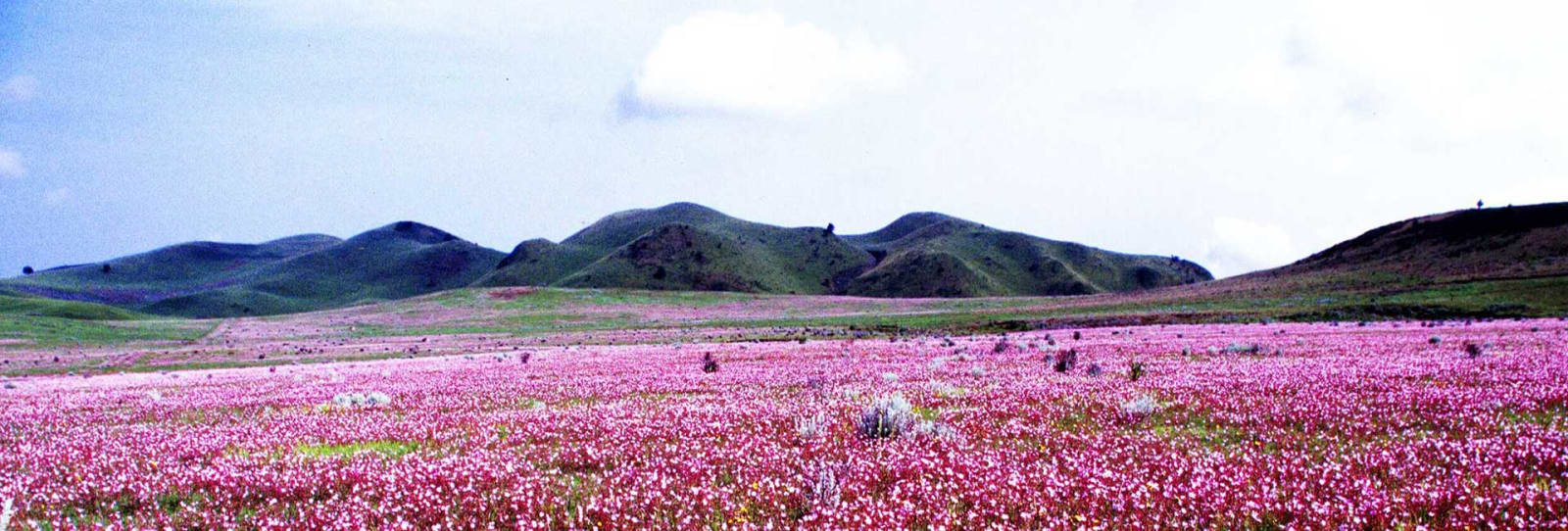
The best time to visit Kitulo National Park is December through April, when the highland meadows carry their main orchid and wildflower display. These wetter months can bring cloud and muddy roads, while the blue swallow is present as a seasonal migrant.
Kitulo National Park is home to mountain reedbuck, eland, zebra, the rare Kipunji monkey and highland birds such as Denham's bustard, blue swallow, mountain marsh widow, Njombe cisticola and Kipengere seedeater. It is not a Big Five park and does not have lions, elephants, buffalo or large predators.
Most visitors drive from Mbeya to Matamba, the park headquarters, a journey of about 70 kilometres that takes at least two hours in a private vehicle. The final road is gravel and earth, so four-wheel drive is strongly advised, especially from December through April.
Kitulo National Park can suit families with older children who enjoy short walks, flowers and birds. The high elevation, cool wet weather, rough access road and lack of conventional game drives make it less suitable for very young children than Tanzania's easier wildlife parks.
Most visitors need two or three days at Kitulo National Park. Two days allow a guided plateau walk and birding, while three days leave time for slower flower photography, forest exploration and weather delays.
Basic campsites are available at the park headquarters in Matamba, and simple bed-and-breakfast accommodation is available in Matamba and Chimala. Mbeya offers a wider choice of accommodation and is the practical base for travellers who prefer more comfort.
Kitulo National Park is worth visiting if you want orchids, highland birds and guided walking rather than classic big-game viewing. Its more than 350 recorded plant species, including 45 terrestrial orchid varieties, make it a strong addition to a southern Tanzania route.
A guide is strongly recommended for Kitulo National Park because guides help identify orchids and highland birds, lead forest walks and manage changing weather and rough tracks. Independent access may be possible with a suitable vehicle, but public transport leaves visitors without reliable transport inside the park.
Compare packages and book through verified operators on SafariFind.com. You can compare prices, read verified traveler reviews and choose an itinerary that matches your budget, walking interests and preferred southern Tanzania route.
Kitulo National Park is on the Kitulo Plateau in Tanzania's Southern Highlands, across Mbeya and Njombe regions between the Kipengere, Poroto and Livingstone ranges. The nearest major town is Mbeya, about 70 kilometres from the park headquarters at Matamba.
Kitulo National Park is a 412-square-kilometre Tanzanian highland park established in 2005 to protect its grasslands, forests and unusual plant life. It is best known for seasonal orchids, more than 350 recorded plant species, rare birds and the Kipunji monkey.
Ruaha National Park is in southern Tanzania and is a practical companion destination for some Kitulo itineraries. Travellers commonly combine the two parks on a longer southern-circuit trip, although the journey between them requires careful route planning.
© 2026 SafariFind. All rights reserved.