 1 / 4
1 / 4🇹🇿 Tanzania
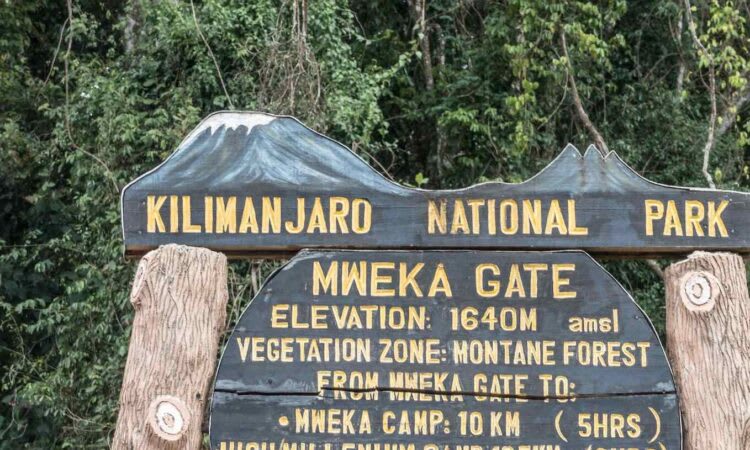
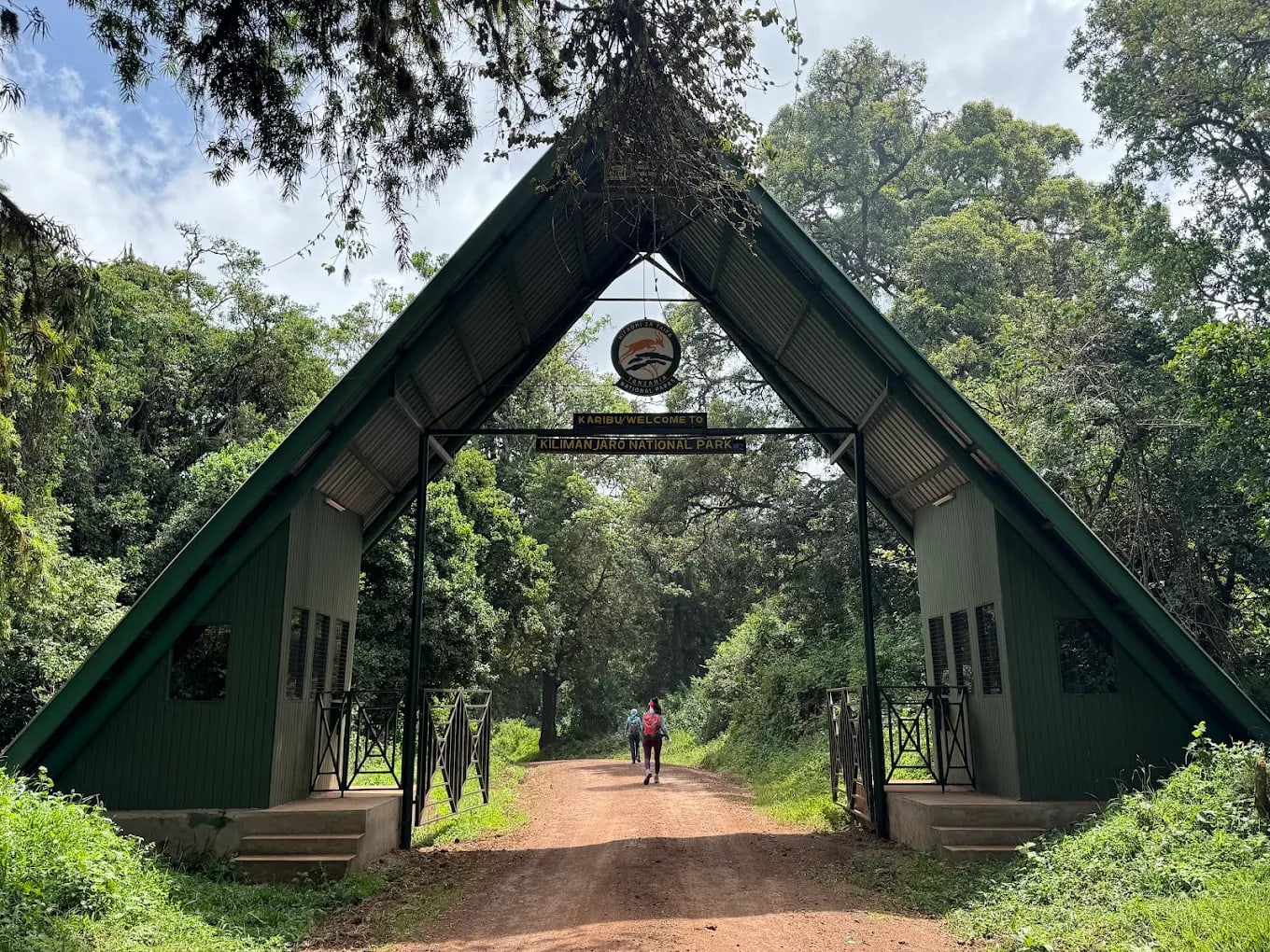
Mweka Gate
Size
1,344 km²
Elevation
1,640 m
Entry fee
Loading SafariFind...
1 / 4Size
1,344 km²
Elevation
1,640 m
Entry fee
SafariFind app
Keep up with your inquiries and bookings, and message operators wherever you are.

$82
Ideal stay
1 day
Established
1921
Nearest airport
Kilimanjaro International Airport (JRO), 65 km northeast; Arusha Airport (ARK), 85 km north — both require 1.5-2 hour transfer to Mweka Gate via Moshi
Nearest town: Moshi, 30-40 km away — primary gateway town for Kilimanjaro climbs with accommodation, tour operators, and supply shops; Arusha, 85 km away — larger regional hub with international flights and safari connections
 7 daysPrivate
 Trek Afrika Adventures
  8 daysGroup Joining
 Pumba Reisen
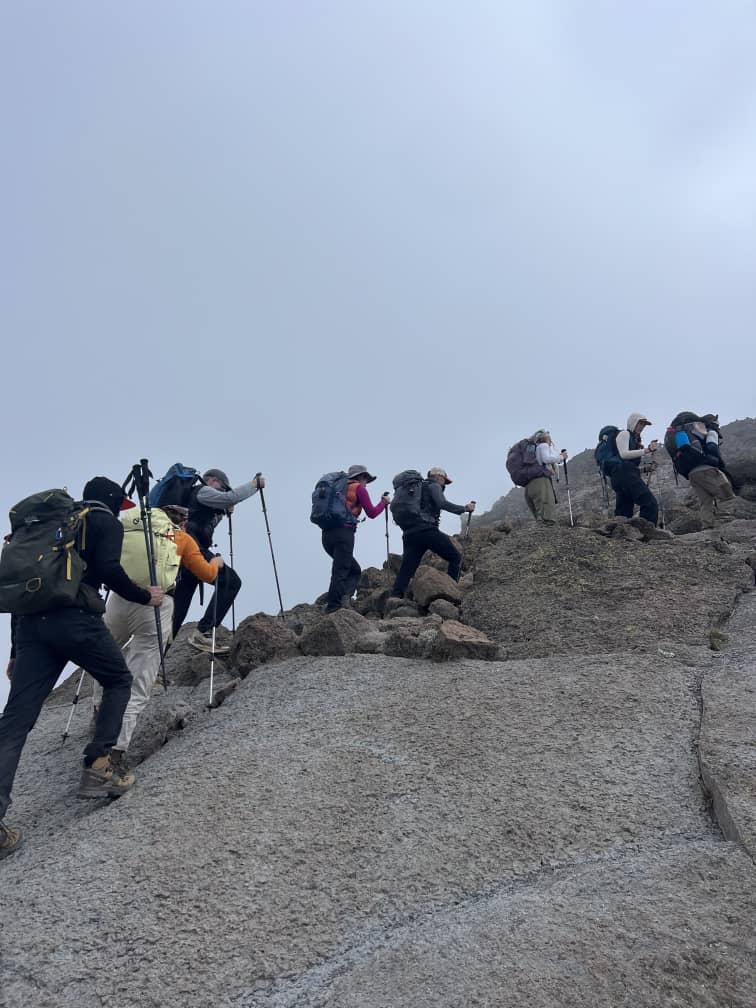 7 daysPrivatePumba Reisen
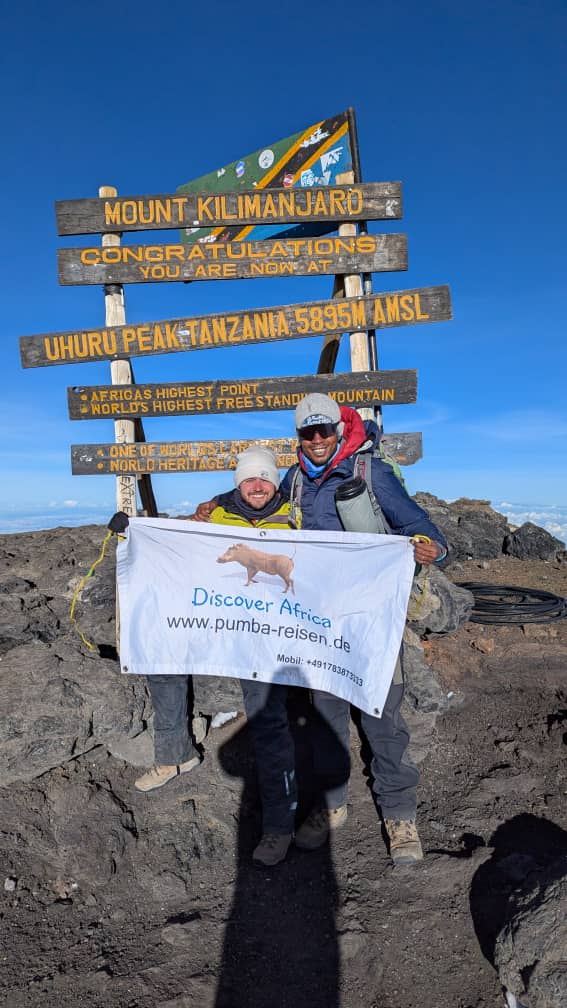 6 daysPrivatePumba Reisen
 8 daysPrivate
 Elia Safaris
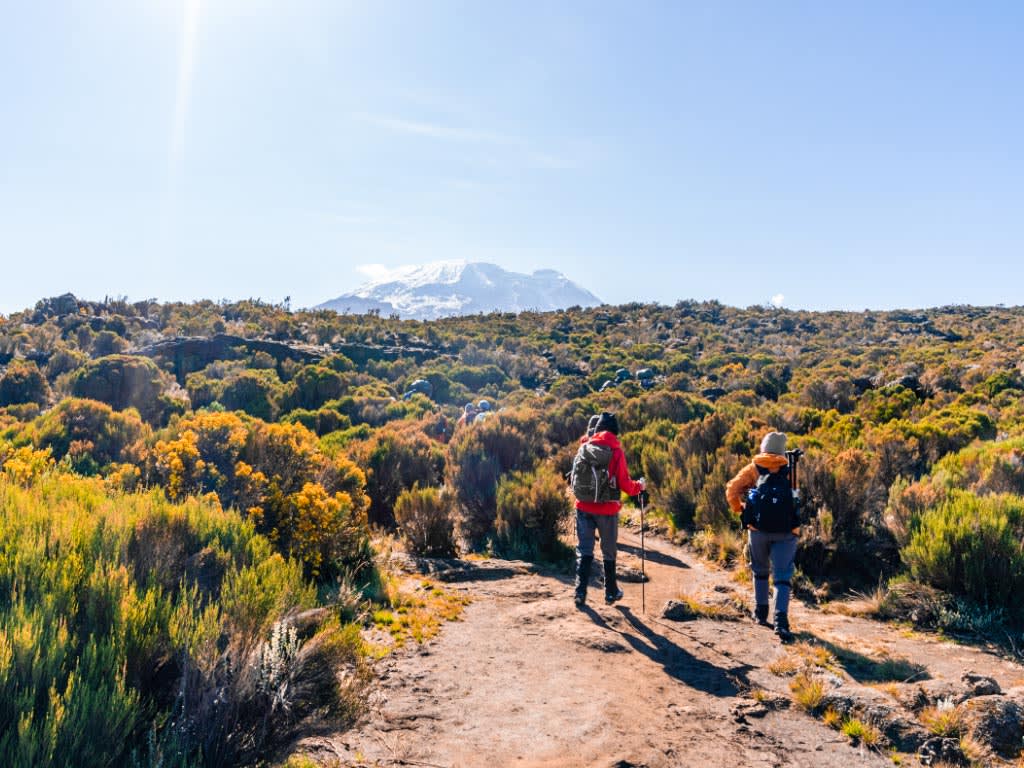 9 daysPrivateElia Safaris
 7 daysPrivateElia Safaris
 6 daysPrivateElia Safaris
 7 daysPrivateElia Safaris
 12 daysPrivateElia Safaris
 9 daysPrivate
 VISION SAFARI & TOURS
 6 daysPrivate
 isale safaris company limited
Mweka Gate itself has no separate entrance fee—costs are included in Mount Kilimanjaro National Park permit fees of $82 USD per day, typically paid through your registered tour operator before arrival [1]. A complete 6-7 day Kilimanjaro trek costs $1,500-$4,000 USD depending on group size, lodge vs. camping, and operator quality. Budget operators charge $1,500-$2,000; mid-range operators $2,500-$3,500; luxury operators $3,500-$4,000+. These costs include park fees, guide/porter wages, meals, and accommodation. Mweka Gate processing (certificate issuance) is included with your permit and adds no additional fee.
The best climbing seasons are June-October (dry season) and January-February (short dry season). June-October offers the most reliable weather with clear visibility and minimal rain, though temperatures drop below freezing at altitude. January-February provides an alternative dry window with warmer conditions at lower elevations. Peak season (July-August) sees approximately 60% of annual climbers, resulting in crowded trails and premium pricing. For better value and fewer crowds, climb in February-March or September-October when weather remains favorable. Avoid November-December and March-May (rainy season) when muddy conditions increase altitude sickness risk.
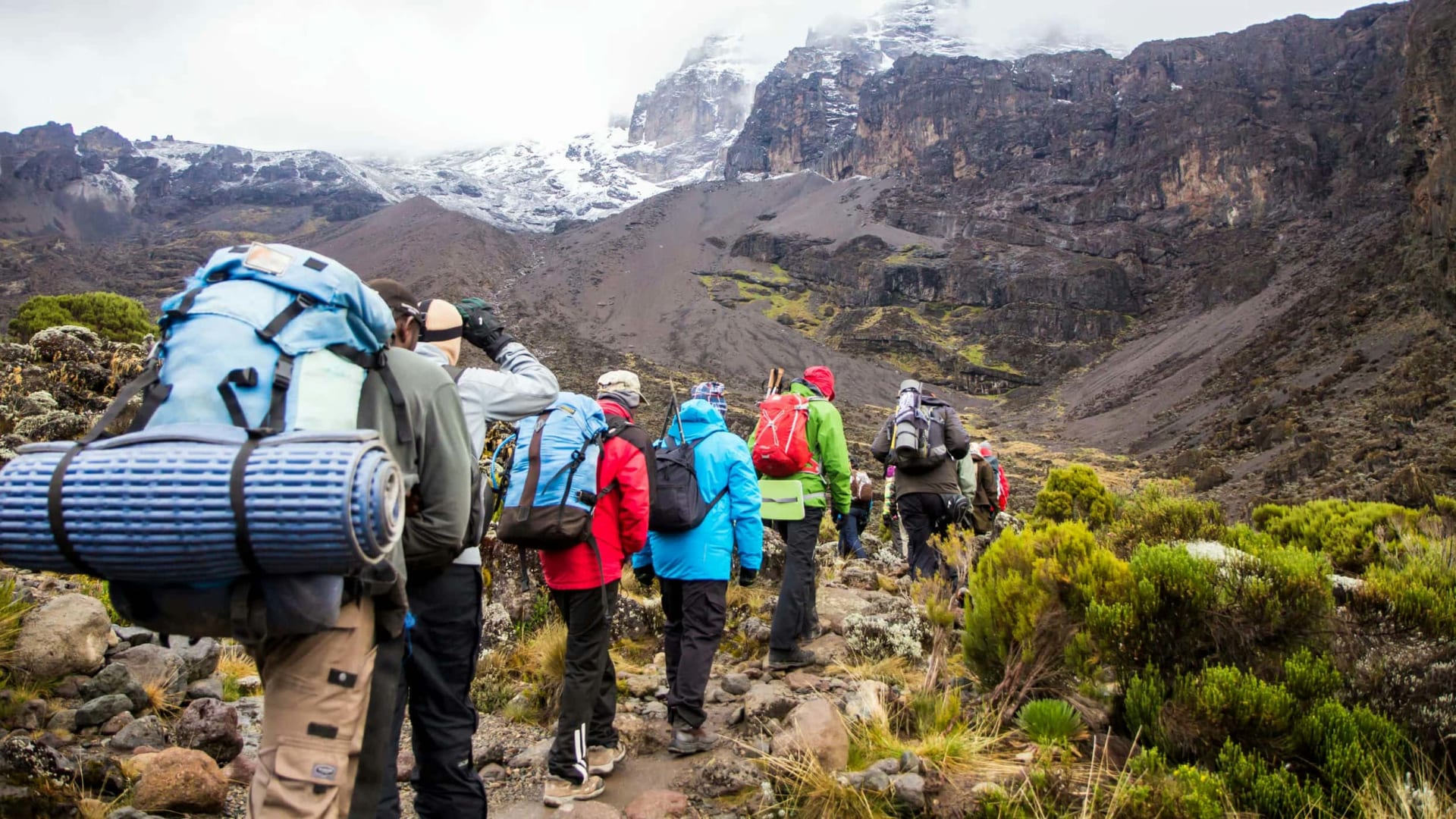
Mweka Gate sits in the montane forest zone where wildlife differs from alpine areas above. Common sightings include colobus monkeys, blue monkeys, various sunbird species, African crowned eagles, and forest-dwelling birds like malachite kingfishers [1]. The dense canopy habitat attracts endemic species found only in Tanzanian montane forests. You're unlikely to see large predators or Big Five animals at the gate itself—the montane forest ecosystem supports smaller mammals and specialized bird species adapted to dense forest conditions. Most wildlife observation occurs during the descent through the forest, not at the gate facilities.
Fly into Kilimanjaro International Airport (JRO), 65 km away, or Arusha Airport (ARK), 85 km away. From either airport, arrange a 1.5-2 hour transfer to Moshi town, your staging point. Tour operators handle all transportation—you don't drive yourself to Mweka Gate. The paved road from Moshi to Mweka Gate takes 30-40 minutes by vehicle and is accessible year-round. Most climbers stay in Moshi the night before their trek begins, then drive to their starting gate (Machame, Lemosho, or Umbwe). You descend to Mweka Gate over 2 days at the end of your trek; your operator arranges pickup vehicles for transfer back to Moshi or Arusha.
Mweka Gate itself is only the descent endpoint, not a family-friendly destination—children cannot reach it without completing a 6-7 day Kilimanjaro climb. Children under age 10 are generally not recommended for Kilimanjaro due to altitude sickness risk and physical demands. Climbers aged 10-16 can attempt Kilimanjaro with acclimatization, but require exceptional fitness and parental consideration. Families with younger children should explore other Tanzania destinations like Tarangire or Arusha National Parks, which offer game drives and wildlife viewing suitable for all ages. If your family wants to experience Kilimanjaro, consider hiring private guides and building in extra acclimatization days to manage altitude effects.
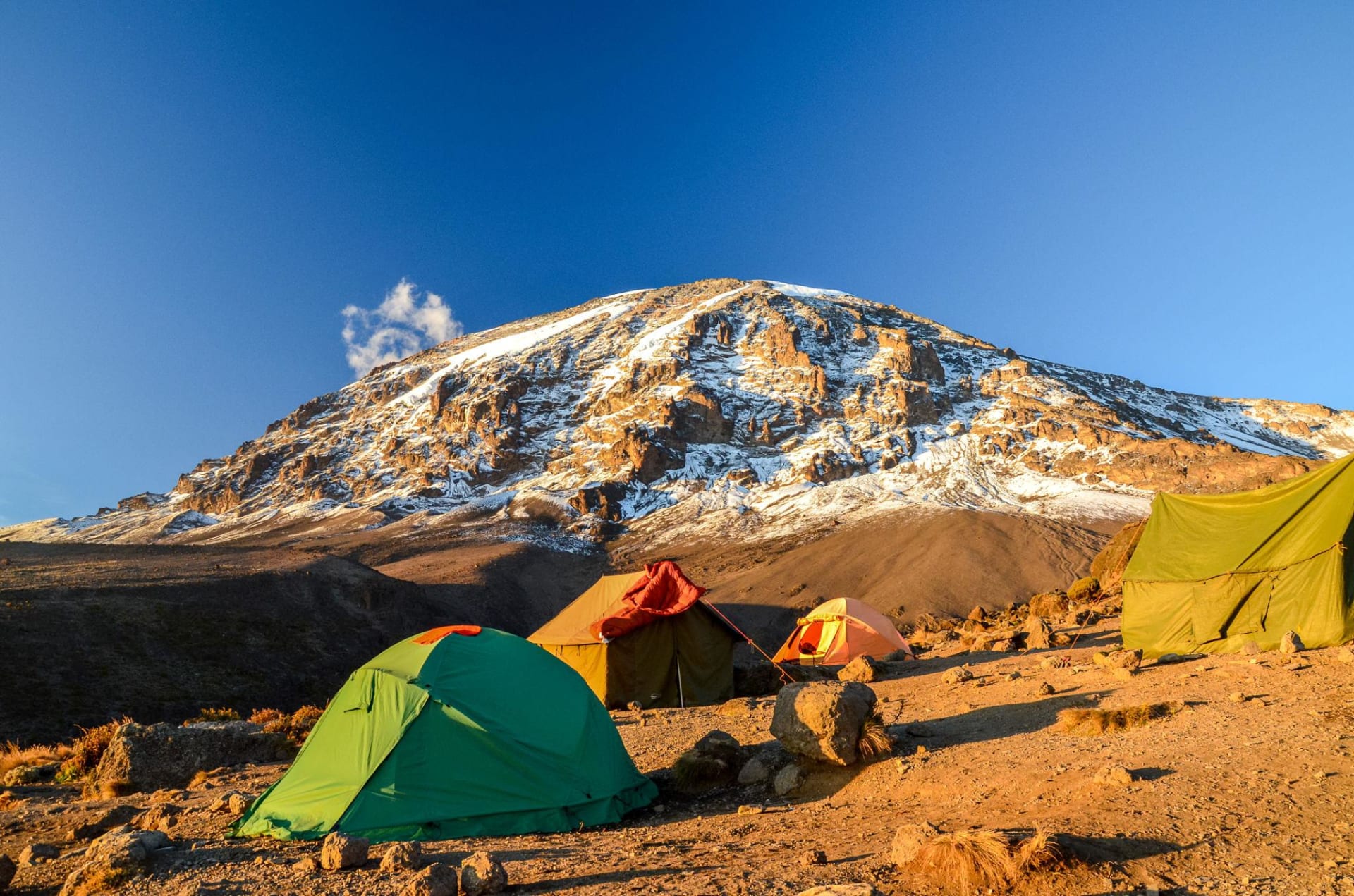
You spend only 2-4 hours at Mweka Gate itself—the time required for descent from the final camp (Mweka Camp at 3,100 m), registration with TANAPA rangers, certificate processing, and vehicle arrangement. The gate is a finish point, not a destination for overnight stays. Most climbers descend from Mweka Camp (2-3 hours) and complete gate formalities by early afternoon. If you arrive early or want to rest before vehicle transfer, nearby Moshi town (30-40 km away) offers accommodation. Your overall Kilimanjaro experience requires 5-7 days: 1-2 days acclimatization in Moshi before starting, 6-7 days climbing/descending, and 1 day recovery in Moshi afterward.
Mweka Gate has no hotels or lodges—it's a park checkpoint with basic facilities (ranger post, restroom, certificate office). Climbers do not stay at the gate. Your tour operator arranges accommodation in Moshi (30-40 km away), where you stay the night before your trek begins and the night after you descend through Mweka Gate. Moshi offers budget guesthouses ($20-$50/night), mid-range hotels ($80-$150/night), and luxury lodges ($200+/night). Popular operators pre-arrange Moshi accommodation as part of climbing packages. If you want to rest longer after descent, stay 1-2 additional nights in Moshi before returning to Arusha or flying out. Your tour operator coordinates all transfers between Moshi and Mweka Gate.
Mweka Gate is essential if you're climbing Kilimanjaro—it's the mandatory descent exit where your achievement is officially recorded. For non-climbers, the gate itself offers no tourism value; it's a park checkpoint, not a scenic destination or wildlife viewing area. The value of Mweka Gate lies in its role as the finish line for one of the world's most accessible high-altitude mountains. Climbing Kilimanjaro (which concludes at Mweka Gate) ranks among the top bucket-list experiences—approximately 45,000 climbers annually descend through this gate [1]. If you want to experience Kilimanjaro's montane forest ecosystem without climbing, consider lower-elevation trails on Mount Meru (near Arusha) or forest walks in nearby national parks.
Yes—guides are mandatory for all Kilimanjaro climbs, including the descent through Mweka Gate. Tanzania National Parks Authority (TANAPA) regulations require that all climbers be accompanied by certified mountain guides at all times on Kilimanjaro [1]. Self-guided climbing is prohibited. Your tour operator hires TANAPA-certified guides (typically 1 guide per 3-4 climbers) who lead ascent, descent, and manage safety protocols. Guides provide altitude sickness monitoring, route navigation, and wildlife interpretation. Porters (typically 1-2 per climber) carry gear and prepare camps. The guide system ensures climber safety and supports local employment. When booking through SafariFind.com, all verified operators include certified guides in their packages.
You can compare Kilimanjaro climbing packages and read verified operator reviews on SafariFind.com, which specializes in connecting travelers with established safari and trekking operators across Tanzania. Search for 'Kilimanjaro climbs' or specific routes (Machame, Lemosho, Rongai) that descend through Mweka Gate. SafariFind displays operator ratings, traveler reviews, pricing, and itinerary details, allowing you to compare 6-7 day packages side-by-side. Book directly through verified operators on the platform or request quotes to compare. Ensure your operator is TANAPA-registered and includes certified guides, acclimatization days, and comprehensive insurance. Most packages include airport transfers, Moshi accommodation, park fees, guides/porters, meals, and vehicle pickup at Mweka Gate.
© 2026 SafariFind. All rights reserved.
 Ask about this