7-Day Serengeti & Ngorongoro Itinerary 2027: Cost Breakdown
7-day Serengeti & Ngorongoro safari costs $3,500–$6,299 per person in 2027. Compare budget, mid-range, and luxury packages with park fees included.

7-Day Serengeti & Ngorongoro Cost 2027
Last updated: August 2026
A 7-day Serengeti and Ngorongoro safari costs $3,500 to $6,299 per person in 2027, depending on comfort level and season. Park fees of $82 per day at Serengeti and crater charges are included in most packages. Book 3-6 months ahead through verified operators on SafariFind to compare prices and read authentic traveler reviews.
At a Glance
- Cost: $3,500–$6,299 per person for 7 days
- Best time: July–October for Great Migration; January–February for calving season
- Duration: 7 days minimum recommended
- Getting there: Fly into Kilimanjaro International Airport or Arusha Airport
- Best for: Wildlife lovers, families, first-time safari goers
- Park fees: $82 per adult per day at Serengeti (included in packages)
What Is a 7-Day Serengeti & Ngorongoro Itinerary?
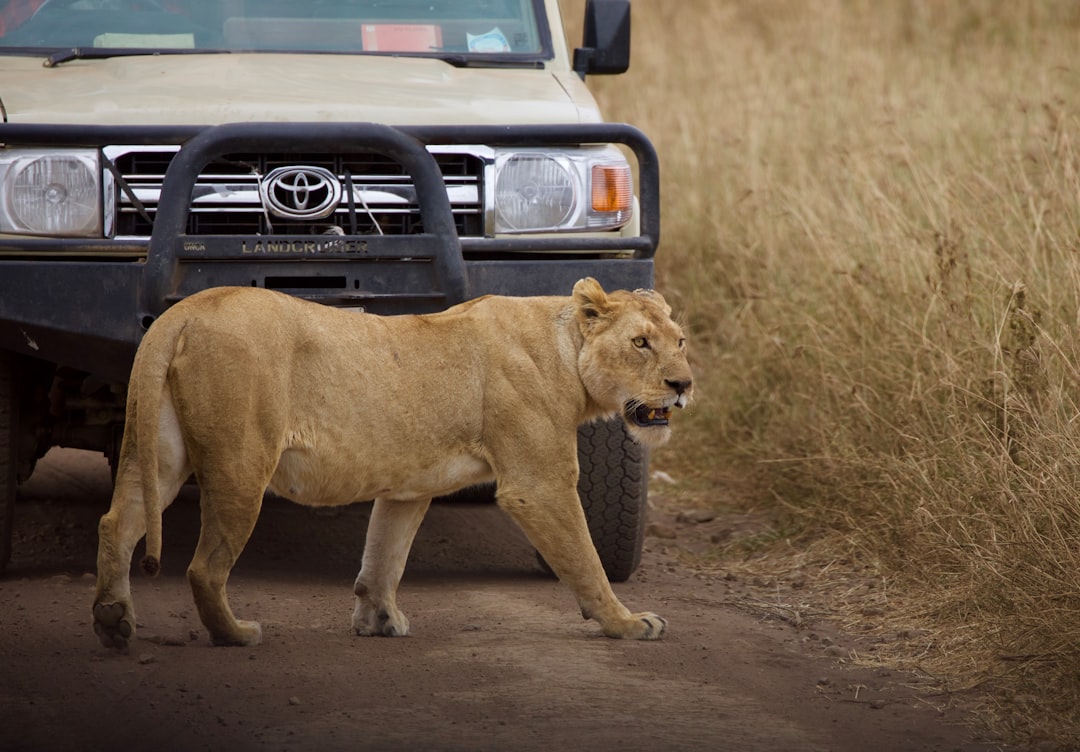
A 7-day Serengeti National Park and Ngorongoro Crater itinerary combines two of Tanzania's most iconic safari destinations into one unforgettable journey. You'll spend time in the vast Serengeti plains spotting lions, elephants, and zebras, then descend into the Ngorongoro Crater to see wildlife in its natural caldera home.
This itinerary typically includes 4–5 nights in the Serengeti and 1–2 nights at Ngorongoro. Most packages feature guided game drives, accommodations, meals, and park entrance fees. The experience suits first-time safari goers, families, and wildlife photographers looking for variety and world-class game viewing in just one week.
Why This Itinerary Matters
Many travelers ask: "How much does a safari in Tanzania cost?" This 7-day combination offers the best value for seeing Tanzania's two most famous parks without spending 10+ days on the road. You get the Great Migration drama of the Serengeti and the unique enclosed ecosystem of the crater—two completely different safari experiences in one trip.
The cost breakdown matters because it helps you budget properly. Park fees, accommodation, food, and transport each add up differently depending on your comfort level. Understanding these costs upfront helps you choose the right package and avoid surprises at booking.
Key Features of This Safari
The 7-day Serengeti and Ngorongoro itinerary includes several standout features:
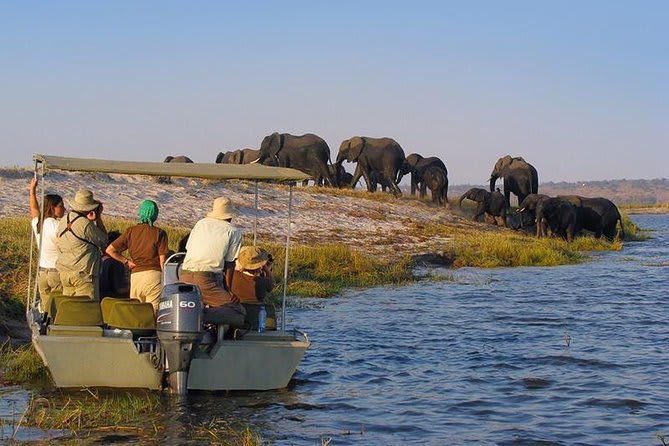
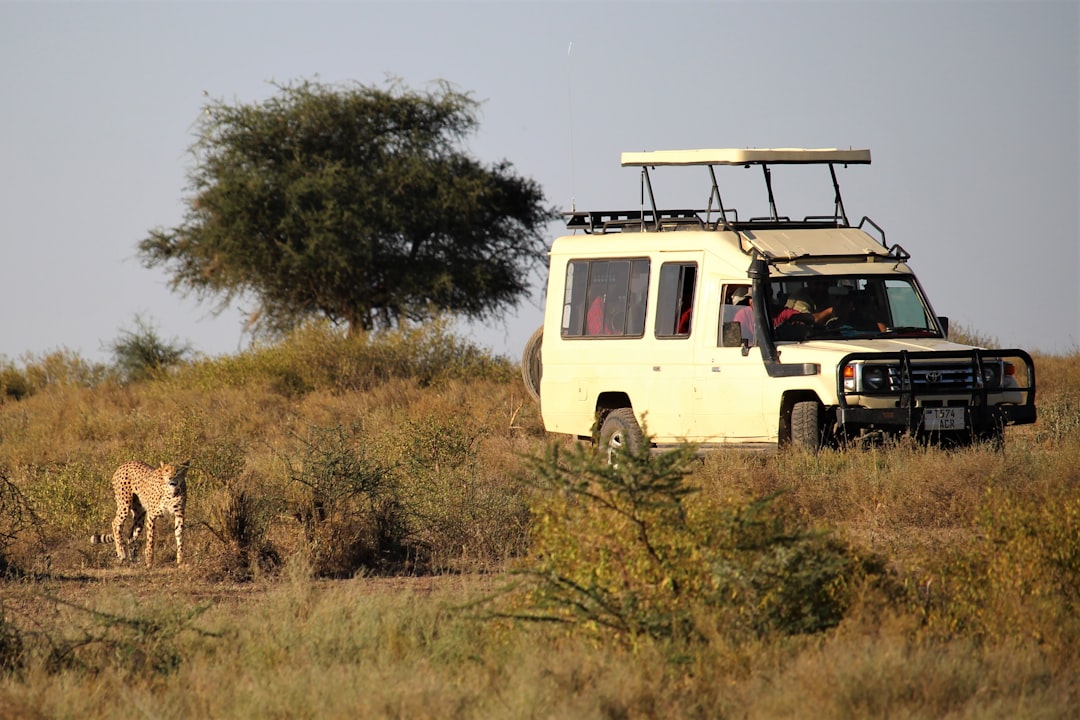
- Game drives: Daily morning and afternoon drives in open-roof vehicles for close wildlife viewing
- Crater descent: A unique 600-meter drop into Ngorongoro's caldera, home to over 25,000 large animals
- Expert guides: Trained naturalists who spot wildlife and explain ecosystems
- All-inclusive meals: Breakfast, lunch, and dinner at lodges or camps
- Flexible pacing: Mix of driving days and relaxation time at your lodge
How Much Does a 7-Day Serengeti & Ngorongoro Safari Cost?
A 7-day Serengeti and Ngorongoro safari costs between $3,500 and $6,299 per person in 2027, based on comfort level and travel season. This price typically includes park entrance fees, guided game drives, accommodations, and all meals. Exact pricing depends on whether you choose budget, mid-range, or luxury lodging.
Budget Safari Costs
Budget safaris run $2,100–$3,500 per person for 7 days. These packages use basic but clean accommodations, often in shared rooms or simple tented camps. You'll travel in older safari vehicles and eat simple meals. Budget tours work best for travelers who prioritize wildlife viewing over comfort and want to save money.
Budget options still include park fees and game drives. The main difference is accommodation quality and vehicle condition. Many budget operators are reliable—check reviews on SafariFind to find verified budget companies with high ratings.
Mid-Range Safari Costs
Mid-range safaris typically cost $2,800–$4,500 per person for 7 days. You'll stay in comfortable lodges with private rooms, en-suite bathrooms, and decent meals. Vehicles are newer, and guides are experienced. This is the most popular option for families and first-timers seeking balance between cost and comfort.
Mid-range packages often include extras like sundowner drinks, photography tips, and better lodge locations. Many mid-range lodges in Tanzania offer excellent value and have strong reviews from previous guests.
Luxury Safari Costs
Luxury safaris cost $4,650–$6,299+ per person for 7 days. These premium packages feature high-end lodges or exclusive camps with gourmet dining, spa services, and personalized guides. You'll travel in top-tier vehicles with small group sizes. Luxury safaris suit travelers who want an indulgent experience and don't mind paying for premium comfort.
Luxury packages often include champagne at sunset, private game drives, and premium lodge amenities. Specific January 2027 departures on G Adventures through Pavlus Travel start at $4,929 per person. These rates reflect peak season pricing.
What's Included in These Prices
Most 7-day safari packages include the following:
- Park entrance fees ($82 per adult per day at Serengeti)
- Guided game drives (usually twice daily)
- Accommodations at lodges or camps
- All meals and drinking water
- Ground transport between locations
- Professional safari guide
What's Not Included
These items typically cost extra and are not included in package prices:
- International flights to Tanzania
- Travel insurance
- Tips for guides and staff (10–15% suggested)
- Alcoholic beverages (except at luxury lodges)
- Laundry services
- Optional activities (hot air balloon rides, bush walks)
- Visas for Tanzania ($50–$100)
Compare verified 7-day Serengeti and Ngorongoro packages on SafariFind to see exact inclusions for each operator before booking.
Daily Cost Breakdown for a 7-Day Safari
Understanding daily costs helps you see where your money goes. A typical 7-day safari breaks down into lodging, food, transport, and park fees. Here's how costs divide by comfort level, per person per day in 2027:
| Comfort Level | Price Per Day | 7-Day Total | Best For |
|---|---|---|---|
| Economy | $300 | $2,100 | Budget travelers, backpackers |
| Mid-Range | $400 | $2,800 | Families, first-timers |
| Luxury | $650+ | $4,550+ | Comfort seekers, honeymooners |
These daily rates include lodging, meals, guides, and park fees. International flights and visas are separate costs not shown here. A typical family of four choosing mid-range would budget around $11,200 total ($2,800 × 4 people).
Park Entrance Fees Explained
Park entrance fees in Tanzania are paid directly to the Tanzania National Parks Authority (TANAPA) and are included in most package safari prices. The Serengeti charges $82 per adult per day. Ngorongoro Crater adds an additional crater fee on top of the general park entrance.
For a 7-day itinerary with 5 days in Serengeti and 1 day at Ngorongoro, park fees alone total roughly $492 per person ($82 × 6 days). This is already built into the prices quoted above, so you won't pay extra at the park gate if you book through a verified operator.
Accommodation Costs by Type
Lodging is the largest expense. Budget camps cost $50–$100 per night. Mid-range lodges run $150–$300 per night. Luxury lodges exceed $400 per night. For a 6-night stay, budget travelers spend $300–$600, while luxury guests spend $2,400+. These costs are included in your package total.
Accommodation also determines meal quality and vehicle type. Cheaper lodges serve basic but filling food in shared dining areas. Luxury lodges offer gourmet cuisine and private dining options.
Best Time to Visit and How It Affects Price
The best time to visit Serengeti and Ngorongoro depends on what you want to see. Peak season (July–October) offers the Great Migration but costs more. Low season (April–June, November) offers lower prices and fewer crowds. Prices fluctuate by 20–40% depending on season.
Peak Season (July–October)
Peak season runs July through October. During these months, the Great Migration brings 1.5 million wildebeest, zebras, and gazelles across the Mara River into the Serengeti. This is the most dramatic wildlife spectacle on Earth. Peak season prices are highest: expect to pay full rates for all packages.
Peak season also means more tourists. Lodges book up 3–6 months ahead. If you want to see the migration, book your safari in March or April for July departure. Peak season suits wildlife enthusiasts willing to pay premium prices for guaranteed action.
Calving Season (January–February)
January and February bring the calving season to the Serengeti's southern plains. Millions of wildebeest give birth over a few weeks, creating a feeding frenzy for predators. This is excellent for seeing lion hunts and wild dog action. Prices are mid-range during this period—lower than peak but higher than low season.
Calving season also means fewer tourists than July–October. Weather is warm and dry, ideal for photography. G Adventures offers January 2027 departures starting at $4,929 per person.
Low Season (April–June, November)
Low season includes April–June (wet season) and November (short rains). Prices drop 20–30% below peak rates. You'll see fewer tourists and enjoy more intimate wildlife experiences. Rain makes some roads muddy, but animals are more active and vegetation is lush.
Low season works for budget-conscious travelers and those seeking solitude. Lodges have availability and offer discounts. Wildlife viewing is still excellent—just different from peak season action.
How Season Affects Your Budget
Peak season (July–October) costs $4,500–$6,299 per person for 7 days. Mid-season (January–February, December) costs $3,800–$5,200. Low season (April–June, November) costs $2,800–$4,000. Choose your season based on budget and priorities—migration drama or budget savings?
Sample 7-Day Itinerary Day by Day
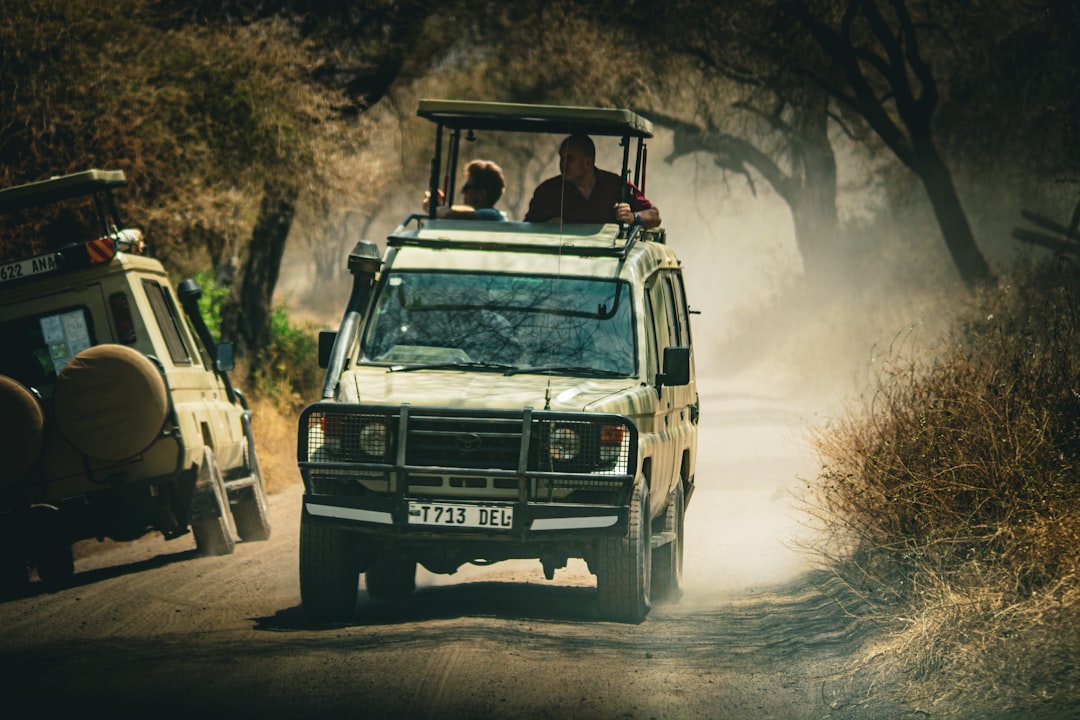
A typical 7-day Serengeti and Ngorongoro itinerary follows this schedule. Days vary slightly by operator, but the structure remains similar. This shows what your week looks like and helps you understand what you're paying for.
Day 1: Arrival in Arusha
You arrive at Arusha Airport or Kilimanjaro International Airport. Your operator picks you up and drives you to an Arusha hotel for rest. You meet your guide, receive a safari briefing, and prepare gear. Overnight: Arusha.
Days 2–5: Serengeti National Park
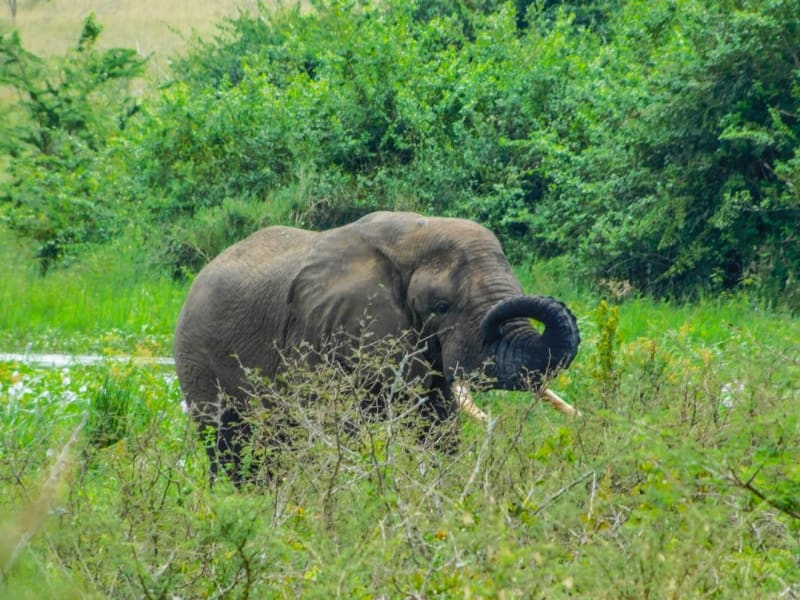
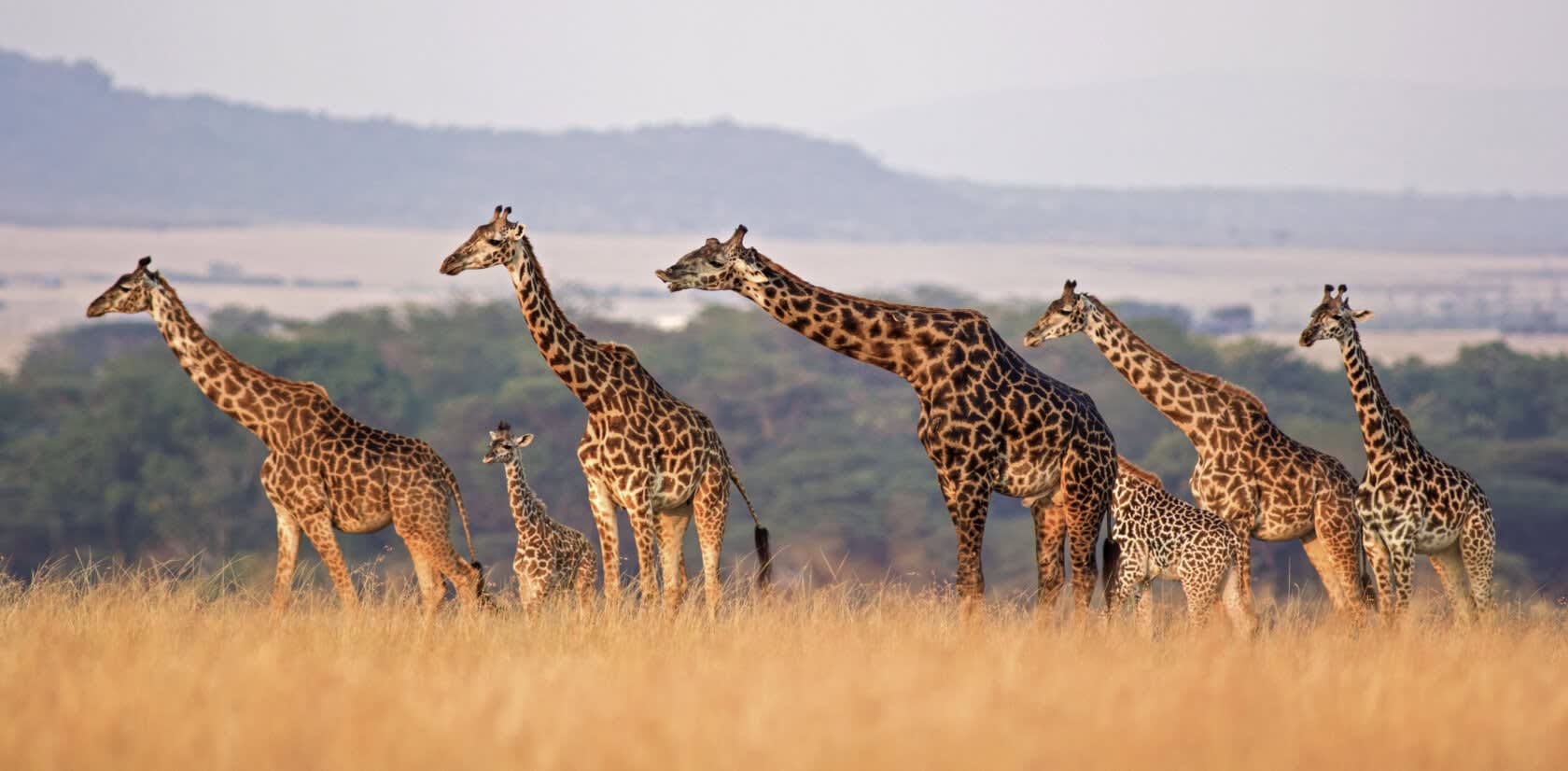
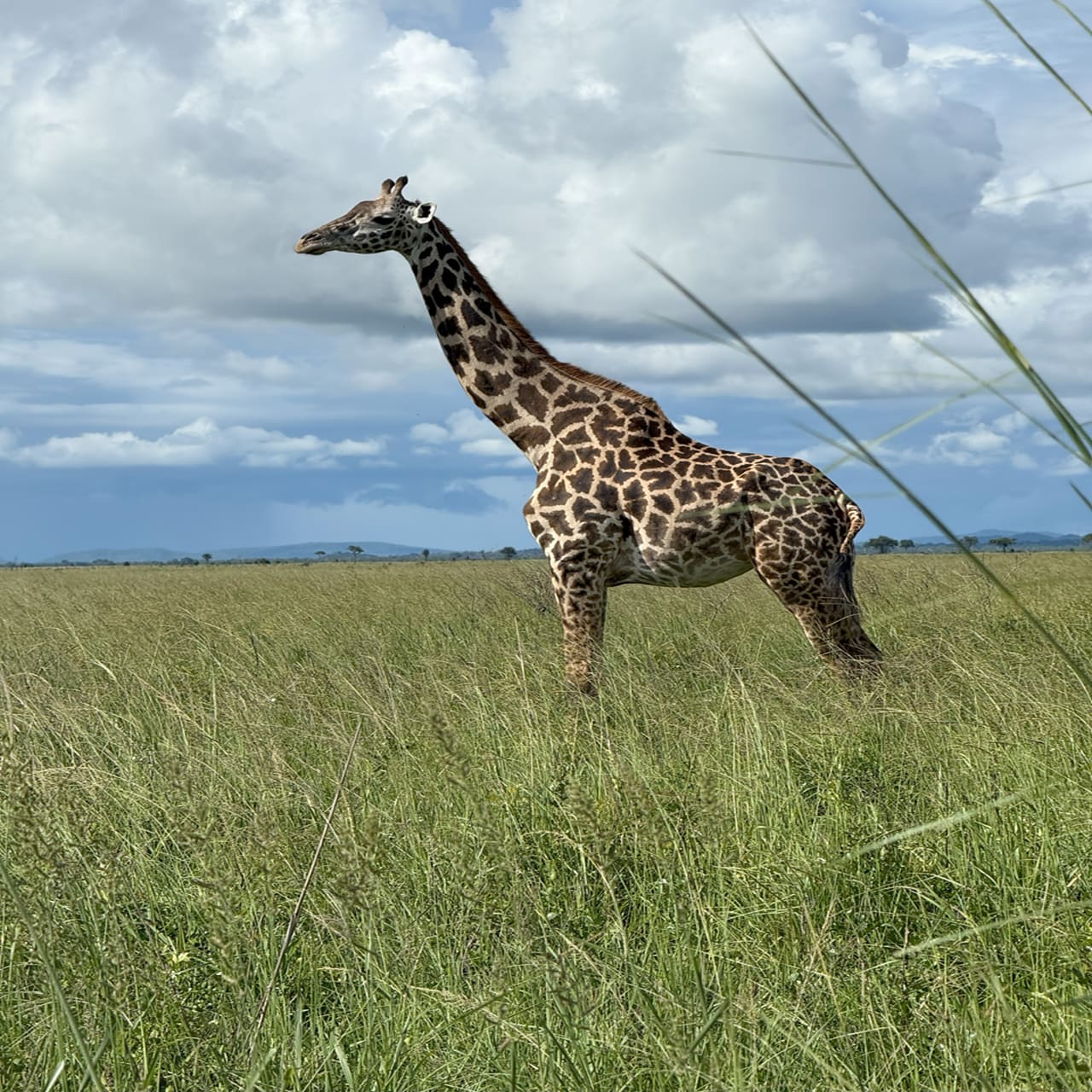
You drive to Serengeti National Park (4–5 hours). Each day includes morning and afternoon game drives. You'll spot lions, leopards, elephants, giraffes, and countless gazelles. Evenings include dinner and relaxation at your lodge. You might see river crossings during migration season (July–October). Overnight: Serengeti lodge or camp (4 nights).
Day 6: Ngorongoro Crater
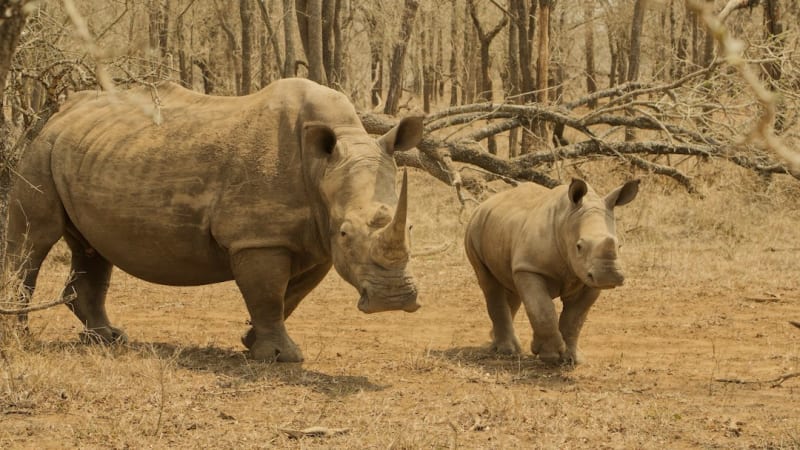
You leave Serengeti and drive to Ngorongoro (3–4 hours). In the afternoon, you descend 600 meters into the crater for a game drive. The crater floor is a self-contained ecosystem with over 25,000 large animals. You see flamingos at Lake Magadi and black rhinos on the crater floor. Overnight: Ngorongoro lodge.
Day 7: Return to Arusha
Early morning game drive in the crater, then return to Arusha (2–3 hours). You arrive mid-afternoon, rest, and prepare for your flight home. Some operators offer an optional visit to Lake Natron or Olduvai Gorge on this day if interested.
This schedule is flexible. Some operators add Olduvai Gorge (an archaeological site) or extend to 8–10 days to include more locations. Discuss customization options when requesting quotes from SafariFind operators.
How to Calculate and Compare Safari Costs
Calculating total safari cost requires adding several components. Don't compare only package price—factor in flights, visas, tips, and optional activities. Here's how to do the math for a 7-day safari.
Step 1: Choose Your Comfort Level
Decide if you want budget ($2,100–$3,500), mid-range ($2,800–$4,500), or luxury ($4,650–$6,299+) for 7 days. This is your largest expense. Be honest about what comfort level you need. Budget safaris are fine if you're outdoors most of the day; you only sleep there.
Step 2: Add International Flights
Flights from North America to Tanzania cost $800–$1,500 round-trip (economy). From Europe, expect $600–$1,200. Flights from Australia cost $1,200–$1,800. Book 2–3 months ahead for better rates. Many operators can arrange flights or provide recommendations.
Step 3: Include Visa and Travel Insurance
Tanzania visas cost $50–$100 depending on your nationality. Travel insurance (highly recommended) runs $150–$300 for 7 days. Don't skip insurance—it covers medical emergencies and trip cancellations.
Step 4: Budget for Tips, Drinks, and Extras
Tips for guides and staff are customary: budget 10–15% of your safari cost. If your safari costs $3,500, tip $350–$525. Alcoholic beverages at mid-range lodges cost $5–$10 per drink; luxury lodges include premium drinks. Optional activities like hot air balloon rides cost $300–$500 extra.
Step 5: Calculate Total Cost Per Person
Here's a sample breakdown for one person:
- Safari package (mid-range): $2,800
- International flight: $1,000
- Visa: $75
- Travel insurance: $200
- Tips and extras: $400
- Total: $4,475 per person
For a family of four using mid-range packages, total cost reaches $17,900 ($4,475 × 4). Compare safari packages on SafariFind to see exact pricing from verified operators before calculating your final budget.
Why Book Through SafariFind?
Booking through SafariFind connects you with verified tour operators who have been reviewed by real travelers. This protects you from scams and unreliable companies. SafariFind operators are transparent about pricing and inclusions, so you know exactly what you're paying for.
SafariFind lets you compare multiple operators side-by-side. Read authentic reviews from previous guests who've actually taken the safari. See photos, check ratings, and request quotes directly. Most operators respond within 24 hours with customized pricing for your dates and group size.
Verified operators on SafariFind follow industry standards for safety, sustainability, and service. You get peace of mind knowing your money goes to a reliable company. Many operators offer flexible booking policies and price matching if you find a better deal.
Key Takeaways
- Budget $3,500–$6,299 per person for a 7-day Serengeti and Ngorongoro safari in 2027, depending on comfort level and season.
- Book 3–6 months ahead for peak season (July–October) to secure lodging and save on early-bird rates.
- Park fees ($82 per day at Serengeti) are included in most package prices, so you won't pay extra at the gate.
- Mid-range packages ($2,800–$4,500) offer the best value for families and first-timers seeking balance between comfort and cost.
- Add 20–30% to package price for flights, visas, insurance, and tips to calculate your true total budget.
Frequently Asked Questions
How much does a safari in Tanzania cost?
A 7-day safari in Tanzania costs $3,500–$6,299 per person in 2027, depending on comfort level and season. Budget safaris run $2,100–$3,500. Mid-range safaris cost $2,800–$4,500. Luxury safaris exceed $4,650. Park entrance fees ($82 per day) are included in most packages.
What is the best month to do a safari in Tanzania?
The best months for a Tanzania safari are July–October for the Great Migration, or January–February for the calving season. Both offer excellent wildlife viewing and peak predator activity. July–October is busiest and most expensive; January–February offers mid-range prices and fewer crowds. Low season (April–June, November) costs 20–30% less but includes rain and smaller animal concentrations.
Which is the best safari in Tanzania?
The best safari in Tanzania combines Serengeti National Park and Ngorongoro Crater, offering two completely different ecosystems in one trip. The Serengeti showcases vast plains and the Great Migration; Ngorongoro features a unique crater ecosystem with over 25,000 large animals in one caldera. Read our comparison of Tanzania's best safaris to explore other options like Lake Natron or Gombe chimp trekking.
How much does a luxury safari cost in Tanzania?
A luxury safari in Tanzania costs $4,650–$6,299+ per person for 7 days. Luxury packages include high-end lodges with gourmet dining, spa services, private guides, and personalized experiences. Peak season (July–October) luxury safaris reach $6,000+. Mid-season (January–February) luxury packages run $5,000–$5,500. Luxury suits travelers seeking indulgence and willing to pay premium prices for comfort and exclusivity.
What questions should you ask before going on a Tanzania safari?
Before booking a Tanzania safari, ask these key questions: (1) What's included in the price—flights, meals, park fees? (2) What's the guide's experience level? (3) What vehicle type and group size? (4) What's the cancellation policy? (5) What's the lodge or camp condition? (6) Are alcoholic drinks included? (7) What's the tipping expectation? (8) What wildlife viewing guarantees exist? Request quotes from verified operators on SafariFind and ask these questions directly before committing.
Is it safe to do a safari in Tanzania right now?
Yes, Tanzania is safe for safari tourism in 2027. Millions of tourists visit annually without incident. Safari operators follow strict safety protocols. Avoid political demonstrations and stay in established parks and lodges. Check current travel advisories from your government before departure. Travel insurance is highly recommended. SafariFind operators meet international safety standards and have excellent safety records—read verified reviews before booking.
Conclusion
A 7-day Serengeti and Ngorongoro safari costs $3,500–$6,299 per person in 2027, depending on comfort level and travel season. This price includes park fees, guided game drives, accommodations, and meals. Peak season (July–October) costs more but guarantees the Great Migration spectacle. Low season (April–June, November) offers 20–30% savings and fewer crowds.
Understanding the daily cost breakdown helps you budget smartly. Mid-range packages ($2,800–$4,500 for 7 days) offer the best value for most travelers. Add flights, visas, insurance, and tips to your package price for an accurate total budget. Most families of four budget $15,000–$20,000 all-in for a 7-day safari.
Book your safari 3–6 months ahead to secure the best lodging and rates. Compare verified 7-day Serengeti and Ngorongoro packages on SafariFind to see current pricing from trusted operators. Read authentic reviews from previous travelers, request customized quotes, and choose the operator that best fits your budget and travel style. Your dream safari awaits!
Plan Your Safari with SafariFind
These recommendations use real data from SafariFind, where you can compare operators, browse packages, and read verified traveler reviews before you book.
Recommended Safari Operators from SafariFind
Top Safari Packages from SafariFind
What Travelers Say (SafariFind Reviews)
References
- Pavlus Travel – Tanzania: The Serengeti, Ngorongoro Crater & Local Flavours | 7-Day G Adventures Tour
- Haven Trails – Tanzania Safari 2026/2027: Best Itineraries, Costs, Parks & Planning Tips
- Kiliserengoro Tours – Serengeti and Ngorongoro Safari Cost 2026, 2027
- African Natural Tours – The Best 8 Days Serengeti Safari in Tanzania for 2026, 2027, and 2028
- Nkuringo Safaris – 7-Day Serengeti Ngorongoro Wilderness Safari
- Ella McKendrick – Ultimate 7-10 Day Tanzania Safari Itinerary & Costs
- Tanzania Ngorongoro Safaris – Ngorongoro Safari Cost Guide & Price Breakdown
- Orbridge – Travel with Washington State Alumni Association: Tanzania Wildlife Safari 2027
V2Ui.sources
- Pavlus Travel – Tanzania: The Serengeti, Ngorongoro Crater & Local Flavours | 7-Day G Adventures Tour
- Haven Trails – Tanzania Safari 2026/2027: Best Itineraries, Costs, Parks & Planning Tips
- Kiliserengoro Tours – Serengeti and Ngorongoro Safari Cost 2026, 2027
- African Natural Tours – The Best 8 Days Serengeti Safari in Tanzania for 2026, 2027, and 2028
- Nkuringo Safaris – 7-Day Serengeti Ngorongoro Wilderness Safari
- Ella McKendrick – Ultimate 7-10 Day Tanzania Safari Itinerary & Costs
- Tanzania Ngorongoro Safaris – Ngorongoro Safari Cost Guide & Price Breakdown
- Orbridge – Travel with Washington State Alumni Association: Tanzania Wildlife Safari 2027
Related to
Ready to start your safari adventure?
Explore curated safari packages and find your perfect African adventure with verified operators.