 1 / 3
1 / 3🇧🇼 Botswana
Gemsbok National Park
Size
27,000 km²
Ideal stay
3 days
Established
Loading SafariFind...
1 / 3Size
27,000 km²
Ideal stay
3 days
Established
SafariFind app
Keep up with your inquiries and bookings, and message operators wherever you are.

Nearest airport
No major commercial airport is located inside the Botswana section; access is primarily by road or charter arrangement. Confirm the current airstrip and transfer plan with your operator
Nearest town: Gaborone is the main major-city reference point for road access, but the park is remote and the final approach requires detailed route planning
A reliable official park entry fee and average daily rate were not provided in the available sources, and costs vary by camping, vehicle, guide, and cross-border arrangements. A 4WD self-drive visit usually requires permits, fuel, camping equipment, and recovery gear, while guided packages include transport and guiding; compare current operator quotes on SafariFind.com.
June to October is generally the best time because dry conditions concentrate wildlife near water points and river valleys. November to March is hotter, greener after rain, quieter, and potentially less expensive, but wet-weather tracks can become difficult.
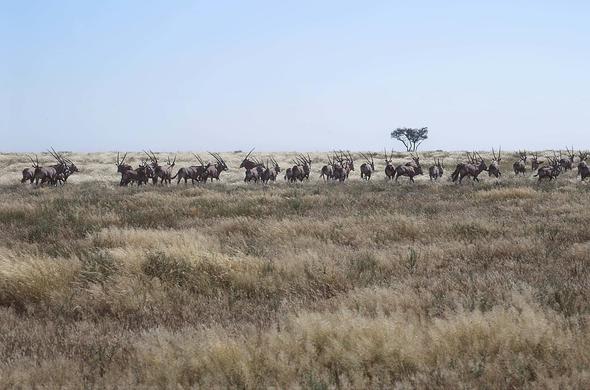
Visitors can see gemsbok, springbok, red hartebeest, wildebeest, eland, kudu, cheetah, leopard, spotted hyena, and black-maned Kalahari lions. The park is not a reliable Big Five destination because buffalo and rhinoceros are not among its signature wildlife, but more than 200 bird species occur across the wider transfrontier park.
Most travelers reach the Botswana section by a planned 4WD road journey because there is no major commercial airport inside the park. Charter flights and airstrips may be available through selected operators, but routes, permits, and transfer times must be confirmed before booking.
The park can suit families with older children who tolerate long drives, remote camps, heat, and cold nights. Ask each lodge or operator about minimum ages, child policies, private vehicles, and walking rules because activities and accommodation vary.
Three days allows time for several dawn and afternoon drives without making the visit rushed. Two days can provide a brief introduction, while four or more days suit photographers, self-drivers, and travelers adding the South African section of the transfrontier park.
Accommodation is generally based around remote campsites, park rest camps, and selected operator-run desert lodges rather than large towns. Choose a camp near a riverbed or water point for easier wildlife viewing, and reserve early because supplies and services are limited.
Gemsbok National Park is worth visiting for travelers who value open Kalahari scenery, low-density game viewing, black-maned lions, gemsbok, and self-drive adventure. It is a better match for remote desert exploration than for travelers seeking dense elephant herds or water-based activities.
A guide is not always required for a properly equipped self-drive visit, but guided travel is safer and simpler on deep-sand tracks and remote routes. Guides also improve predator tracking and help with permits, recovery planning, wildlife etiquette, and cross-border logistics.
You can compare safari packages, read verified traveler reviews, and book through trusted operators on SafariFind.com. This lets you compare prices and find the best itinerary for your budget and interests.
More places in Botswana
© 2026 SafariFind. All rights reserved.