Ethiopia Safari vs Rwanda 2026: Wildlife, Cost & Which Wins
Ethiopia safari costs $1,200–$2,800 vs Rwanda $1,500–$3,000. Ethiopia wins on budget and endemic wildlife. Rwanda wins on gorilla trekking. Compare both for 2026.

Ethiopia Safari vs Rwanda 2026: Wildlife, Cost & Which Wins
Last updated: July 2026
Ethiopia safaris cost $1,200–$2,800 per person for 7 days with unique wildlife like Hamadryas baboons and Walia ibex, while Rwanda safaris range $1,500–$3,000 for mountain gorilla trekking and lush rainforests. Ethiopia wins on value and rare endemic species. Rwanda wins on gorilla encounters and safety. Choose Ethiopia for budget adventure and wildlife diversity; choose Rwanda for gorilla trekking and political stability. Compare verified packages on SafariFind to find your perfect match.
At a Glance
- Ethiopia Safari Cost: $1,200–$2,800 per person for 7 days
- Rwanda Safari Cost: $1,500–$3,000 per person for 7 days
- Ethiopia Best Time: October–May (dry season, best wildlife viewing)
- Rwanda Best Time: June–September and December–February (dry seasons)
- Ethiopia Wildlife: Hamadryas baboons, Walia ibex, hyenas, Ethiopian wolves
- Rwanda Wildlife: Mountain gorillas, chimpanzees, golden monkeys, antelopes
- Ethiopia Best For: Budget travelers, wildlife enthusiasts, off-the-beaten-path adventurers
- Rwanda Best For: Gorilla trekkers, nature photographers, travelers seeking comfort and safety
What is Ethiopia Safari vs Rwanda 2026: Wildlife, Cost & Which Wins?
Ethiopia Safari vs Rwanda 2026 compares two East African destinations with distinct wildlife, costs, and experiences. Ethiopia offers rare endemic species and lower prices ($1,200–$2,800 per person). Rwanda specializes in mountain gorilla trekking at higher costs ($1,500–$3,000). Both deliver unforgettable African adventures with different advantages for different travelers.
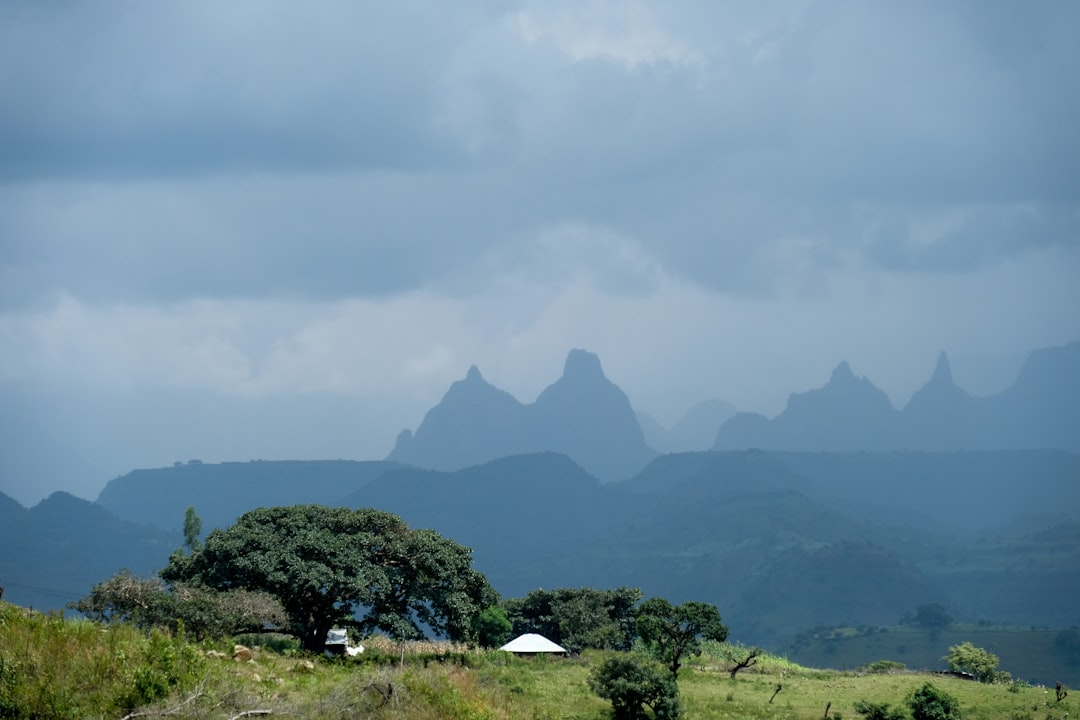
Ethiopia safari vs Rwanda 2026 is a decision between two incredible but different African experiences. Ethiopia showcases dramatic landscapes like the Simien Mountains and unique wildlife found nowhere else on Earth. Rwanda offers the world-famous mountain gorilla trekking in lush, misty rainforests with excellent infrastructure and safety.
The choice depends on your budget, wildlife priorities, and travel style. Ethiopia costs less and attracts adventurers seeking raw wilderness. Rwanda costs more but guarantees gorilla encounters and reliable logistics. Both countries deliver authentic African safaris with passionate guides and breathtaking scenery.
Why Compare Ethiopia and Rwanda?
These two countries represent opposite ends of the East African safari spectrum. Ethiopia is the continent's oldest independent nation with isolated wildlife reserves. Rwanda recovered from conflict to become Africa's safest and most organized destination. Understanding the differences helps you choose the safari that matches your goals and budget.
Many travelers assume all African safaris are alike. They're not. Ethiopia's Simien Mountains National Park features endemic species and challenging terrain. Rwanda's Volcanoes National Park offers guaranteed gorilla sightings and comfortable lodges. Your choice shapes your entire experience.
Ethiopia Safari: Wildlife, Cost & Experience
What Makes Ethiopia Safari Unique?
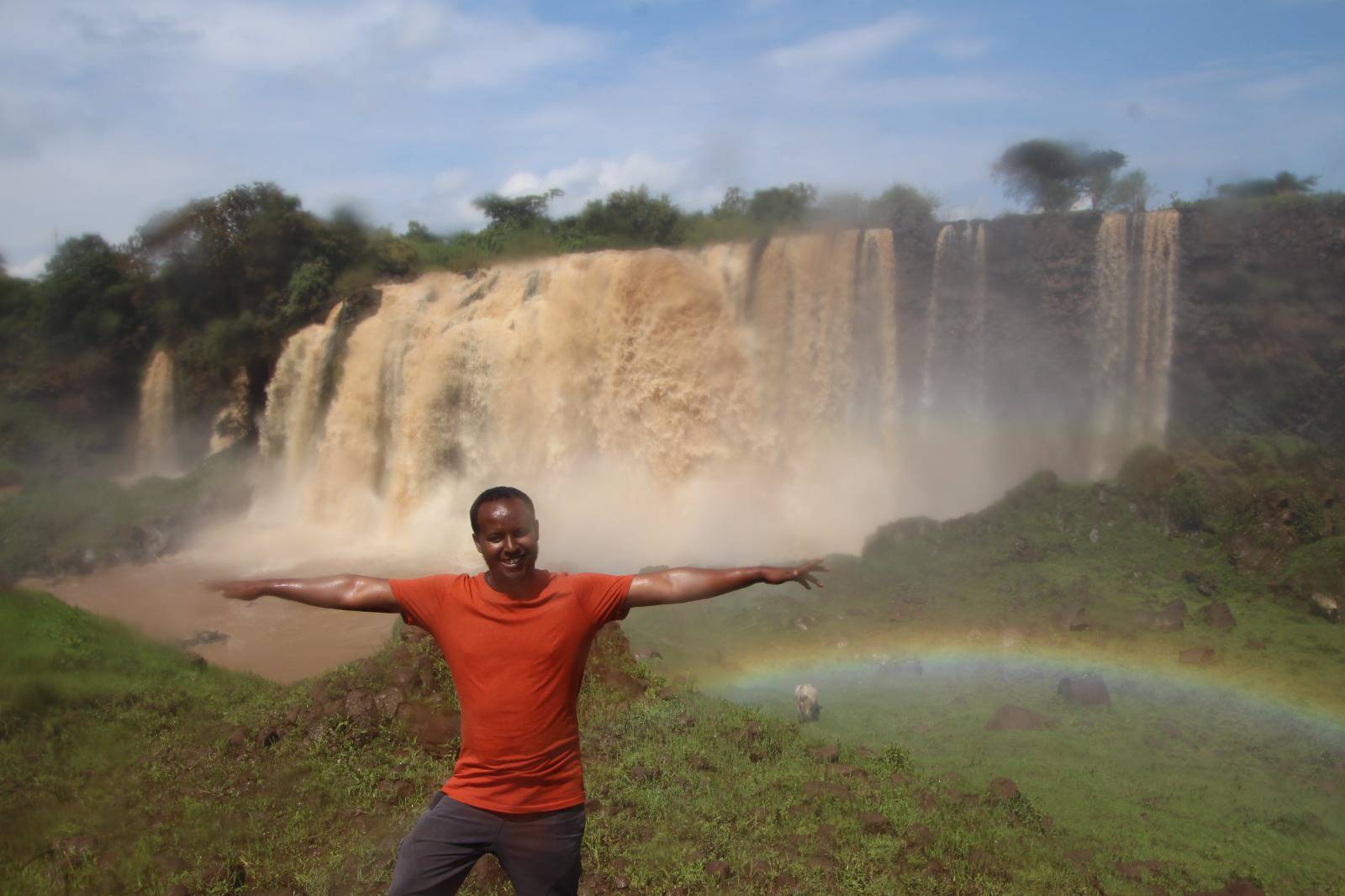
Ethiopia safari delivers rare wildlife and dramatic landscapes at lower costs than most African destinations. The country hosts endemic species found nowhere else on Earth, including the Ethiopian wolf, Walia ibex, and Hamadryas baboons. Simien Mountains National Park, a UNESCO World Heritage site, rises over 4,000 meters with stunning views and unique biodiversity.
Ethiopia offers authentic wilderness experiences without the tourist crowds of Kenya or Tanzania. You'll encounter fewer vehicles at wildlife viewings and feel closer to untamed Africa. The guides are passionate and knowledgeable about Ethiopia's unique ecosystems and cultural heritage.
Ethiopia Safari Wildlife Highlights
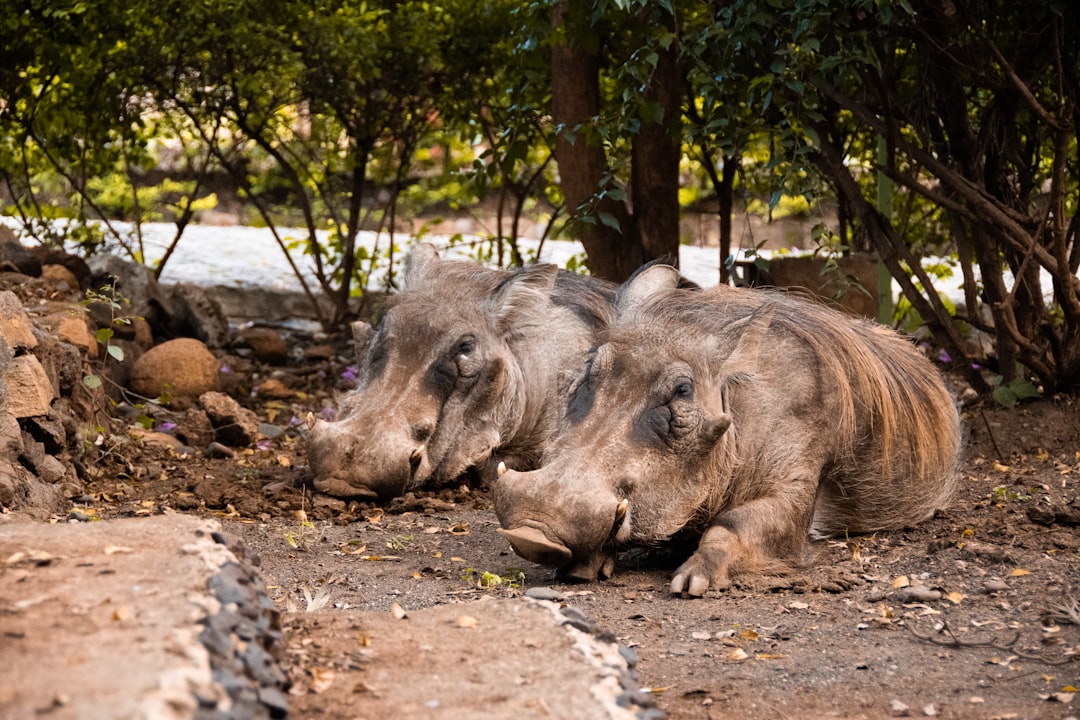
Ethiopia safari showcases endemic species that wildlife enthusiasts travel specifically to see. The Ethiopian wolf is Africa's rarest carnivore, with fewer than 500 remaining in the wild. Walia ibex, a mountain antelope found only in Simien Mountains, grazes on steep cliff faces. Hamadryas baboons display intricate social behaviors in large groups across rocky terrain.
Other notable wildlife includes:
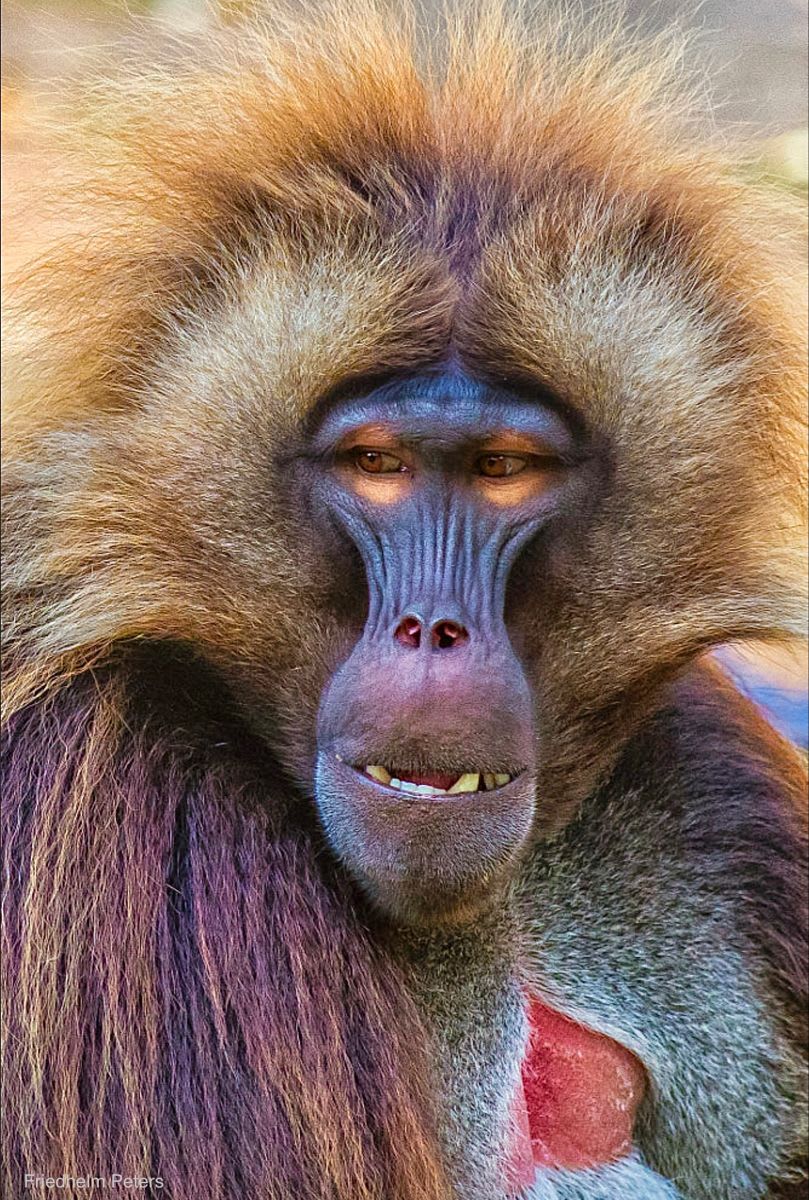
- Gelada baboons—unique grass-eating primates with red chest patches
- Spotted hyenas—highly social carnivores active at dawn and dusk
- Lammergeier eagles—massive vultures with 3-meter wingspans
- Various antelope species—klipspringer, bushbuck, and duiker
- Colobus monkeys—acrobatic primates in forested areas
Unlike Kenya or Tanzania, Ethiopia safari focuses on landscape and endemic species rather than Big Five density. This appeals to photographers, naturalists, and travelers seeking unique wildlife encounters.
Ethiopia Safari Cost Breakdown 2026
Ethiopia safari costs $1,200–$2,800 per person for 7 days, making it among Africa's most affordable safari destinations. This includes accommodation, meals, guides, and park fees. Budget safaris start at $1,200, mid-range at $1,800, and luxury at $2,800. The lower cost reflects Ethiopia's less-developed tourism infrastructure compared to Kenya or Rwanda.
Cost components include:
- Accommodation: $40–$150 per night depending on lodge quality
- Park fees: $50–$100 per day for Simien Mountains National Park
- Guide and vehicle: $80–$200 per day
- Meals: $15–$40 per day at lodges
- Domestic flights: $100–$300 to reach safari regions from Addis Ababa
Ethiopia safari is 20–30% cheaper than Rwanda for comparable quality. The savings come from lower accommodation costs, fewer tourists, and less-developed but authentic tourism infrastructure. Learn more about Ethiopia Safari in Dry Season 2026 for detailed pricing.
Ethiopia Safari Best Time to Visit
October through May is Ethiopia's dry season and the best time for safari. Days are warm (20–25°C), nights are cool (5–10°C), and wildlife congregates around water sources. October is ideal for hiking Simien Mountains with clear skies and comfortable temperatures. October 2026 offers post-dry season pricing and excellent wildlife viewing.
June through September brings rain, making hiking difficult and wildlife dispersed. However, prices drop 15–20% during wet season, and fewer tourists mean more solitude. July 2026 safaris offer shoulder-season deals.
Rwanda Safari: Gorillas, Comfort & Safety
What Makes Rwanda Safari Special?
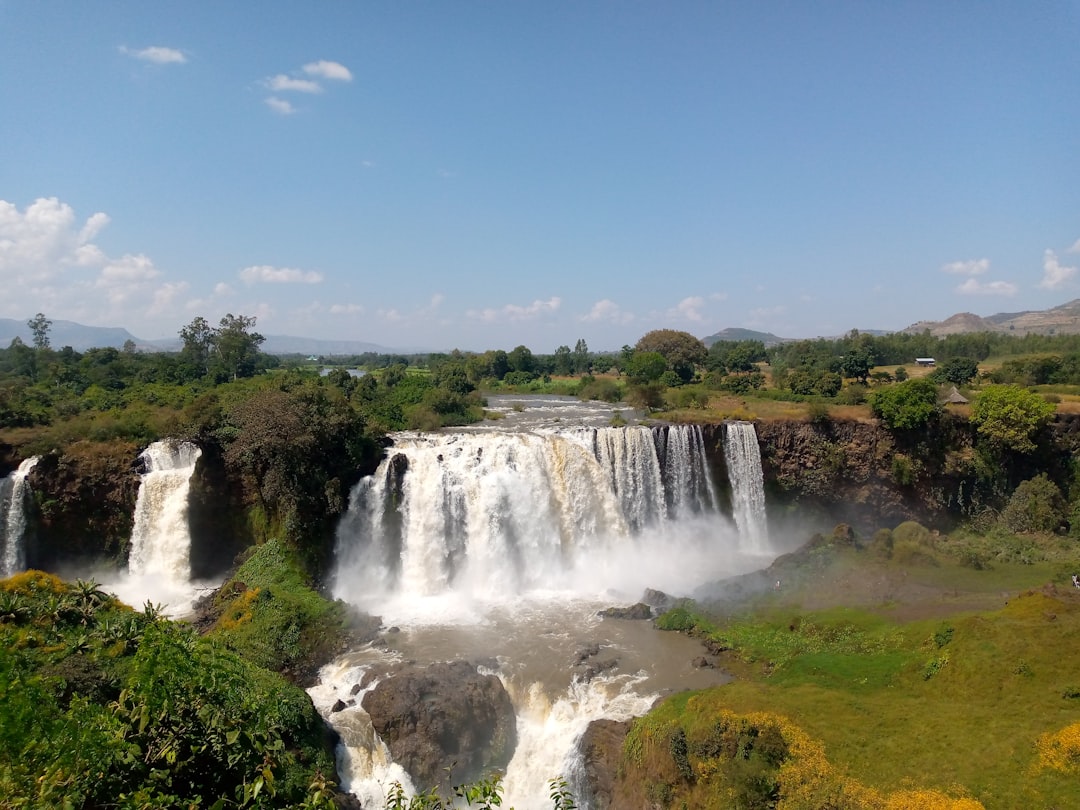
Rwanda safari centers on mountain gorilla trekking in Volcanoes National Park, one of Africa's most thrilling wildlife experiences. Visitors hike through misty rainforests to encounter gorilla families in their natural habitat. The experience lasts 1–2 hours per group, with maximum eight visitors per group. Groups are limited to protect gorilla populations.
Rwanda offers more comfortable tourism infrastructure than Ethiopia, with excellent lodges, reliable guides, and organized logistics. The country prioritizes visitor safety and has Africa's lowest crime rate. Roads are well-maintained, transportation reliable, and English widely spoken. This appeals to travelers prioritizing comfort and ease.
Rwanda Safari Wildlife Highlights
Mountain gorillas are Rwanda's star attraction. Approximately 1,000 mountain gorillas exist in the wild, with about 600 in Rwanda's Volcanoes National Park. Seeing a gorilla family—the alpha silverback, females, infants, and juveniles—is a profound wildlife experience that justifies the high cost. Viewing time is limited to one hour per gorilla group per day to minimize stress on the animals.
Beyond gorillas, Rwanda safari features:
- Golden monkeys—endemic primates with striking orange fur
- Chimpanzees—found in Nyungwe Forest National Park
- Various antelope species—bushbuck, duiker, and forest buffalo
- Birdlife—over 650 bird species in Volcanoes National Park
- Volcanic landscapes—dramatic peaks and crater lakes
Rwanda safari emphasizes primate encounters and rainforest biodiversity rather than open-savanna wildlife. This appeals to primatologists, nature photographers, and travelers seeking intimate wildlife moments in lush settings.
Rwanda Safari Cost Breakdown 2026
Rwanda safari costs $1,500–$3,000 per person for 7 days, with mountain gorilla trekking permits driving the premium price. A gorilla permit alone costs $1,500 per person, making it the world's most expensive gorilla experience. Additional costs cover accommodation, meals, guides, and other park fees.
Cost components include:
- Gorilla permit: $1,500 per person (mandatory for trekking)
- Accommodation: $100–$300 per night at quality lodges
- Park fees: $50–$100 per day for other activities
- Guide and vehicle: $120–$250 per day
- Meals: $25–$60 per day at quality restaurants
- Flights to Kigali: International flights from US/Europe ($800–$1,500)
Rwanda's gorilla permit is non-negotiable and represents 50% of your safari budget. Mid-range lodges cost $100–$150 per night, compared to $40–$80 in Ethiopia. Meals are more expensive and Western restaurants common. Rwanda's organized tourism infrastructure justifies higher costs through reliability and comfort.
Rwanda Safari Best Time to Visit
Rwanda has two dry seasons: June–September and December–February. Both offer clear skies, minimal rain, and excellent gorilla trekking conditions. June–September is the longer dry season with the most reliable weather. December–February is warmer but slightly wetter. Gorilla trekking is possible year-round, but dry seasons offer the easiest hiking.
Pricing peaks during dry seasons (June–September, December–February) with gorilla permits at full cost. Wet seasons (March–May, October–November) see 10–15% price reductions and fewer trekkers, though rain increases hiking difficulty.
Ethiopia vs Rwanda: Direct Comparison
Wildlife Comparison
| Aspect | Ethiopia | Rwanda |
|---|---|---|
| Star Wildlife | Ethiopian wolves, Walia ibex, Hamadryas baboons | Mountain gorillas, golden monkeys, chimpanzees |
| Endemic Species | High (many species found only in Ethiopia) | Moderate (some endemic species) |
| Big Five | Absent or very rare | Absent (highland forest habitat) |
| Wildlife Density | Lower (spread across vast landscapes) | Moderate (concentrated in national parks) |
| Primate Encounters | Good (various monkey species) | Excellent (gorillas, chimps, golden monkeys) |
| Birdwatching | Excellent (500+ species) | Excellent (650+ species) |
Winner: Tie for different reasons. Ethiopia wins for endemic species and rare wildlife. Rwanda wins for primate encounters and gorilla guarantees. Choose Ethiopia if you seek unique species found nowhere else. Choose Rwanda if gorilla trekking is your priority.
Cost Comparison
| Cost Category | Ethiopia | Rwanda |
|---|---|---|
| 7-Day Safari | $1,200–$2,800 | $1,500–$3,000 |
| Budget Option | $1,200 | $2,000 (with gorilla permit) |
| Mid-Range Option | $1,800 | $2,300 |
| Luxury Option | $2,800 | $3,000+ |
| Accommodation/Night | $40–$150 | $100–$300 |
| Meals/Day | $15–$40 | $25–$60 |
Winner: Ethiopia. Ethiopia is 20–30% cheaper across all budget levels. Ethiopia offers true budget safaris at $1,200. Rwanda's minimum cost is $2,000 due to the $1,500 gorilla permit. Choose Ethiopia to maximize wildlife experiences on a tight budget. Choose Rwanda if you're willing to pay premium prices for gorilla trekking.
Safety & Infrastructure Comparison
Rwanda is Africa's safest country with excellent infrastructure, reliable transportation, and English widely spoken. Roads are paved, hospitals modern, and tourist services professional. Security is tight, and the government prioritizes tourism safety. Rwanda is ideal for first-time safari travelers or those preferring organized, predictable experiences.
Ethiopia is less developed but increasingly safe for tourists in designated safari areas. Infrastructure is basic but improving. English is less common outside tourist zones. Ethiopia appeals to experienced travelers comfortable with adventure and unpredictability. Both countries are safe with proper precautions and reputable guides.
Winner: Rwanda. Rwanda offers superior safety, infrastructure, and English-speaking services. Ethiopia offers authentic, less-touristy experiences for adventurous travelers.
Best For: Which Destination Wins for You?
Choose Ethiopia if you:
- Want to maximize wildlife experiences on a limited budget
- Seek rare endemic species found nowhere else
- Prefer off-the-beaten-path adventures with fewer tourists
- Are an experienced traveler comfortable with basic infrastructure
- Value landscape and wilderness over comfort and convenience
- Have 7+ days to explore multiple regions
Choose Rwanda if you:
- Dream of seeing mountain gorillas in their natural habitat
- Prioritize safety, comfort, and reliable infrastructure
- Prefer organized, predictable tourism experiences
- Are a first-time safari traveler or prefer convenience
- Want excellent English-speaking guides and services
- Are willing to pay premium prices for gorilla guarantees
How to Plan Your Ethiopia vs Rwanda Safari in 2026
Step 1: Choose Your Destination by Priority
Start by listing your top three safari priorities: budget, wildlife, comfort, or adventure. If budget tops your list, Ethiopia wins. If gorilla trekking is non-negotiable, Rwanda wins. If you want comfort and safety, Rwanda wins. If you seek rare species and wilderness, Ethiopia wins. This single decision clarifies your destination choice.
Ask yourself: "What would I regret missing most?" Gorillas? Unique Ethiopian species? Comfortable lodges? Your answer determines your destination. Most travelers choose Rwanda for gorillas or Ethiopia for budget and endemic species.
Step 2: Plan Your Travel Dates
Book Ethiopia safaris during October–May for the dry season and best wildlife viewing. October–December offers cool temperatures and clear skies. January–May brings warmer weather and lower prices. Book Rwanda safaris during June–September for the longest dry season and most reliable gorilla trekking. December–February is also good but slightly wetter.
Peak season (June–September, December–February) brings full pricing and crowded parks. Shoulder season (October–November, March–May) offers better prices and fewer tourists. Book 3–6 months ahead to secure gorilla permits in Rwanda or quality Ethiopia lodges.
Step 3: Set Your Budget and Book Through SafariFind
Set a realistic budget including flights, safari costs, meals, tips, and travel insurance. Ethiopia safaris range $1,200–$2,800 per person for 7 days. Rwanda safaris range $1,500–$3,000 per person for 7 days. Add international flights ($800–$1,500 from North America), travel insurance ($100–$300), and incidentals ($200–$500).
Browse verified safari packages on SafariFind to compare operators, prices, and authentic traveler reviews. Request quotes from multiple operators to find the best value. Read reviews from previous travelers to assess guide quality, lodge standards, and wildlife encounter success rates. Compare Ethiopia and Rwanda safari packages on SafariFind to find your perfect match.
Step 4: Book Your Permits and Logistics
Ethiopia safaris require no advance permits. Rwanda safaris require a $1,500 gorilla permit per person (mandatory for trekking). Book gorilla permits 3–6 months ahead as availability is limited to 80 permits daily across all operators. Your tour operator handles permit booking.
Arrange travel insurance covering medical evacuation, trip cancellation, and adventure activities. Get vaccinations for yellow fever, typhoid, and malaria prophylaxis (consult your doctor). Both countries require valid passports with 6+ months validity. US and EU citizens don't need visas for Ethiopia; Rwanda visas are available on arrival or online ($50).
Step 5: Prepare Physically and Mentally
Ethiopia safari includes hiking at high altitudes (up to 4,000+ meters in Simien Mountains). Train your cardiovascular fitness 4–6 weeks before travel. Rwanda gorilla trekking involves 2–6 hours of hiking on steep, muddy terrain. Break in your hiking boots and practice on local trails.
Bring proper gear: hiking boots, rain jacket, warm layers (high altitudes get cold), sun protection, and binoculars. Pack light—most lodges have laundry services. Bring a quality camera with extra batteries, memory cards, and a lens cleaning kit for dusty conditions.
Key Takeaways
- Book Ethiopia safari for $1,200–$2,800 per person to see rare endemic species like Ethiopian wolves and Walia ibex in dramatic mountain landscapes. Ethiopia offers 20–30% savings compared to Rwanda while delivering authentic wilderness experiences.
- Book Rwanda safari for $1,500–$3,000 per person to trek mountain gorillas in misty rainforests with guaranteed encounters and premium comfort. The $1,500 gorilla permit is mandatory but delivers unforgettable primate experiences unavailable elsewhere.
- Choose Ethiopia if you prioritize budget, rare endemic species, and off-the-beaten-path adventures. October–May dry season offers the best wildlife viewing and hiking conditions at lower prices than peak season.
- Choose Rwanda if you prioritize gorilla trekking, safety, comfort, and reliable infrastructure. June–September dry season guarantees excellent gorilla encounters and stable weather for 6-hour daily treks.
- Book your safari 3–6 months ahead through SafariFind to compare verified operators, read authentic traveler reviews, and secure Rwanda's limited gorilla permits. Early booking saves 10–20% on peak-season rates and ensures availability.
Frequently Asked Questions
How much does Ethiopia safari cost vs Rwanda safari in 2026?
Ethiopia safari costs $1,200–$2,800 per person for 7 days, while Rwanda safari costs $1,500–$3,000 per person. Ethiopia is 20–30% cheaper because accommodation and park fees are lower. Rwanda's high cost is driven by the $1,500 mountain gorilla permit, which is mandatory for trekking. Budget travelers should choose Ethiopia; gorilla trekkers should choose Rwanda.
Which country has better wildlife: Ethiopia or Rwanda?
Ethiopia and Rwanda excel in different wildlife categories. Ethiopia features rare endemic species like Ethiopian wolves, Walia ibex, and Hamadryas baboons found nowhere else. Rwanda specializes in mountain gorillas, golden monkeys, and chimpanzees in lush rainforests. Ethiopia wins for endemic species diversity; Rwanda wins for primate encounters. See Ethiopia's complete 7-day wildlife checklist.
Is Rwanda safer than Ethiopia for safari travel?
Rwanda is Africa's safest country with excellent infrastructure, modern hospitals, and reliable security. English is widely spoken, roads are paved, and tourism services are professional. Ethiopia is less developed but increasingly safe in designated safari areas. Both countries are safe with reputable guides and proper precautions. Rwanda is better for first-time travelers; Ethiopia suits experienced adventurers comfortable with basic infrastructure.
What is the best time to visit Ethiopia vs Rwanda safari?
Ethiopia's best time is October–May (dry season) for clear skies and comfortable hiking temperatures. October–December offers cool weather and lower prices. Rwanda's best time is June–September (longest dry season) for reliable gorilla trekking. Both countries have shoulder seasons (October–November, March–May for Ethiopia; March–May for Rwanda) with 15–20% lower prices and fewer tourists.
Can I see mountain gorillas in Ethiopia?
No. Mountain gorillas live only in Rwanda, Uganda, and the Democratic Republic of Congo. Ethiopia does not have mountain gorillas. Ethiopia features other primates like Hamadryas baboons, gelada baboons, and colobus monkeys. If gorilla trekking is your goal, you must choose Rwanda. Ethiopia offers unique primate experiences with endemic monkey species instead.
Which safari is easier for beginners: Ethiopia or Rwanda?
Rwanda is easier for beginners because of superior infrastructure, English-speaking guides, professional services, and reliable logistics. Ethiopia requires more self-reliance and comfort with basic conditions. Rwanda gorilla trekking is strenuous (2–6 hours uphill) but well-organized. Ethiopia hiking is also strenuous but less structured. Both require moderate fitness. Rwanda is recommended for first-time safari travelers.
How do I book Ethiopia or Rwanda safari on SafariFind?
Visit SafariFind to browse verified safari operators and packages for both destinations. Read authentic traveler reviews and compare prices, durations, and included amenities. Request quotes from multiple operators to find the best value. SafariFind's verified operators handle all logistics, permits, and logistics. Request quotes from verified tour operators on SafariFind to start planning your safari today.
Conclusion
Ethiopia safari vs Rwanda 2026 presents two distinct East African experiences. Ethiopia delivers rare endemic wildlife, dramatic mountain landscapes, and exceptional value at $1,200–$2,800 per person. Rwanda offers world-famous mountain gorilla trekking, premium comfort, and superior safety at $1,500–$3,000 per person.
Choose Ethiopia if budget and endemic species matter most. October–May dry season offers the best wildlife viewing and hiking. Choose Rwanda if mountain gorilla encounters are non-negotiable. June–September dry season guarantees excellent trekking conditions.
Both countries deliver unforgettable African safari experiences. Ethiopia suits budget-conscious travelers and wildlife enthusiasts seeking unique species. Rwanda suits gorilla trekkers and travelers prioritizing comfort and safety. The best choice depends on your priorities, budget, and travel style.
Start planning your 2026 safari today. Compare verified Ethiopia and Rwanda safari packages on SafariFind to browse operators, read authentic reviews, and request quotes. With proper planning and a reputable operator, your Ethiopia or Rwanda safari will become a lifelong memory.
Plan Your Safari with SafariFind
These recommendations use real data from SafariFind, where you can compare operators, browse packages, and read verified traveler reviews before you book.
Recommended Safari Operators from SafariFind
Recommended Safari Packages from SafariFind
What Travelers Say (SafariFind Reviews)
References
- Gorilla Trekking in Africa Cost & Guide, Uganda, Rwanda & Congo - Africa Tour Operators
- Rwanda vs South Africa Safari: Safety, Cost & Wildlife 2026 - SafariFind
- Addis Ababa vs Kigali (2026) - Which Is Better for Your Trip? - Tripbase
- African Safaris | Africa Safari Packages, Vacation Tours - Prime Uganda Safaris
- Uganda vs Rwanda Gorilla Trekking Cost (2026) Guide | Which is Better? - Nature Bound Africa
- East Africa Itinerary 2026: Safari Routes, Permits & Tips - Duma Explorer
- African Safari Pricing 2026 | Affordable Costs from $150/Day - African Budget Safaris
- Uganda vs Rwanda Gorilla Trekking Tours: A Complete Guide - African Travel Hub
Sources
- Gorilla Trekking in Africa Cost & Guide, Uganda, Rwanda & Congo
- Rwanda vs South Africa Safari: Safety, Cost & Wildlife 2026
- Addis Ababa vs Kigali (2026) - Which Is Better for Your Trip?
- African Safaris | Africa Safari Packages, Vacation Tours
- Uganda vs Rwanda Gorilla Trekking Cost (2026) Guide | Which is Better?
- East Africa Itinerary 2026: Safari Routes, Permits & Tips
- African Safari Pricing 2026 | Affordable Costs from $150/Day
- Uganda vs Rwanda Gorilla Trekking Tours: A Complete Guide
Related to
Ready to start your safari adventure?
Explore curated safari packages and find your perfect African adventure with verified operators.