Hidden Safari Gems Beyond the Kruger: Lesser-Known African Destinations
Discover Hidden Safari Gems Beyond the Kruger: Lesser-Known African Destinations - Expert guide to safari tourism and wildlife destinations.
Hidden Safari Gems Beyond Kruger
Quick Summary: While Kruger National Park draws millions of visitors annually, Africa's hidden safari gems offer exceptional wildlife viewing with fewer crowds. Lesser-known destinations like the Okavango Delta, Hwange National Park, and Selous Game Reserve deliver authentic safari experiences. SafariFind connects you with verified tour operators in these remote locations, ensuring quality service and authentic reviews from real travelers.
Discover Africa's Best-Kept Safari Secrets
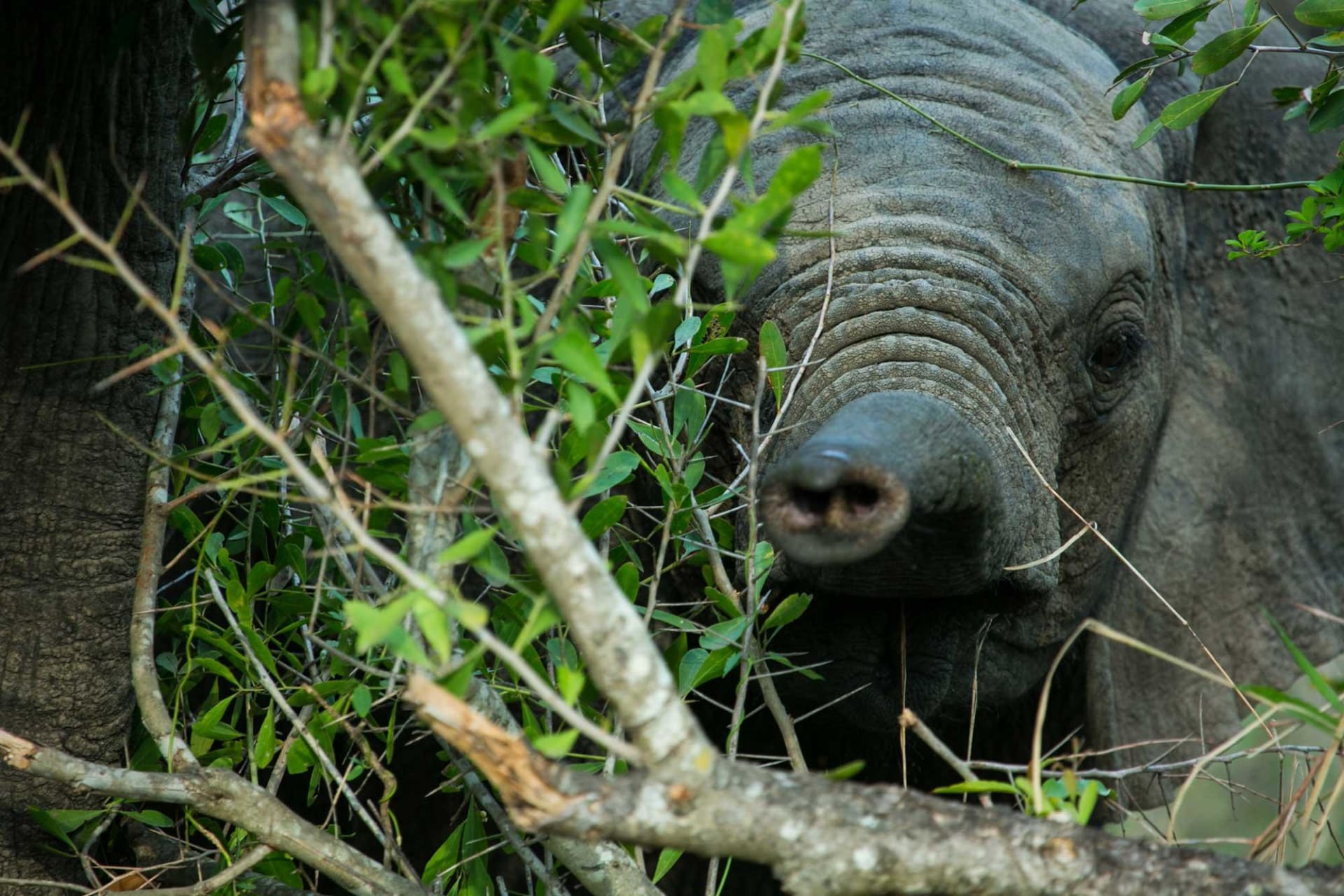
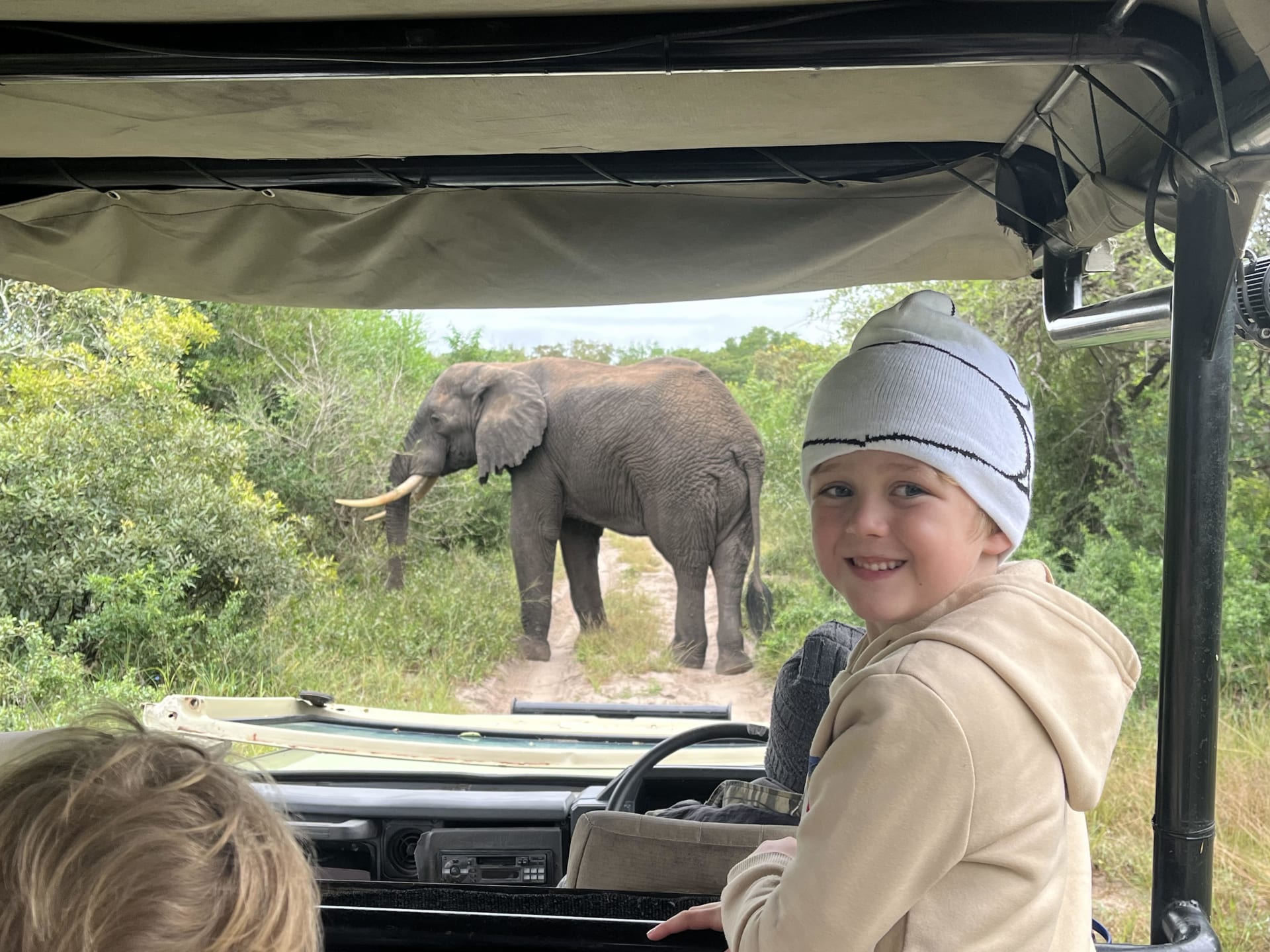
Imagine tracking lions across vast savannas without seeing another vehicle. Picture yourself watching elephants at a watering hole with only your guide nearby. This is the reality of hidden safari gems beyond Kruger—Africa's lesser-known destinations offering world-class wildlife experiences. While Kruger National Park remains iconic, thousands of other safari locations deliver equally stunning encounters with lower visitor numbers and more intimate experiences.
Many travelers assume Kruger is the only choice for African safaris. However, countries like Botswana, Zimbabwe, Tanzania, and Zambia host remarkable parks that rival Kruger's biodiversity. These destinations feature similar wildlife populations, often with better sighting opportunities. The key difference? Fewer tourists and more personal attention from guides.
This guide explores Africa's hidden safari destinations. You'll learn where to find exceptional wildlife viewing. You'll discover how to plan trips to remote locations. Most importantly, you'll understand why these lesser-known parks deserve your attention. SafariFind makes finding verified tour operators in these regions simple and reliable.
What Are Hidden Safari Gems Beyond Kruger?
Understanding Lesser-Known Safari Destinations
Hidden safari gems are African parks and reserves that offer exceptional wildlife viewing but receive fewer international visitors than famous destinations like Kruger. These locations maintain pristine ecosystems with abundant animals. They provide authentic safari experiences without overwhelming crowds. Many operate with sustainable practices that benefit local communities.
The term "hidden gem" doesn't mean these parks are unknown to locals or safari professionals. Rather, they're underappreciated by international tourists who default to famous names. These destinations deserve recognition for their conservation efforts, wildlife populations, and visitor experiences.
Key Features of Lesser-Known Safari Destinations
Hidden safari gems share several important characteristics. First, they maintain healthy wildlife populations comparable to major parks. Second, they offer more personalized safari experiences with smaller group sizes. Third, many provide lower costs than famous destinations. Fourth, they often feature unique ecosystems and animal species.
These parks typically employ experienced guides with deep knowledge of local wildlife. Many support conservation programs that protect endangered species. Several operate community-based tourism models that benefit local populations. This creates meaningful travel experiences that extend beyond simple wildlife viewing.
Why Hidden Safari Gems Matter for Modern Travelers
Choosing lesser-known destinations supports responsible tourism. Spreading visitor numbers across multiple parks reduces environmental stress on any single location. This approach protects wildlife habitats for future generations. It also distributes tourism revenue to more communities across Africa.
Hidden safari gems offer better value for money. Accommodations often cost less than Kruger lodges. Safari packages include more personalized attention from guides. You'll experience more wildlife interactions with fewer other tourists present. These factors combine to create superior value for budget-conscious travelers.
Top Hidden Safari Destinations in Africa
The Okavango Delta, Botswana
The Okavango Delta represents one of Africa's most unique ecosystems. This vast inland delta creates a permanent water source in the Kalahari Desert. The result? Exceptional wildlife concentrations and diverse habitats. You'll encounter elephants, buffalo, lions, and African wild dogs in abundance.
The delta operates differently than traditional parks. Water-based safaris complement land-based game drives. You'll explore channels by traditional mokoro canoes. This offers perspectives impossible in other locations. The delta supports over 200,000 large animals despite its remote location.
Visiting the Okavango Delta requires planning through established operators. SafariFind lists verified tour operators offering delta packages. These operators arrange flights from Maun, the gateway town. Most trips span 3-5 days with premium accommodations. Prices vary based on season and lodge selection.
Hwange National Park, Zimbabwe
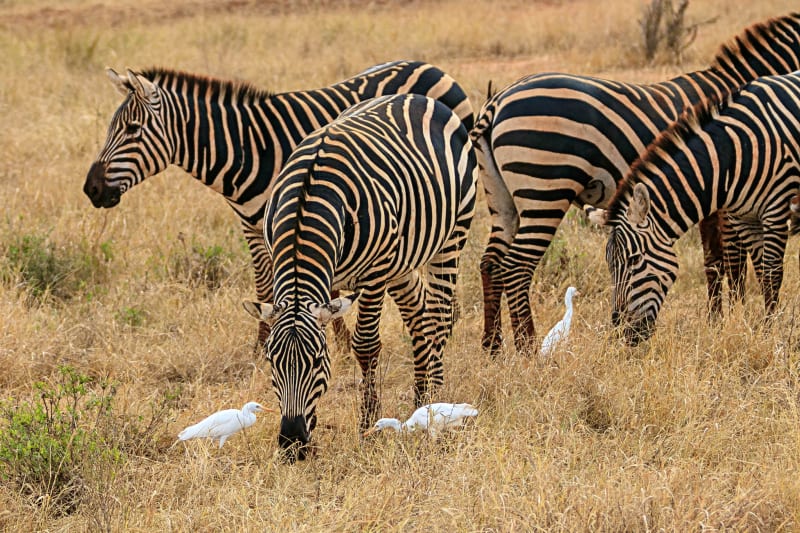
Hwange National Park covers 5,600 square miles of pristine wilderness. It's Zimbabwe's largest national park and home to Africa's largest elephant population. You'll see herds exceeding 40,000 animals during peak seasons. The park also protects lions, buffalo, zebras, and numerous antelope species.
Hwange offers exceptional value compared to Southern African alternatives. Accommodation costs remain reasonable without sacrificing quality. Safari guides possess intimate knowledge of the park's wildlife patterns. The park operates year-round, though dry seasons (May-October) offer best viewing.
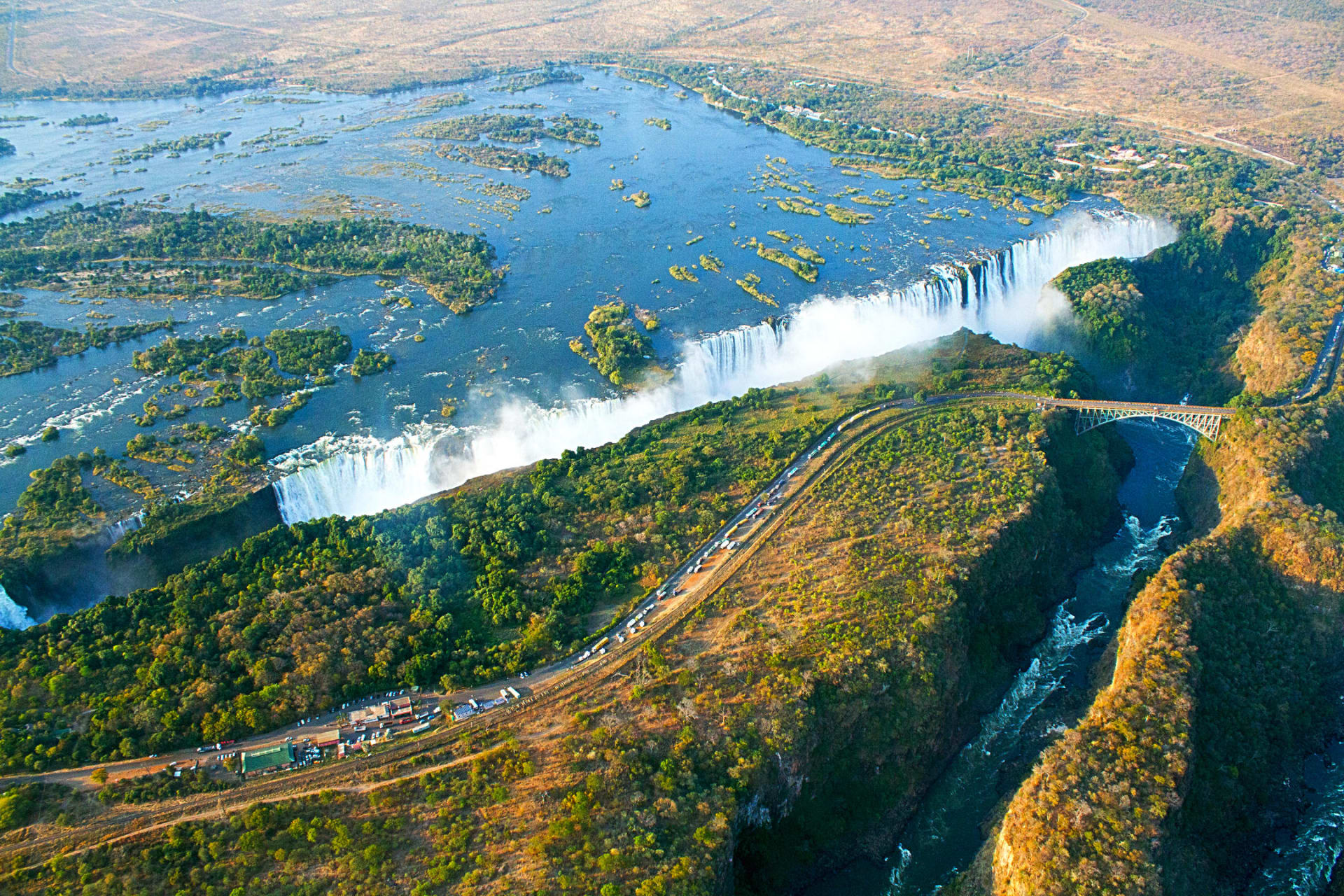
Access to Hwange requires driving from Victoria Falls or Bulawayo. Several verified tour operators on SafariFind arrange multi-day packages. Most include game drives, meals, and comfortable lodging. The park's remoteness ensures fewer international tourists than Kruger experiences.
Selous Game Reserve, Tanzania
Selous Game Reserve sprawls across 30,000 square kilometers of pristine African wilderness. It's one of Africa's largest protected areas and a UNESCO World Heritage Site. The reserve protects massive wildlife populations including Africa's largest buffalo herds. You'll find elephants, lions, hippos, and endangered wild dogs throughout.
Selous offers unique safari experiences through its diverse terrain. The Rufiji River creates dramatic wildlife viewing opportunities. Walking safaris complement traditional game drives. This variety keeps each day exciting and unpredictable.
Reaching Selous requires flights from Dar es Salaam to Selous airstrip. Most visitors book packages through established operators. SafariFind connects travelers with verified Selous operators offering 4-7 day packages. These typically include accommodations in permanent camps or lodges with experienced guides.
South Luangwa National Park, Zambia
South Luangwa National Park earned recognition as one of Africa's premier wildlife destinations. The park covers 3,500 square kilometers along the Luangwa River. It supports exceptional wildlife populations including lions, leopards, and African wild dogs. The river creates a natural wildlife corridor attracting animals year-round.
South Luangwa pioneered walking safaris in Africa. Expert guides lead foot safaris through pristine wilderness. This intimate approach reveals animal behavior impossible to observe from vehicles. Walking safaris create unforgettable personal connections with wildlife.
Access requires flights to Mfuwe Airport near the park. Multiple verified operators on SafariFind offer South Luangwa packages. Most trips span 4-7 days with premium lodge accommodations. The park operates year-round with different wildlife patterns each season.
Tswalu Kalahari, South Africa
Tswalu Kalahari represents a different hidden gem model—a private reserve emphasizing conservation and exclusivity. Located in South Africa's Northern Cape province, this 75,000-hectare reserve protects rare Kalahari wildlife. You'll encounter meerkats, porcupines, and various antelope species rarely seen elsewhere.
Tswalu operates with extremely low visitor numbers. The reserve maintains a "lowest guest footprint" philosophy. Each booking includes a private safari vehicle with dedicated guide. This ensures personalized experiences and maximum wildlife viewing opportunities.
Tswalu caters to luxury travelers seeking exclusive experiences. Accommodations feature world-class amenities in remote settings. Prices reflect the premium positioning and exclusivity level. SafariFind lists Tswalu packages for travelers prioritizing privacy and personalized service.
Kafue National Park, Zambia
Kafue National Park sprawls across 8,650 square kilometers, making it one of Africa's largest protected areas. Despite its size, Kafue remains relatively unknown internationally. The park protects diverse wildlife populations including puku antelopes found nowhere else. You'll encounter elephants, buffalo, lions, and numerous bird species.
Kafue's vastness means few tourists concentrate in specific areas. This creates genuine wilderness experiences with minimal human contact. The park features diverse habitats from riverine forests to open plains. Each habitat supports distinct animal communities.
Accessing Kafue requires planning through established operators. SafariFind lists verified tour operators offering Kafue packages. Most trips depart from Livingstone or Lusaka. Packages typically span 4-6 days with lodge or camp accommodations.
How to Plan Your Hidden Safari Adventure
Choosing the Right Destination for Your Needs
Selecting a hidden safari destination depends on your priorities. Consider what wildlife matters most to you. Do you want to see the "Big Five"? Are you interested in specific species like wild dogs or giraffes? Different parks emphasize different animals.
Think about your travel style. Do you prefer luxury accommodations or budget options? Are you interested in walking safaris or vehicle-based game drives? Do you want water-based experiences? Your preferences narrow the choices significantly.
Consider timing and seasons. Each destination offers different wildlife viewing during different months. Dry seasons typically provide better sightings. Wet seasons offer lush landscapes and bird watching. Your schedule influences which destination works best.
Booking Through Verified Tour Operators
SafariFind simplifies finding reliable tour operators in hidden safari destinations. The platform lists only verified operators with authentic customer reviews. You can compare packages, prices, and services from multiple providers. This transparency helps you make informed decisions.
When evaluating operators, check their experience levels. How long have they operated in specific parks? What qualifications do their guides possess? What accommodations do they use? Read reviews from previous travelers to understand their service quality.
Request quotes from multiple operators. Compare what's included in each package. Some include flights; others don't. Some feature premium lodges; others offer budget camps. Understanding these differences prevents surprises and ensures value.
Best Seasons for Hidden Safari Destinations
Dry seasons (May-October) generally offer the best wildlife viewing. Animals concentrate around water sources, increasing sighting chances. Vegetation thins, making animals easier to spot. Temperatures remain comfortable for safari activities.
Wet seasons (November-April) bring different advantages. Landscapes transform into lush green environments. Bird watching improves dramatically. Accommodations offer lower rates. Fewer tourists visit during these months. If you prioritize solitude and photography, consider wet seasons.
Shoulder seasons (April-May and September-October) provide compromises. Weather remains manageable. Wildlife viewing stays good. Tourist numbers drop compared to peak seasons. Prices fall between peak and low seasons.
What to Pack and Prepare
Proper preparation ensures comfortable hidden safari experiences. Pack neutral-colored clothing for game drives. Avoid bright colors that startle wildlife. Bring comfortable walking shoes for lodge areas and potential walking safaris. Include a wide-brimmed hat and sunscreen for sun protection.
Prepare your camera equipment. Binoculars enhance wildlife viewing significantly. A quality camera captures memorable moments. Extra batteries and memory cards prevent disappointment. Consider a telephoto lens for distant wildlife photography.
Arrange necessary vaccinations and medications. Consult your doctor about malaria prevention. Check visa requirements for your destination country. Purchase travel insurance covering medical emergencies. These preparations protect your health during remote travel.
What Wildlife Can You See?
The Big Five and Beyond
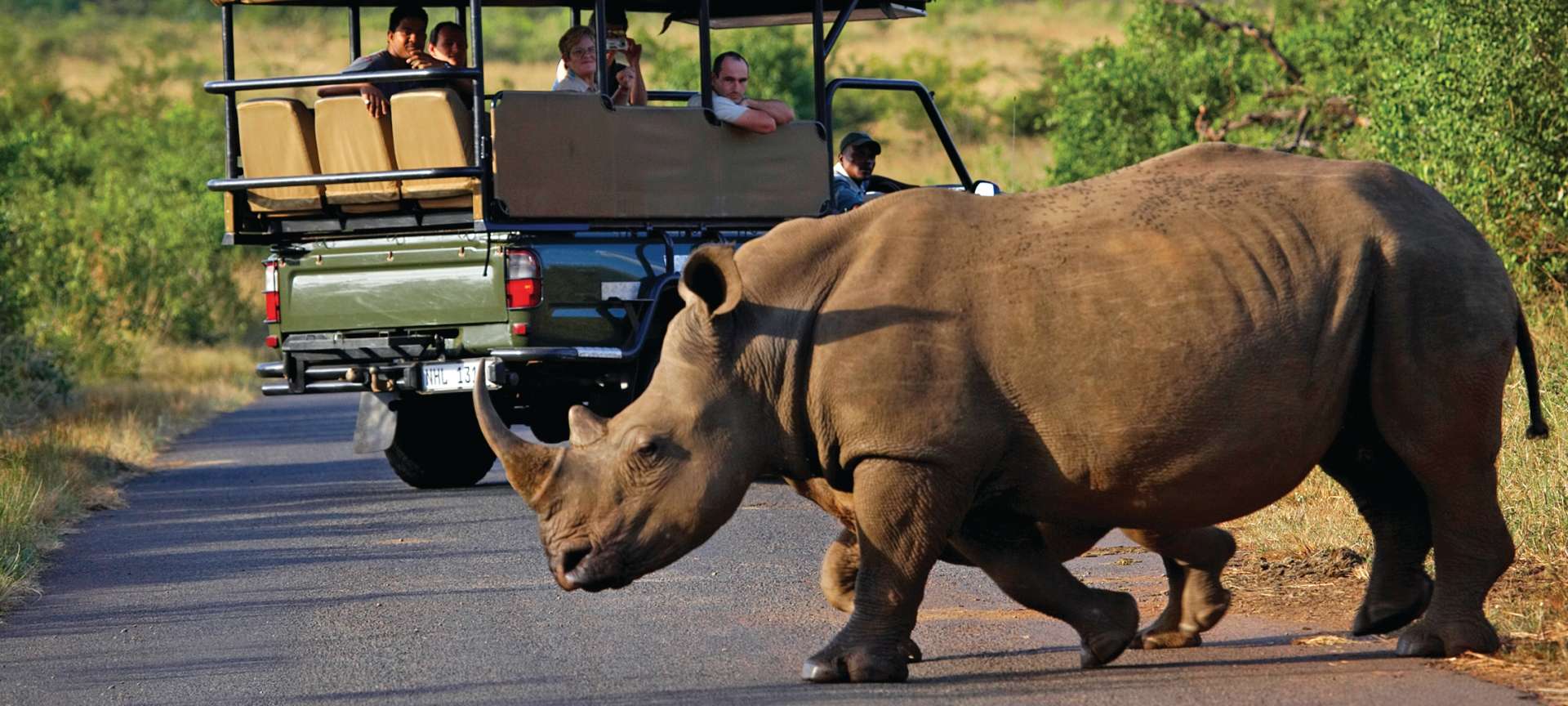
Hidden safari destinations protect the famous "Big Five"—lions, elephants, buffalo, leopards, and rhinoceros. Most hidden gems feature all five species, though sighting frequency varies. Beyond the Big Five, these parks protect numerous other fascinating animals.
You'll encounter African wild dogs in several hidden destinations. These endangered predators thrive in parks like South Luangwa and Hwange. Watching wild dog packs hunt represents a safari highlight. Their intelligence and social behavior captivate observers.
Antelope species abound in hidden safari destinations. Kudu, impala, and sable antelopes showcase Africa's ungulate diversity. Puku antelopes inhabit Kafue exclusively. Watching antelope herds demonstrates the intricate predator-prey dynamics driving African ecosystems.
Bird Watching Opportunities
Hidden safari gems offer exceptional bird watching. Africa hosts over 2,000 bird species, with many concentrated in protected parks. The Okavango Delta supports 450+ bird species. South Luangwa's river habitat attracts numerous water birds and raptors.
Experienced guides enhance bird watching experiences. They identify species by sight and call. They know where specific birds congregate during different seasons. This expertise transforms bird watching from casual observation into engaging learning.
Bring binoculars and a bird identification guide. Many operators provide bird watching specialists as guides. Early morning drives yield the best bird sightings. Patience and quiet observation reward dedicated bird watchers.
Nocturnal Wildlife Encounters
Night safaris reveal hidden safari gems' nocturnal wildlife. Spotlights illuminate animals active after dark. You'll see porcupines, genets, and hyenas hunting. Nocturnal predators like leopards and lions become visible during night drives.
Night safaris create unique experiences impossible during day trips. The African night sounds create atmospheric backdrops. Nocturnal animals display different behaviors than daytime counterparts. This variety enriches your overall safari experience.
Not all parks offer night safaris, so confirm availability when booking. SafariFind operators list specific safari activities available at each destination. Night drive options vary by location and season.
Supporting Conservation Through Your Visit
How Tourism Supports Wildlife Protection
Your safari visit directly supports wildlife conservation. Park entrance fees fund protection programs. Lodge employment provides income for local communities. Tourism revenue justifies park protection to governments. This economic value ensures continued wildlife habitat preservation.
Many hidden safari destinations operate community-based conservation models. Local communities receive tourism revenue and employment. This creates incentives for wildlife protection. Poaching decreases when communities benefit from living animals rather than dead ones.
Choosing verified operators on SafariFind ensures your money supports legitimate conservation efforts. Read operator reviews mentioning their conservation work. Ask operators about their community partnerships. This due diligence ensures your travel dollars create positive impact.
Responsible Safari Practices
Responsible safari behavior protects wildlife and habitats. Follow your guide's instructions regarding animal distance. Never exit vehicles without guide permission. Keep noise levels low to avoid startling animals. Respect park rules and protected area regulations.
Minimize your environmental footprint. Use reef-safe sunscreen in water-based safaris. Pack out all trash. Avoid single-use plastics. Support eco-friendly lodges prioritizing sustainability. These small actions accumulate into significant environmental benefits.
Choose operators demonstrating conservation commitment. Ask about their waste management practices. Inquire about renewable energy use. Check if they employ local guides and staff. These factors indicate genuine environmental responsibility.
Hidden Gems vs. Kruger: Value Comparison
Price Differences Explained
Hidden safari destinations typically cost less than Kruger National Park. Several factors explain these price differences. Kruger's fame drives accommodation prices higher. International brand recognition attracts premium pricing. Hidden gems compete for tourists, keeping prices competitive.
Hwange National Park accommodations average $150-300 per night. Kruger lodges typically charge $300-600+ nightly. South Luangwa camps range from $200-400 daily. These differences accumulate significantly on multi-day trips.
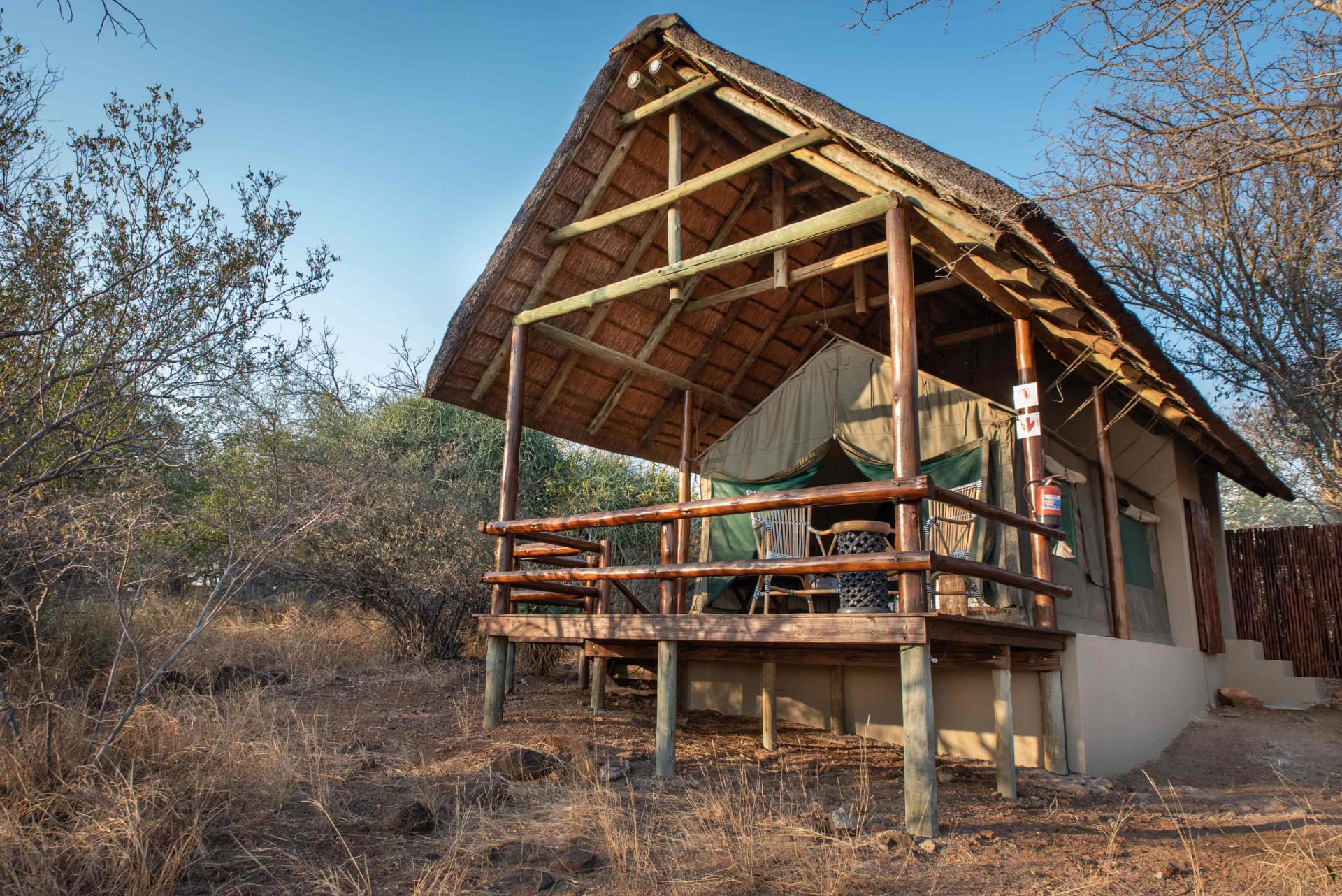
Lower costs don't mean inferior experiences. Many hidden gem operators provide superior service due to smaller guest numbers. Guides receive more training and specialization. Accommodations often feature unique designs reflecting local architecture.
Value-Added Benefits of Hidden Destinations
Hidden safari gems offer advantages beyond lower prices. Fewer tourists mean more personalized attention. Your guide focuses exclusively on your group. You'll experience more wildlife interactions without vehicle crowds. Photography opportunities improve dramatically with fewer tourists present.
Many hidden gems feature unique experiences unavailable at Kruger. Walking safaris in South Luangwa create intimate wildlife encounters. Water-based safaris in the Okavango Delta offer distinct perspectives. These specialized experiences justify travel to remote locations.
Community-based tourism in hidden destinations creates meaningful cultural exchanges. You'll meet local guides with deep cultural knowledge. Many operators employ local staff exclusively. This direct community engagement enriches your travel experience beyond wildlife viewing.
Practical Tips for Hidden Safari Success
Transportation and Logistics
Reaching hidden safari destinations requires planning. Most require flights from major cities. Book flights well in advance to secure better prices. Many operators arrange flight bookings as part of packages. SafariFind operators handle transportation logistics, simplifying your planning.
International flights typically connect through hubs like Johannesburg, Dar es Salaam, or Lusaka. Regional flights then transport you to park gateways. This multi-leg journey requires patience but opens access to remote wilderness.
Request operators' detailed itineraries including transportation times. Understand what's included in quoted prices. Ask about airport transfers and transportation between accommodations. Clear communication prevents surprises and ensures smooth travel.
Health and Safety Considerations
Hidden safari destinations maintain safety standards comparable to major parks. However, remote locations mean limited immediate medical facilities. Comprehensive travel insurance is essential. Ensure coverage includes emergency medical evacuation.
Consult your doctor about vaccinations required for your destination. Yellow fever vaccination often proves necessary. Malaria prevention medication is typically recommended. Take precautions seriously—these preventive measures protect your health.
Follow guide instructions regarding safety around wildlife. Never approach animals independently. Keep distance from potentially dangerous species. Respect wildlife boundaries. Your guide's experience protects you from dangerous situations.
Photography Tips for Hidden Safari Destinations
Hidden safari gems offer excellent photography opportunities due to fewer tourists. Arrive early for optimal lighting during golden hours. Position your vehicle strategically without disturbing animals. Patience yields better shots than rushing between locations.
Invest in quality telephoto lenses for distant wildlife. 300-500mm focal lengths capture compelling animal portraits. Bring spare batteries and memory cards. Consider a tripod for stable shots during vehicle movement.
Respect photography ethics. Don't disturb animals for better shots. Follow your guide's positioning recommendations. Share photos on social media responsibly—avoid posting exact locations that could attract poachers.
Finding Verified Tour Operators on SafariFind
How SafariFind Connects You with Reliable Operators
SafariFind simplifies finding trustworthy safari operators in hidden destinations. The platform lists only verified tour operators meeting strict quality standards. Each operator undergoes background verification. Customer reviews provide transparent feedback from real travelers.
Browse operators by destination, price range, and specific interests. Filter packages by duration, season, and accommodation type. Compare multiple operators offering similar experiences. This transparency empowers informed decision-making.
SafariFind's review system ensures honest feedback. Travelers rate operators on service quality, wildlife viewing, accommodations, and guide expertise. Reading multiple reviews reveals patterns indicating operator reliability. Verified reviews protect you from misleading marketing claims.
What to Look for in Operator Reviews
Quality reviews mention specific experiences and details. Vague praise ("great trip!") provides less value than detailed feedback. Look for reviews describing wildlife encounters, guide expertise, and accommodation quality. Reviewers mentioning specific animals sighted or memorable moments demonstrate authenticity.
Check review dates. Recent reviews reflect current operator standards. Older reviews may not represent present conditions. Consistent positive reviews over years indicate reliable operators. Watch for patterns in negative reviews—legitimate concerns appear repeatedly.
Consider reviewer profiles. Experienced travelers (multiple trips) offer valuable perspective. First-time safari travelers might have different expectations than veterans. Reading diverse reviewer backgrounds provides balanced assessment.
Questions to Ask Before Booking
Contact operators directly with specific questions. Ask about guide qualifications and experience. Inquire about accommodation details—room types, amenities, and meal quality. Request information about daily safari schedules and activities.
Ask about wildlife sighting guarantees. Responsible operators acknowledge wildlife viewing isn't guaranteed. They describe typical sighting frequencies without false promises. Request references from recent travelers. Most reputable operators provide contact information for past guests.
Clarify what's included in quoted prices. Ask about additional costs for activities, drinks, or tips. Understand cancellation policies. Confirm payment terms and deposit requirements. These details prevent misunderstandings and ensure transparent transactions.
Key Takeaways: Hidden Safari Gems Beyond Kruger
Hidden safari destinations like Okavango Delta, Hwange, and South Luangwa offer exceptional wildlife viewing with fewer tourists than Kruger National Park.
Lesser-known parks typically cost 30-50% less than Kruger while providing superior personalized experiences through smaller group sizes and dedicated guides.
Each hidden gem features unique experiences—walking safaris in South Luangwa, water-based safaris in Okavango, and exclusive private reserves like Tswalu Kalahari.
Dry seasons (May-October) offer best wildlife viewing, though shoulder seasons provide good sightings with fewer tourists and lower prices.
SafariFind connects travelers with verified tour operators offering transparent pricing, authentic reviews, and quality assurance for hidden safari destinations across Africa.
Frequently Asked Questions
What's the best time to visit hidden safari destinations?
Dry seasons from May to October offer the best wildlife viewing as animals concentrate around water sources. Shoulder seasons (April-May and September-October) provide good wildlife viewing with fewer tourists and lower prices. Consider your priorities—peak sightings versus solitude and cost savings.
Are hidden safari gems safe for travelers?
Yes, hidden safari destinations maintain safety standards comparable to major parks. Experienced guides ensure your safety around wildlife. Remote locations have limited immediate medical facilities, so comprehensive travel insurance is essential. Follow guide instructions and take standard precautions for remote travel.
How do I find reliable tour operators for hidden safari destinations?
SafariFind lists only verified tour operators with authentic customer reviews. Browse operators by destination and filter by price, duration, and specific interests. Read detailed reviews from real travelers. Contact operators directly to ask about qualifications, accommodations, and included activities.
What wildlife can I see in hidden safari destinations?
Hidden gems protect the Big Five—lions, elephants, buffalo, leopards, and rhinos. You'll also encounter African wild dogs, diverse antelope species, and over 2,000 bird species. Wildlife viewing varies by destination and season, but most parks offer exceptional sighting opportunities with fewer tourists present.
How much do hidden safari trips typically cost?
Hidden safari destinations cost 30-50% less than Kruger. Accommodations range from $150-400 nightly depending on location and luxury level. Multi-day packages typically cost $1,500-4,000 per person including lodging, meals, and game drives. SafariFind helps compare prices across multiple verified operators.
Do I need special vaccinations for hidden safari destinations?
Consult your doctor about destination-specific requirements. Yellow fever vaccination often proves necessary. Malaria prevention medication is typically recommended. Standard vaccinations should be current. Travel insurance covering medical evacuation is essential for remote locations.
Can I do walking safaris in hidden safari destinations?
Yes, many hidden gems offer walking safaris. South Luangwa National Park pioneered walking safaris in Africa. Walking safaris create intimate wildlife encounters impossible from vehicles. Not all parks offer this activity, so confirm availability when booking through SafariFind operators.
Start Your Hidden Safari Adventure Today
Hidden safari gems beyond Kruger offer world-class wildlife experiences without overwhelming crowds. Destinations like the Okavango Delta, Hwange, South Luangwa, and Kafue deliver exceptional value and authentic encounters. These lesser-known parks protect diverse wildlife while supporting local communities through sustainable tourism.
Your choice to visit hidden safari destinations impacts conservation positively. Tourism revenue justifies wildlife protection. Community employment creates incentives for habitat preservation. Each visitor supports the ongoing protection of Africa's irreplaceable natural heritage.
Ready to explore hidden safari gems? SafariFind makes planning simple. Browse verified tour operators offering packages in your preferred destination. Compare prices, read authentic reviews, and request quotes from multiple operators. Our transparent marketplace ensures you find the perfect safari experience matching your budget and preferences.
Explore safari packages on SafariFind today. Discover operators specializing in hidden safari destinations. Request quotes from verified tour operators. Read authentic reviews from previous travelers. Find your perfect African safari adventure beyond Kruger's famous boundaries. Your unforgettable wildlife experience awaits.
References
Related to
Ready to start your safari adventure?
Explore curated safari packages and find your perfect African adventure with verified operators.