Things to Do in Arusha 2027: Day Trips, Safaris & Prices
Discover Arusha day trips, safari packages, and pricing for 2027. Book Ngorongoro, Serengeti, and cultural tours. Compare verified operators on SafariFind.

Things to Do in Arusha 2027: Day Trips, Safaris & Prices
Last updated: August 2026
Arusha is Tanzania's gateway to world-class safaris with day trips costing $250–$2,000 per person depending on duration and luxury level. The best time to visit is July–October for the Great Migration. Book through verified operators on SafariFind to compare packages and read authentic reviews from past travelers.
At a Glance
- Cost: $250–$2,000+ per person for day trips and multi-day safaris
- Best time: July–October (Great Migration) and December–February (calving season)
- Duration: 1–7 days recommended for full safari experience
- Best for: Wildlife enthusiasts, families, photographers, and adventure seekers
- Getting there: Fly into Kilimanjaro International Airport, 50 km from Arusha
- Wildlife highlights: Ngorongoro Crater, Serengeti National Park, Arusha National Park, Mount Meru
What Is Arusha as a Safari Destination?
Arusha is Tanzania's premier gateway to Africa's most iconic safari destinations. Located in northern Tanzania at the base of Mount Meru, Arusha serves as the launching point for adventures to the Serengeti National Park, Ngorongoro Crater, and dozens of other protected areas. The city attracts over 300,000 visitors annually seeking authentic wildlife encounters and cultural experiences. Whether you have one day or two weeks, Arusha offers flexible safari packages and day trips that fit every budget and schedule.
Arusha National Park sits just 50 kilometers from the city center, making it perfect for quick day excursions. The town itself buzzes with energy—markets, restaurants, and craft shops line the streets. You'll find colonial-era buildings mixed with modern hotels and tour operator offices. Most visitors arrive via Kilimanjaro International Airport and head straight into the bush, but spending a day exploring Arusha's culture, shopping, and local cuisine adds unexpected value to your trip.
In 2027, Tanzania safaris cost between $250 and $2,000 per person, with day trips on the lower end and multi-day luxury packages on the higher end. Budget-conscious travelers can enjoy full-day Ngorongoro Crater tours for $300–$400, while premium lodge-based safaris run $1,500–$2,000+ daily. Arusha's competitive market means you can find quality operators at nearly every price point. Compare verified packages on SafariFind to see real pricing and authentic traveler reviews before booking.
Popular Day Trips from Arusha
Ngorongoro Crater Day Tour
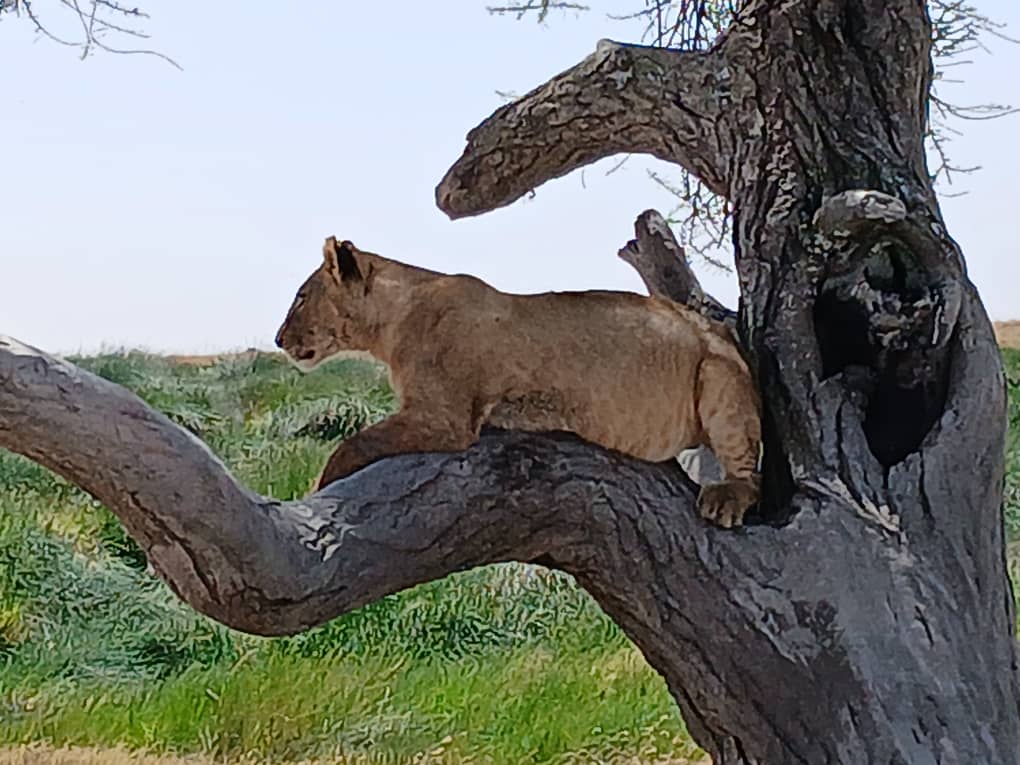
The Ngorongoro Crater is Africa's largest intact caldera and one of the world's natural wonders. A crater day trip from Arusha typically costs $300–$500 per person and includes a full day of wildlife viewing, lunch, and park fees. You'll descend 600 meters into the crater floor to spot lions, zebras, wildebeest, rhinos, and hundreds of bird species. The crater supports over 25,000 large mammals year-round, making every game drive rewarding. Most tours depart at 6:00 AM and return by 5:00 PM, giving you 6–7 hours of prime viewing time.
The Ngorongoro Conservation Area Authority manages entrance fees and sets pricing for all tour operators, so rates are consistent across companies. Budget tours typically use shared vehicles with 6–8 passengers, while private vehicle tours cost more but offer flexibility and comfort. Bring binoculars, sunscreen, and a camera—the light is best in early morning and late afternoon.
Arusha National Park Safari
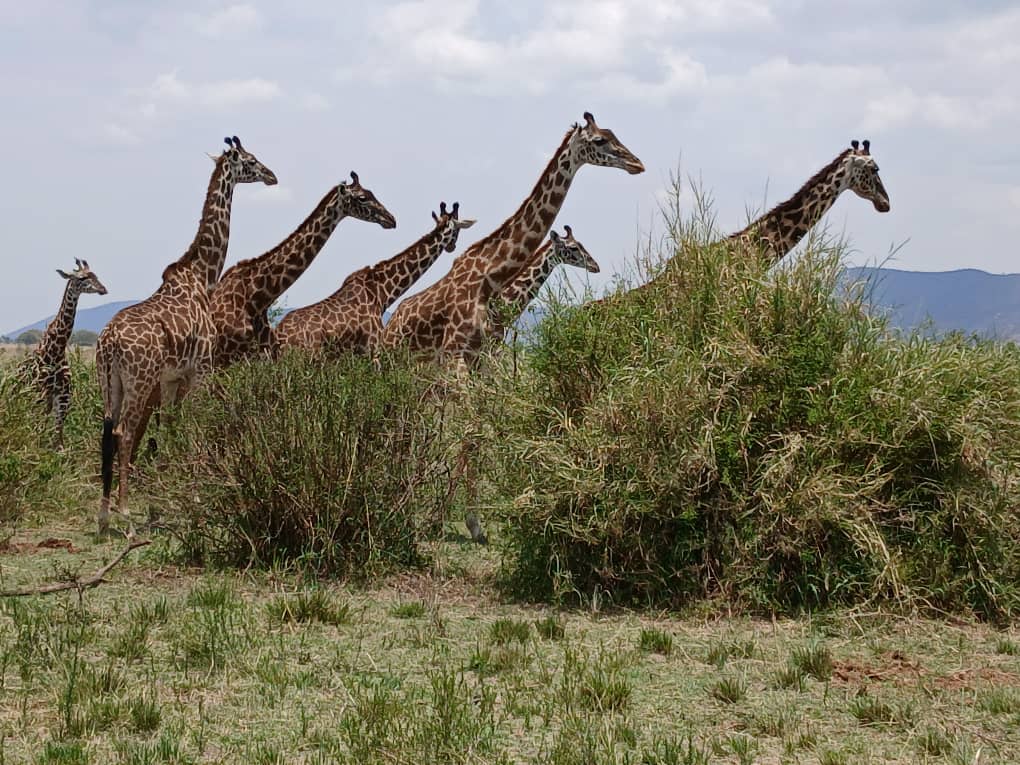
Arusha National Park covers 137 square kilometers and is easily accessible as a half-day or full-day tour from the city. A morning game drive costs $200–$300 per person and showcases giraffes, buffalo, zebras, warthogs, and colobus monkeys. The park features three distinct ecosystems: the Arusha Forest, the Ngurdoto Crater, and the Momella Lakes. Bird watchers flock here—over 400 bird species have been recorded in the park. The scenic beauty rivals larger parks but with fewer crowds.
Arusha National Park is ideal for visitors with limited time. A half-day tour runs 4 hours, while a full day includes a picnic lunch and extended exploration. The park sits just 30 kilometers from central Arusha, so transfer time is minimal. Combine it with an afternoon visit to the Arusha National Park Safari Packages guide to plan your itinerary perfectly.
Chemka Hot Springs Day Trip
Chemka Hot Springs is a hidden gem located 60 kilometers from Arusha. This natural geothermal pool stays warm year-round and is surrounded by lush vegetation and small waterfalls. A day trip costs $150–$250 per person and includes transportation, lunch, and time to swim and relax. The springs emerge from underground volcanic chambers, creating crystal-clear pools at 60°C (140°F). Local guides help you cool off safely in designated areas.
Chemka works best as a half-day or afternoon excursion, often combined with a morning visit to Arusha National Park or a cultural village tour. The drive takes about 1.5 hours each way, so plan 4–5 hours total. Swimming is refreshing after a long game drive, and the natural setting feels peaceful and authentic. Bring towels and water shoes for safety.
Maasai Cultural Village Visits
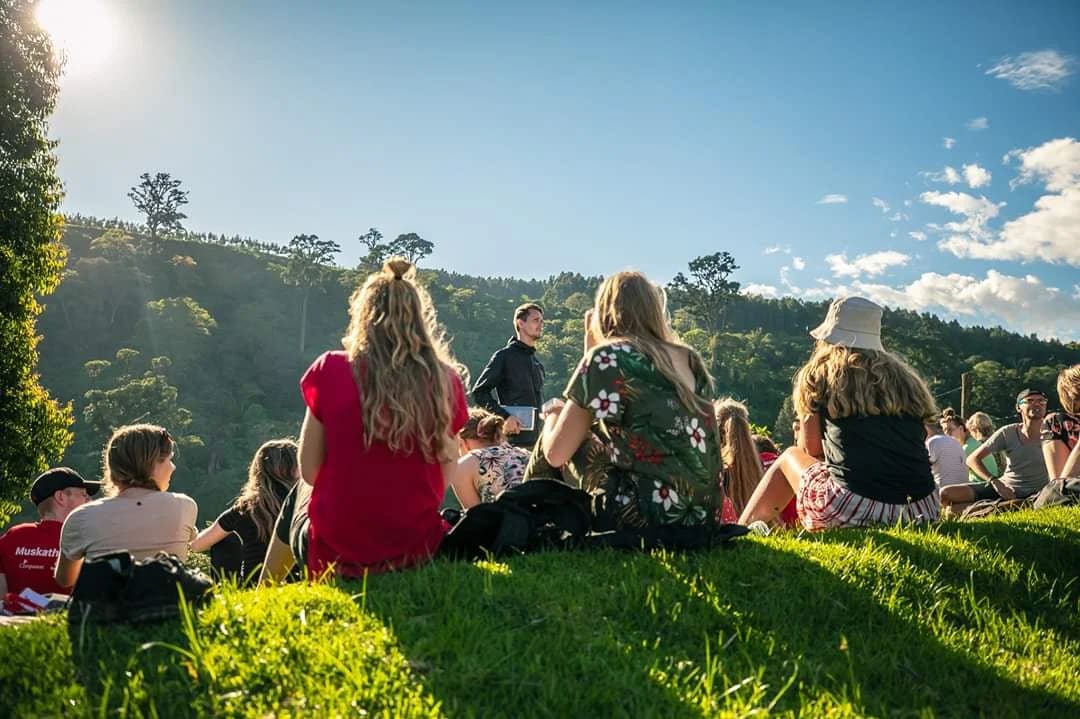
Experiencing Maasai culture is one of Arusha's most popular activities. A half-day cultural tour costs $100–$200 per person and includes visits to traditional bomas (villages), opportunities to meet Maasai families, learn about their customs, and purchase handcrafted jewelry and beadwork. You'll see traditional houses, learn about pastoralist life, and often participate in activities like beadmaking or traditional dancing.
Choose operators carefully—ethical cultural tourism respects the community and provides fair wages. Ask if your payment directly benefits the village. Many operators on SafariFind have verified reviews confirming respectful, authentic experiences. Combine a cultural visit with a morning Arusha National Park game drive for a well-rounded day.
Multi-Day Safari Packages from Arusha
3-Day Ngorongoro and Serengeti Safari
A 3-day safari from Arusha typically costs $800–$1,500 per person with a budget operator and $1,500–$2,500 with a mid-range lodge. This itinerary combines the Ngorongoro Crater with one or two nights in the Serengeti National Park. You'll experience two of Tanzania's most famous ecosystems in a single trip. Day one focuses on the crater's wildlife concentration, while days two and three let you explore the Serengeti's vast plains and witness the Great Migration (July–October).
The 3-day package is ideal for travelers with limited vacation time who want a complete safari experience. You'll stay in budget camps or mid-range lodges with comfortable beds, hot meals, and basic amenities. A professional guide drives and narrates each game drive, sharing knowledge about animal behavior, ecology, and conservation. Most packages include all meals, park fees, and transportation from Arusha.
7-Day Serengeti and Ngorongoro Crater Itinerary
A comprehensive 7-day safari allows deeper exploration of the Serengeti and surrounding areas. The 7-Day Serengeti & Ngorongoro Itinerary 2027 typically costs $1,500–$3,000 with budget accommodations and $3,000–$5,000+ with luxury lodges. This extended timeframe lets you follow wildlife movements, experience multiple ecosystems, and maximize photography opportunities. You'll visit the Serengeti, Ngorongoro, Tarangire, and possibly Lake Manyara National Parks.
Seven days allows for flexibility and spontaneity. If you spot a pride of lions hunting, your guide can stay and watch instead of rushing to the next location. You'll develop relationships with your guide and fellow travelers, making the experience feel more personal. Luxury packages include premium lodges with restaurants, bars, and amenities that rival high-end hotels. Budget packages offer authentic experiences with simple but clean accommodations and hearty meals.
Family Safari Packages
Arusha offers family-friendly safaris designed for children aged 5 and up. A family safari costs $1,000–$2,500 per person for 4–7 days, depending on accommodation level and group size. Family packages feature vehicle modifications for child safety, flexible game drive schedules that account for nap times, and guides experienced with children. Many lodges offer children's programs and babysitting services, allowing parents some downtime.
Kids love safari—seeing lions, elephants, and giraffes creates lifelong memories. Choose operators with experience managing young travelers and family-friendly accommodations. The Serengeti Family Safari Cost 2027 guide breaks down pricing and helps you find packages that match your family's needs and budget.
How Much Does a Safari in Tanzania Cost?
Tanzania safari prices range from $250 for a single day trip to $2,000+ per person for multi-day luxury packages. Your cost depends on several factors: tour length, accommodation level, vehicle type, group size, and season. Budget travelers pay less; luxury seekers pay more. Understanding pricing helps you find genuine value rather than overpaying for standard experiences.
Budget Safari Pricing
Budget day trips from Arusha cost $250–$400 per person and include transportation, guide, park fees, and lunch. These tours use shared vehicles with 6–8 passengers, which lowers costs but reduces privacy. Budget multi-day packages run $400–$800 per person per night with basic accommodations, communal meals, and group game drives. You'll stay in simple but clean camps or basic lodges with shared bathrooms.
Budget safaris aren't inferior—many travelers prefer them for the social atmosphere and authentic experience. You'll meet other adventurers, share stories around campfires, and keep more money for souvenirs or additional activities. The guides are professional and knowledgeable, and wildlife viewing is the same regardless of accommodation level.
Mid-Range Safari Pricing
Mid-range packages cost $800–$1,500 per person per night and feature private or semi-private vehicles, better accommodations, and more flexibility. You'll stay in comfortable lodges with private bathrooms, hot showers, and better meals. Mid-range operators often include extras like afternoon game drives, nature walks, or cultural visits. A 7-day mid-range safari typically costs $1,500–$3,000 total per person.
Mid-range safaris offer the best balance of comfort, flexibility, and value. You get privacy without luxury prices. Many mid-range operators have excellent reviews on SafariFind, with travelers praising their guides, food, and overall experience. This tier suits most travelers seeking a quality safari without breaking the bank.
Luxury Safari Pricing
Luxury safaris cost $1,500–$2,500+ per person per night with premium lodges, private vehicles, gourmet meals, and personalized service. Some ultra-luxury properties charge $3,000–$5,000+ nightly. You'll experience world-class amenities: fine dining, spa services, premium wines, and expert guides. Luxury lodges often feature infinity pools, fireplaces, and stunning views. The Luxury vs Budget Safari Lodges in Tanzania: 2027 Rates Compared guide breaks down exact amenities and pricing at each level.
Luxury safaris suit honeymoon couples, special celebrations, or travelers prioritizing comfort and exclusivity. You'll enjoy unforgettable experiences with personal attention and premium accommodations. Compare verified luxury operators on SafariFind to find properties matching your preferences and budget.
Seasonal Price Variations
Safari prices fluctuate by season. Peak season (July–October) sees higher rates due to the Great Migration and good weather. Low season (November–May) offers discounts of 20–40%, though some parks have less predictable wildlife viewing. Shoulder seasons (June and September) balance decent wildlife activity with moderate prices. Booking 3–6 months in advance typically saves 15–20% on peak season rates.
What Is the Best Month to Do a Safari in Tanzania?
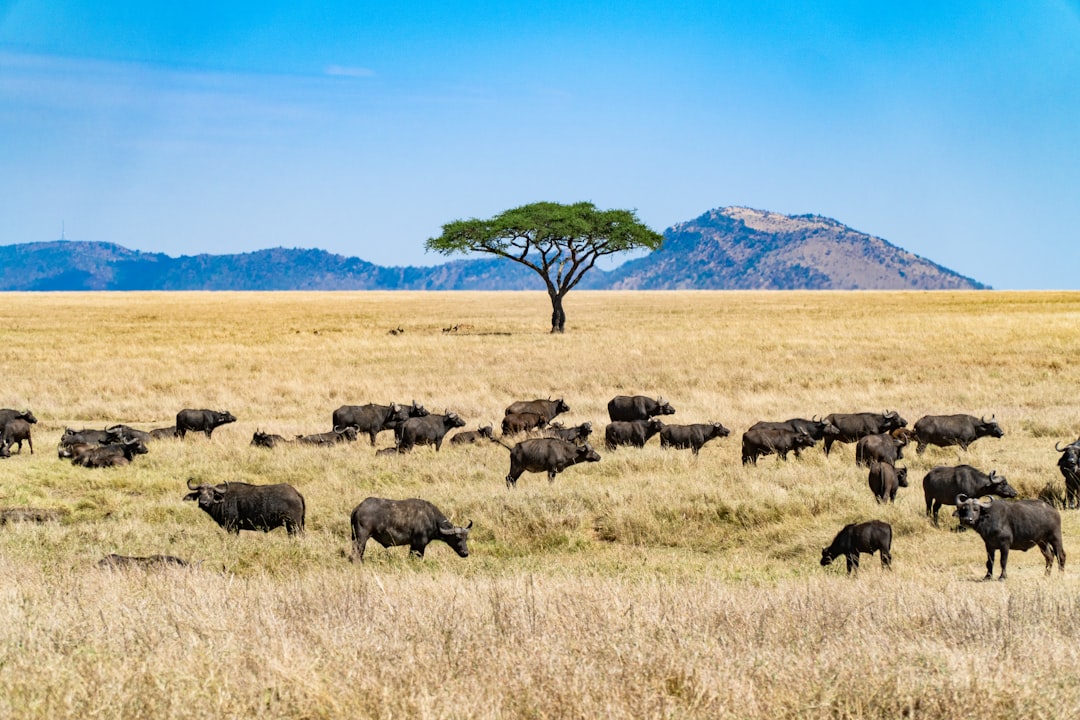
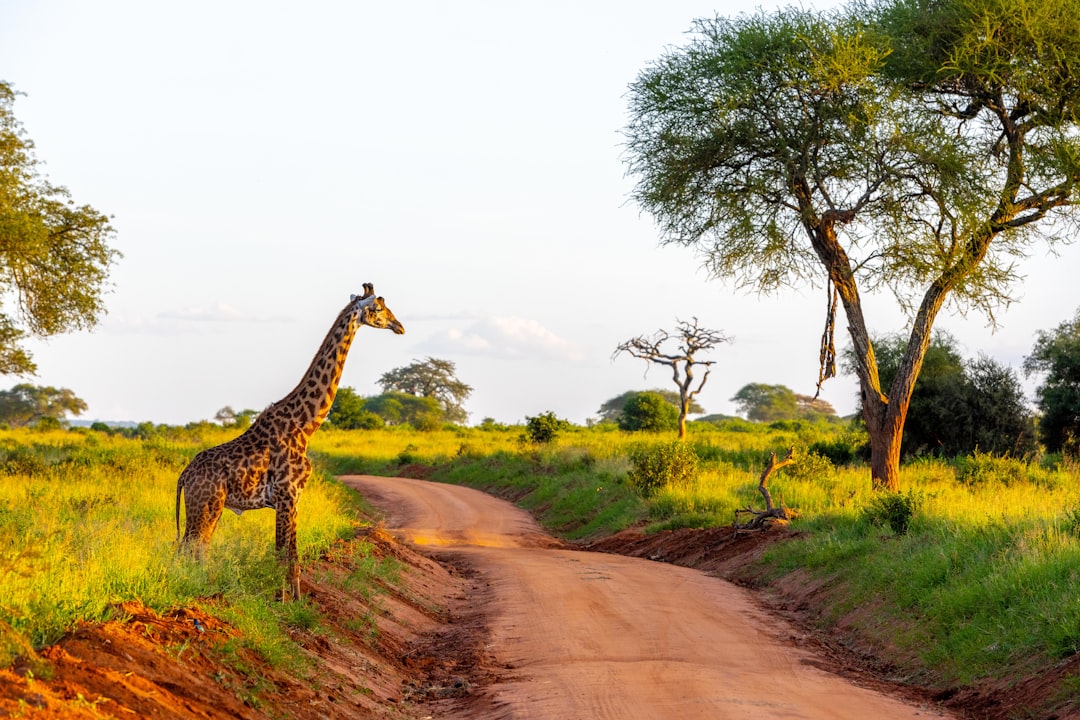
The best months for a Tanzania safari are July through October, when the Great Migration brings 1.5 million wildebeest and zebras across the Serengeti and Mara River. Weather is dry, visibility is excellent, and wildlife congregates around water sources. December through February is the secondary peak, featuring the calving season when thousands of newborn wildebeest attract predators. Both periods offer exceptional viewing opportunities but command peak-season prices.
July–October: Great Migration Season
July marks the start of the Great Migration as herds move from the Serengeti's southern plains northward toward Kenya's Masai Mara. August and September bring dramatic river crossings as wildebeest navigate crocodile-infested waters. October sees the herds beginning their southbound return journey. Weather is cool and dry, making for comfortable game drives and excellent photography light. Lodges fill quickly, so book early.
December–February: Calving Season
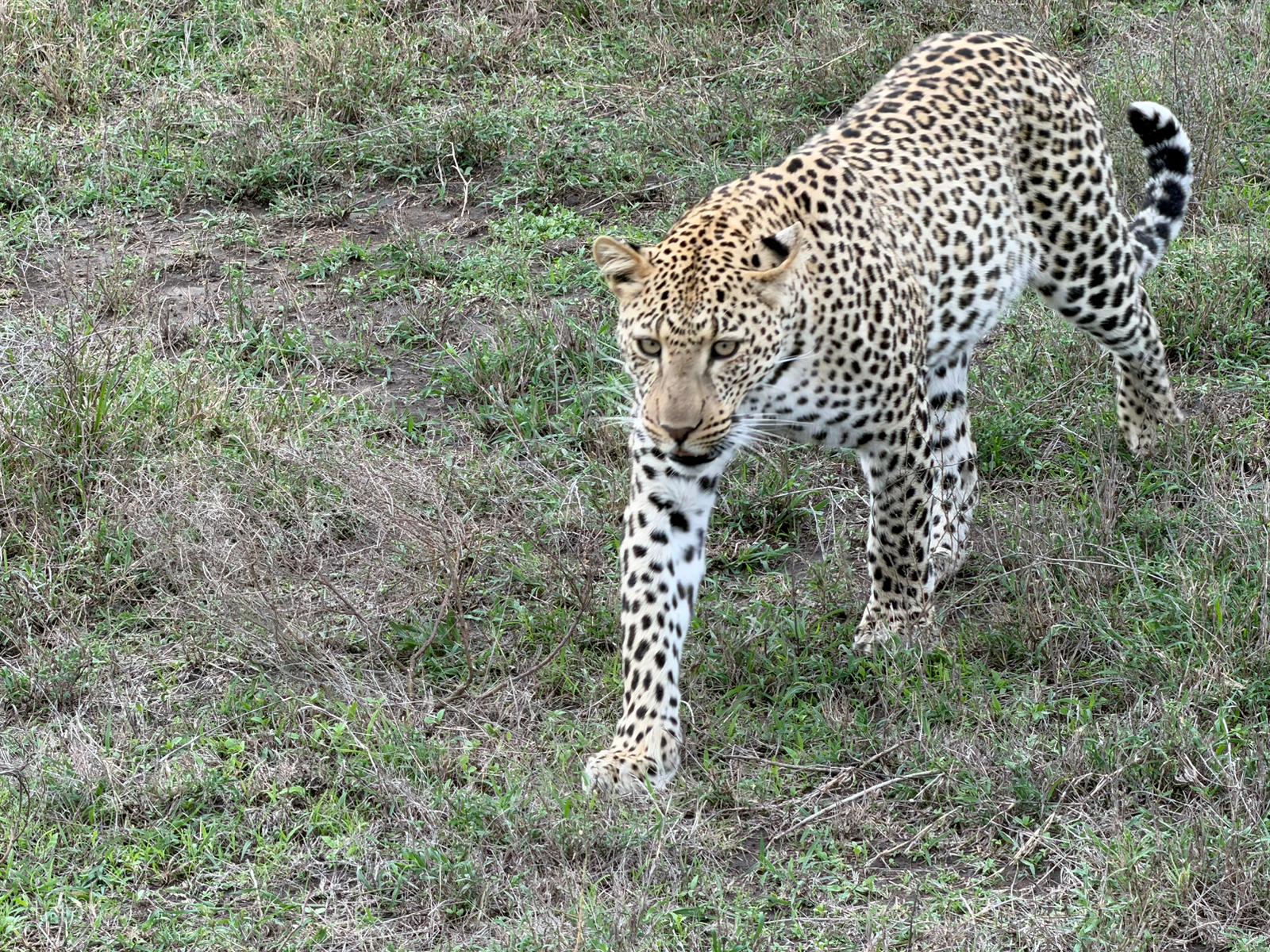
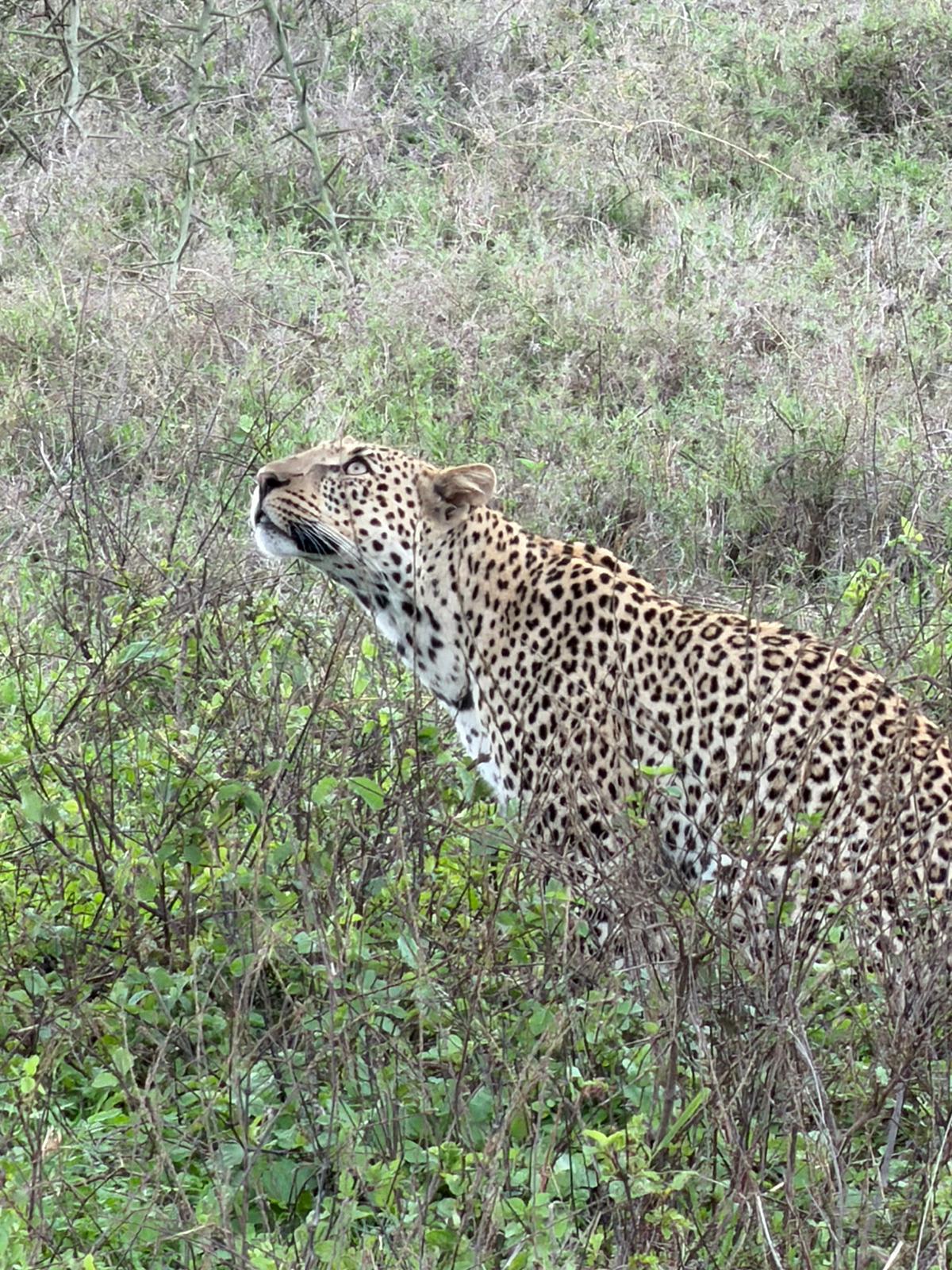
December through February brings the short rains and calving season on the Serengeti's southern plains. Hundreds of thousands of calves are born, attracting lions, leopards, and hyenas. The landscape turns green, and bird watching is exceptional. Weather is warm but manageable. Fewer tourists visit during this season, resulting in lower prices and less crowded game drives. It's an excellent choice for budget-conscious travelers who don't mind rain showers.
June and September: Shoulder Seasons
June and September offer a balance of good wildlife activity and moderate prices. June is the start of the dry season with cooler temperatures and decent wildlife viewing. September bridges two migration phases and still features good predator activity. Fewer tourists visit, so you'll experience less crowded parks. These months suit travelers flexible on dates who want to save money without sacrificing wildlife encounters.
March–May and November: Low Season
March through May and November are the wettest months, with heavy rains making roads muddy and wildlife dispersed. However, prices drop 30–50%, and the landscape is lush and green. Birdwatching is exceptional, and you'll see fewer tourists. These months suit birders, photographers seeking moody skies, and budget travelers willing to trade some wildlife predictability for savings and solitude.
Which Safari Is Best in Tanzania?
The best safari in Tanzania depends on your priorities, budget, and time. The Which Safari Is Best in Tanzania? 2027 Packages Compared guide breaks down each destination. The Serengeti offers unmatched wildlife diversity and the Great Migration spectacle. Ngorongoro Crater provides concentrated wildlife viewing in a compact area. Selous Game Reserve offers wilderness solitude and river safaris. Tarangire excels for elephant viewing. Choose based on what excites you most.
Serengeti National Park: The Icon
Serengeti National Park covers 14,750 square kilometers and is Tanzania's most famous destination. The park supports over 3 million large mammals and 500+ bird species. The Great Migration (July–October) is nature's greatest spectacle, drawing photographers and wildlife enthusiasts worldwide. The Serengeti suits travelers seeking epic wildlife experiences and iconic African landscapes. Expect crowds during peak season and higher prices, but the wildlife encounters justify the cost.
Ngorongoro Crater: The Concentrated Experience
The Ngorongoro Crater is ideal for travelers with limited time. The crater floor spans 260 square kilometers and supports over 25,000 large mammals year-round. In a single day, you'll see lions, rhinos, zebras, wildebeest, and buffalo without traveling far. The crater's high walls create a natural amphitheater, making wildlife viewing easier than in sprawling parks. Day trips cost $300–$500, making Ngorongoro the most affordable major safari destination.
Selous Game Reserve: The Wilderness
Selous Game Reserve is Tanzania's largest protected area, covering 50,000 square kilometers. Unlike national parks, Selous allows river safaris, walking safaris, and night drives, creating varied experiences. The reserve is less crowded than the Serengeti, offering wilderness solitude and authentic exploration. Wildlife is abundant but spread across a vast area, so spotting animals requires patience. Selous suits adventurous travelers seeking off-the-beaten-path experiences.
Tarangire National Park: The Elephant Sanctuary
Tarangire National Park is famous for its massive elephant herds—over 3,000 elephants concentrate here during the dry season (June–October). The park features diverse ecosystems, from savanna to swamps, supporting lions, leopards, buffalo, and hundreds of bird species. A 3–4 day Tarangire safari costs $600–$1,200 per person with mid-range accommodations. The park is less crowded than the Serengeti, making it excellent for travelers seeking wildlife without the crowds.
Practical Tips for Booking Your Arusha Safari
How to Choose a Tour Operator
Choosing the right tour operator makes or breaks your safari. Start by browsing verified operators on SafariFind and reading authentic traveler reviews. Look for operators with consistent 4.5+ star ratings and detailed review content. Check how long they've been operating—established companies (10+ years) have proven track records. Verify they're registered with Tanzania's tourism board and have proper licenses.
Contact multiple operators and request detailed quotes. Ask about vehicle types, guide qualifications, accommodation standards, and what's included (meals, park fees, drinks). Compare packages at the same price point—some operators include more amenities. Request references from past travelers. Red flags include pressure to book immediately, vague descriptions, or unwillingness to answer questions. Trust your gut—choose operators that communicate clearly and professionally.
What to Pack for Your Safari
Pack layers for temperature variations. Mornings and evenings are cool (10–15°C), while midday heat reaches 25–30°C. Bring neutral-colored clothing for game drives—earth tones blend into the landscape better than bright colors. Essentials include a wide-brimmed hat, sunscreen (SPF 50+), insect repellent, sturdy walking shoes, and binoculars. A camera with a telephoto lens captures distant wildlife. Don't forget medications, toiletries, and a light rain jacket for unexpected showers.
Arusha has pharmacies and shops, but selection is limited outside major towns. Bring what you need from home. Pack light—many lodges limit luggage to 15 kg for small aircraft transfers. Soft-sided duffel bags pack more efficiently than hard suitcases in safari vehicles.
Health and Safety Considerations
Consult your doctor 4–6 weeks before travel about malaria prevention. Most safari areas are malaria zones—take prophylaxis as prescribed. Yellow fever vaccination is recommended and required if traveling from certain countries. Ensure tetanus and routine vaccinations are current. Drink bottled or purified water, avoid raw vegetables, and practice food hygiene.
Tanzania is generally safe for tourists. Arusha has occasional petty theft—avoid displaying expensive jewelry or cameras. Use hotel safes for valuables. Don't hike alone in remote areas. Wildlife is wild—follow guide instructions closely and maintain safe distances. Your operator will brief you on safety protocols. Most travelers experience no issues when following common-sense precautions.
Booking Timeline and Budget Tips
Book 3–6 months ahead for peak season (July–October) to secure lodging and guides. Off-season bookings can happen weeks ahead. A typical booking timeline: research operators (2 weeks), request quotes (1 week), compare and decide (1 week), pay deposit (30% typical), finalize details (6–8 weeks before travel). Pay the balance 2–4 weeks before departure.
Budget wisely by combining activities. A 3-day safari plus a day trip to Chemka Hot Springs and Arusha National Park maximizes value. Book directly with operators rather than through travel agencies—you'll often save 10–15% on commission markups. Off-season travel cuts costs 30–50%, though wildlife viewing is less predictable. Travel with a small group rather than solo to reduce per-person costs.
Is It Safe to Do a Safari in Tanzania Right Now?
Tanzania is safe for safari tourism in 2027. The tourism industry operates securely with established safety protocols, experienced guides, and well-maintained facilities. Major safari destinations like the Serengeti and Ngorongoro Crater see thousands of visitors annually without incident. Arusha itself is a developed tourist hub with police presence and reliable infrastructure. Standard travel precautions apply—avoid displaying valuables, stay aware of surroundings, and follow guide instructions. Legitimate tour operators prioritize guest safety and comply with tourism regulations.
Political stability in Tanzania has been consistent, with elections occurring peacefully. Health risks are minimal if you follow medical advice (malaria prophylaxis, vaccinations, food hygiene). Road conditions have improved, with better-maintained highways connecting Arusha to safari destinations. Most lodges and camps meet international safety standards with fire extinguishers, first aid, and emergency communication systems. Travel insurance covering evacuation is recommended but rarely needed.
Compare verified operators on SafariFind with strong safety records and positive reviews. Travelers consistently report feeling secure on professionally operated safaris. The biggest risk is wildlife—respect animals' space, listen to guides, and don't approach animals for photos. With basic precautions and reputable operators, your Tanzania safari is as safe as any international travel.
Key Takeaways
- Book Arusha day trips 2–4 weeks ahead to secure your preferred dates and save 10–15% on early-bird rates.
- Visit July–October for the Great Migration and best wildlife viewing, or December–February for calving season with 30–40% lower prices.
- Compare 3–5 verified operators on SafariFind before booking to ensure you get quality guides, comfortable accommodations, and transparent pricing.
- Budget $250–$500 for day trips (Ngorongoro, Arusha National Park, Chemka), or $1,500–$3,000+ for 7-day multi-destination safaris with mid-range lodges.
- Pack neutral-colored clothing, high-SPF sunscreen, binoculars, and a camera with telephoto lens to maximize comfort and wildlife photography opportunities.
Frequently Asked Questions
How much does a safari in Tanzania cost?
Tanzania safaris range from $250 for a single day trip to $2,000+ per person for multi-day luxury packages. Day trips from Arusha (Ngorongoro, Arusha National Park) cost $250–$500. Budget 3-day safaris run $800–$1,200 per person, while 7-day mid-range packages cost $1,500–$3,000. Luxury lodges charge $1,500–$2,500+ per night. Prices vary by season, with peak season (July–October) commanding higher rates and low season (March–May) offering 30–50% discounts.
What is the best month to do a safari in Tanzania?
July–October is the best time, featuring the Great Migration and dry weather with excellent wildlife visibility. December–February offers calving season with 20–40% lower prices. June and September are shoulder seasons with good wildlife activity and moderate pricing. Avoid March–May and November when heavy rains disperse wildlife, though these months suit birders and budget travelers seeking solitude and discounts.
How much does a luxury safari cost in Tanzania?
Luxury safaris in Tanzania cost $1,500–$2,500+ per person per night with premium lodges, private vehicles, gourmet meals, and personalized service. Ultra-luxury properties charge $3,000–$5,000+ nightly. A 7-day luxury safari totals $10,500–$17,500+ per person. Luxury suits honeymooners, special celebrations, and travelers prioritizing comfort. Compare verified luxury operators on SafariFind to find properties matching your preferences and exact budget requirements.
Which is the best safari in Tanzania?
The best safari depends on your priorities. The Serengeti offers unmatched wildlife diversity and the Great Migration spectacle (July–October). Ngorongoro Crater provides concentrated wildlife viewing in a compact area with day trips costing $300–$500. Selous Game Reserve offers wilderness solitude and river safaris for adventurous travelers. Tarangire excels for elephant viewing during the dry season. The Which Safari Is Best in Tanzania? 2027 Packages Compared guide helps match your interests with the ideal destination.
How Much Does a Tanzania Family Safari Cost?
A family safari in Tanzania costs $1,000–$2,500 per person for 4–7 days with family-friendly accommodations, flexible schedules, and guides experienced with children. Budget family packages run $1,000–$1,500 per person, mid-range $1,500–$2,000, and luxury $2,000–$2,500+. The Serengeti Family Safari Cost 2027 guide breaks down pricing, amenities, and best destinations for families with children aged 5+. Book through SafariFind to find operators with verified family reviews and child-safe vehicles.
What day trips are available from Arusha?
Popular day trips from Arusha include Ngorongoro Crater ($300–$500, full-day wildlife viewing), Arusha National Park ($200–$300, half or full day), Chemka Hot Springs ($150–$250, swimming and relaxation), and Maasai cultural village visits ($100–$200, community interaction and shopping). Most day trips depart at 6:00–7:00 AM and return by 4:00–5:00 PM. Combine multiple activities in a single day for maximum value. Browse verified operators on SafariFind to compare itineraries, prices, and traveler reviews before booking.
How do I book a safari on SafariFind?
Visit SafariFind.com, browse safari packages and operators in Arusha and Tanzania, read authentic traveler reviews, compare prices and itineraries, and request quotes directly from verified operators. Filter by destination, duration, price range, and rating to find your perfect match. Check operator licenses, response times, and review detail to ensure quality. Many operators offer instant booking or customized quotes. SafariFind helps you compare options transparently and connect with reputable tour companies that match your budget and preferences.
Conclusion
Arusha is Tanzania's premier gateway to world-class safaris, offering flexible day trips and multi-day packages for every budget and schedule. Day trips to Ngorongoro Crater, Arusha National Park, and Chemka Hot Springs cost $150–$500 and deliver unforgettable experiences within hours of the city. Multi-day safaris range from $800 to $5,000+ per person depending on duration and luxury level. The best time to visit is July–October for the Great Migration, though December–February offers excellent calving season viewing with 30–40% price discounts.
In 2027, booking your Tanzania safari is easier than ever. SafariFind connects you with verified tour operators, transparent pricing, and authentic traveler reviews. Research 3–6 months ahead for peak season, compare packages across operators, and choose based on guide quality, accommodations, and customer feedback. Whether you're seeking budget adventure, mid-range comfort, or luxury indulgence, Arusha offers safari experiences that create lifelong memories.
Compare verified safari packages on SafariFind today to find your perfect Arusha adventure. Browse real operator ratings, read detailed traveler reviews, and request custom quotes from experienced guides who know these landscapes intimately. Your Tanzania safari awaits—start planning now to secure the best lodges, guides, and prices for 2027.
Plan Your Safari with SafariFind
These recommendations use real data from SafariFind, where you can compare operators, browse packages, and read verified traveler reviews before you book.
Recommended Safari Operators from SafariFind
Recommended Safari Packages from SafariFind
What Travelers Say (SafariFind Reviews)
References
- Road Scholar: Where the Wild Things Are: Tanzania With Your Family
- Best Buy Safaris: Tanzania Safaris in January, February, and March 2026, 2027, and 2028
- African Natural Tours: Ngorongoro Crater Day Trip from Arusha
- African Natural Tours: Ngorongoro Conservation Area Authority Pricing
- Shadows of Africa: Things to Do in Arusha: Tours & Day Trips from Arusha
Sources
- Road Scholar: Where the Wild Things Are: Tanzania With Your Family
- Best Buy Safaris: Tanzania Safaris in January, February, and March 2026, 2027, and 2028
- African Natural Tours: Ngorongoro Crater Day Trip from Arusha
- African Natural Tours: Ngorongoro Conservation Area Authority Pricing
- Shadows of Africa: Things to Do in Arusha: Tours & Day Trips from Arusha
Related to
Ready to start your safari adventure?
Explore curated safari packages and find your perfect African adventure with verified operators.