Northern Tanzania Safari Guide: Serengeti + Zanzibar 7-Day Itinerary 2026
Plan your 7-day northern Tanzania safari combining Serengeti, Ngorongoro Crater, and Zanzibar. Wildlife viewing, costs, itinerary, and booking tips for 2026.

Northern Tanzania Safari: 7-Day Serengeti + Zanzibar Guide
Last updated: July 2026
A 7-day northern Tanzania safari combines the Serengeti, Ngorongoro Crater, and Tarangire for wildlife viewing, starting at $1,850 per person. Add Zanzibar for the ultimate "bush and beach" experience. The best time to visit is July through October during the Great Migration. Book through verified operators on SafariFind to compare packages and read authentic reviews from past travelers.
At a Glance
- Cost: $1,850–$4,550 per person for 7 days
- Best time to visit: July–October (Great Migration) or January–February
- Duration: 7 days recommended for northern circuit; 10–14 days with Zanzibar
- Getting there: Fly into Arusha, Tanzania; international flights via Dar es Salaam or Kilimanjaro
- Best for: Wildlife photographers, families, adventure travelers, culture enthusiasts
- Wildlife highlights: Serengeti plains, Big Five, Great Migration, Ngorongoro Crater views
What Is a Northern Tanzania Safari + Zanzibar Itinerary?
A northern Tanzania safari combines three world-class national parks into one unforgettable journey. The Serengeti National Park covers 14,750 square kilometers of endless plains where you spot lions, elephants, and zebras. The Ngorongoro Crater is a volcanic caldera teeming with wildlife in one concentrated area. Tarangire National Park offers scenic landscapes with baobab trees and herds of elephants.
This itinerary pairs perfectly with Zanzibar, creating what travelers call the "bush and beach" experience. You spend 5–6 days on safari seeing wildlife, then 2–3 days on white-sand beaches relaxing after your adventure. The combination gives you both the thrill of African wildlife and the peace of island relaxation.
A 7-day Tanzania safari itinerary is the ideal timeframe to experience the northern circuit, including the Serengeti, Ngorongoro Crater, and Tarangire . In 2026, expect to pay $3,150–$4,550 per person for a mid-range package with accommodations and guides included . Budget options start at $1,850 per person, while luxury lodges can exceed $8,000 daily.
The safari experience includes full-day game drives across the Serengeti's endless plains. You have opportunities to spot predators and witness wildlife interactions . Early morning drives give you the best chance to see animals active before the heat.
Many travelers extend their trip to include Lake Manyara and an extra night in the Serengeti for a deeply satisfying safari without feeling rushed . This deeper experience lets you see more wildlife behavior and understand the ecosystem better.
Why Choose Northern Tanzania for Your Safari?
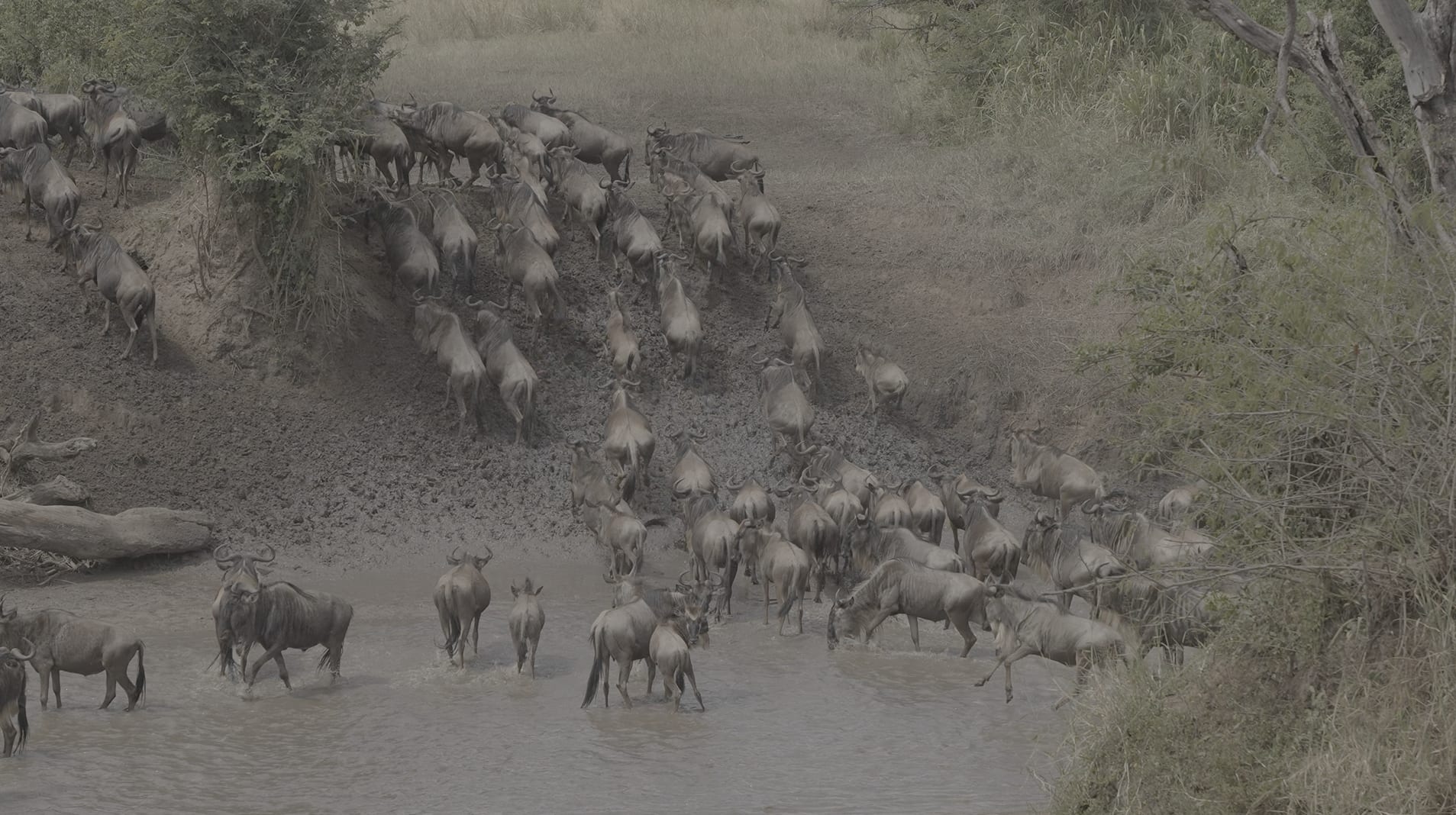
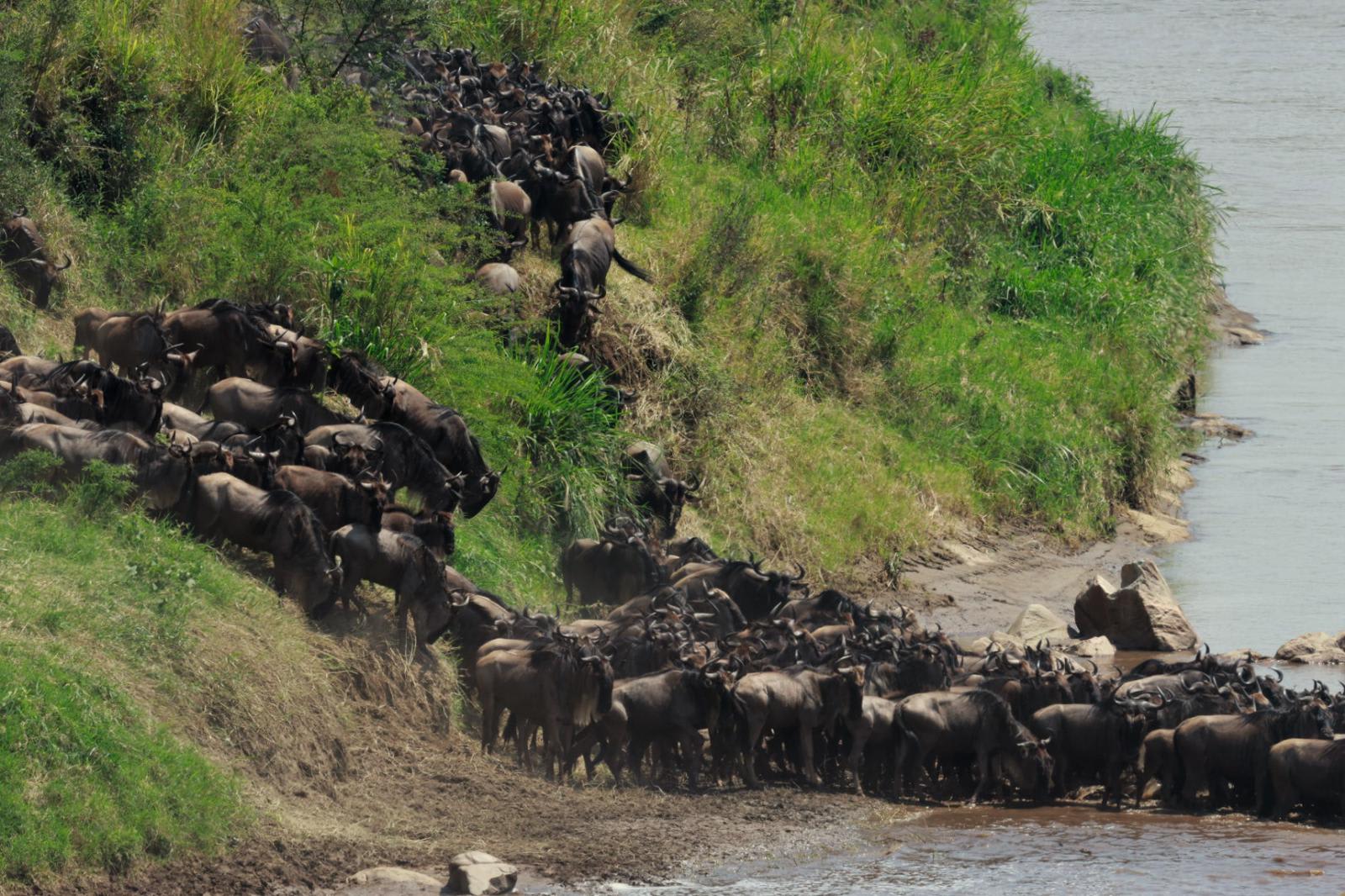
Northern Tanzania offers unmatched wildlife viewing and accessibility. The Serengeti is home to the Great Migration, where 1.5 million wildebeest cross the Mara River annually between July and October. This natural spectacle draws wildlife photographers and nature lovers from across the globe.
The region has excellent infrastructure for tourists. Arusha serves as the gateway to the Tanzania Northern Safari Circuit . Multiple international flights arrive daily, making it easy to reach from the US, UK, and Europe. Safari lodges range from budget camps to ultra-luxury tented properties.
Tanzania safari packages offer better value than Kenya in many cases. You get similar wildlife viewing at lower prices. The northern circuit is less crowded than some Kenya destinations, giving you more intimate wildlife encounters.
The Ngorongoro Crater is a UNESCO World Heritage Site and one of Africa's most concentrated wildlife viewing areas. Over 25,000 large animals live in this 8,292-square-kilometer crater. You can see lions, buffalo, zebras, and wildebeest without traveling far.
Combining safari with Zanzibar creates a complete East African experience. Zanzibar pairs perfectly with mainland Tanzania safaris, creating the quintessential "bush and beach" itinerary . Common combinations include Serengeti and Ngorongoro Crater followed by Zanzibar relaxation.
You can explore Tanzania safari versus Kenya options to find the best fit for your travel style and budget.
7-Day Northern Tanzania Safari Itinerary Breakdown
Day 1: Arrive in Arusha
Most safaris begin in Arusha, the gateway city for the northern circuit. You arrive at Kilimanjaro International Airport or Arusha Airport. Your safari operator picks you up and takes you to your lodge in Arusha town for rest and orientation. This day helps you adjust to the time zone and prepare for early morning game drives.
Day 2: Tarangire National Park
Day two focuses on Tarangire National Park, known for massive elephant herds and scenic baobab trees. A full-day game drive lets you spot over 2,000 elephants, along with lions, giraffes, and zebras. The Tarangire River is a wildlife magnet during the dry season.
Day 3–4: Ngorongoro Crater and Crater Rim
You spend two days exploring the Ngorongoro Crater, one of Africa's natural wonders. A morning descent into the crater gives you game viewing in one compact area. You see lions hunting, buffalo herds, and flamingos on the crater lake. The crater rim offers stunning views and cultural encounters with Maasai communities.
Day 5–6: Central and Northern Serengeti
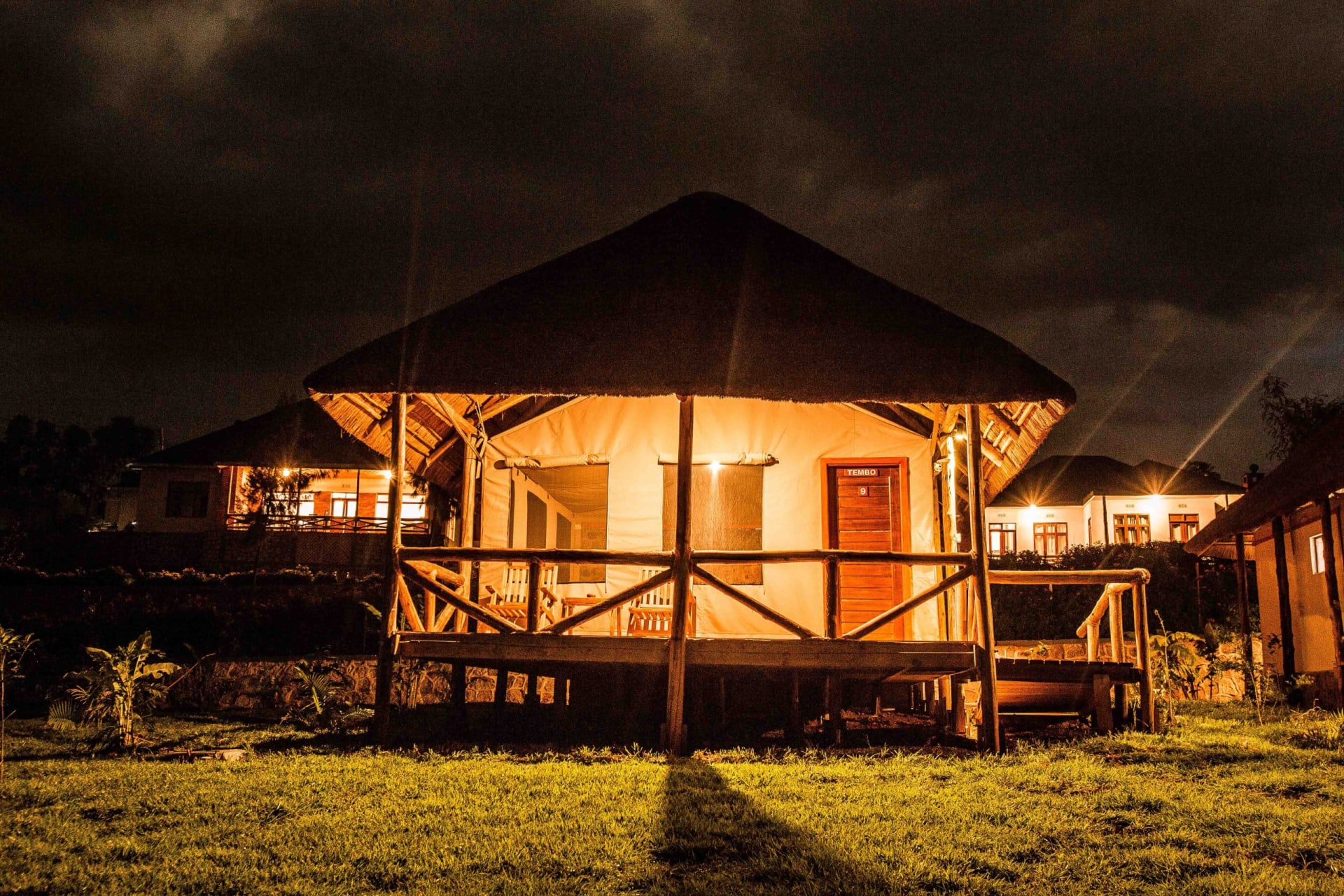
The Serengeti is the heart of your safari. You overnight at a luxury tented camp in Serengeti and enjoy full-day game drives across Serengeti's endless plains . Opportunities to spot predators and witness wildlife interactions are excellent during these two days. The Serengeti's 14,750 square kilometers provide endless exploration.
Day 7: Return to Arusha
Your final day involves a scenic drive back to Arusha. You may stop at viewpoints or visit a Maasai village for cultural experiences. You arrive in Arusha by evening, ready for your flight home or onward journey to Zanzibar.
Ready to explore verified safari packages? Browse Tanzania safari and Zanzibar packages with authentic traveler reviews to find your perfect itinerary.
Extending Your Trip: Adding Zanzibar (Days 8–10)
Many travelers extend their 7-day safari with 3–4 days in Zanzibar for the complete experience. A short flight from Dar es Salaam to Zanzibar takes just one hour. You arrive on pristine beaches with turquoise water and white sand.
Zanzibar offers cultural exploration alongside beach relaxation. The Stone Town UNESCO site features historic architecture, spice markets, and local restaurants. You can take spice plantation tours to learn how cloves, nutmeg, and vanilla are grown.
Beach days in Zanzibar let you recover from early morning safari drives. Popular beaches include Nungwi Beach in the north and Paje Beach in the southeast. Water activities include snorkeling, diving, and sailing dhow boats at sunset.
A complete 14-day Tanzania safari and Zanzibar itinerary includes 9 days across Tarangire, the Serengeti, and Ngorongoro, then 5 days on Zanzibar . This length lets you experience both the wildlife intensity and island serenity without feeling rushed.
Budget time for the Zanzibar transition. You need a full day to travel from the Serengeti to Dar es Salaam, then fly to Zanzibar. This travel day is best placed mid-trip rather than at the very end.
Best Time to Visit Northern Tanzania
The best time to visit depends on what you want to see. July through October is peak season for the Great Migration. During these months, 1.5 million wildebeest move across the Serengeti seeking fresh grass. This migration is one of Earth's greatest natural spectacles.
January and February offer a second-best viewing window. The short rains bring lush grass and newborn animals. Predators are more active hunting young prey. Fewer tourists visit during this season, giving you more solitude.
March through May is the long rainy season. Some roads become difficult, but wildlife is abundant and birds are active. Lodges offer lower rates during this shoulder season.
June is the transition month between seasons. It's a good time to visit with moderate rainfall and fewer crowds. September and October are also excellent, with wildlife concentrated near water sources.
Avoid November and December unless you want fewer tourists. The short rains can make driving difficult. January–February and July–October are your best bets for reliable wildlife viewing.
Safari Costs and Budget Planning
A 7-day Tanzania safari costs vary widely based on your comfort level. Budget safaris start at $1,850 per person and include basic accommodations and guides . Mid-range packages cost $3,150–$4,550 per person . Luxury safaris exceed $8,000 per person daily at premium lodges.
Your costs include accommodation, meals, game drives, and a professional guide. Park entrance fees are separate, typically $50–$80 per park daily. International flights from the US cost $800–$1,500 roundtrip. Domestic flights between Dar es Salaam and Zanzibar add $100–$200.
All-inclusive packages from the US often include flights, accommodations, meals, and activities. These range from $3,500–$6,000 for 7 days all-in. Booking directly with operators can save 15–20% compared to travel agencies.
Zanzibar extensions add $150–$400 per night depending on your hotel choice. Budget beachside hotels cost $80–$120 nightly. Mid-range resorts run $200–$400. Luxury beach properties exceed $600 per night.
Visa costs for US citizens are $100–$150 for Tanzania. Travel insurance is highly recommended at $100–$300 for the trip. Vaccinations (yellow fever, typhoid, malaria prevention) cost $200–$400 depending on your doctor.
Compare verified safari operators offering competitive pricing. Explore affordable Tanzania safari packages with flights included to find the best value for your budget.
What to Expect on Your Safari Days
Safari days start early—very early. You wake at 5:30 AM for coffee and breakfast before departing at 6:00 AM. Early morning is when animals are most active. Lions hunt, birds sing, and predators move across the plains.
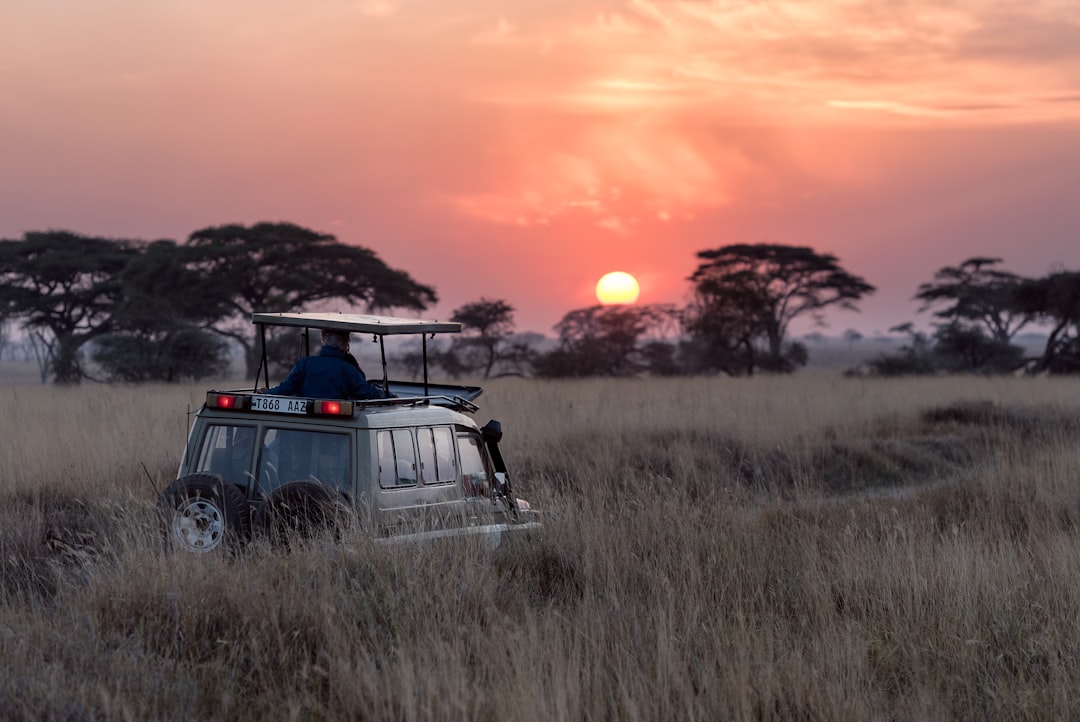
Your guide drives a 4x4 safari vehicle with an open roof for unobstructed viewing and photography. You sit elevated above the landscape, giving you excellent sightlines. The vehicle holds 4–7 passengers depending on the operator.
Morning drives last 3–4 hours. You return to camp by 10:00 AM for brunch and rest during the hottest part of the day. Afternoon drives start at 3:00 PM and continue until sunset around 6:30 PM.
Your guide is your most valuable resource. Experienced guides spot animals you'd miss. They understand animal behavior and positioning for photography. They share knowledge about ecosystems, plants, and conservation efforts.
Bring binoculars, a camera with a zoom lens, and a notebook. The Serengeti offers endless photography opportunities. Wildlife sightings are never guaranteed, but the northern circuit has excellent odds of seeing the Big Five and much more.
Planning Your Northern Tanzania Safari
Booking Timeline
Book your safari 3–6 months in advance for peak season (July–October). Early booking saves 15–20% on rates and secures your preferred lodge. For shoulder seasons (January–February), 2–3 months advance booking is sufficient.
Visa and Documentation
US citizens need a visa for Tanzania. You can obtain an e-visa online at immigration.go.tz or get a visa on arrival. The visa costs $100–$150 and takes 5–10 business days if applying online. Your passport must be valid for at least 6 months beyond your travel dates.
For more details, check our guide on Tanzania safari visa and vaccinations for US citizens.
Vaccinations and Health
Yellow fever vaccination is recommended and sometimes required. Typhoid and hepatitis A shots are advised. Malaria prevention is critical—take antimalarial medication starting before your trip. Consult your doctor 4–6 weeks before departure for personalized recommendations.
Packing Essentials
Pack neutral-colored clothing for safari (greens, tans, browns). Avoid bright colors that startle animals. Bring long-sleeved shirts and pants to protect from sun and insects. Wide-brimmed hats, sunscreen, and insect repellent are essential.
A good camera is important if you're interested in wildlife photography. A zoom lens (200mm or longer) helps capture distant animals. Binoculars are invaluable for spotting birds and distant wildlife. For a comprehensive list, read our Tanzania safari packing list for 10-day trips.
Choosing Your Operator
Select an operator with strong reviews and transparent pricing. SafariFind connects you with verified tour operators offering authentic packages. Read reviews from past travelers to understand quality and service levels. Request quotes from multiple operators to compare value.
Ask operators about their conservation practices. Good operators support local communities and protect wildlife habitats. They employ local guides and staff, benefiting the regions you visit.
Wildlife You'll See on Your Safari
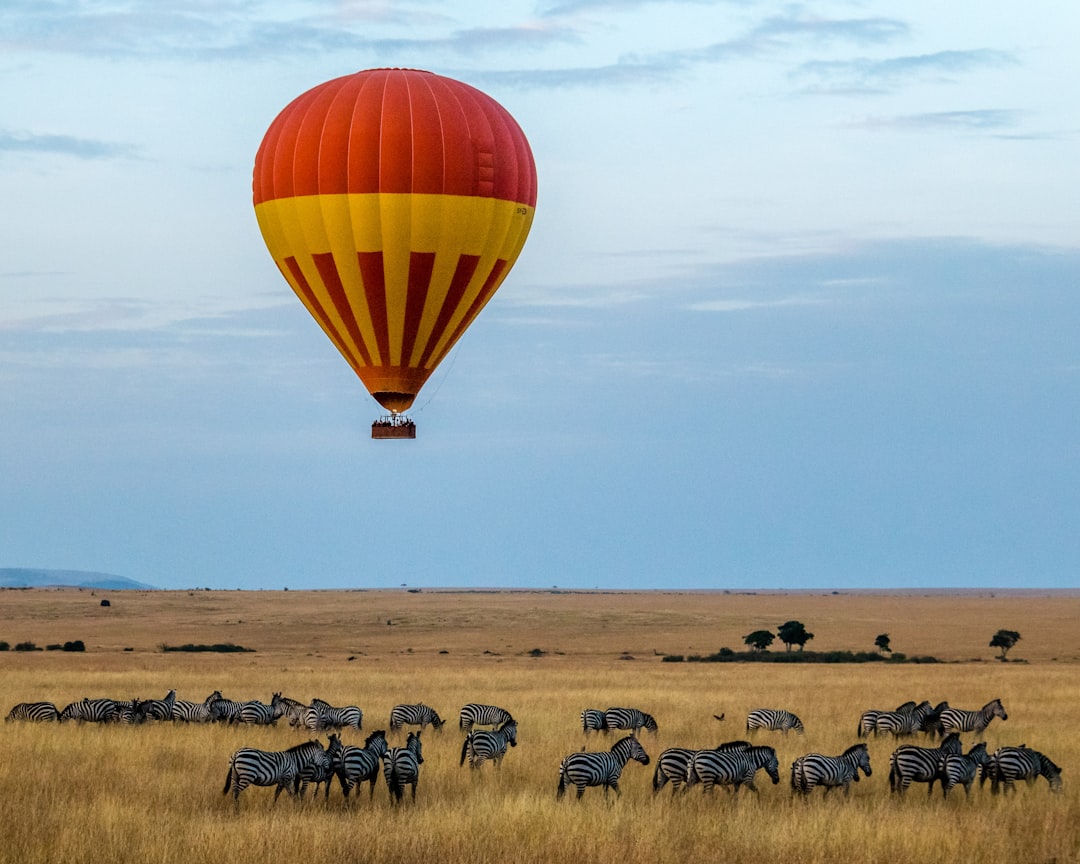
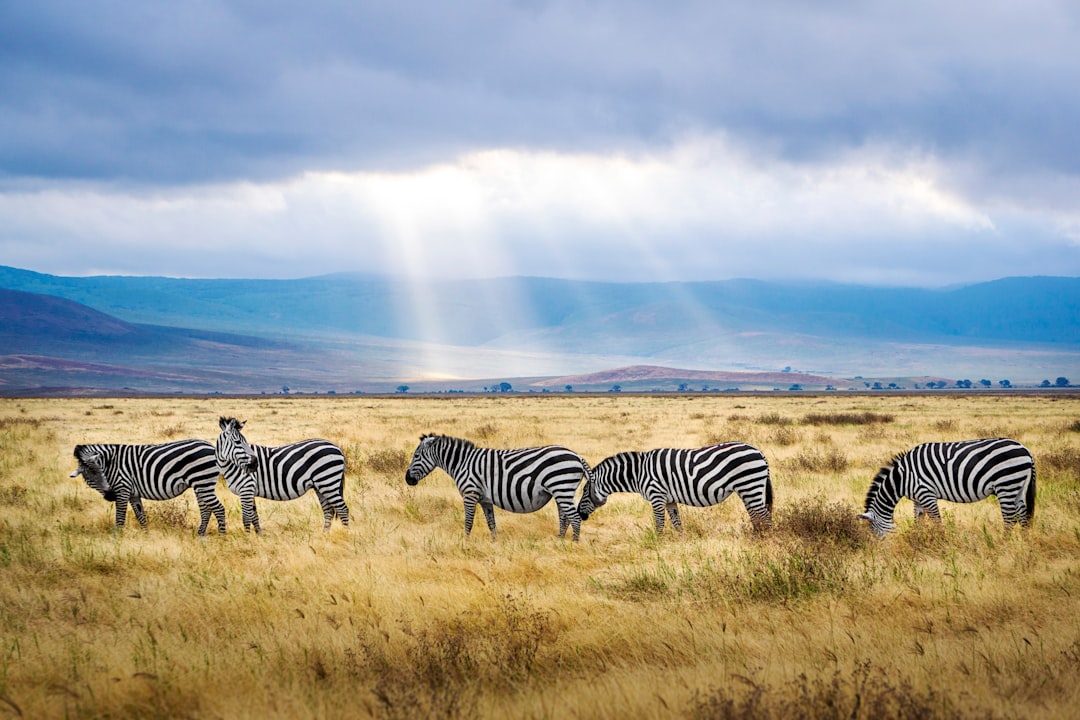
The Serengeti is home to over 1.5 million wildebeest and 300,000 zebras. These herbivores migrate annually seeking fresh grass. Predators follow—lions, leopards, and cheetahs hunt along the migration routes.
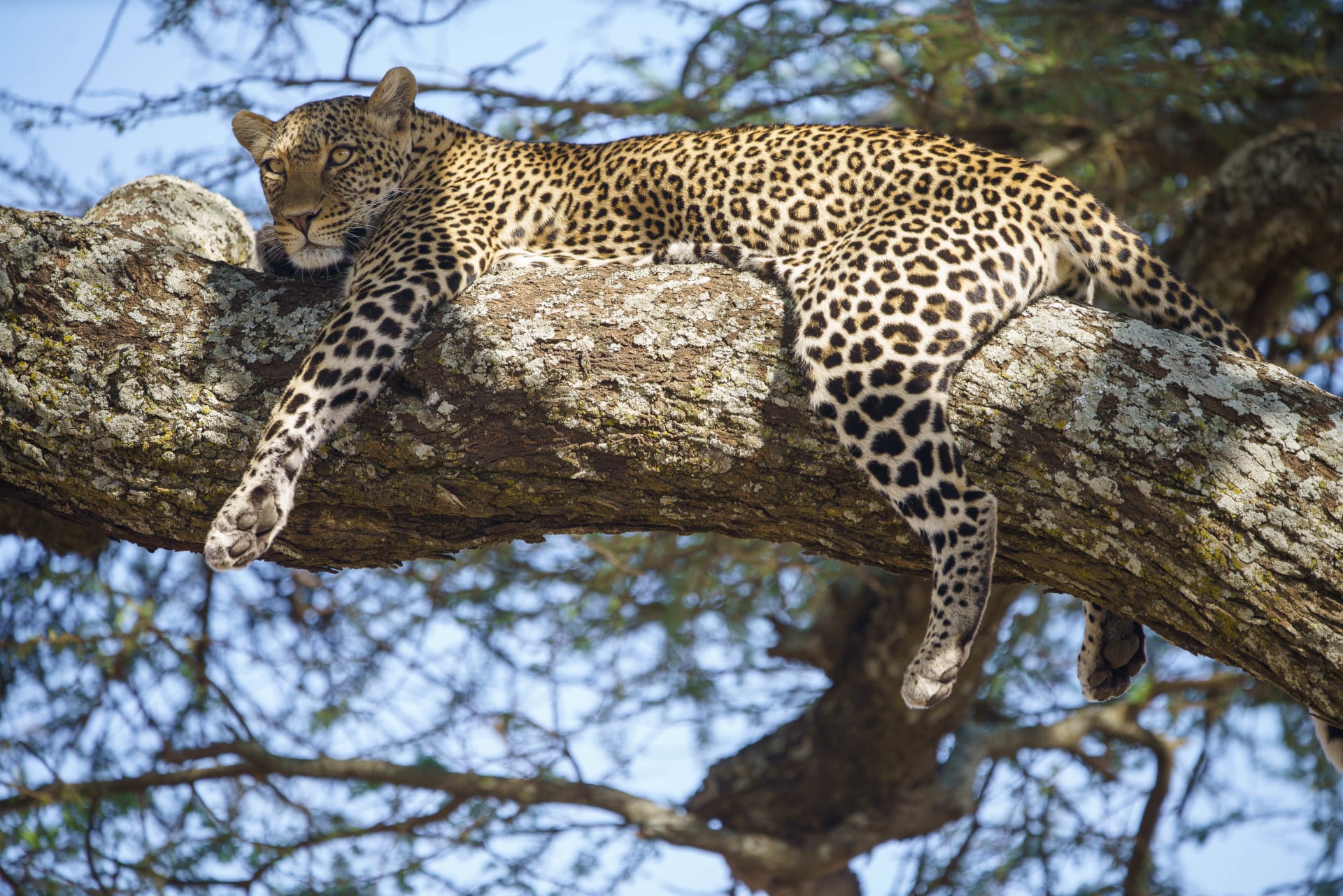
The Big Five are all present in the northern circuit. Lions are common, especially in the Serengeti. African elephants roam Tarangire in massive herds. Buffalo are found near water sources. Leopards are elusive but spotted occasionally. Rhinoceros are rare but present in small numbers.
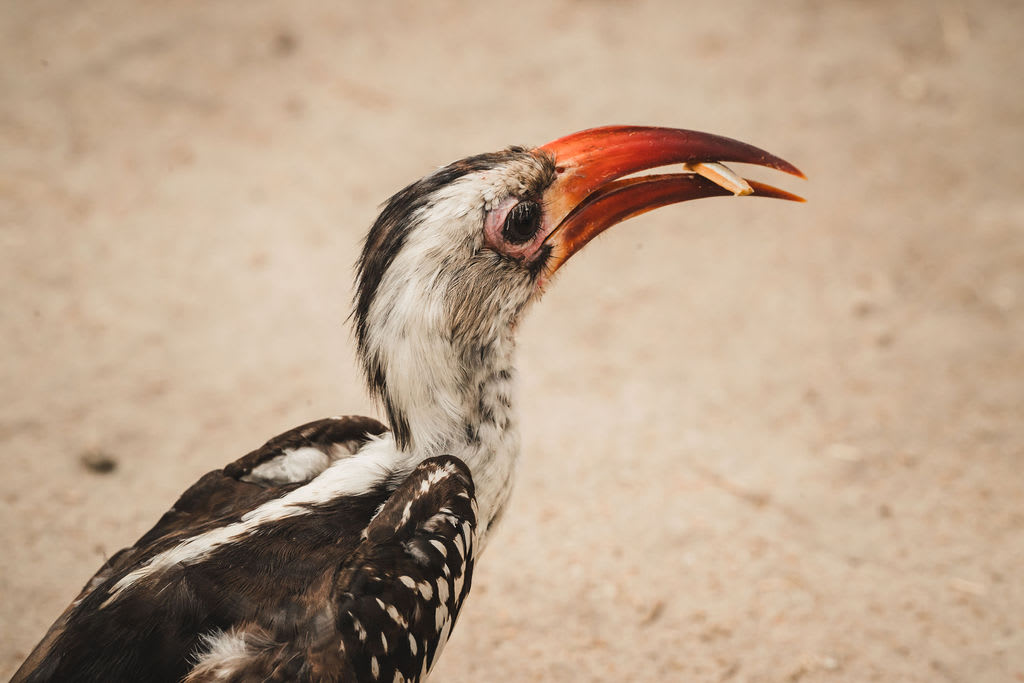
Beyond the Big Five, you'll see giraffes, zebras, wildebeest, warthogs, and numerous antelope species. Hyenas and African wild dogs are active hunters. Over 500 bird species inhabit the region, from ostriches to eagles to flamingos.
The Ngorongoro Crater concentrates wildlife in one area. You're almost guaranteed to see lions, buffalo, zebras, and wildebeest within hours. The crater is a self-contained ecosystem supporting thousands of animals.
Key Takeaways
- Book your northern Tanzania safari 3–6 months ahead for July–October peak season to secure lodges and save 15–20% on rates.
- A 7-day itinerary covers Tarangire, Ngorongoro Crater, and Serengeti for $1,850–$4,550 per person in 2026, with wildlife viewing guaranteed.
- Extend your safari with 3–4 days in Zanzibar for the "bush and beach" experience, adding cultural exploration and beach relaxation.
- Pack neutral-colored clothing, binoculars, and a zoom lens camera to enhance your wildlife photography and animal spotting on game drives.
- Use SafariFind to compare verified operators and read authentic traveler reviews before booking your package to ensure quality and value.
Frequently Asked Questions
How much does a 7-day Tanzania safari typically cost in 2026?
A 7-day Tanzania safari costs $1,850–$4,550 per person depending on accommodations and services . Budget packages start at $1,850 and include basic lodges and guides. Mid-range safaris cost $3,150–$4,550 with comfortable lodges and experienced guides. Luxury safaris exceed $8,000 per person daily at premium tented camps. Prices include accommodation, meals, game drives, and park fees.
What is the best time of year for wildlife viewing in the Serengeti?
July through October is the best time for the Great Migration, when 1.5 million wildebeest cross the Serengeti seeking fresh grass. January and February offer a second-best window with newborn animals and fewer crowds. Avoid March through May (long rains) and November through December (short rains and low tourism seasons). September and October are excellent months with wildlife concentrated near water sources and moderate tourist crowds.
Can you combine Zanzibar with a mainland Tanzania safari?
Yes, Zanzibar pairs perfectly with mainland Tanzania safaris, creating the quintessential "bush and beach" itinerary . Common combinations include Serengeti and Ngorongoro Crater followed by 3–5 days in Zanzibar. A short flight from Dar es Salaam to Zanzibar takes one hour. This combination gives you wildlife intensity on the mainland and beach relaxation on the island, making it the ideal East African experience.
What wildlife can you see on a northern Tanzania safari?
The northern circuit offers excellent opportunities to see the Big Five: lions, elephants, buffalo, leopards, and rhinoceros. You'll also spot over 1.5 million wildebeest and 300,000 zebras during migration seasons. The Serengeti is home to giraffes, warthogs, and numerous antelope species. Over 500 bird species inhabit the region. The Ngorongoro Crater concentrates wildlife in one area, nearly guaranteeing sightings within hours of entry.
Do US citizens need a visa for Tanzania?
Yes, US citizens need a visa for Tanzania. You can obtain an e-visa online at immigration.go.tz or get a visa on arrival at the airport. The visa costs $100–$150 and takes 5–10 business days if applying online. Your passport must be valid for at least 6 months beyond your travel dates. Yellow fever vaccination is recommended and sometimes required for entry.
How do you book a Tanzania safari package with verified operators?
Use SafariFind to browse verified safari operators and authentic package reviews. Compare prices, durations, and ratings from past travelers. Request quotes from multiple operators to compare value and services. Read detailed reviews before booking to understand quality, guide expertise, and lodge conditions. SafariFind connects you directly with established operators, saving you time and helping you avoid unreliable companies.
What should you pack for a 7-day Tanzania safari?
Pack neutral-colored clothing (greens, tans, browns) to avoid startling wildlife. Bring long-sleeved shirts and pants for sun and insect protection. Include a wide-brimmed hat, sunscreen (SPF 50+), and insect repellent. A zoom lens camera (200mm+) and binoculars enhance wildlife viewing. Comfortable walking boots are essential for camp exploration. For a detailed packing list, see our comprehensive Tanzania safari packing guide.
Conclusion
A northern Tanzania safari combined with Zanzibar is one of Earth's greatest travel experiences. You get unmatched wildlife viewing, cultural immersion, and beach relaxation in one trip. The Serengeti's 1.5 million wildebeest migration, the Ngorongoro Crater's concentrated wildlife, and Zanzibar's pristine beaches create memories that last a lifetime.
In 2026, a 7-day safari costs $1,850–$4,550 per person depending on your comfort level . July through October offers the best wildlife viewing during the Great Migration. Book 3–6 months in advance to secure your preferred lodges and save money on peak season rates.
The northern circuit is accessible, affordable, and offers excellent value compared to other African safaris. Arusha is your gateway, with easy international flight connections from the US and Europe. Safari infrastructure is well-developed with options for every budget.
SafariFind makes planning simple. Compare verified operators, read authentic traveler reviews, and request quotes from multiple companies. Our marketplace connects you with established safari providers offering transparent pricing and excellent service. Start exploring packages today and plan the safari adventure of your dreams.
Plan Your Safari with SafariFind
These recommendations use real data from SafariFind, where you can compare operators, browse packages, and read verified traveler reviews before you book.
Recommended Safari Operators from SafariFind
Top Safari Packages from SafariFind
What Travelers Say (SafariFind Reviews)
References
- Zanzibar Travel Guide 2026: Beaches, Spice Tours & Island Escapes
- All Best Serengeti Safaris (Updated for 2026–2027): The Complete Travel Guide
- Best Tanzania Safari Itinerary: Sample Routes & Costs 2026
- Tanzania Safari Itineraries: 7 & 10-Day Trip Plans - Duma Explorer
- Best 7-Day Safari in Tanzania: Africa Finest Adventures 2026
- Our 7 Day Tanzania Safari Itinerary (2026): Costs, Big 5 Sightings & Honest Review
- Tanzania Safari + Zanzibar: The Perfect 2-Week Itinerary
- Ultimate 7-10 Day Tanzania Safari Itinerary & Costs
Sources
- Zanzibar Travel Guide 2026: Beaches, Spice Tours & Island Escapes
- All Best Serengeti Safaris (Updated for 2026–2027): The Complete Travel Guide
- Best Tanzania Safari Itinerary: Sample Routes & Costs 2026
- Tanzania Safari Itineraries: 7 & 10-Day Trip Plans - Duma Explorer
- Best 7-Day Safari in Tanzania: Africa Finest Adventures 2026
- Our 7 Day Tanzania Safari Itinerary (2026): Costs, Big 5 Sightings & Honest Review
- Tanzania Safari + Zanzibar: The Perfect 2-Week Itinerary
- Ultimate 7-10 Day Tanzania Safari Itinerary & Costs
Related to
Ready to start your safari adventure?
Explore curated safari packages and find your perfect African adventure with verified operators.